Like
Share
멍실장
강아지 발톱 관리 방법 증상과 원인, 진단·치료와 관리 포인트 총정리

Dog Nail Care: A Complete Guide to Symptoms, Causes, Diagnosis, Treatment, and Management

Lifestyle & Age CareDiseasesMeongsiljang Veterinary Advisory Board

Proper nail care is essential for your dog’s healthy gait and skin health. Learn how to prevent pain and infections caused by improper nail care.

Proper Nail Care is Essential for Your Dog’s Healthy Gait and Skin Health
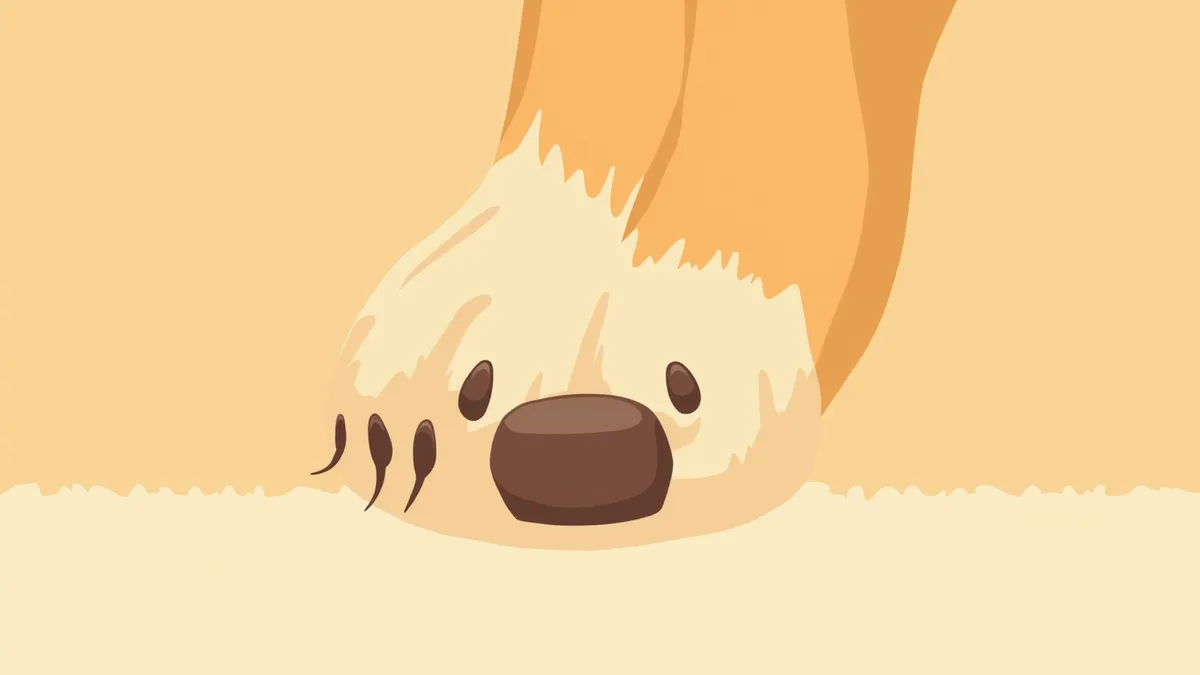
A photo showing a dog's overgrown nails with the quick (blood vessel) visible
Proper nail care is essential for maintaining your dog’s gait and paw health. Overgrown nails can put pressure on the paw pads, leading to pain or injury, and in severe cases, may cause nail deformities, inflammation, or infections. - Nail Length Management: Regularly check your dog’s nails and make it a habit to trim them before they become too long. Dogs that spend most of their time indoors are especially prone to overgrown nails since they don’t wear down naturally, so they require more frequent checks. - Paw Pad Protection: Long nails can press into the paw pads, potentially causing abrasions or infections. Be careful to avoid cutting the quick (the blood vessel inside the nail) and choose the trimming position carefully. - Owner Involvement: Consistent care helps your dog become accustomed to the process and reduces fear. Over time, this supports healthy movement. Nail care is not just about appearance—it’s an important part of preserving your dog’s mobility and quality of life.

The Main Reasons for Overgrown Nails Are Lifestyle Environment and Lack of Care
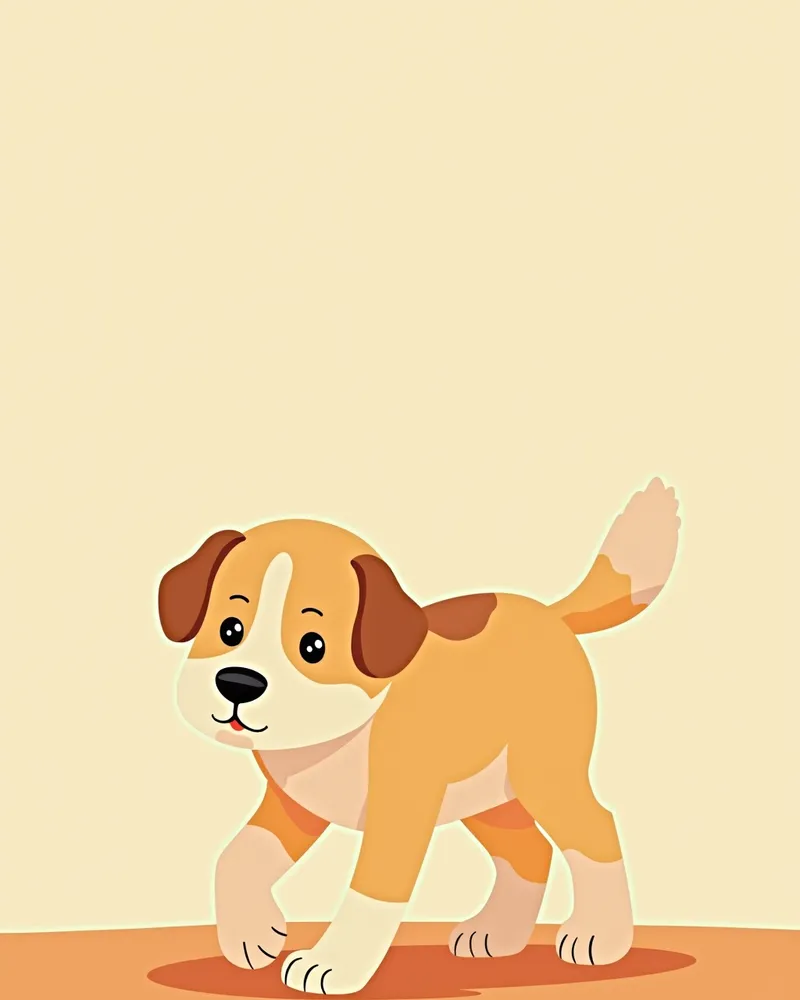
The main reason your dog’s nails grow long is a lack of activity on hard surfaces due to an indoor lifestyle. Dogs that run around outdoors naturally wear their nails down, but those kept indoors tend to have nails that keep growing. - Environmental factors: Soft surfaces like plush flooring or carpets slow down nail wear. In contrast, hard surfaces help naturally wear nails down. - Neglect in care: Fear of trimming nails or skipping regular checks can lead to bigger problems. Black nails are especially tricky since it’s hard to see the quick, so careful trimming is essential. - Lack of awareness: Some owners may not realize that nail care is important for preventing health issues. - Preventive approach: Building early grooming habits can prevent sudden pain or infections. Recognizing these causes and acting early is key.
The sight of a dog's nails touching the floor as it walks on carpet

Main Symptoms of Nail Care Issues Are as Follows

There are several symptoms that can arise from nails that are too long or from inadequate grooming. The nails may twist or break, and your dog may have difficulty walking or show signs of pain in the paw pads. Additionally, swelling or bleeding around the nails can be a sign of infection. Frequent licking of the paws or avoiding use of the paws are also warning signs. These symptoms can lead to health issues beyond simple cosmetic concerns, so prompt attention is necessary.
Broken Nails: This occurs when overgrown nails catch on something or are struck, causing them to break. There is a risk of trauma or injury to the toes.
Paw Pad Pain: Your dog may lift its paws while walking or show restricted movement. This pain can lead to overall changes in behavior.
Bleeding or Inflammation: The skin around the nails may swell and bleed. This can be a sign of infection or trauma, and if accompanied by severe or deep infection, it can affect the bone.
Twisted Nails: The nails may curve outward, interfering with normal gait. Touching the toe joints may cause pain or limit the range of motion.
Frequent Licking: This is a habit of repeatedly licking the paws due to pain or discomfort. It can indicate skin damage or severe pain.
A photo of a puppy with swollen and painful paw pads

Immediate Veterinary Visit Is Required for Severe Bleeding or Pain

Trimming your dog’s nails can sometimes nick the quick (the blood vessel inside the nail), causing bleeding. In most cases, applying firm pressure with a clean gauze pad or cotton swab for a few minutes will stop the bleeding. However, if the bleeding persists despite this measure or if your dog shows signs of severe pain, seek veterinary care immediately. Prolonged bleeding increases the risk of bacterial infection at the wound site, and the resulting pain may cause changes in your dog’s normal behavior. If your dog pulls its paw away, refuses to move, or begins crying, this may indicate an emergency, so prompt action is essential.

Veterinarians Directly Examine the Nails and Paw Pads for Accurate Diagnosis

Diagnosing nail care issues begins with a veterinarian directly examining the condition of the nails and paw pads. They comprehensively evaluate factors such as nail length, the position of the quick, the condition of the paw pad skin, and gait. If necessary, X-rays can be used to check for abnormalities in the bones or joints. In particular, if the nails are twisted or there is severe pain, additional tests may be required to rule out fractures, arthritis, or tumors. To confirm bacterial or fungal infections, bacterial cultures or cytology may also be performed. An accurate diagnosis is the first step toward effective treatment.
A veterinarian examining a puppy's paw

Treatment Is Conducted Step-by-Step Based on Symptoms

Treatment for nail care issues is approached step-by-step based on the severity of symptoms. Mild cases can be managed with regular nail trimming, while deformed nails (onychodystrophy) may require preventive trimming along with a specialized nail prosthesis (acrylic cement) to fill and support the nail. If inflammation is present, cytology or culture tests are needed to check for bacterial or fungal infections, and antibiotics or antifungal medications can be prescribed based on the results. In cases of bleeding, apply pressure with gauze and use a specialized hemostatic agent (coagulant) to stop it. If there are structural abnormalities in the nail or significant difficulty walking, consult your veterinarian about surgical options such as nail removal. Treatment should focus not just on short-term solutions but also on long-term management and prevention.
A veterinarian wrapping a bandage around a dog’s paw after trimming its nails

Regular Checks and Proper Trimming Habits Are Key to Home Care
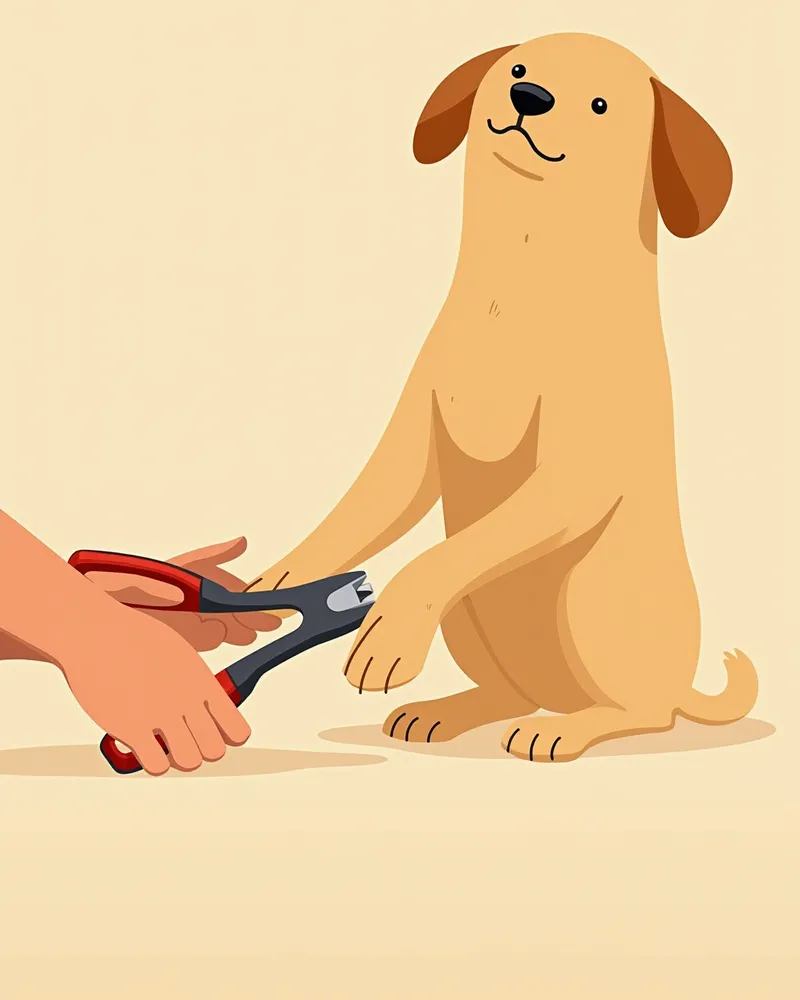
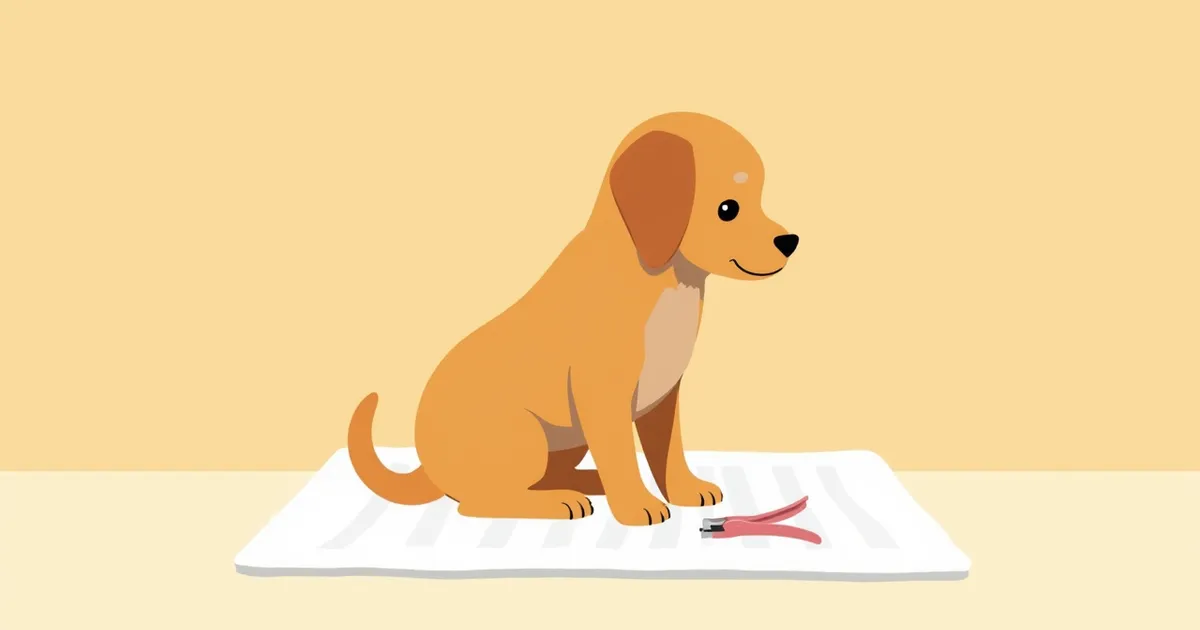
Regular nail care for your dog should be consistently practiced at home. It is important to check the condition of the nails once or twice a week and trim them when they get too long. Choose a trimming tool—scissors, clippers, or a grinder—based on your dog's temperament and nail condition. Trim only up to 1–2 mm away from the quick (the blood vessel), being careful not to cut too much. Start with small amounts to help your dog get used to the process. Black nails make it difficult to see the quick, so trim slowly and in small increments for safety. After trimming, inspect the area around the nails to check for any bleeding.
The owner holds the puppy's paw and trims its nails with clippers.

Avoid Cutting the Quick and Take Immediate First Aid Measures for Bleeding

Cutting the quick (the blood vessel inside the nail) causes pain and bleeding, so it must be avoided. Black nails are especially risky because the quick’s location is hard to see, so it’s safest to trim them in small increments at first. If bleeding occurs, apply gentle pressure to the area with sterile gauze or a cotton swab, and use a pet-specific styptic agent or hemostatic sponge. Maintain pressure for several minutes; bleeding usually stops. If it continues to ooze, keep the pressure applied with a bandage. If bleeding persists or your dog shows severe distress, seek veterinary care immediately. Proper first aid is essential to prevent bacterial infection from entering the wound.

Reviewed by a veterinarian

Dr. Tony — Punnawat Phongkittirak

Dr. Tony — Punnawat Phongkittirak

Veterinarian

A veterinarian who majored in veterinary medicine at Khon Kaen University, Thailand, and completed the IVSA program at North Carolina State University in the United States. Drawing on clinical experience at animal hospitals, he works in the pet healthcare field and is dedicated to building a digital care environment that connects pet parents with veterinarians.

Frequently Asked Questions

How often should I trim my pet’s nails?
Generally, it's best to trim your dog's nails every 2 to 4 weeks. Adjust the frequency based on your dog's activity level, nail growth rate, joint condition, and whether they live indoors or outdoors. Dogs that stay mostly indoors or are less active may need more frequent checks and trims.
What should I do if I’ve trimmed my pet’s nails too short?
If bleeding occurs, apply pressure with sterile gauze or a cotton swab, and use a dedicated hemostatic agent (coagulant). Maintain firm pressure for several minutes, and if blood seeps through, reinforce with a bandage. If the bleeding does not stop or your dog is in severe pain, seek immediate veterinary care.
My dog hates having his nails trimmed. What should I do?
Start with small areas and pair the experience with rewards and praise. Gradually help your pet get used to it through training. It’s most effective to repeat short sessions multiple times in a calm, comfortable environment.
Is it safe to trim your pet’s nails with a drill?
A nail grinder is effective for gently smoothing your dog’s nails, but the noise and vibration can easily startle them. Gradually acclimate your dog to the tool, and avoid overuse. Begin with short sessions on small areas, then slowly increase the duration as your dog becomes more comfortable.
Does a twisted nail require surgery?
Severe twisting can interfere with your pet's gait, so it's important to consult with a veterinarian to determine if surgical intervention is necessary. The choice of treatment depends on the condition of the nail, the level of pain, and whether there are any abnormalities in walking.

Share

Related Guides

References

[1] The Cat, Clinical Medicine and Management, 2nd Edition, 2020

[2] Assessing Essential Skills of Veterinary Technology Students, 4th Edition, 2019

[3] American Veterinary Medical Association (AVMA) Guidelines on Feline and Canine Nail Care, 2021

This information is based on veterinary literature and does not replace diagnosis or treatment. Please consult a veterinarian for specific health concerns.

Metapet Co., Ltd. | CEO: Park Sung-yong | Business Reg. No. 417-88-02562 | Seoul, South Korea | Customer Center

Dog Nail Care Guide: Symptoms, Causes, and Treatment Tips | Meongsiljang