Like
Share
멍실장
고양이 방사선 치료 적응증 증상과 원인, 진단·치료와 관리 포인트 총정리

When Is Radiation Therapy Needed for Cats? — A Complete Guide to Indications and Timing

Oncology/CancerDiseasesMeongsiljang Veterinary Advisory Board

Radiation therapy for cats is a treatment aimed at locally controlling cancer or alleviating symptoms. It is primarily indicated for skin cancer, nasal cancer, and bone cancer, and requires a thorough evaluation by a veterinarian.

What Are the Main Indications for Radiation Therapy in Cats?
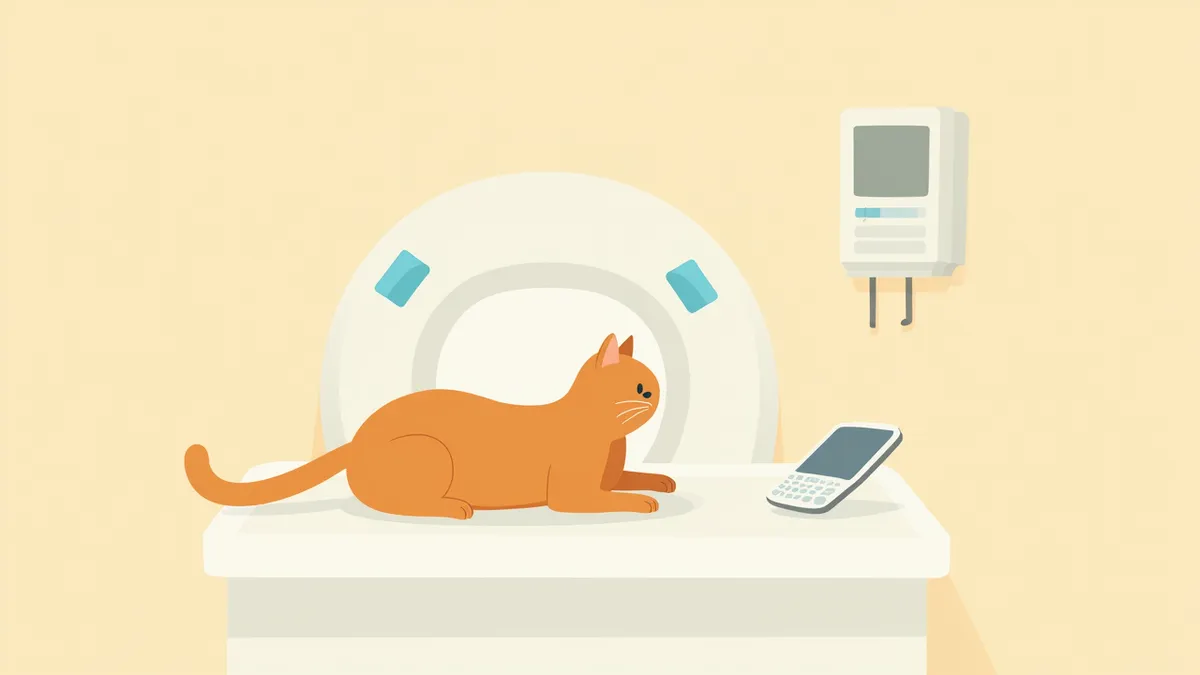
A cat undergoing radiation therapy
Radiation therapy for cats is used to control cancer locally or alleviate symptoms. It is primarily applied to nasal tumors, skin cancers (squamous cell carcinoma), and injection-site sarcomas (soft tissue sarcomas), with the treatment plan tailored to the tumor’s location and stage. - Nasal tumors: When symptoms such as epistaxis (nosebleeds), nasal discharge, and nasal obstruction persist, radiation therapy is often considered the primary treatment option, as surgery alone may be insufficient for symptom control. - Skin cancers (squamous cell carcinoma): Radiation therapy is a viable treatment option when lesions present with crusts, erosions, ulcers, or bleeding, or when surgical removal is challenging. - Injection-site sarcomas (soft tissue sarcomas): When surgery alone is unlikely to achieve adequate control, combining surgery with radiation therapy can help reduce the risk of local recurrence. - Lymphoma and other tumors: Depending on the tumor type and stage, radiation therapy may be incorporated into the overall treatment plan. Precise imaging studies and tissue biopsies are essential before initiating treatment.

Main Indications and Causes of Tumors

The main indications for radiation therapy in cats include nasal cancer, skin cancer (squamous cell carcinoma), and injection-site sarcomas. However, the exact causes of these tumors vary from individual to individual, making it difficult to pinpoint a single cause. Some tumors, like squamous cell carcinoma of the skin, show different treatment responses depending on the location and stage of progression, while others, such as injection-site sarcomas, are recommended to be treated with a combination of surgery and radiation. Nasal cancer is difficult to manage with surgery alone, so radiation is often the primary treatment method. Therefore, rather than trying to guess the cause, the first step in developing a treatment plan is to accurately determine the type and stage of the tumor through a biopsy.
An image illustrating the location of nasal tumors in cats

Main Symptoms and Warning Signs

The main symptoms indicating that a cat needs radiation therapy vary depending on the tumor’s location. - Nasal cancer: Persistent nasal congestion, nasal discharge, and nosebleeds (epistaxis) may occur. As the condition progresses, deformity of the nose or the area between the eyes, or facial swelling, may become visible, indicating that the tumor has invaded the nasal cavity. - Skin cancer (squamous cell carcinoma): Crusts, erosions, ulcers, and bleeding commonly appear on hairless areas such as the eyelids, ears, and nose tip. - Injection-site sarcoma: A firm lump (mass) may be felt at the injection site or other areas, gradually growing larger and potentially invading surrounding tissues. - Lymphoma and other tumors: Swollen lymph nodes may be present, along with decreased appetite and weight loss. If symptoms persist or worsen for more than 1–2 weeks, immediate veterinary care is necessary. Early detection improves treatment success rates.
How nasal symptoms appear in cats

Symptoms Requiring Immediate Veterinary Care

If your cat exhibits persistent nasal bleeding, severe difficulty breathing, facial swelling, or an inability to walk, immediate veterinary care is essential. These symptoms strongly suggest advanced cancer or the development of complications, making timely treatment critical. Delaying care can significantly reduce treatment effectiveness and severely compromise your cat’s quality of life.

Key Procedures for Accurate Diagnosis
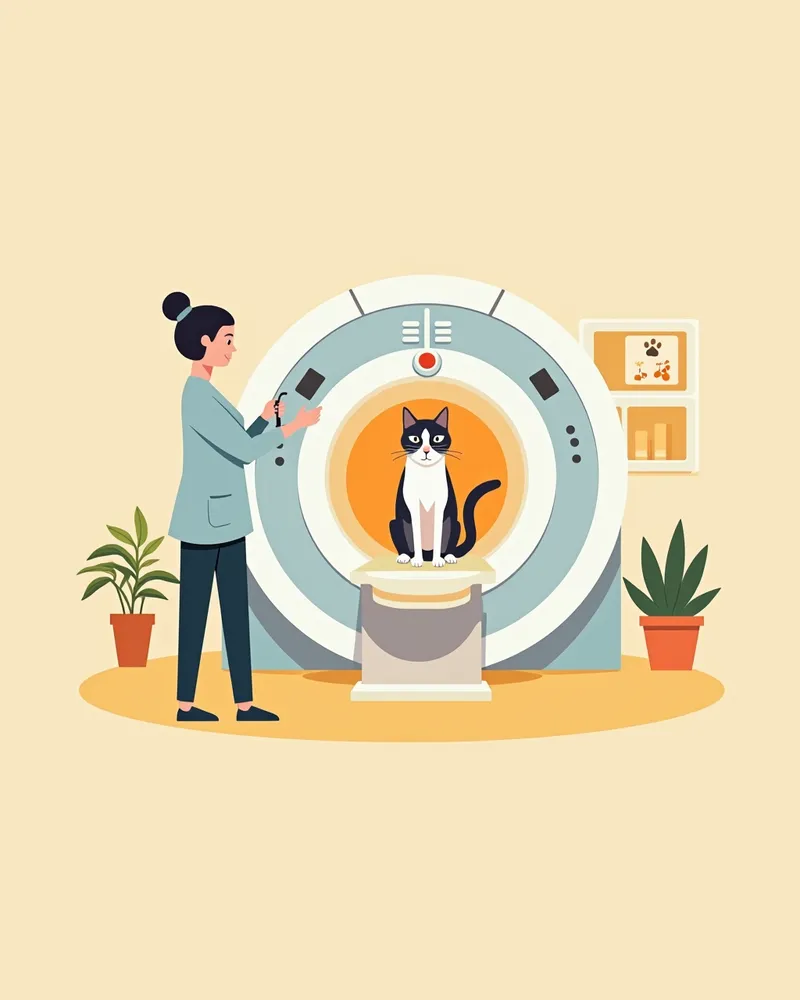
Before starting radiation therapy for your cat, an accurate diagnosis is essential. - Imaging tests: CT or MRI scans help determine the tumor’s size, location, and whether it has invaded surrounding tissues. This information forms the foundation of the treatment plan. - Tissue biopsy: A core procedure in which a sample of the tumor is taken to identify the type of cancer and its stage. - Blood tests: These assess overall health, liver function, and blood parameters to evaluate how well your cat can tolerate treatment. - Clinical examination: A comprehensive evaluation of your cat’s behavior, weight changes, and pain responses. Starting treatment without a precise diagnosis can reduce effectiveness and increase the risk of side effects.
A cat undergoing a CT scan

Treatment Methods and Step-by-Step Approach

Feline radiation therapy is categorized into definitive and palliative approaches, depending on the treatment goal. - Definitive therapy: This aims to control or eliminate the tumor as much as possible. It is typically delivered using fractionated radiation, which involves administering smaller doses over multiple sessions, and may be combined with surgery. - Palliative therapy: This focuses on alleviating symptoms and improving quality of life. It is generally administered in fewer, larger fractions. The number of sessions and intervals vary based on the tumor type, size, location, and treatment objectives, so your veterinarian will determine the specific plan for your cat. Side effects such as skin reactions or gastrointestinal issues may occur during treatment, requiring immediate consultation. Regular follow-up examinations are also essential after treatment concludes.
A veterinarian reviewing a radiation therapy plan.

Home Care and Daily Management Tips

During a cat’s radiation therapy, it’s important to minimize stress and provide a calm, stable environment. - Diet Management: Offer small, frequent meals and always ensure fresh, clean water is available. If appetite decreases, try easily digestible foods or wet food. - Skin Care: Avoid using irritants on the treated area; gently wipe with a soft towel instead. If the skin becomes dry or flaky, a moisturizer can be applied. - Activity Adjustment: Since mobility may be limited, restrict access to stairs or high places and provide a comfortable bed. - Regular Vet Visits: Adhere strictly to the treatment schedule and follow-up check-ups to promptly monitor any changes in condition.
The cat resting comfortably during treatment

Breed-Specific Considerations and Recurrence Prevention

The response to radiation therapy and the severity of side effects can vary from pet to pet, depending on the tumor type, location, and stage of progression. Rather than labeling specific breeds as high-risk, it is crucial to determine the exact tumor type and stage through a precise biopsy to develop an appropriate treatment plan. After treatment, regular check-ups are essential to monitor for recurrence, along with maintaining a healthy lifestyle. Proper nutrition and stress management are also key to helping prevent the cancer from returning.

Reviewed by a veterinarian

Dr. Tony — Punnawat Phongkittirak

Dr. Tony — Punnawat Phongkittirak

Veterinarian

A veterinarian who majored in veterinary medicine at Khon Kaen University, Thailand, and completed the IVSA program at North Carolina State University in the United States. Drawing on clinical experience at animal hospitals, he works in the pet healthcare field and is dedicated to building a digital care environment that connects pet parents with veterinarians.

Frequently Asked Questions

Is radiation therapy painful?
During treatment, your cat will remain calm and experience minimal discomfort. After the procedure, you may notice temporary skin reactions such as dryness or redness, but these typically resolve on their own over time.
How long does the treatment period last?
The number of treatment sessions and the overall duration depend on the tumor’s type, size, location, and treatment goals. Curative therapy involves delivering small radiation doses over multiple sessions, while palliative therapy is typically administered in fewer sessions. Your veterinarian will adjust the schedule based on regular evaluations.
What are the side effects after radiation therapy?
Temporary skin dryness, redness, and hair loss may occur at the treatment site. In most cases, these symptoms resolve after treatment ends, and your veterinarian will monitor and manage them.
Is radiation therapy effective for nasal cancer?
Yes, since surgery is unlikely to relieve symptoms or improve survival in nasal cancer, radiation therapy is the most commonly used primary treatment. It helps manage clinical signs such as nasal discharge and epistaxis.
How is a cat’s quality of life after treatment?
With effective treatment, symptoms can improve significantly, allowing your pet to resume daily activities and enjoy a better quality of life. Regular management is essential.

Share

Related Guides

References

[1] Henry CJ, Higginbotham ML (2010) Cancer Management in Small Animal Practice. Saunders/Elsevier, Maryland Heights.

[2] Veterinary Surgical Oncology, 2nd Ed. Elsevier, 2020.

[3] Canine and Feline Respiratory Medicine, 3rd Edition. Elsevier, 2018.

This information is based on veterinary literature and does not replace diagnosis or treatment. Please consult a veterinarian for specific health concerns.

Metapet Co., Ltd. | CEO: Park Sung-yong | Business Reg. No. 417-88-02562 | Seoul, South Korea | Customer Center

When Do Cats Need Radiation Therapy? Indications & Timing | Meongsiljang