Like
Share
멍실장
강아지 요실금·요도 괄약근 기능부전 증상과 원인, 진단·치료와 관리 포인트 총정리

Canine Urinary Incontinence and Urethral Sphincter Mechanism Incompetence: Symptoms, Causes, Diagnosis, Treatment, and Management Essentials

UrinaryDiseasesMeongsiljang Veterinary Advisory Board

Canine urinary incontinence is a condition in which a dog cannot properly hold its urine due to weakened urethral sphincter function, and it most commonly occurs in older dogs or after whelping. Accurate diagnosis and proper management are essential.

What Is Canine Urinary Incontinence and Urethral Sphincter Mechanism Incompetence?
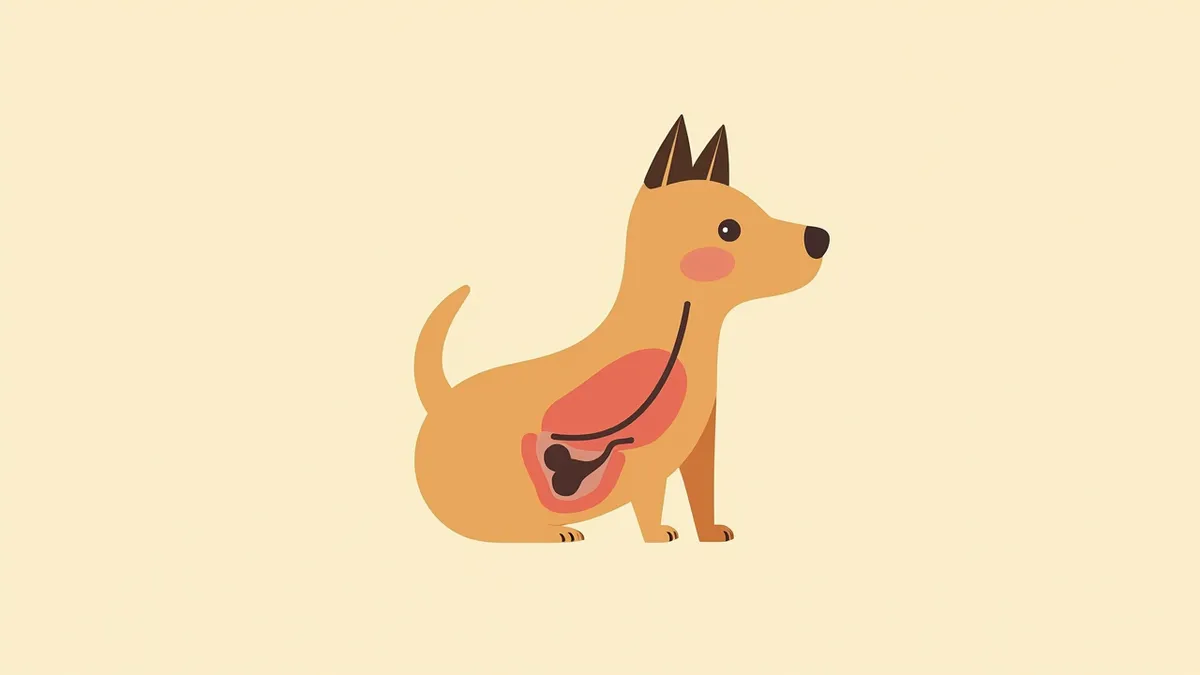
Anatomical structures involved in urethral sphincter mechanism incompetence in dogs
Canine urinary incontinence is a condition in which the dog cannot properly hold urine due to weakened urethral sphincter function. It is particularly common in spayed female dogs and senior dogs, and can cause significant psychological stress for pet owners. This is not a simple training issue or bad habit, but a medical condition stemming from physiological dysfunction. When the urethral sphincter weakens, urine leaks out when pressure builds up in the bladder. Early diagnosis and proper management are key to treatment. Therefore, it is important to consult a veterinarian immediately if symptoms appear.

What Are the Main Causes of Urinary Incontinence?
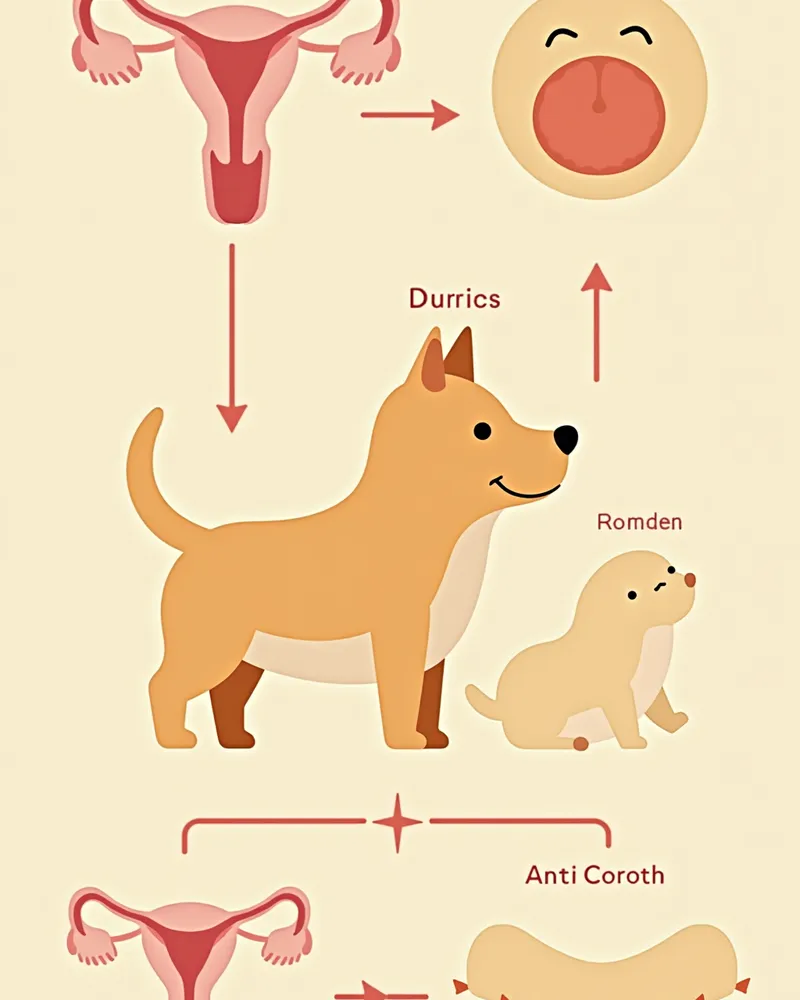
- Hormonal changes: A decrease in estrogen levels in spayed female dogs can lead to weakened sphincter muscles, resulting in urinary incontinence. This typically occurs within 2–3 years after surgery, but it can happen at any time. - Muscle weakness: In senior dogs, the muscles surrounding the urethra may weaken, making it difficult to control urination. - Nerve damage: Spinal cord injuries or neurological disorders can disrupt the signals that regulate bladder control. - Trauma or surgery: Pelvic injuries or complications from urinary tract surgery can lead to functional impairment. - Chronic diseases: Conditions such as diabetes or kidney disease can also have indirect effects. A comprehensive evaluation of these factors is necessary for an accurate diagnosis.
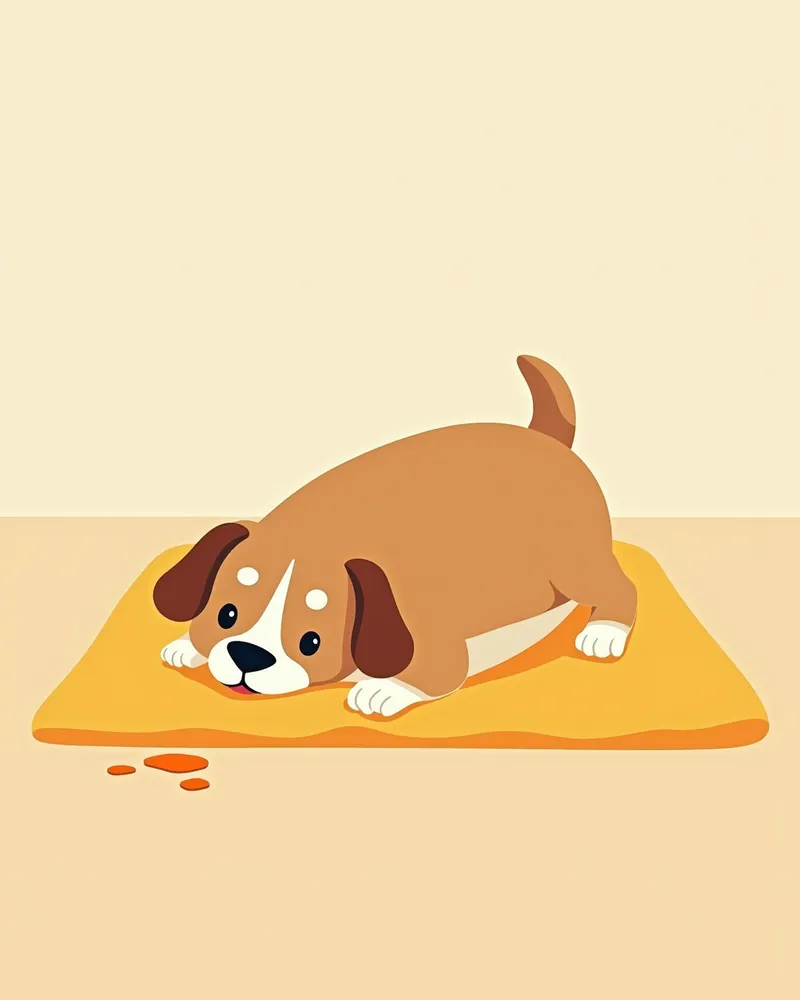
Weakening of the urethral sphincter due to hormonal changes after whelping

Check for Key Symptoms and Signs

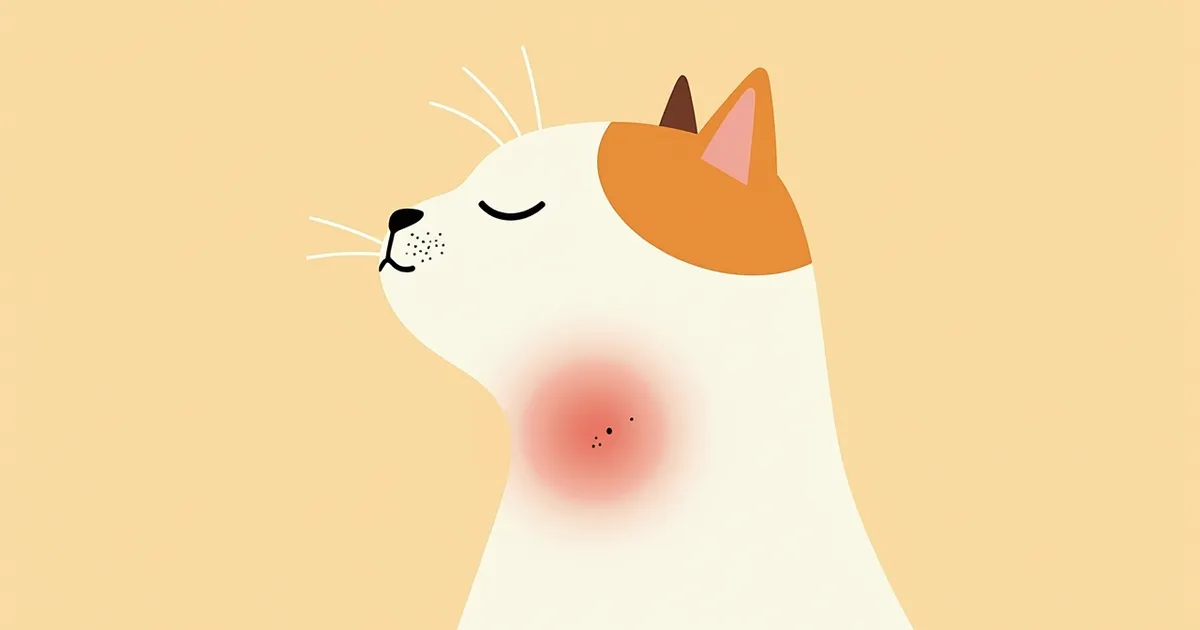
- Involuntary urine leakage during sleep: This often manifests as urine stains on the bed or blankets, particularly at night. Owners most commonly discover their dog leaking urine while asleep, which is primarily caused by weakened sphincter muscles leading to urine leakage from the urethra. - Frequent urination: Your dog may show repeated urges to urinate or attempt to go at short intervals. This can result from excessive bladder irritation or an increase in residual urine volume. - Pain during urination: Your dog may strain, whine, or scratch at its abdomen while urinating. These signs may indicate a urinary tract infection, bladder stones, or nerve damage. - Irritation around the urethra: Frequent contact with urine can cause the surrounding skin to become raw, flaky, or inflamed. - Decreased urine output: If the bladder is not emptying properly, the volume of urine may decrease. If these symptoms persist, consult your veterinarian immediately.
A puppy experiencing urinary incontinence during sleep

When to Visit the Vet Immediately

If your dog suddenly loses the ability to hold its urine, shows signs of pain while urinating, or has blood in its urine, you should visit a vet immediately. These symptoms could indicate serious conditions such as infections, stones, tumors, or nerve damage. Early diagnosis can significantly impact the outcome of treatment.

Diagnostic Tests for Accurate Diagnosis
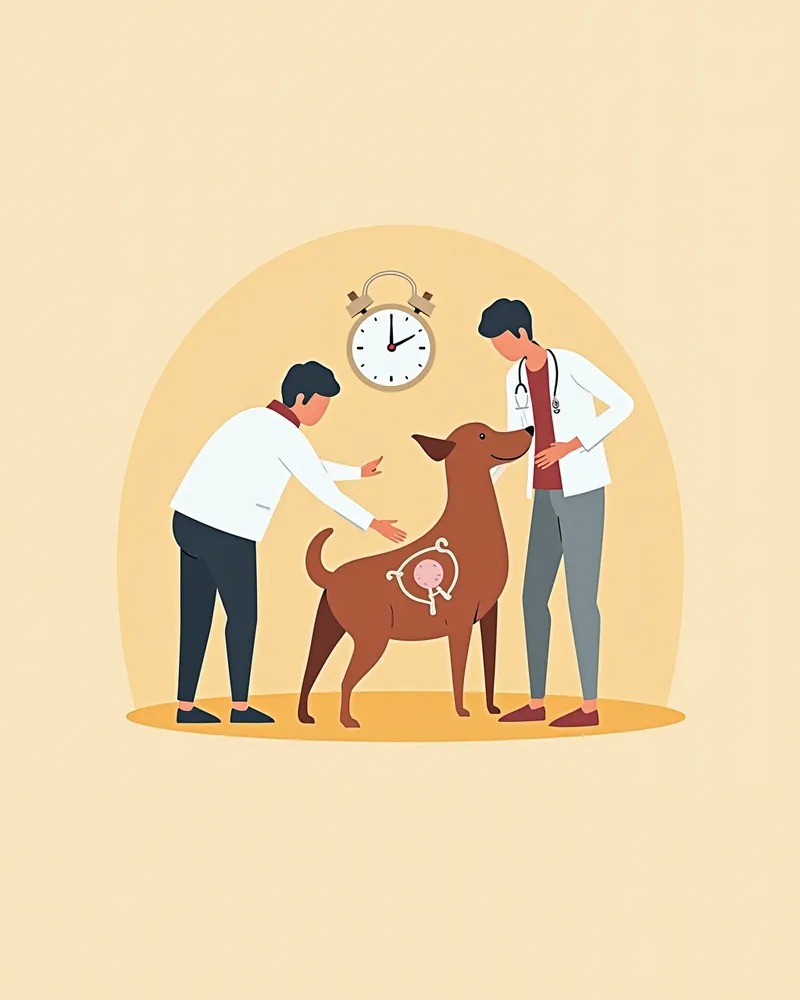
- Urinalysis: Checks for infection, blood in the urine, and diabetes. - Bladder ultrasound: Visually assesses bladder size, residual urine volume, and sphincter condition. - Neurological evaluation: Examines nerve reflexes, muscle strength, and sensory function. - Bladder function testing: Measures changes in bladder pressure to determine if there are functional abnormalities. - MRI or CT scan: Allows for precise identification of nerve damage or structural abnormalities. A comprehensive approach using multiple tests is necessary to identify the underlying cause.
During a puppy's bladder ultrasound examination

Treatment Methods and Step-by-Step Management
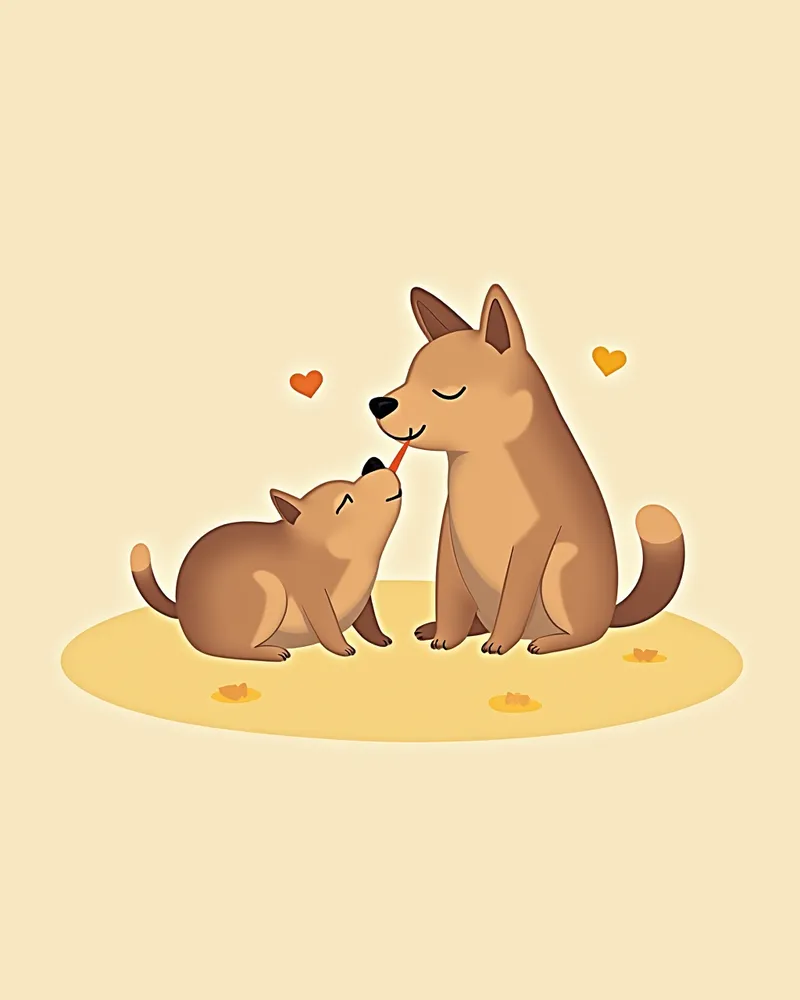
- Medication: For spayed female dogs, estrogen supplements or alpha-adrenergic agonists (sympathomimetics) may be used to increase urethral tone and strengthen sphincter function. This approach is primarily effective for urethral sphincter mechanism incompetence (USMI). However, reported long-term success rates are approximately 50%, and lifelong treatment may be required. - Electrical stimulation therapy: This method involves applying electrical stimulation to the sphincter to improve muscle contractility. - Surgical treatment: If medication is ineffective or if sphincter function is severely compromised, surgical options such as sphincter augmentation or bladder neck suspension may be considered. - Lifestyle management: Establishing a consistent elimination routine and regulating water intake are essential. - Regular check-ups: Examinations every 3 to 6 months are necessary to monitor treatment efficacy and prevent recurrence. Consistent care is the key to success.
Your dog is currently undergoing medication treatment.

Management Tips at Home

- Maintain a consistent bathroom routine: Take your pet for walks at regular intervals to help establish a reliable elimination schedule. - Manage water intake: Reducing water consumption in the evening can help minimize nighttime urinary incontinence. - Protect bedding: Use waterproof mats to safeguard the bed and wash bedding frequently. - Reduce stress: Provide a quiet environment and avoid excessive stimulation. - Medication management: Administer medications exactly as directed by your veterinarian.
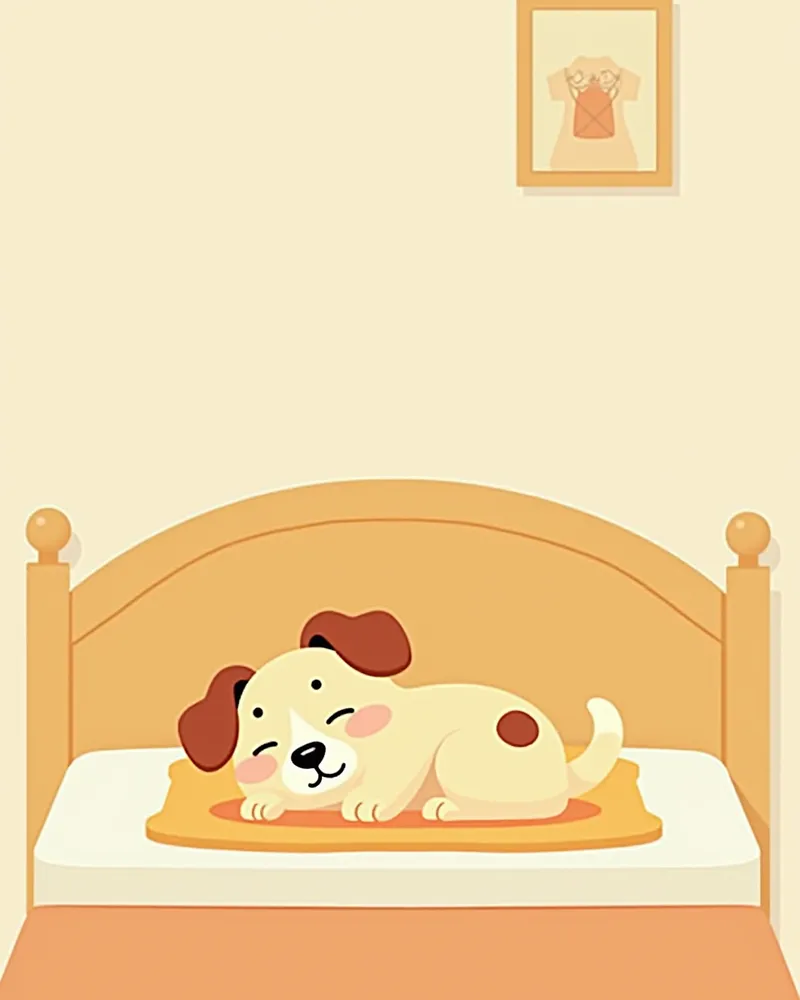
Creating a bedroom environment to manage your dog’s urinary incontinence

Breed-Specific Precautions and Prevention of Recurrence

Urinary incontinence is common in spayed female dogs, especially as they age, and is linked to hormonal changes and weakened sphincter muscle function. Regular check-ups are important after whelping or in senior years, and you should closely monitor any changes in symptoms while your dog is on medication. To prevent recurrence, it’s essential to consistently maintain proper lifestyle habits and medication management.

Reviewed by a veterinarian

Dr. Tony — Punnawat Phongkittirak

Dr. Tony — Punnawat Phongkittirak

Veterinarian

A veterinarian who majored in veterinary medicine at Khon Kaen University, Thailand, and completed the IVSA program at North Carolina State University in the United States. Drawing on clinical experience at animal hospitals, he works in the pet healthcare field and is dedicated to building a digital care environment that connects pet parents with veterinarians.

Frequently Asked Questions

Can dog urinary incontinence be treated?
In many cases, symptoms can improve with medications such as hormone therapy or sympathomimetic agents (alpha-adrenergic receptor agonists). However, the reported long-term success rate is approximately 50%, and lifelong treatment may be necessary. In particular, spayed female dogs often benefit from estrogen supplements or alpha-adrenergic receptor agonists. Early diagnosis and consistent management are key.
Can incontinence be resolved through training?
No. Urinary incontinence is a physiological dysfunction that cannot be resolved through training alone. A veterinary diagnosis should be the first step. In particular, urethral sphincter mechanism incompetence, which is common in spayed female dogs, requires medication.
Is it common in senior dogs?
Yes, it is particularly common in spayed female dogs. Symptoms often begin about two to three years after the spay surgery, but they can develop at any time post-operation. The condition is linked to age-related weakening of the sphincter muscles and hormonal changes.
What are the side effects of medication?
Side effects may occur depending on the medication. In particular, estrogen-based products have been associated with reported adverse effects, so consult your veterinarian before use and report any unusual symptoms immediately. For your pet’s safety, avoid self-medicating and always follow your veterinarian’s prescription and instructions.
When should surgery be considered?
If medication isn’t effective or if there’s severe damage to the sphincter muscle function, surgery may be considered. Please discuss with your veterinarian to make the best decision.

Comparison of Treatment Methods by Cause of Urinary Incontinence

ItemMain treatmentTreatment effectPrecautions
Hormonal imbalanceEstrogen supplementsMediumSymptoms commonly begin about 2–3 years after neutering, and side effects are a concern in some dogs
Sphincter weaknessAlpha-adrenergic receptor stimulantsMediumWatch for adverse reactions during medication; side effects possible with long-term use
Nerve damageMedication + electrical stimulation therapyLowIndividual variation is large; regular evaluation and consistent management are needed
Post-surgical complicationsSurgical reconstruction + adjunctive treatmentMediumRecovery period may be long; recurrence possible after surgery

Treatment effects vary by individual, so decide after consulting a veterinarian.

Share

Related Guides
References

[1] Clinical Medicine of the Dog and Cat, 4th Ed. (2023). Chapter 16: Urinary Incontinence in Dogs.

[2] Plumb's Veterinary Drug Handbook, 9th Ed. (2022). Sphincter Mechanism Incompetence and Treatment Options.

[3] American College of Veterinary Internal Medicine (ACVIM). Consensus Statement on Canine Urinary Incontinence (2021).

This information is based on veterinary literature and does not replace diagnosis or treatment. Please consult a veterinarian for specific health concerns.

Metapet Co., Ltd. | CEO: Park Sung-yong | Business Reg. No. 417-88-02562 | Seoul, South Korea | Customer Center

Dog Urinary Incontinence & Urethral Sphincter Incompetence | Meongsiljang