Like
Share
멍실장
강아지 영양 상담 및 식이 선택 증상과 원인, 진단·치료와 관리 포인트 총정리

Puppy Nutritional Counseling and Diet Selection: Symptoms, Causes, Diagnosis, Treatment, and Management Essentials

Lifestyle & Age CareDiseasesMeongsiljang Veterinary Advisory Board

Nutritional counseling and proper diet selection are essential for your puppy’s healthy growth. Learn to recognize symptoms and causes of diet-related issues, and discover accurate diagnostic methods and management strategies.

Puppy Nutritional Counseling and Diet Selection Are the Foundation for Healthy Growth

A dog eating its kibble while a veterinarian reviews its nutritional plan.
Proper nutritional counseling and diet selection are essential for ensuring puppies receive the precise nutrients they need during growth. An inappropriate diet can lead to delayed growth, weakened immunity, and skin issues. - Dietary Imbalance: Choosing food based solely on price or flavor can result in nutrient deficiencies. - Individual Considerations: Nutritional needs vary by breed, weight, activity level, and health status, making a customized plan essential. - Growth Stage Nutrition: Growing puppies require more protein, fat, and minerals like calcium than adult dogs to support bone and muscle development. - Regular Monitoring: Work with your veterinarian to review and adjust the diet plan based on your puppy’s response. Consistent check-ins support healthy growth.

The Main Reasons for Nutritional Counseling Are Dietary Imbalance and Individual Characteristics
The main reasons for puppy nutrition consultations are dietary imbalance and individual characteristics. - Dietary Imbalance: Diets chosen solely for taste or price can lead to nutrient deficiencies. While complete and balanced diets formulated by experts provide proper nutritional balance, additional adjustments may be necessary depending on the breed or health status. - Individual Characteristics: Nutritional needs vary by breed, weight, activity level, and health condition, making a one-size-fits-all diet unsuitable. For example, in growing large-breed puppies, excessive calcium can negatively affect skeletal maturation and increase the risk of orthopedic diseases, making the balance between calcium and phosphorus critical. - Impact of Growth Stage: Growing puppies require significantly more protein, fat, and minerals such as calcium than adult dogs. These nutrients are essential for bone and muscle development. - Disease Association: Nutrient deficiencies can weaken the immune system, increasing susceptibility to infections, or lead to skin lesions and joint or orthopedic issues. However, since identical symptoms may also stem from underlying diseases, differential diagnosis is necessary. - Need for Veterinary Consultation: Developing a customized dietary plan with a veterinarian is the safest and most effective approach. Regular check-ups enable preventive care.
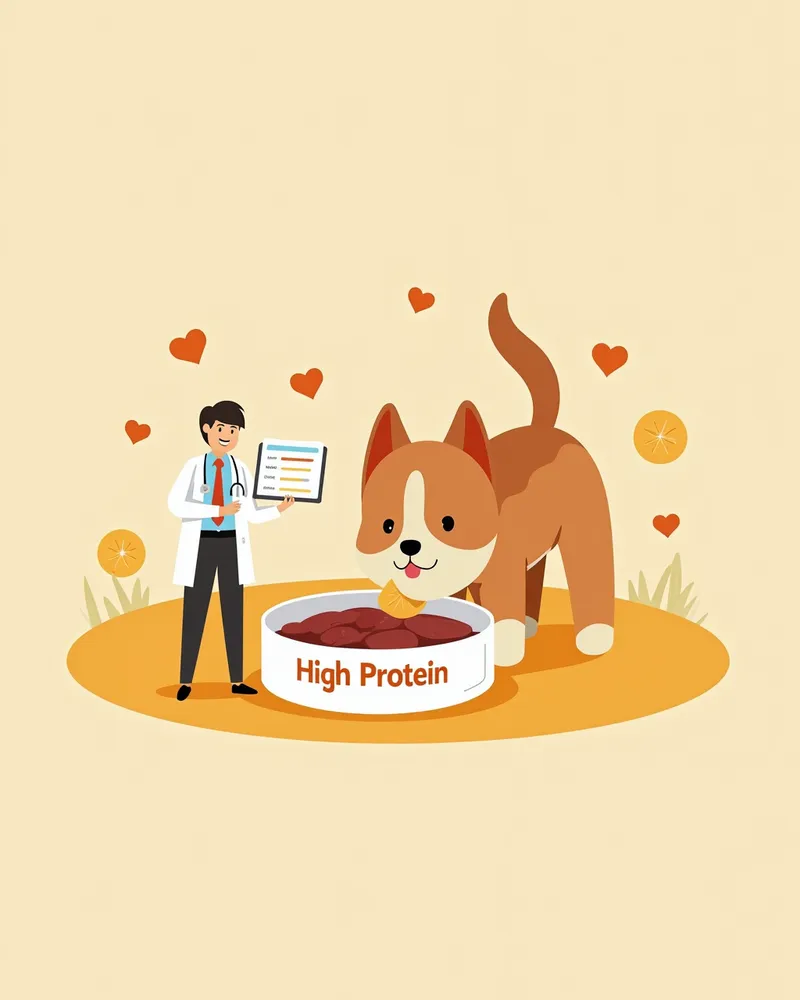
A veterinarian reviewing the nutritional data on a high-protein pet food label.

Check for the Main Signs of Nutritional Imbalance

Check for the main signs of nutritional imbalance in dogs. - Weight loss: Be cautious if your dog loses weight rapidly despite eating normally. - Hair loss and skin issues: Dry skin, rashes, and itching may be early signs of nutrient deficiency. - Decreased activity: If your dog seems lethargic or uninterested in play, it’s time to assess their nutritional status. - Constipation or diarrhea: An unstable gut environment can lead to digestive problems. - Loss of appetite: Persistent reduced appetite may signal nutrient deficiency. Immediate consultation with a veterinarian is recommended.
A puppy with darkened fur and a rash on its skin

Symptoms Requiring Immediate Veterinary Care

If your pet experiences sudden weight loss, persistent vomiting or diarrhea, loss of appetite, or decreased consciousness, immediate veterinary care is necessary. These symptoms indicate severe malnutrition, and early treatment can be life-saving.

Nutritional Assessment and Testing Are Essential for Accurate Diagnosis
To accurately diagnose your dog’s nutritional needs and select the right diet, a comprehensive nutritional assessment and testing are essential. - Nutritional Assessment: We holistically evaluate factors such as body weight, coat condition, stool consistency, and activity level. - Blood Tests: A complete blood count (CBC) checks for anemia, while levels of nutrients like cobalamin (vitamin B12) and folate are also measured. - Dietary Record Analysis: Keep a record of your dog’s meals over the past one to two weeks to share with your veterinarian. - Rule Out Underlying Diseases: Since symptoms may stem from conditions other than nutritional deficiencies, differential diagnosis is crucial. - Customized Plan Development: Based on the test results, your veterinarian will recommend specific dietary adjustments. Changing your dog’s diet without an accurate diagnosis can potentially cause harm.
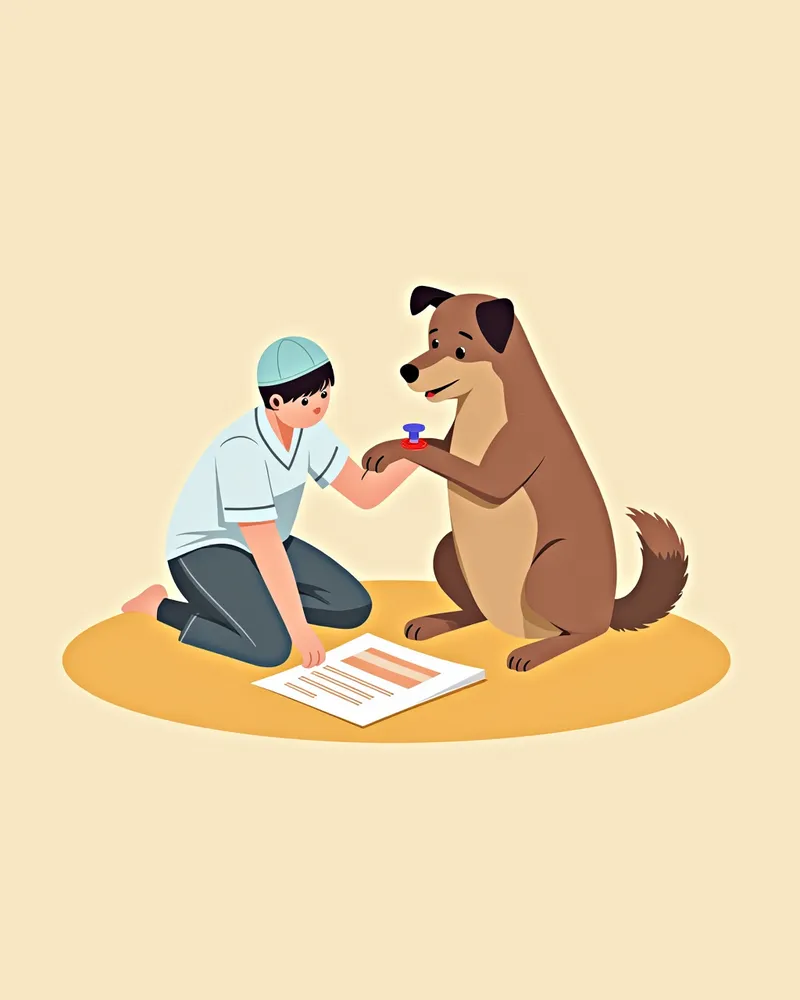
A veterinarian drawing blood from a puppy.

Treatment Involves a Customized Diet Plan and Supplements
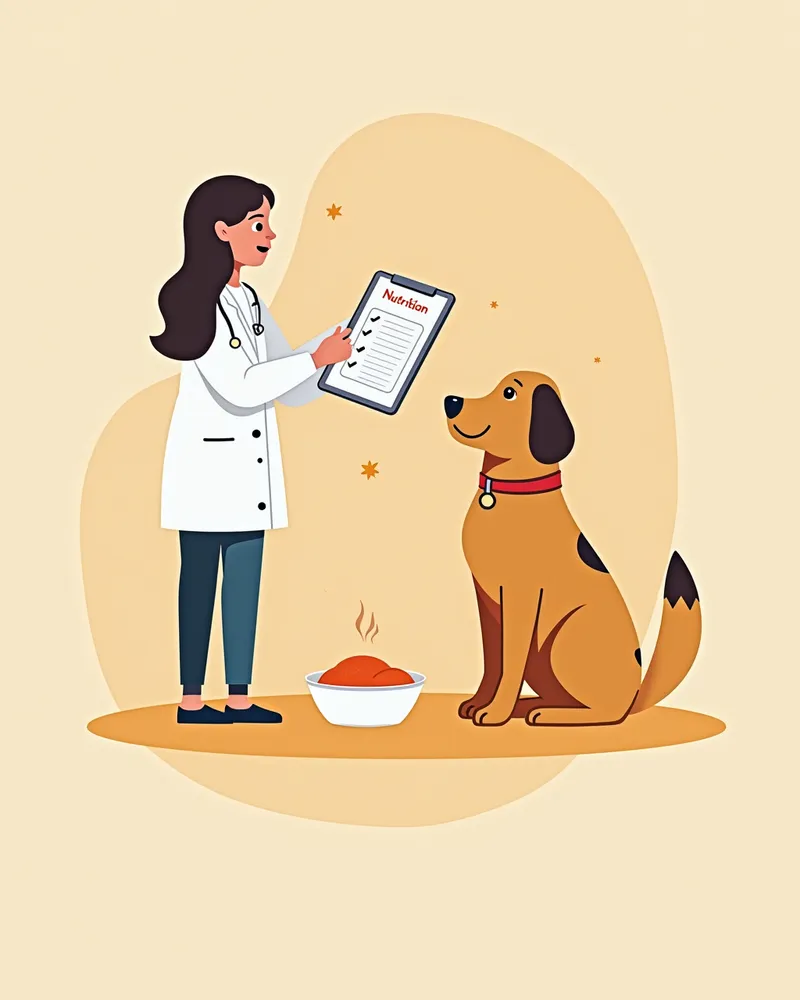
Treatment involves a customized diet plan and supplements. - Dietary adjustments: Your veterinarian will adjust the balance of protein, fat, and calcium based on your dog’s weight, age, and activity level. For puppies or dogs with underlying health conditions, excessive calcium can harm skeletal development, so maintaining the proper calcium-to-phosphorus ratio is crucial. - Supplement use: Vitamins, omega-3 fatty acids, and probiotics may be added as needed. However, supplements should only be used under veterinary guidance, as excessive intake can pose toxicity risks. - Diet transition process: Abruptly changing food can strain the digestive system. Instead, gradually increase the proportion of the new food over several days. Monitor stool quality and weight changes during this period. - Monitoring response: For several weeks after changing the diet, consistently record your dog’s weight, energy levels, and stool condition. If no improvement is observed, consult your veterinarian. - Regular re-evaluation: Regularly check in with your veterinarian to assess the effectiveness of the diet. Ongoing monitoring is key to successful treatment.
A veterinarian explaining a customized nutrition plan to a dog owner.

Consistent Feeding and Monitoring Are Key to Home Care

Effective home care hinges on consistent feeding routines and close monitoring. - Establish a consistent feeding schedule: Maintain regular meal times, typically two to three times per day. - Control portion sizes: Adhere to recommended serving amounts to prevent overeating or underfeeding. - Track changes: Record weekly updates on weight, activity levels, and stool condition. - Share records with your veterinarian: Regularly review these logs with your vet to discuss potential dietary adjustments. - Consider environmental factors: Be aware that stress and climate changes can also impact appetite. - Maintain ongoing attention: Nutritional management is a long-term commitment, not a short-term fix.
A dog owner writing a nutrition management journal.

Certain Breeds May Be More Vulnerable to Nutritional Deficiencies

Certain breeds require more careful nutritional management. For example, large-breed dogs are prone to orthopedic issues if they consume excessive calcium, which can negatively impact skeletal maturation, so it’s best to support their slow, balanced growth. Additionally, small-breed dogs with long coats may have higher protein requirements for hair growth compared to short-haired large breeds. It’s important to work with your veterinarian to develop a diet plan tailored to your dog’s specific breed characteristics.

Reviewed by a veterinarian

Dr. Tony — Punnawat Phongkittirak

Dr. Tony — Punnawat Phongkittirak

Veterinarian

A veterinarian who majored in veterinary medicine at Khon Kaen University, Thailand, and completed the IVSA program at North Carolina State University in the United States. Drawing on clinical experience at animal hospitals, he works in the pet healthcare field and is dedicated to building a digital care environment that connects pet parents with veterinarians.

Frequently Asked Questions

Is it okay to make homemade dog food at home?
We don’t recommend making homemade dog food because it’s difficult to ensure proper nutritional balance. It’s safer to choose a commercially formulated pet food or consult with a veterinarian before making any dietary adjustments. This is especially important for growing puppies, as an excess or deficiency of certain nutrients can lead to long-term health issues.
What should I keep in mind when transitioning my pet’s diet?
It is best to transition your pet’s diet gradually over several days, slowly increasing the proportion of the new food while mixing it with the old. Monitor stool consistency, weight changes, and activity levels, and if any signs of discomfort appear, stop the transition immediately and consult your veterinarian.
What should I do if my dog refuses to eat?
Refusal to eat can stem from stress, illness, or changes in the taste of the food. The first step is to consult with your veterinarian and ensure your pet’s environment is calm and stable. Establishing a consistent feeding schedule and trying different feeding conditions may also help encourage eating.
When is the best time to start giving supplements?
Supplements should only be used when a veterinarian determines they are necessary. Excessive intake can be harmful, so never administer them on your own. In particular, an overdose of calcium or certain vitamins and minerals can cause toxic reactions.
What is the most important factor when choosing a diet?
When choosing a diet, the most important factor is a balanced combination of nutrients tailored to your dog’s age, weight, activity level, and health status. Consulting with a veterinarian is the safest approach. Puppies in their growth phase, in particular, require careful attention to the calcium-to-phosphorus ratio, and nutritional needs vary depending on breed characteristics.

Share

Related Guides

References

[1] Applied Veterinary Clinical Nutrition, 2nd Ed. (2023). Chapter 3: Nutritional Assessment and Dietary Planning.

[2] Nutrient Requirements of Dogs and Cats. National Research Council (2006). National Academies Press.

[3] Clinical Medicine of the Dog and Cat, 4th Ed. (2020). Section V: Elements of Therapy and Nutritional Support.

This information is based on veterinary literature and does not replace diagnosis or treatment. Please consult a veterinarian for specific health concerns.

Metapet Co., Ltd. | CEO: Park Sung-yong | Business Reg. No. 417-88-02562 | Seoul, South Korea | Customer Center

Puppy Nutrition & Diet Selection: Symptoms, Causes & Care | Meongsiljang