Like
Share
멍실장
고양이 급성 신부전 원인·응급 처치 증상과 원인, 진단·치료와 관리 포인트 총정리

If Your Cat Suddenly Stops Urinating — Emergency Signs of Acute Kidney Failure and Treatment Timing

KidneyDiseasesMeongsiljang Veterinary Advisory Board

Acute kidney failure in cats is a critical condition characterized by a sudden decline in kidney function. Early recognition and immediate veterinary care are essential for survival.

Acute Kidney Failure in Cats Is a Critical Condition Characterized by a Sudden Decline in Kidney Function

The anatomical structure of a cat's kidneys
Acute kidney failure in cats occurs when the kidneys are suddenly damaged and can no longer remove waste products from the body, potentially becoming life-threatening within hours. It can be caused by severe dehydration, ingestion of toxic substances, or reduced blood flow. Early detection and immediate veterinary care are critical for survival. Pet owners should closely monitor their cat’s appetite, water intake, and elimination patterns. If you notice a decrease in urine output or persistent vomiting, seek veterinary attention right away. The earlier kidney dysfunction is detected, the higher the chances of successful treatment.

Main Causes Include Ingestion of Toxic Substances, Dehydration, and Reduced Blood Flow

One of the most critical causes of acute kidney failure in cats is the ingestion of toxic substances. In particular, plants from the lily family (Lilium and Hemerocallis) are deadly to cats, as every part of the plant—including leaves, petals, and pollen—can cause severe kidney damage. Other toxins that can trigger acute kidney injury include ethylene glycol (antifreeze), grapes and raisins, nephrotoxic medications such as non-steroidal anti-inflammatory drugs (NSAIDs), and heavy metals. Additionally, conditions like dehydration, low blood pressure, heart failure, or bleeding can reduce blood flow to the kidneys, depriving them of the oxygen and nutrients they need and leading to damage. To pinpoint the exact cause, your veterinarian will carefully review your cat’s medical history alongside diagnostic test results. Identifying the underlying cause early is essential for effective treatment.
A cat approaching a toxic plant

Main Symptoms Include Vomiting, Dehydration, Lethargy, and Decreased Urination
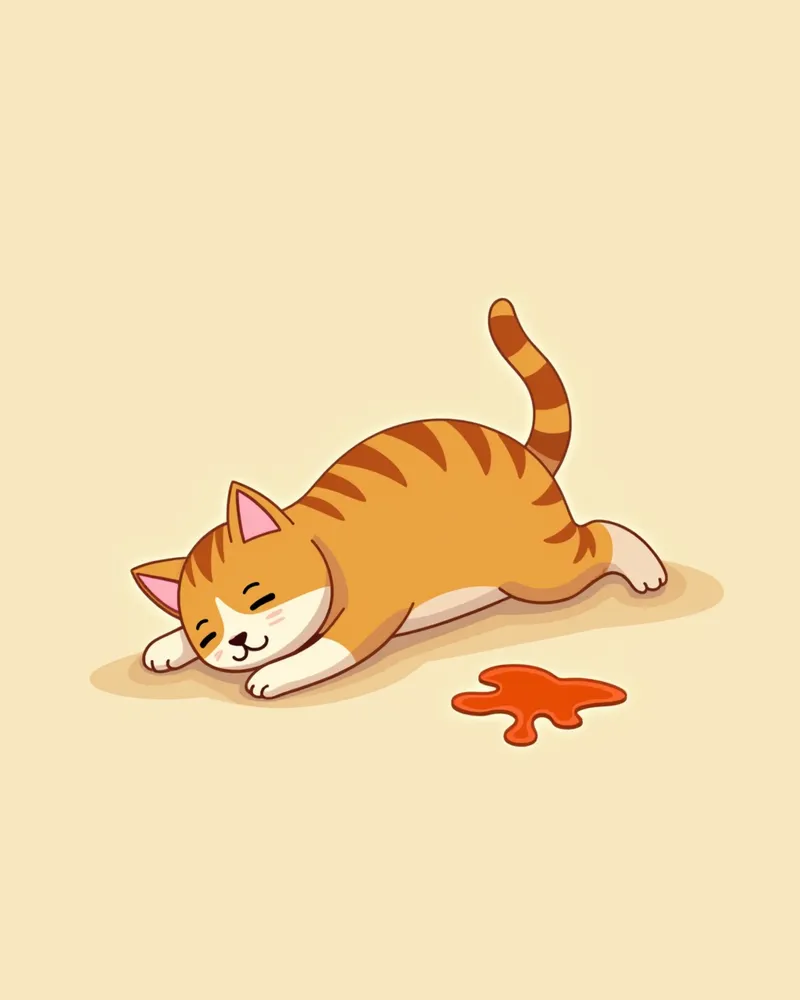
The early signs of acute kidney failure in cats include vomiting, loss of appetite, lethargy, and excessive drooling. These symptoms occur because the kidneys can no longer effectively remove waste products, leading to a buildup of toxins in the body. In the initial stages, urine output may actually increase, accompanied by excessive thirst and urination (polyuria and polydipsia). As the condition progresses, urine production may decrease significantly or stop altogether (oliguria or anuria). If symptoms worsen, dehydration, decreased consciousness, and even seizures can occur. Immediate veterinary care is essential if your cat produces very little urine or experiences persistent, severe vomiting. Early recognition greatly impacts survival rates, so pet owners should carefully monitor any changes in their cat’s behavior.
A cat lying in a shock-like state after vomiting

Emergency Signs Requiring Immediate Veterinary Care

If your cat stops urinating entirely, or experiences severe vomiting and lethargy lasting more than six hours, seek veterinary care immediately. These symptoms indicate that kidney function has nearly ceased, and survival rates drop sharply the longer treatment is delayed. Pet owners should be vigilant not to miss these warning signs.

Diagnosis Is Accurately Confirmed Through Blood and Urine Tests
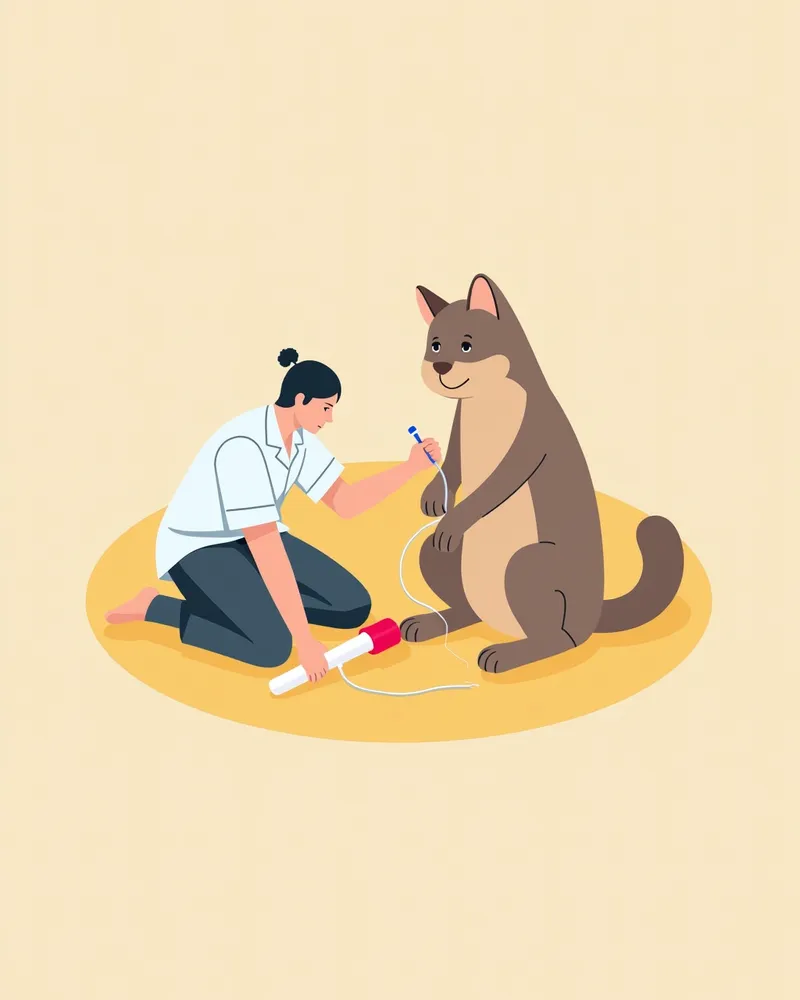
Acute kidney failure in cats is often confirmed by elevated creatinine and BUN levels on blood tests. However, these values may remain within the normal range until kidney function has significantly declined, so normal results don’t necessarily mean everything is fine. Urinalysis may show poor urine concentration with a specific gravity below 1.035 or the presence of protein, and a urine culture can be performed if needed to check for infection. Ultrasound helps assess kidney size and structure, and a biopsy may be done if necessary to identify the underlying cause. Accurate diagnosis is the first step toward effective treatment, and early detection improves the chances of a successful outcome. Bringing a detailed record of your cat’s medical history and symptoms to the vet visit can greatly aid the diagnostic process.
A veterinarian drawing blood from a cat.

Treatment Focuses on Fluid Therapy, Toxin Removal, and Supporting Functional Recovery
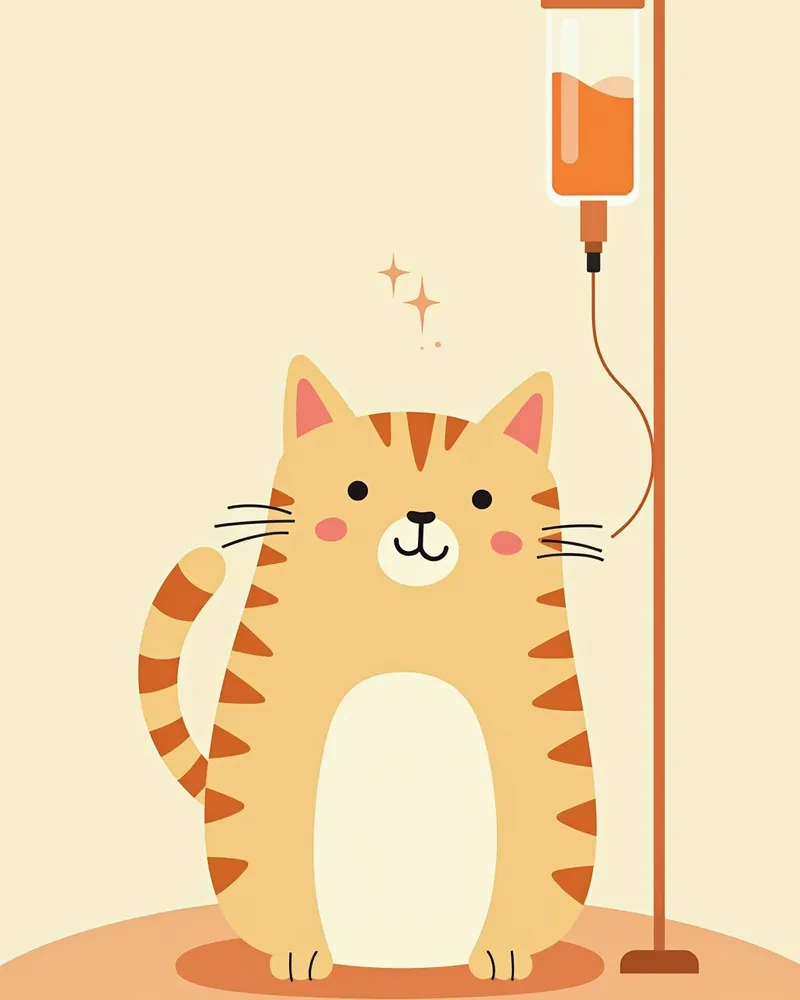
The cornerstone of treating acute kidney failure is fluid therapy and restoring blood flow to the kidneys. - Fluid Therapy: Isotonic fluids are administered intravenously or subcutaneously to correct dehydration and restore renal blood flow and glomerular filtration rate (GFR). - Discontinuation of Nephrotoxic Agents: Any medications that may harm the kidneys are stopped immediately, and specific treatment is initiated once the underlying cause is identified. - Toxin Removal: If poisoning is the cause, administration of an antidote or hemodialysis may be necessary. - Electrolyte Management: Electrolyte imbalances, particularly life-threatening hyperkalemia, as well as potassium and sodium levels, must be corrected promptly. - Supporting Functional Recovery: Supportive care is provided to alleviate loss of appetite and maintain nutritional status. The duration of treatment varies significantly depending on the extent of damage and the patient’s condition, but early intervention and continuous monitoring by a veterinarian greatly improve survival rates.
A cat receiving intravenous fluid therapy.

Home Care Prioritizes Hydration, Dietary Management, and Regular Check-ups
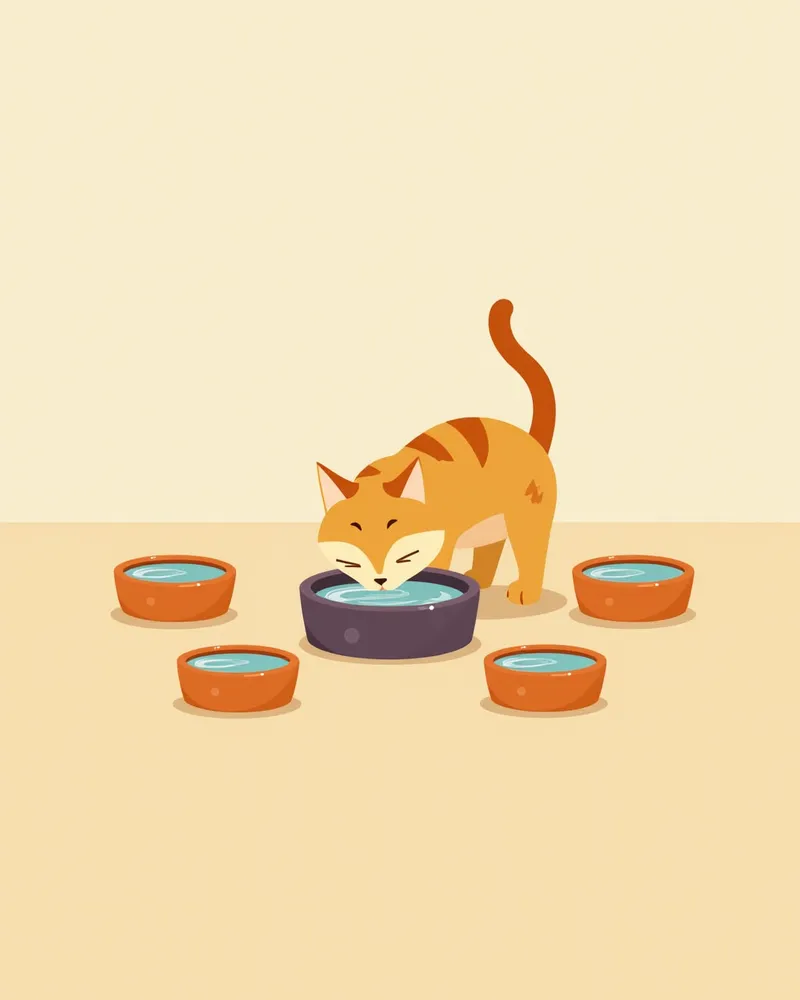
During the recovery period after treatment, it’s important to encourage adequate hydration. Placing multiple water bowls around the home or installing a flowing water fountain can help. We recommend a diet that is low in protein, phosphorus, and salt, as this helps reduce the burden on the kidneys and prevents recurrence. Regular blood and urine tests are essential to monitor kidney function and catch any early signs of relapse. Your consistent care is key to maintaining your pet’s long-term health.
A cat drinking water from a stream-style water dispenser

Certain Breeds Are More Susceptible to Acute Kidney Failure

The risk of acute kidney failure is influenced more by exposure factors than by breed or genetics. The most common cause of acute kidney injury in cats is urethral obstruction, which occurs more frequently in male cats due to their longer and narrower urethra. Additionally, cats are particularly vulnerable to ethylene glycol and lily poisoning. For cats at higher risk of such exposures, it is important to detect abnormalities early through regular kidney function tests.

Reviewed by a veterinarian

Dr. Tony — Punnawat Phongkittirak

Dr. Tony — Punnawat Phongkittirak

Veterinarian

A veterinarian who majored in veterinary medicine at Khon Kaen University, Thailand, and completed the IVSA program at North Carolina State University in the United States. Drawing on clinical experience at animal hospitals, he works in the pet healthcare field and is dedicated to building a digital care environment that connects pet parents with veterinarians.

Frequently Asked Questions

If a cat suddenly loses its appetite, could it be acute kidney failure?
Loss of appetite can be an early sign of acute kidney failure. If it occurs alongside vomiting, lethargy, or changes in urine output, immediate veterinary attention is necessary.
What is the likelihood of recovery after treatment for acute kidney failure?
While some cats make a full recovery when diagnosed early and treated appropriately, others may progress to chronic kidney disease or fail to recover. Since prognosis worsens the longer treatment is delayed, prompt veterinary care is essential.
How can I check my cat’s kidney function at home?
Regular blood and urine tests can help monitor kidney function. It’s important for pet owners to carefully track their cat’s appetite, water intake, and bowel and urinary habits.
Can acute kidney failure recur?
Yes, there is a possibility of recurrence. In particular, the risk of recurrence is high if the underlying cause is not addressed or if there are pre-existing conditions. Regular check-ups and proper management are essential.
Is hemodialysis necessary for treating acute kidney failure?
Hemodialysis may be necessary if your pet has ingested a toxic substance or has severe kidney damage. Your veterinarian will determine the best course of action based on the specific situation.

Share

Related Guides

References

[1] Notes on Canine Internal Medicine, 4th Ed, 2023

[2] Urinalysis in the Dog and Cat, 2022

[3] Clinical Medicine of the Dog and Cat, 4th Ed, 2021

This information is based on veterinary literature and does not replace diagnosis or treatment. Please consult a veterinarian for specific health concerns.

Metapet Co., Ltd. | CEO: Park Sung-yong | Business Reg. No. 417-88-02562 | Seoul, South Korea | Customer Center

Cat Not Urinating? Acute Kidney Failure Signs & Timing | Meongsiljang