
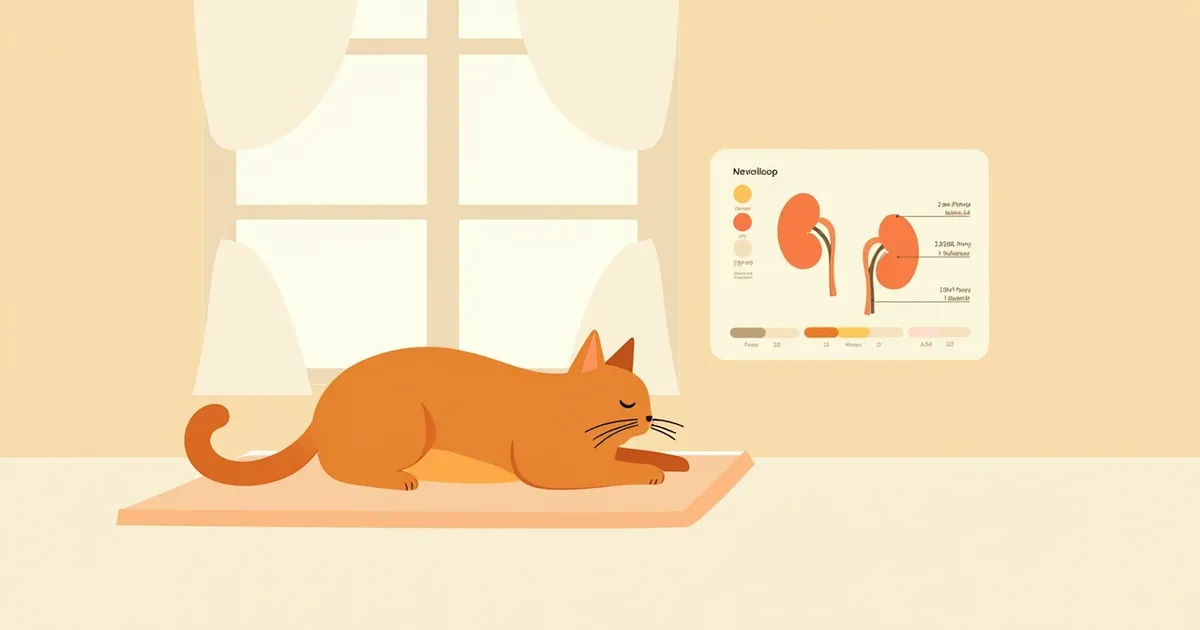
Cat ACE Inhibitors and ARBs: Kidney Protection Effects and Timing for Initiation – A Complete Guide
ACE inhibitors and ARBs are key medications for protecting kidney function in cats with chronic kidney disease. Accurate diagnosis and proper management are essential.
What Is Kidney Protection with ACE Inhibitors and ARBs in Cats?
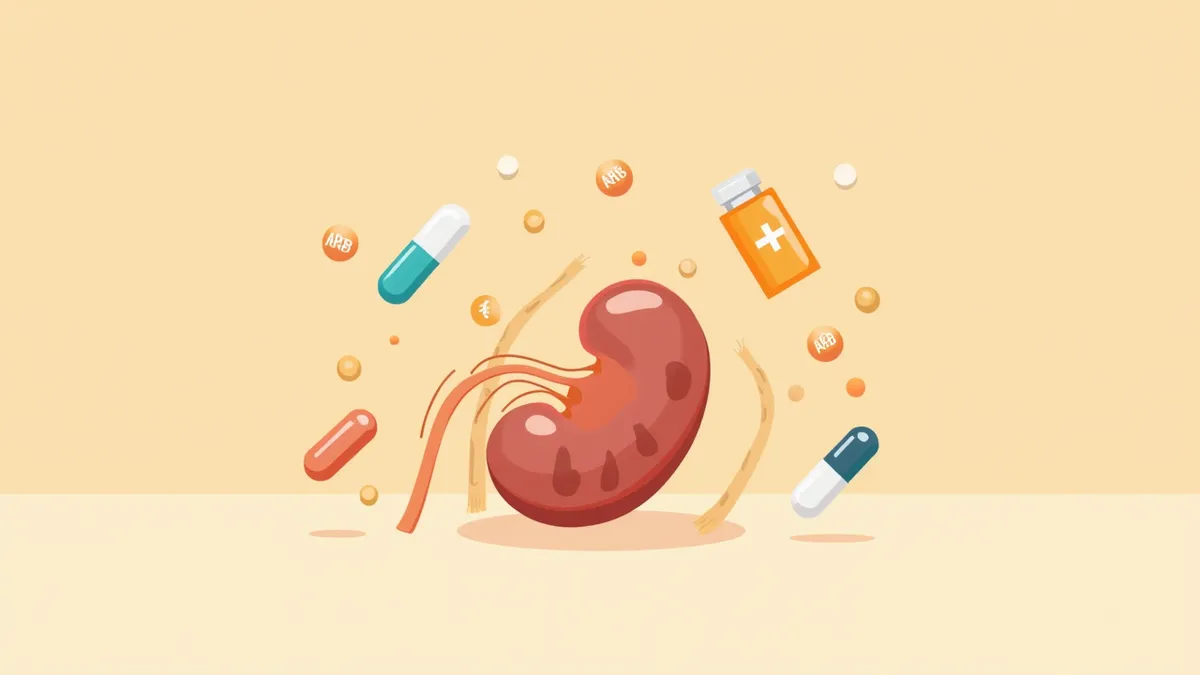
Mechanism of Action of ACE Inhibitors and ARBs
Main Signs and Causes
Signs Requiring Immediate Veterinary Visit
If your cat experiences severe vomiting, lethargy, difficulty breathing, a sudden drop in blood pressure, or severe dehydration, you should take them to the vet immediately. These symptoms may indicate a drug side effect or a sudden worsening of kidney function. Hyperkalemia, in particular, can cause heart rhythm disturbances, so it requires close attention.
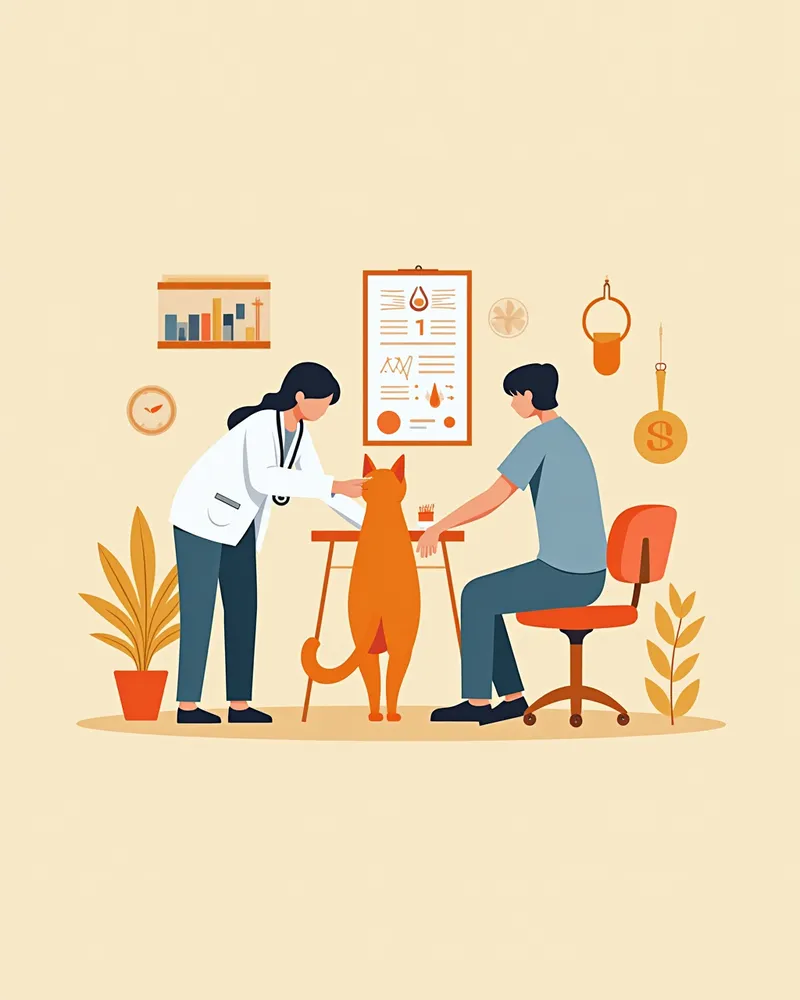
Accurate Diagnostic Methods
Stage-by-Stage Treatment Management
Home Care Points
Breed-Specific Precautions and Prevention of Recurrence
Certain breeds are more prone to kidney disease. Persian cats, in particular, have a strong genetic link to polycystic kidney disease (PKD), which may not show symptoms in kittens but can lead to enlarged kidneys and chronic kidney disease as they mature. Abyssinian and Siamese cats are associated with renal amyloidosis. For these breeds, regular kidney screenings are especially important. Even during treatment, ongoing monitoring and management are essential, along with consistent adherence to dietary adjustments and prescribed medications.
Reviewed by a veterinarian

Dr. Tony — Punnawat Phongkittirak
VeterinarianA veterinarian who majored in veterinary medicine at Khon Kaen University, Thailand, and completed the IVSA program at North Carolina State University in the United States. Drawing on clinical experience at animal hospitals, he works in the pet healthcare field and is dedicated to building a digital care environment that connects pet parents with veterinarians.
Reviewed 2026-06-05
Frequently Asked Questions
What is the difference between ACE inhibitors and ARBs?
My pet vomited after taking the medication. What should I do?
My cat hates taking medication. What should I do?
How often should I have regular check-ups while my pet is on medication?
How should I change my pet’s diet while they’re taking an ACE inhibitor?
Share
Related Guides
Top 5 Prescription Diets for Cats with Chronic Kidney Disease — Stage-Specific Protein Adjustment
7 Emergency Signs and Causes of Acute Kidney Failure in Dogs You Must Not Miss
Top 5 Cat Kidney Supplements Recommended for 2026
Hematuria in Dogs: Symptoms, Causes, Diagnosis, Treatment, and Care Essentials
Dog Bladder Polyps and Growths: Symptoms, Causes, Diagnosis, Treatment, and Management Essentials

Canine Bacterial Cystitis: Symptoms, Causes, Diagnosis, Treatment, and Management Essentials
Feline Urine Culture Test: Symptoms, Causes, Diagnosis, Treatment, and Management Essentials
Feline Ureteral Stones: A Complete Guide to Symptoms, Causes, Diagnosis, Treatment, and Management
Feline Ureteral Bypass Surgery (SUB): Symptoms, Causes, Diagnosis, Treatment, and Care Points Summary

Feline Pollakiuria and Stranguria: Symptoms, Causes, Diagnosis, Treatment, and Management Essentials
References
[1] Langston, C.E. et al. (2023) Small Animal Critical Care Medicine, 3rd Edition. Elsevier.
[2] The Cat, Clinical Medicine and Management, 2nd Edition (2022). Elsevier.
[3] Veterinary Workbook of Small Animal Clinical Cases (2021). Wiley-Blackwell.