Like
Share
멍실장
고양이 급성 신부전(AKI) 증상과 원인, 진단·치료와 관리 포인트 총정리

If Your Cat Suddenly Loses Energy — Acute Kidney Injury (AKI) Symptoms and Treatment Timing

KidneyDiseasesMeongsiljang Veterinary Advisory Board

Acute kidney injury (AKI) in cats is a critical condition where kidney function declines rapidly. Early detection and immediate treatment are crucial for survival.

What Is Feline Acute Kidney Injury (AKI)?

Anatomical image of a damaged cat kidney
Feline acute kidney injury (AKI) is a critical condition in which kidney function declines rapidly over a period of hours to days. It can be triggered by ingestion of toxic substances, reduced blood flow to the kidneys (ischemia), infections, or systemic diseases, leading to damage of kidney cells and impaired filtration of waste products. - Rapid decline in kidney function: The glomerular filtration rate (GFR) drops within hours to days, causing accumulation of waste products such as creatinine and BUN. However, these values may still appear within the normal range until kidney function has deteriorated significantly, so careful monitoring is essential. - Emergency condition: Early detection and immediate treatment are key factors that determine the prognosis. - Diverse causes: Various factors can contribute, including toxic substances, ischemia, infections, and systemic diseases. - Prompt action is essential: Although symptoms may be subtle, loss of appetite, vomiting, and decreased urine output are signs that require an immediate visit to the veterinary clinic. - Potential for recovery: With appropriate treatment, some cats make a full recovery, but severe damage may lead to chronic kidney disease.

Main Causes and Pathogenesis

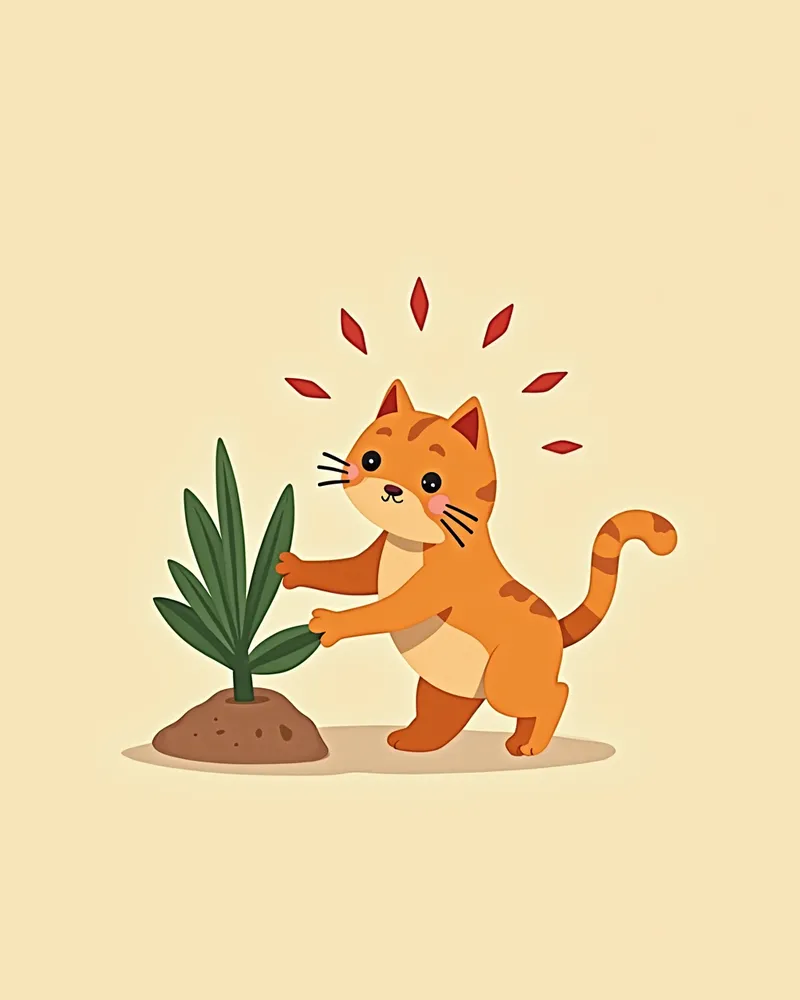
Acute kidney injury (AKI) in cats can arise from various causes, with urethral obstruction being one of the most common. Ingestion of toxic substances and infections are also frequent triggers. Specifically, lilies from the Lilium and Hemerocallis genera, as well as ethylene glycol found in antifreeze, can cause direct damage to the kidneys. - Urethral obstruction: When urine cannot be expelled, pressure builds up in the kidneys, leading to a rapid decline in function. - Exposure to toxic substances: Keep lilies, ethylene glycol, and certain medications strictly out of your cat’s reach. - Infections: Conditions such as bacterial pyelonephritis and feline infectious peritonitis (FIP) can damage the kidneys. - Ischemia (reduced blood flow): Dehydration or shock can reduce blood flow to the kidneys, depriving cells of oxygen and causing damage. - Importance of early intervention: Quickly identifying and addressing the underlying cause is key to recovery.
A scene showing a cat stepping on a toxic plant.

Main Symptoms and Signs

The early signs of acute kidney injury (AKI) in cats can be very subtle and non-specific. However, as the condition worsens, clear signals emerge. These behaviors indicate the need for an immediate veterinary visit.
Loss of appetite: Sudden refusal to eat or a noticeable decrease in appetite.
Vomiting and nausea: Recurrent vomiting, drooling, and nausea.
Signs of dehydration: Dry mouth and reduced skin elasticity.
Decreased or absent urination: Very little urine output (oliguria) or no urine output at all (anuria).
Lethargy: Persistent weakness and dullness throughout the day.
Uremic breath odor: An ammonia-like smell may emanate from the mouth.
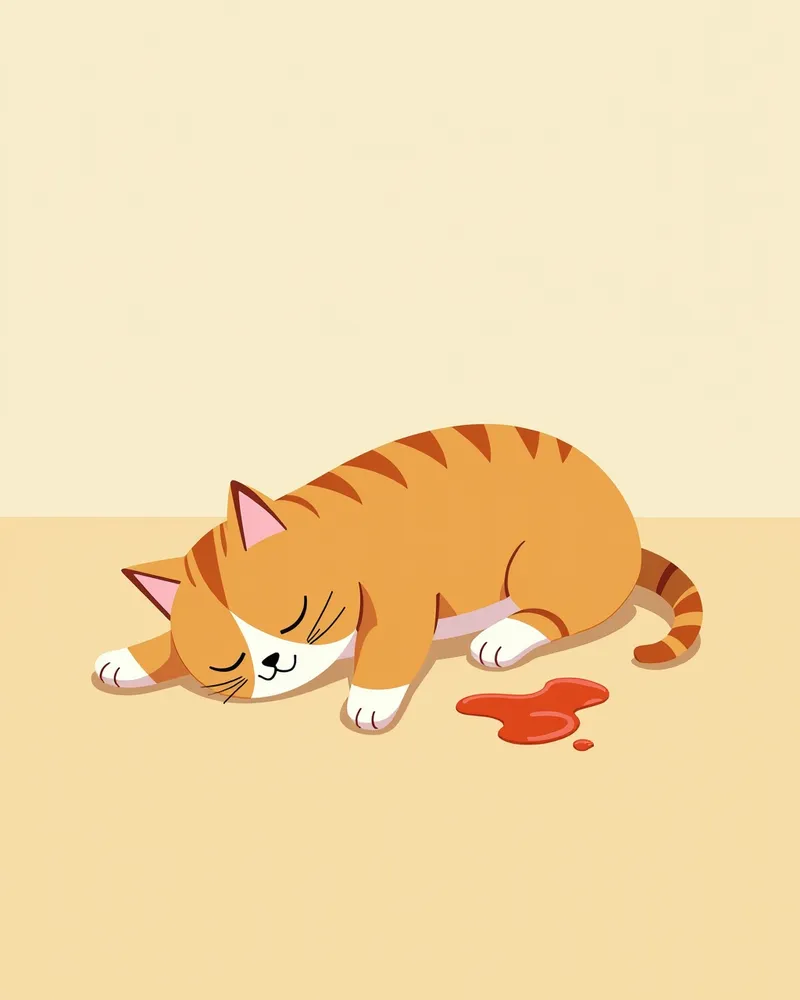
A cat suffering from dehydration and lethargy

Emergency Signs Requiring Immediate Veterinary Visit

If your cat has completely lost its appetite, hasn’t urinated for more than a day, or is repeatedly vomiting, you should take it to the vet immediately. These are signs of acute kidney failure, and timely treatment is crucial.

Diagnostic Methods and Testing Procedures
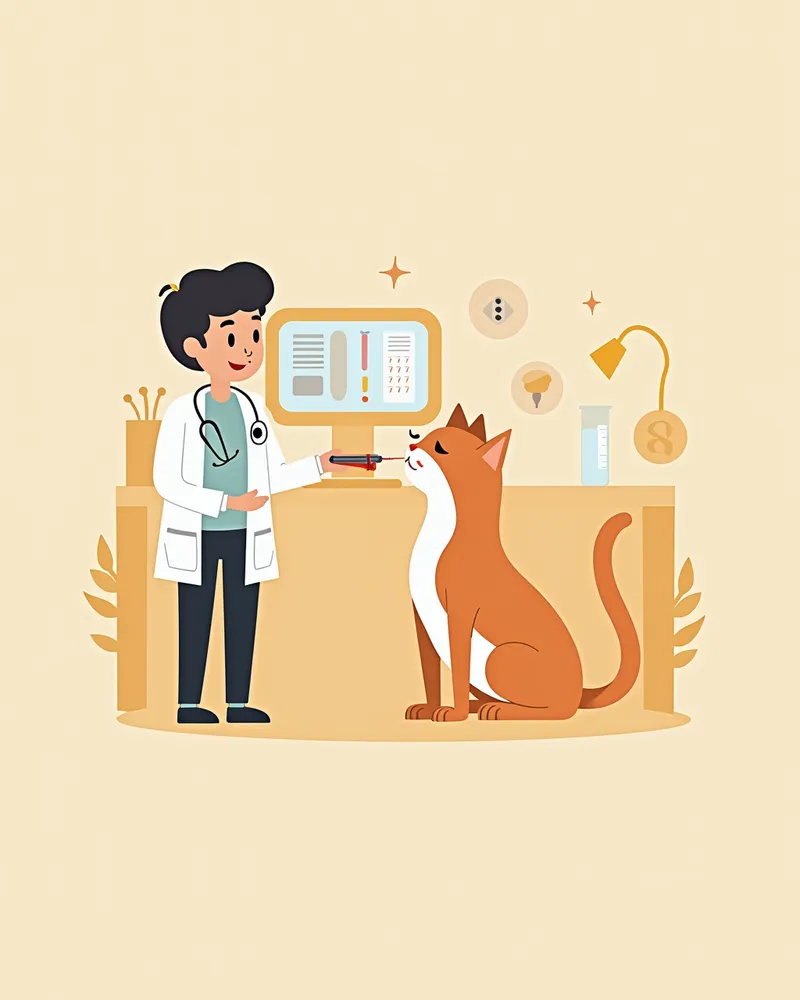
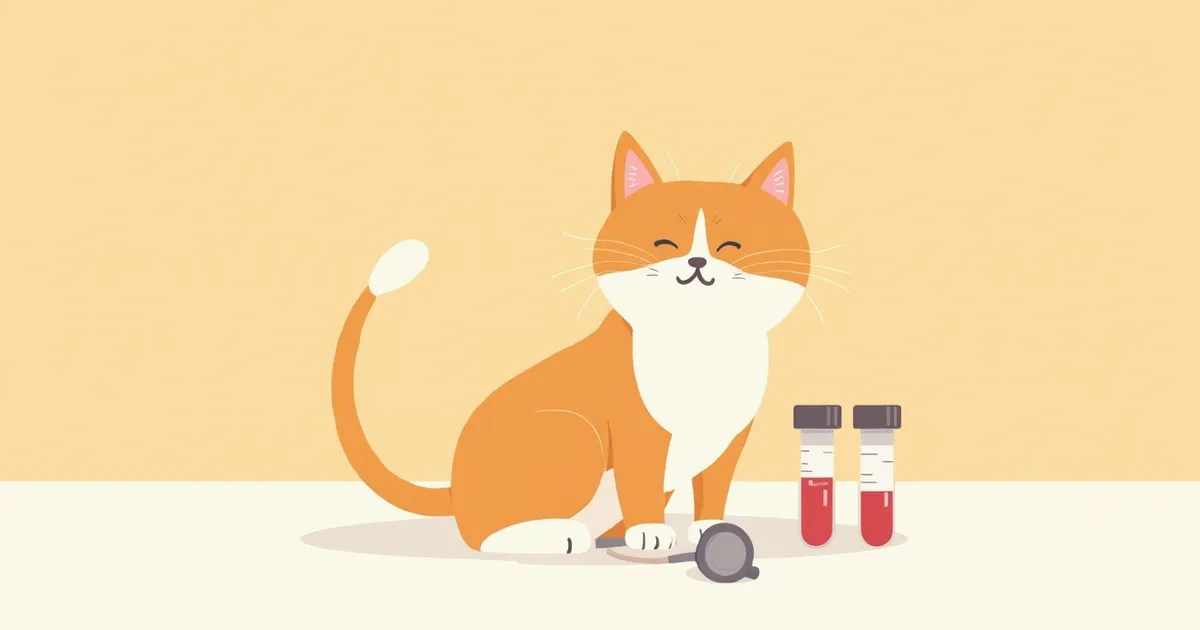
Feline acute kidney injury (AKI) is diagnosed by combining blood and urine test results. - Blood tests: Check creatinine, BUN, and potassium levels. However, these values may appear within the normal range until kidney function has significantly declined, so caution is necessary. - Urine tests: A urine specific gravity (USG) below 1.035, or the presence of protein, blood, or white blood cells, indicates abnormalities. Bacterial culture and antibiotic susceptibility testing are also recommended. - Ultrasound examination: Evaluate kidney size and structure to determine the extent of damage. - Urine output monitoring: In severe cases, monitor urine output hourly to assess kidney function. - Importance of early diagnosis: Even with subtle symptoms, early detection through testing significantly improves treatment outcomes. - Need for regular monitoring: Kidney function must be continuously monitored even after recovery.
A veterinarian drawing blood from a cat.

Treatment Methods and Step-by-Step Management
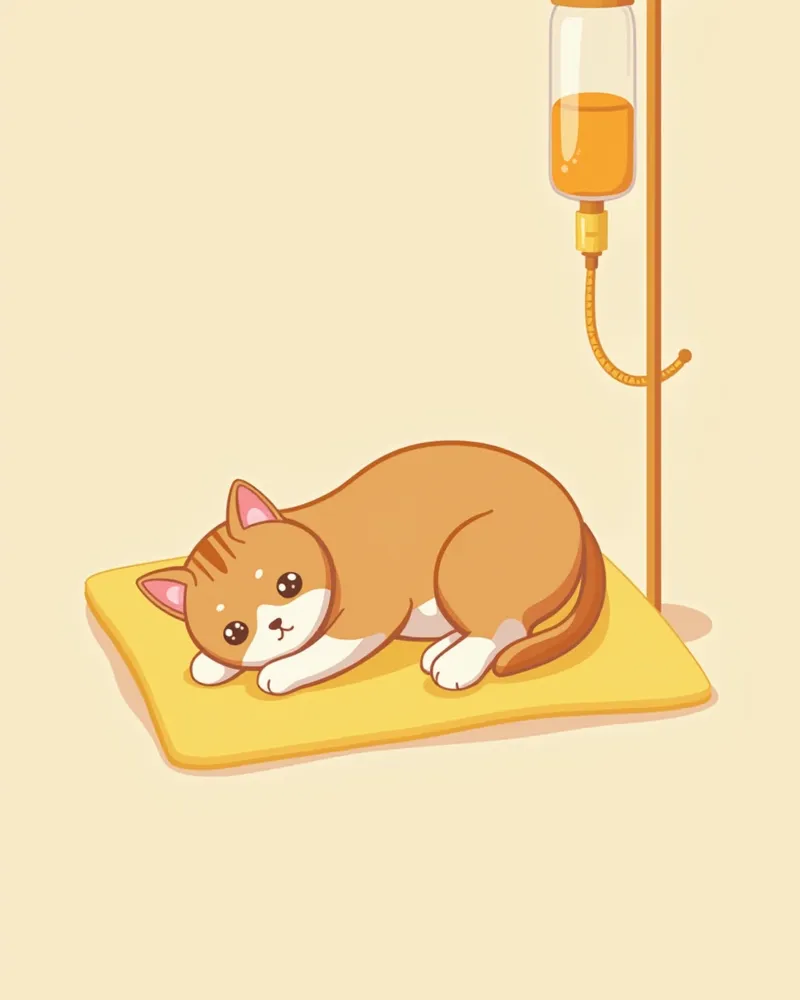
Treating acute kidney injury (AKI) in cats focuses primarily on removing the underlying cause and restoring blood flow to the kidneys. Treatment should begin as soon as possible, and any medications that could harm the kidneys must be stopped immediately. - Fluid therapy: Intravenous fluids correct dehydration and help restore blood flow to the kidneys and electrolyte balance. - Cause-specific treatment: For ethylene glycol poisoning, antidotes such as fomepizole are used; for urethral obstruction, the blockage is relieved. - Nutritional support: Because AKI is a highly catabolic condition, early nutritional support aids recovery. - Dialysis: In severe cases, kidney function may be temporarily replaced through continuous renal replacement therapy (CRRT), intermittent hemodialysis, or peritoneal dialysis. - Treatment duration: Recovery can take anywhere from several days to several weeks, depending on the individual case. - Ongoing care: Regular check-ups and continued management remain essential even after initial treatment.
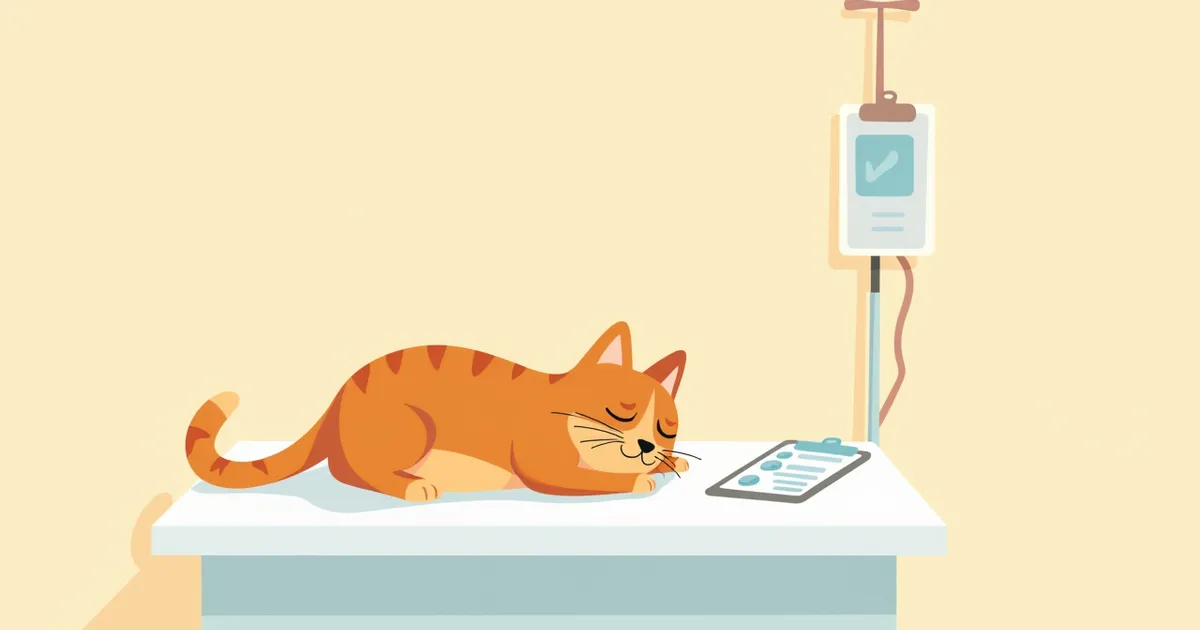
A cat receiving intravenous injections during treatment

Home Care and Recovery Points

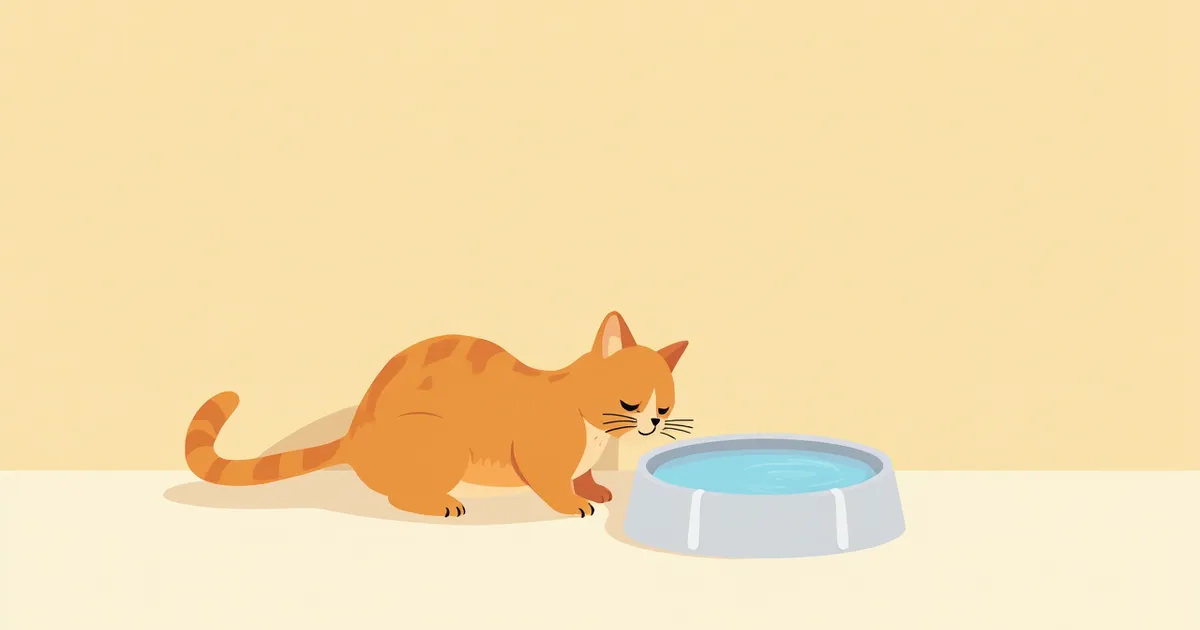
Even after treatment, care at home plays a decisive role in recovery. - Encourage water intake: Offer water frequently or use foods with high moisture content. - Diet management: Because acute kidney injury (AKI) is a condition with high metabolic demands, adequate nutrition is essential. Consult your veterinarian to determine the most appropriate diet. - Medication administration: Administer medications exactly as directed by your veterinarian and do not stop them without professional advice. - Activity restriction: Reduce physical activity during recovery and minimize stress. - Regular check-ups: Attend scheduled examinations to monitor kidney function as advised by your veterinarian. - Preventing recurrence: It is important to prevent access to toxic substances and maintain healthy lifestyle habits.
A cat drinking water

Preventing Recurrence and Breed-Specific Precautions

Acute kidney injury (AKI) in cats can progress to chronic kidney disease or recur if the damage is severe. Keep lilies, ethylene glycol (antifreeze), medications, and certain foods out of your cat’s reach. Never administer nephrotoxic drugs without consulting your veterinarian, and help catch problems early with regular health check-ups.

Reviewed by a veterinarian

Dr. Tony — Punnawat Phongkittirak

Dr. Tony — Punnawat Phongkittirak

Veterinarian

A veterinarian who majored in veterinary medicine at Khon Kaen University, Thailand, and completed the IVSA program at North Carolina State University in the United States. Drawing on clinical experience at animal hospitals, he works in the pet healthcare field and is dedicated to building a digital care environment that connects pet parents with veterinarians.

Frequently Asked Questions

Can acute kidney injury (AKI) in cats be cured?
If the underlying cause is removed and treatment begins early, full recovery is possible. However, if kidney damage is severe, it may progress to chronic kidney disease.
Is not urinating a symptom of acute kidney failure?
Yes, the complete absence of urine (anuria) or a significantly reduced amount (oliguria) is a sign of severely impaired kidney function. Immediate veterinary care is required.
What effects can toxic plants have on cats?
Lilies from the Lilium and Hemerocallis genera can cause acute kidney failure in cats if any part of the plant—leaves, petals, or pollen—is ingested. Ethylene glycol, the main ingredient in antifreeze, is also extremely dangerous to cats.
Can my cat regain its health after treatment?
With early treatment, many pets make a full recovery, but it takes time for kidney function to return to normal. Regular check-ups and ongoing care are essential.
What are the ways to prevent it?
Prevention hinges on keeping toxic substances out of reach, ensuring adequate hydration, scheduling regular health check-ups, and minimizing stress.

Share

Related Guides

References

[1] Notes on Canine Internal Medicine, 4th Ed, 2023

[2] Urinalysis in the Dog and Cat, 2022

[3] Clinical Medicine of the Dog and Cat, 4th Ed, 2021

This information is based on veterinary literature and does not replace diagnosis or treatment. Please consult a veterinarian for specific health concerns.

Metapet Co., Ltd. | CEO: Park Sung-yong | Business Reg. No. 417-88-02562 | Seoul, South Korea | Customer Center

Cat Suddenly Weak? Acute Kidney Injury (AKI) Signs & Timing | Meongsiljang