

Puppy Drinking Excessive Water and Losing Weight — Causes and Treatment Timing for Chronic Kidney Disease (CKD)
Chronic kidney disease (CKD) in dogs is a condition characterized by a gradual decline in kidney function, making early detection and management crucial. Since symptoms often appear subtly, careful observation by pet owners is essential.
Chronic Kidney Disease (CKD) in Dogs Is a Condition Characterized by a Gradual Decline in Kidney Function

The Main Causes of Chronic Kidney Disease Are Aging, Genetics, Infection, and Toxin Exposure

Main Symptoms Include Excessive Drinking, Increased Urination, Weight Loss, and Decreased Appetite
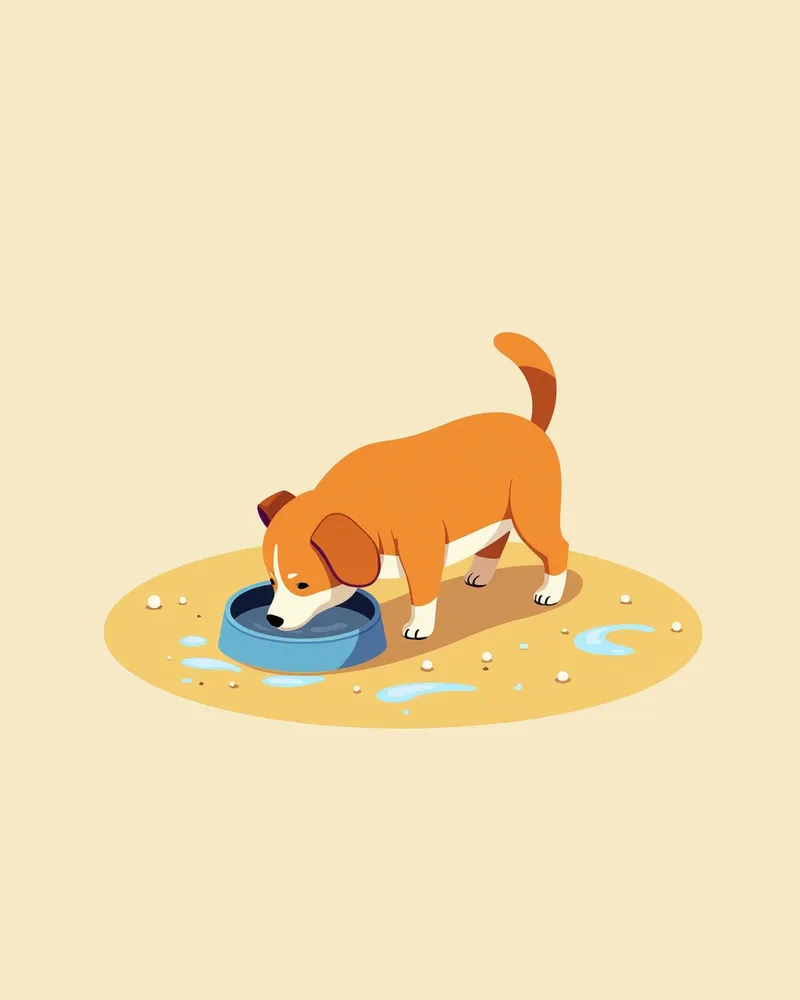
Emergency Signs Requiring Immediate Veterinary Visit
If your dog suddenly experiences severe vomiting, blood in the urine, decreased consciousness, or difficulty breathing, you should take them to the vet immediately. This may indicate that their kidney failure has worsened significantly or that complications (such as hyperkalemia or metabolic acidosis) have developed. Without early treatment, these conditions can become life-threatening.
Diagnosis Is Accurately Confirmed Through Blood Tests, Urinalysis, and Ultrasound

Treatment Is Progressively Conducted Through Dietary Management, Medication, and Fluid Therapy
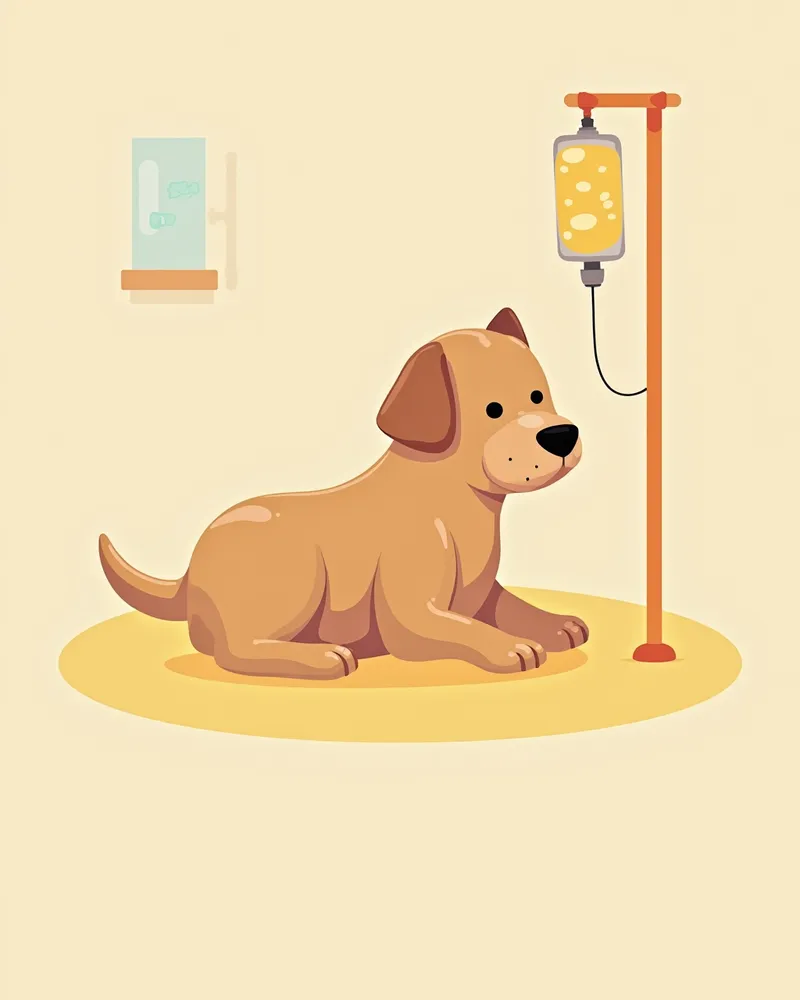
Key Aspects of Home Care Include Dietary Management, Hydration, and Regular Check-ups

Certain Breeds Are More Susceptible to Chronic Kidney Disease
Certain breeds are predisposed to familial kidney diseases, such as hereditary nephropathy or polycystic kidney disease, which can place them at a relatively higher risk for chronic kidney failure. For example, polycystic kidney disease has been reported in Cairn Terriers at a young age. For breeds with such predispositions, it is advisable to monitor kidney function through regular screenings for early detection. Early diagnosis can significantly impact treatment outcomes.
Reviewed by a veterinarian

Dr. Tony — Punnawat Phongkittirak
VeterinarianA veterinarian who majored in veterinary medicine at Khon Kaen University, Thailand, and completed the IVSA program at North Carolina State University in the United States. Drawing on clinical experience at animal hospitals, he works in the pet healthcare field and is dedicated to building a digital care environment that connects pet parents with veterinarians.
Reviewed 2026-06-05
Frequently Asked Questions
Can chronic kidney disease in dogs be cured?
Can dietary management alone be effective?
Do I need to give my pet all the medications prescribed by the veterinarian?
What signs should you watch for at home?
Can senior dogs still receive treatment?
Comparison of Symptoms and Management Strategies by Stage of Chronic Kidney Disease
| Item | Main Symptoms | Main Management Methods | Prognosis |
|---|---|---|---|
| Mild (Stage 1) | Increased water intake, increased urination frequency | Start low-protein/low-phosphorus diet, fluid supplementation | Generally good |
| Moderate (Stages 2–3) | Reduced appetite, weight loss, vomiting | Start medication, consider fluid therapy | Long-term survival possible with proper management |
| Severe (Stage 4) | Reduced consciousness, hematuria, respiratory distress | Hospitalization, intensive medication and fluid therapy | Poor prognosis, survival time may be shortened |
Stages are classified by the veterinarian according to the International Renal Interest Society (IRIS) 4-stage (I–IV) classification.
Share
Related Guides

Top 5 Prescription Diets for Cats with Chronic Kidney Disease — Stage-Specific Protein Adjustment

7 Emergency Signs and Causes of Acute Kidney Failure in Dogs You Must Not Miss

Top 5 Cat Kidney Supplements Recommended for 2026

Cat Seasonal Parasite Prevention Strategy: Symptoms, Causes, Diagnosis, Treatment, and Care Points Summary

Feline Echinococcosis: Symptoms, Causes, Diagnosis, Treatment, and Management Essentials

Comprehensive Guide to Feline Parasite Preventative Resistance: Symptoms, Causes, Diagnosis, Treatment, and Management

Comprehensive Guide to Canine Periodontal Disease: Stage-Specific Management, Symptoms, Causes, Diagnosis, Treatment, and Care Points

Canine Enamel Hypoplasia: Symptoms, Causes, Diagnosis, Treatment, and Management Essentials

Complete Guide to Recommended Frequency, Symptoms, Causes, Diagnosis, Treatment, and Management for Dog Dental Check-ups

Dog Dental Preventive Treats and Chews: Symptoms, Causes, Diagnosis, Treatment, and Care Points Summary
References
[1] Notes on Canine Internal Medicine, 4th Ed, 2020
[2] Urinalysis in the Dog and Cat, 2019
[3] Clinical Medicine of the Dog and Cat, 4th Ed, 2021