Like
Share
멍실장
강아지 세균성 방광염 증상과 원인, 진단·치료와 관리 포인트 총정리

Canine Bacterial Cystitis: Symptoms, Causes, Diagnosis, Treatment, and Management Essentials

UrinaryDiseasesMeongsiljang Veterinary Advisory Board

Bacterial cystitis in dogs is an inflammatory condition caused by bacterial invasion of the bladder, with common symptoms including difficulty urinating, blood in the urine, and frequent urination. With early diagnosis and appropriate treatment, full recovery is possible.

What Is Canine Bacterial Cystitis?
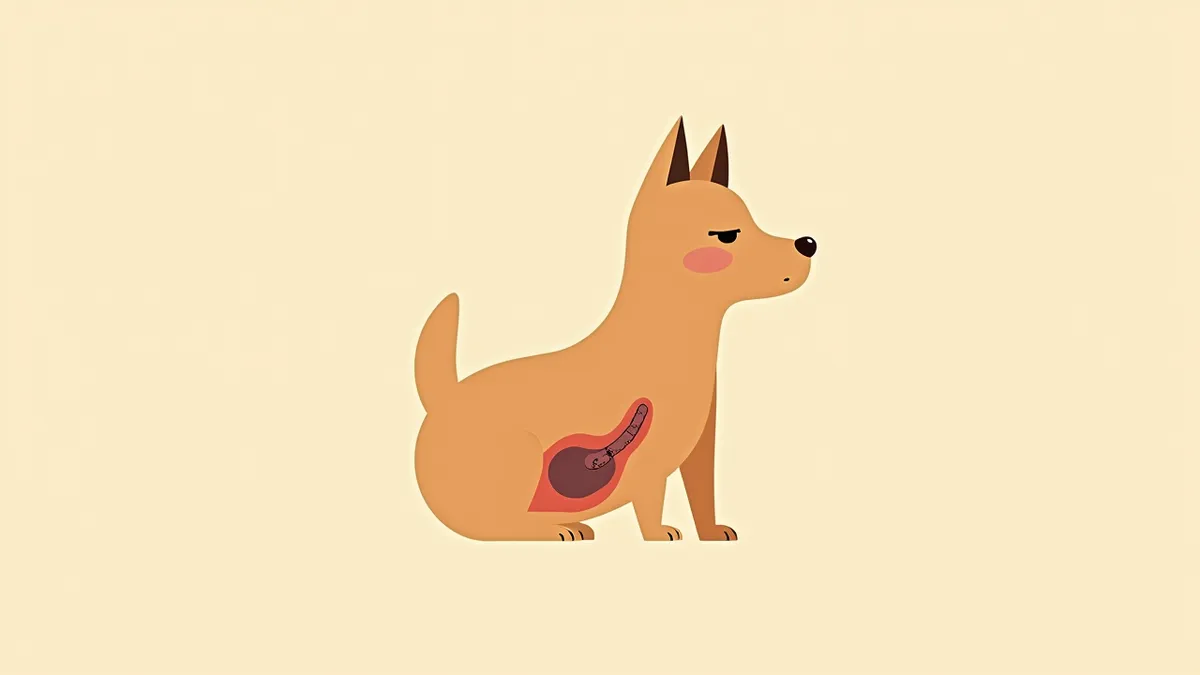
An anatomical diagram showing the dog’s bladder and urinary tract
Canine bacterial cystitis is a condition in which bacteria enter the bladder and cause inflammation, with Escherichia coli (E. coli) being the most common causative agent. - Mechanism of infection: Infection occurs when the number and virulence of bacteria overwhelm the bladder’s defense mechanisms, or when those defenses are weakened by other diseases. - Defense mechanisms and risk factors: Under normal conditions, the urethral sphincter, frequent and forceful urination, a long urethra, and the mucosal protective layer help prevent bacterial invasion. However, endocrine disorders such as diabetes mellitus, urolithiasis, and immunosuppressed states increase the risk of infection. - Symptom onset: Inflammation of the bladder mucosa leads to difficulty urinating, pain, and hematuria. - Importance of early treatment: If symptoms appear, it is best to consult a veterinarian promptly to begin antibiotic therapy based on culture and sensitivity testing. With appropriate management, uncomplicated cases can recover fully.

Main Causes and Mechanism of Infection

The most common cause of bacterial cystitis in dogs is E. coli. However, other bacteria such as Staphylococcus, Proteus, Enterococcus, and Klebsiella can also be responsible. - Infection Mechanism: Infection occurs when the number and virulence of bacteria overwhelm the bladder’s natural defenses, or when those defenses are weakened by an underlying condition. - Impact of Underlying Diseases: Endocrine disorders like diabetes, urinary stones, and immunosuppression can increase the risk of infection. - Weakened Defenses: If natural defenses—such as the urethral sphincter, frequent and forceful urination, and a long urethra—are compromised, bacteria can more easily colonize the bladder. - Risk of Recurrence: If cystitis recurs three or more times in a year, it is considered recurrent. Without addressing the root cause, it is likely to return. - Need for Further Testing: In cases of recurrence, additional tests can help identify any hidden underlying conditions.
The microscopic structure of E. coli in a dog's bladder

Main Symptoms and Signs

The main symptoms of bacterial cystitis in dogs include frequent attempts to urinate, prolonged urination, red or cloudy urine, signs of pain during urination, and incontinence. If these symptoms persist, consult your veterinarian immediately.
Frequent urination: The dog tries to urinate often, even when the bladder is not full.
Difficulty urinating: The dog strains to urinate but produces little or no urine, or the process takes a long time.
Hematuria: Blood in the urine, making it appear red or brown.
Cloudy urine: Urine appears cloudy due to bacteria or inflammatory cells.
Pain during urination: The dog may cry or tremble while urinating.
A puppy struggling with difficulty urinating

When to Seek Immediate Veterinary Care

If your dog is unable to urinate at all, shows severe pain during urination, or experiences vomiting, fever, or lethargy, you should seek veterinary care immediately. These symptoms may indicate a blocked bladder or a serious infection that has spread to the kidneys.

Accurate Diagnostic Methods
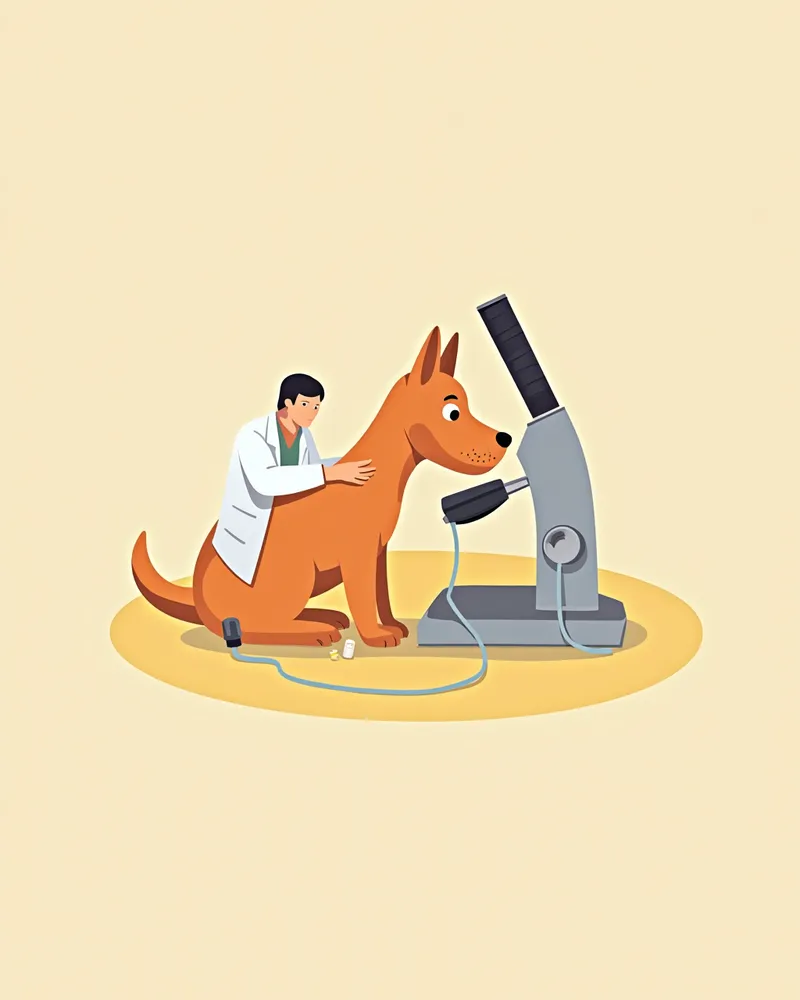
Bacterial cystitis in dogs is diagnosed through urinalysis and bacterial culture. - Urinalysis: This test checks for the presence of white blood cells or bacteria in the bladder. However, if the urine is diluted, bacteria may not be visible. - Bacterial Culture and Sensitivity Testing: This accurately identifies the specific type of infecting bacteria and predicts its response to antibiotics. It serves as the basis for selecting the appropriate antibiotic and enhances treatment efficacy, making it the gold standard for diagnosing bacterial cystitis. - Blood Tests: These evaluate systemic inflammatory responses or the presence of underlying diseases. - Ultrasound Examination: This checks for complications such as bladder enlargement, urinary stones, or tumors. - Diagnostic Criteria: A diagnosis can be made when lower urinary tract symptoms are accompanied by urinalysis findings such as increased white blood cells, hematuria, or cloudy urine, along with confirmation of bacteria via culture. For the most accurate results, urine should be collected before administering antibiotics, preferably via cystocentesis (bladder tap).
A veterinarian performing a urine test on a puppy

Treatment Methods and Step-by-Step Management

Treating bacterial cystitis in dogs centers on antibiotic therapy. - Tailored antibiotics: Your veterinarian will prescribe the most appropriate medication based on urine culture and sensitivity results. While awaiting those results, antibiotics such as amoxicillin or amoxicillin-clavulanate are commonly used. - Treatment duration: The length of treatment is determined by your veterinarian’s clinical judgment. For simple (sporadic) cystitis, the course may be as short as 3–5 days. Do not stop the medication early; complete the full prescribed duration. - Preventing recurrence: Stopping medication prematurely based on your own judgment increases the risk of recurrence, so always follow your veterinarian’s instructions. - Symptom relief: If your dog is experiencing significant pain or discomfort, consult your veterinarian for additional supportive care. - Follow-up testing: A post-treatment urinalysis is used to confirm the effectiveness of the therapy. - Home care: Ensuring adequate water intake and frequent urination supports recovery.
A puppy receiving medication from a veterinarian.

Home Care and Management Tips

Managing bacterial cystitis in dogs requires strict adherence to antibiotic treatment alongside measures to maintain urinary tract health. Ensure your dog has access to plenty of fresh water and frequent opportunities to urinate. Regular and adequate urination acts as a natural defense mechanism for the bladder, making it difficult for bacteria to establish themselves. It is also important to clean the area immediately after urination to maintain hygiene. Additionally, consult your veterinarian about a diet tailored to support urinary tract health.
Adequate Hydration: Keep fresh water available at all times to increase urine volume.
Frequent Urination: Provide regular opportunities for your dog to urinate.
Hygiene Maintenance: Clean the area immediately after urination to reduce bacterial growth.
Dietary Consultation: Choose a diet appropriate for urinary tract health in consultation with your veterinarian.
A puppy drinking water

Preventing Recurrence and Breed-Specific Considerations

There is limited evidence that certain breeds are more susceptible to urinary tract infections, with underlying health conditions, age, and sex playing more significant roles in determining risk. In fact, female dogs under one year of age or over ten years of age are reported to be at higher risk. If a dog experiences three or more episodes of cystitis within a year, it is considered recurrent, and testing for underlying conditions is recommended. Preventive care and urinary tract support strategies should be discussed with a veterinarian to determine the best approach.

Reviewed by a veterinarian

Dr. Tony — Punnawat Phongkittirak

Dr. Tony — Punnawat Phongkittirak

Veterinarian

A veterinarian who majored in veterinary medicine at Khon Kaen University, Thailand, and completed the IVSA program at North Carolina State University in the United States. Drawing on clinical experience at animal hospitals, he works in the pet healthcare field and is dedicated to building a digital care environment that connects pet parents with veterinarians.

Frequently Asked Questions

Can bacterial cystitis in dogs be transmitted to humans?
No, bacterial cystitis in dogs is not contagious to humans. However, since E. coli can also infect humans, it’s important to maintain strict hygiene when handling your dog’s urine.
Will the infection come back after stopping antibiotics?
Yes, if antibiotics are not taken for the full prescribed course or if there is an underlying health condition, the likelihood of recurrence is high. It’s important to follow your veterinarian’s instructions carefully and seek early veterinary care if the condition returns.
Can I perform a urine test at home?
While some home urine test kits are available, a veterinarian’s examination is necessary for an accurate diagnosis. Please use the results from these kits as a reference only.
Should I change my pet’s food if they develop cystitis?
While a urinary tract-supportive diet can be helpful, the cornerstone of treatment for bacterial cystitis is antibiotic therapy. It’s best to consult with your veterinarian before deciding whether to change your pet’s food.
Is frequent urination in dogs only a sign of cystitis?
No, other conditions such as diabetes, kidney disease, and bladder dysfunction can also cause frequent urination. If the symptoms persist, a veterinary visit is absolutely necessary.

Share

Related Guides

References

[1] Johnson et al. (2016) Canine and Feline Respiratory Medicine, 3rd Edition. Elsevier.

[2] Dear et al. (2021) Textbook of Respiratory Disease in Dogs and Cats. Wiley-Blackwell.

[3] Clercx et al. (2003) Journal of Veterinary Internal Medicine, 17(3), 215-221.

This information is based on veterinary literature and does not replace diagnosis or treatment. Please consult a veterinarian for specific health concerns.

Metapet Co., Ltd. | CEO: Park Sung-yong | Business Reg. No. 417-88-02562 | Seoul, South Korea | Customer Center

Canine Bacterial Cystitis: Symptoms, Causes, and Treatments Explained | Meongsiljang