Like
Share
멍실장
고양이 기본 예방접종 스케줄 증상과 원인, 진단·치료와 관리 포인트 총정리

Cat Core Vaccination Schedule: Symptoms, Causes, Diagnosis, Treatment, and Management Points Summary

Lifestyle & Age CareDiseasesMeongsiljang Veterinary Advisory Board

A cat’s core vaccination schedule is a crucial process for building immunity against diseases during the early stages of life. Following the correct timing and recommended vaccines is essential for ensuring safe and effective health care.

A Cat’s Core Vaccination Schedule Is a Crucial Process for Building Immunity in Early Life
A young cat being prepared for vaccination
A kitten’s core vaccination schedule is essential for building immunity against life-threatening infectious diseases early in life. Following the correct timing and vaccine types is key to ensuring safe and effective health care.
FPV (Feline Panleukopenia): A deadly virus that causes severe diarrhea, vomiting, and fever in young kittens with immature immune systems, and can be fatal in severe cases.
FVR (Feline Viral Rhinotracheitis, an upper respiratory disease): Caused by feline herpesvirus (FHV-1), this condition leads to sneezing, nasal discharge, eye discharge, and fever. It is highly contagious and can spread quickly in environments where multiple cats live together.
FCV (Feline Calicivirus): This virus causes oral ulcers, fever, and loss of appetite. In some cases, chronic mouth lesions may persist.
Rabies: A fatal virus that can also be transmitted to humans. Vaccination is legally required in many regions.
If core vaccines against panleukopenia, herpesvirus, calicivirus, and rabies are not administered on schedule, the risk of infection increases significantly.

The Main Reason for Vaccination Is Lack of Immunity Against Infectious Diseases
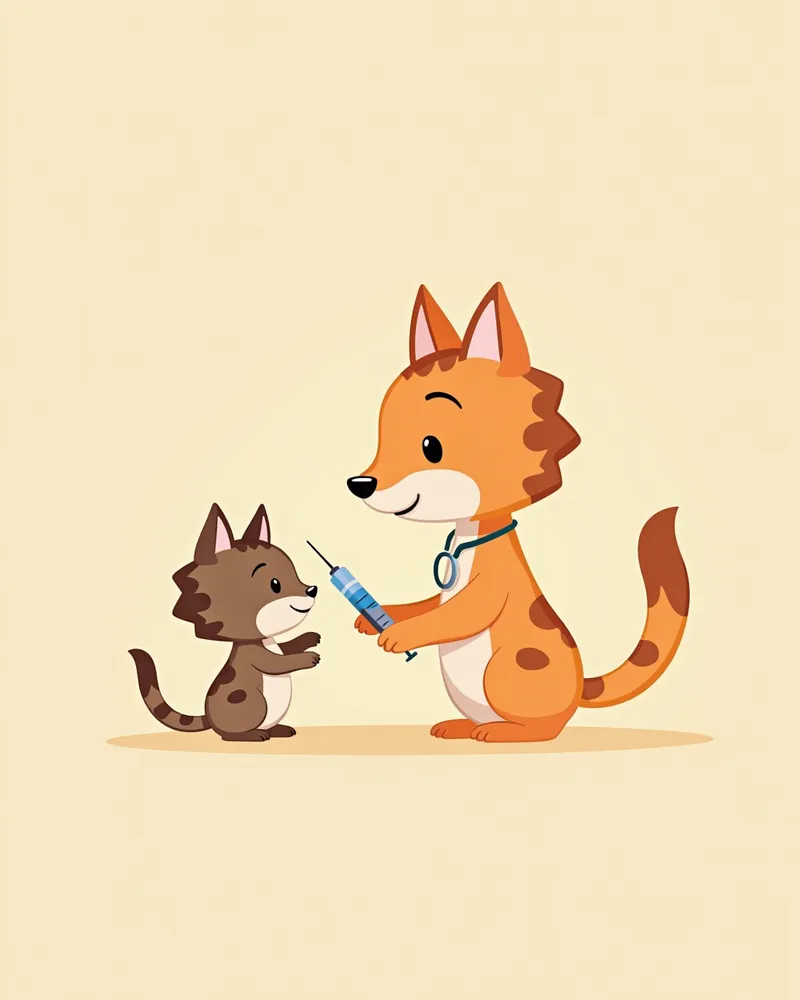
The main reason kittens need a core vaccination schedule is their lack of immunity against infectious diseases. In the early weeks of life, maternal antibodies gradually wane, leaving kittens highly vulnerable to external infections.
Decline in maternal immunity: Maternally derived antibodies, initially transferred through colostrum, gradually disappear as the kitten grows, increasing the risk of infection.
Increased environmental exposure: As opportunities for going outdoors or interacting with other cats increase, the likelihood of exposure to pathogens rises.
Immature immune system: A kitten’s immune system is not yet fully developed, making it difficult for them to mount adequate defense on their own.
Missed vaccination windows: Skipping routine vaccinations prevents proper immunity from developing, leaving kittens susceptible to disease.
Therefore, vaccinations should begin at 8 weeks of age and be administered at 3- to 4-week intervals to ensure stable and effective immunity.
A veterinarian preparing a vaccination for a cat

Identify Key Symptoms and Signs That May Occur After Vaccination

After your cat’s core vaccinations, you may notice some temporary side effects. While these are often normal signs of the immune system responding, it’s important to watch for any excessive symptoms.
Persistent fever: A slight rise in body temperature within 1–2 days after vaccination is common. However, if the temperature stays above 39°C (102.2°F) or your cat shows ongoing lethargy, consult your veterinarian.
Loss of appetite: It’s normal for your cat’s appetite to decrease for 1–2 days after vaccination. But if this lasts more than 3 days or their appetite doesn’t return at all, it’s a cause for concern.
Reduced activity: Your cat may seem sleepy or less active. While this can be a temporary sign of fatigue, persistent low energy should be checked by a vet.
Swelling at the injection site: Some swelling or firmness at the injection site is common. It usually goes down within 1–2 days, but if it lasts longer than 3 days or gets bigger, contact your vet.
Vomiting or diarrhea: These can occur as mild digestive reactions. However, if they persist or are accompanied by signs of dehydration, a vet visit is necessary.
If any of these symptoms last or get worse, please contact your veterinarian right away.
A cat with a bandage on the area after vaccination

Emergency Symptoms Requiring Immediate Clinic Visit

If your pet shows any of the following symptoms after vaccination, please visit the clinic immediately. These could be signs of a severe allergic reaction or serious complications.

Veterinarians Perform Various Tests for Accurate Diagnosis
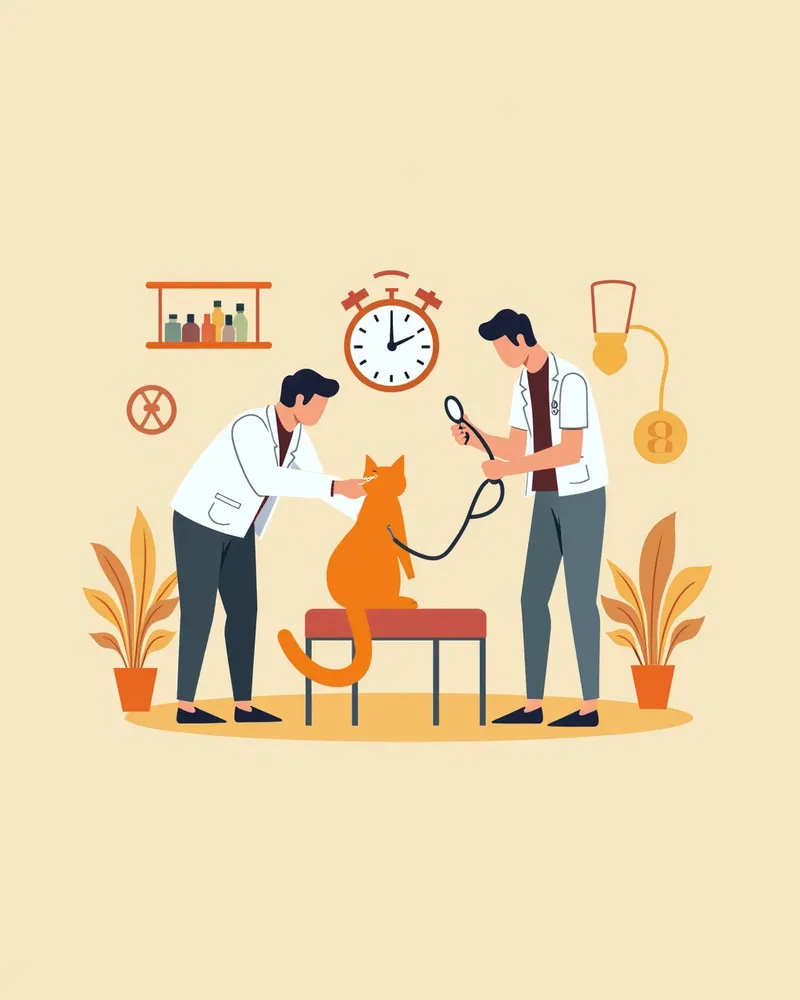
To verify the effectiveness of the core vaccination schedule for cats, veterinarians perform various tests. These help determine whether an immune response has developed and if any disease infections are present.
Blood tests: White blood cell counts and inflammatory markers are checked to assess overall health status.
Immune response tests: Antibody levels against specific pathogens are measured to confirm whether immunity has been established.
Urinalysis: Used to evaluate kidney function and detect potential infections.
Imaging tests: Ultrasound or X-rays are utilized to check for abnormalities in internal organs.
We recommend regular health check-ups along with follow-up testing after vaccination.
A veterinarian listening to a cat's heartbeat.

Treatment Is Customized Based on Symptoms
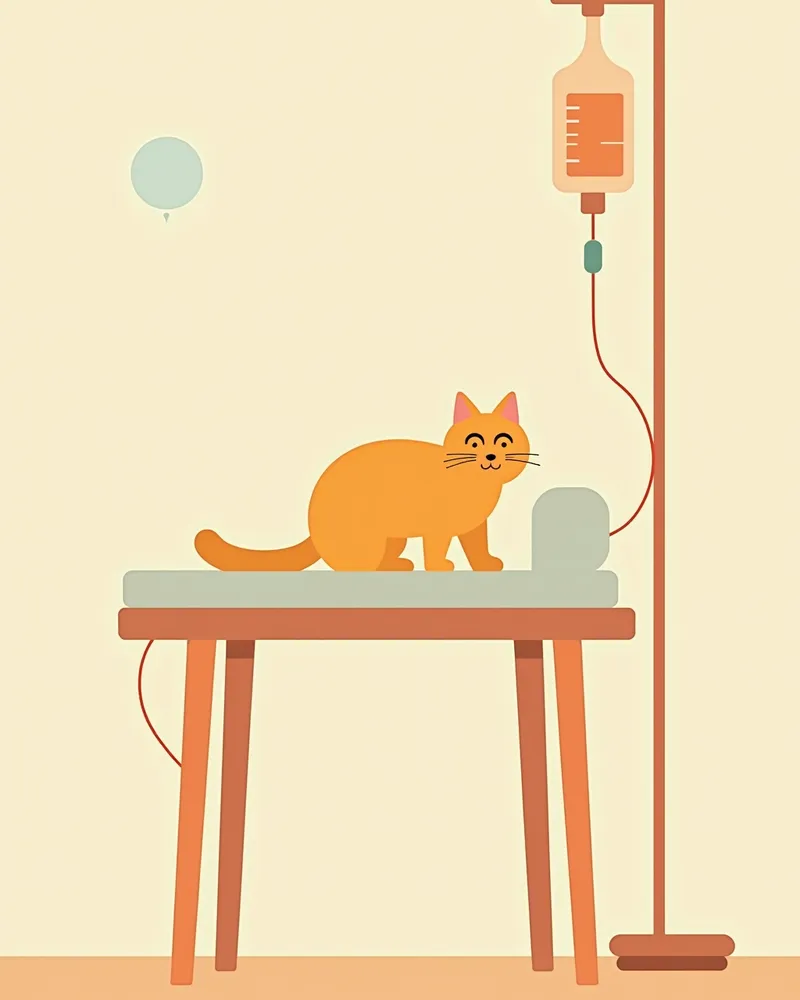
If symptoms related to the core vaccination schedule for cats appear, the veterinarian will provide customized treatment based on the specific symptoms. Treatment is divided into conservative management and medication.
Symptomatic treatment: Antipyretics are used for fever, and nutritional supplements are administered for loss of appetite.
Antibiotic use: If a bacterial infection is present, appropriate antibiotics are prescribed.
Antihistamines: If allergic reactions are severe, medications to alleviate symptoms are used.
Fluid therapy: In cases of severe dehydration, fluids are replenished via intravenous injection.
Hospitalization: If severe symptoms persist, hospitalization is necessary.
Treatment is determined by the veterinarian's judgment, and home care is also important.
A cat receiving intravenous fluids at the hospital

Home Care Focuses on a Stable Environment and Consistent Observation
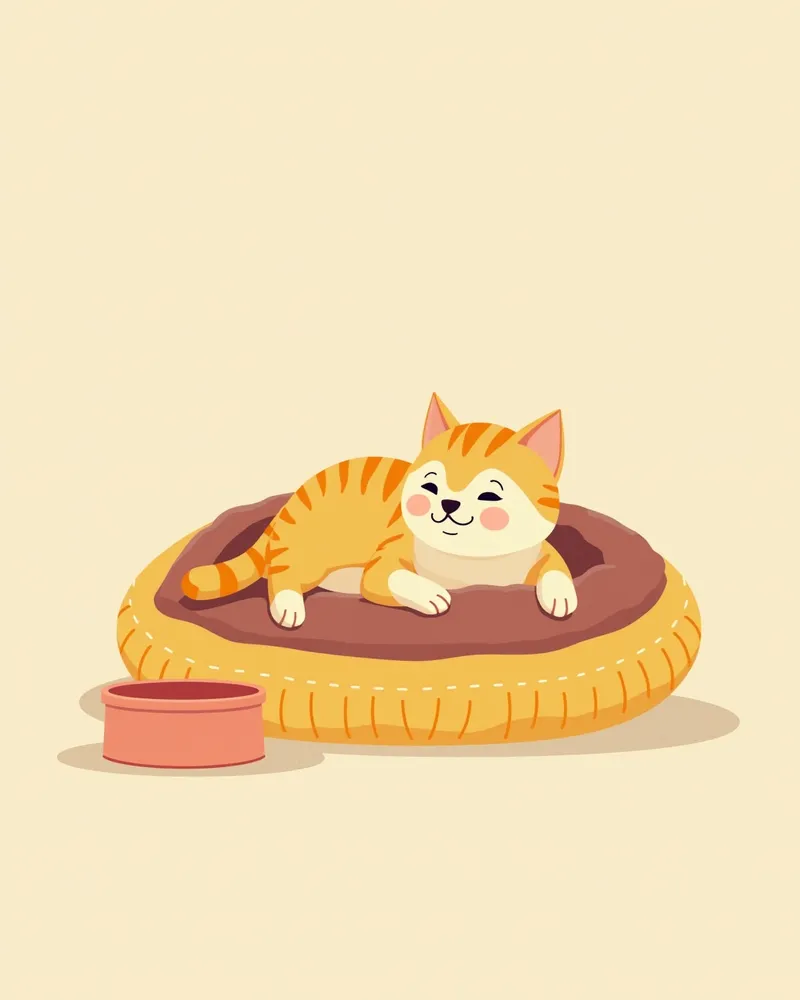
After your cat’s core vaccinations, home care focuses on providing a stable environment and consistent observation, which supports recovery and helps prevent complications. - Maintain a quiet environment: Offer a calm, low-stress space to minimize anxiety. - Manage meals: Provide easily digestible food in appropriate portions. - Ensure access to water: Always have fresh, clean water available to encourage proper hydration. - Monitor the injection site: Check daily for swelling or signs of pain. - Limit activity: Avoid excessive running or play, and allow plenty of rest. These care measures help speed up recovery and reduce the risk of unnecessary complications.
A cozy space for your cat to rest comfortably

Breed-Specific Precautions and Tips for Preventing Recurrence

Adverse reactions after vaccination can occur in any cat, regardless of breed or coat length. However, it’s a good idea to keep a closer eye on small kittens or cats that have had vaccine reactions in the past for several days after vaccination, and consult your veterinarian immediately if you notice any abnormalities.

Reviewed by a veterinarian

Dr. Tony — Punnawat Phongkittirak

Dr. Tony — Punnawat Phongkittirak

Veterinarian

A veterinarian who majored in veterinary medicine at Khon Kaen University, Thailand, and completed the IVSA program at North Carolina State University in the United States. Drawing on clinical experience at animal hospitals, he works in the pet healthcare field and is dedicated to building a digital care environment that connects pet parents with veterinarians.

Share

Related Guides

References

This information is based on veterinary literature and does not replace diagnosis or treatment. Please consult a veterinarian for specific health concerns.

Metapet Co., Ltd. | CEO: Park Sung-yong | Business Reg. No. 417-88-02562 | Seoul, South Korea | Customer Center

Cat Core Vaccination Schedule: Timing, Signs & Management | Meongsiljang