Like
Share
멍실장
고양이 실내 환경 풍부화 증상과 원인, 진단·치료와 관리 포인트 총정리

Comprehensive Guide to Cat Indoor Environmental Enrichment: Symptoms, Causes, Diagnosis, Treatment, and Management

Lifestyle & Age CareDiseasesMeongsiljang Veterinary Advisory Board

Enriching your cat’s indoor environment is essential for maintaining their emotional well-being and behavioral health. A monotonous environment can lead to stress-related symptoms.

Indoor Environmental Enrichment is Essential for Your Cat’s Emotional Well-being
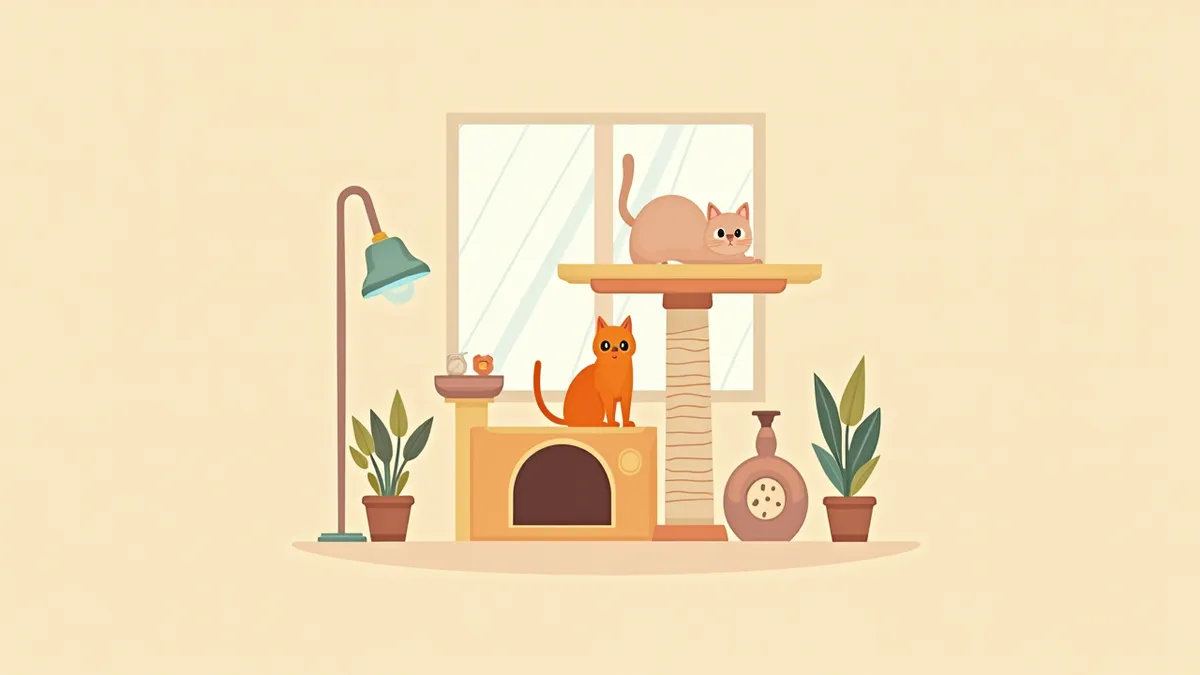
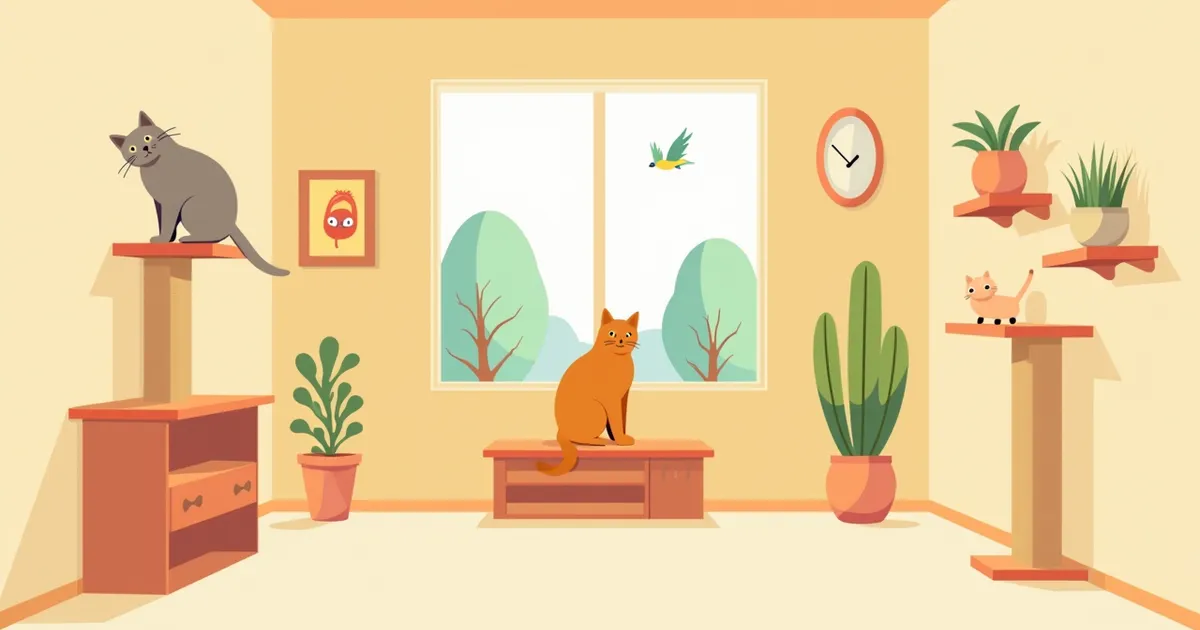
An indoor environment equipped with cat-specific multi-level structures, window perches, and play equipment
It is important to design the indoor environment from multiple angles to support your cat’s natural behaviors. Rather than relying on simple toys, the space should include elements that reflect their instincts, such as hunting, exploring, and hiding. A monotonous or under-stimulating environment can lead to accumulated stress, which may result in behavioral problems. - Environmental monotony: When cats become accustomed to a repetitive routine, they may lose interest and become bored. - Lack of sensory stimulation: Insufficient visual, auditory, and olfactory stimulation can lead to emotional anxiety. - Failure to satisfy instincts: If hunting or exploring instincts are not properly engaged, behaviors such as excessive grooming or increased aggression may occur. These are not mere playful actions but signals of emotional distress. Therefore, it is essential to continuously vary the environment and create structures that encourage your cat’s natural behaviors.

The Main Causes of Indoor Environmental Enrichment Needs: Monotonous Environment and Lack of Stimulation
In the wild, cats expend energy and stimulate their senses through various activities like hunting, exploring, and hiding. However, indoor living restricts these stimuli, which can lead to behavioral issues. When hunting or exploration instincts are unmet, stress accumulates. - Lack of stimulation: Insufficient visual, auditory, and olfactory stimulation can cause boredom. - Static environment: A fixed environment suppresses curiosity and leads to disinterest. - Suppressed instincts: Inability to perform natural behaviors causes emotional anxiety, manifesting as over-grooming or litter box issues. These are not mere habits but stress responses. Therefore, it is essential to periodically change the environment and incorporate elements that cater to a cat's instincts.
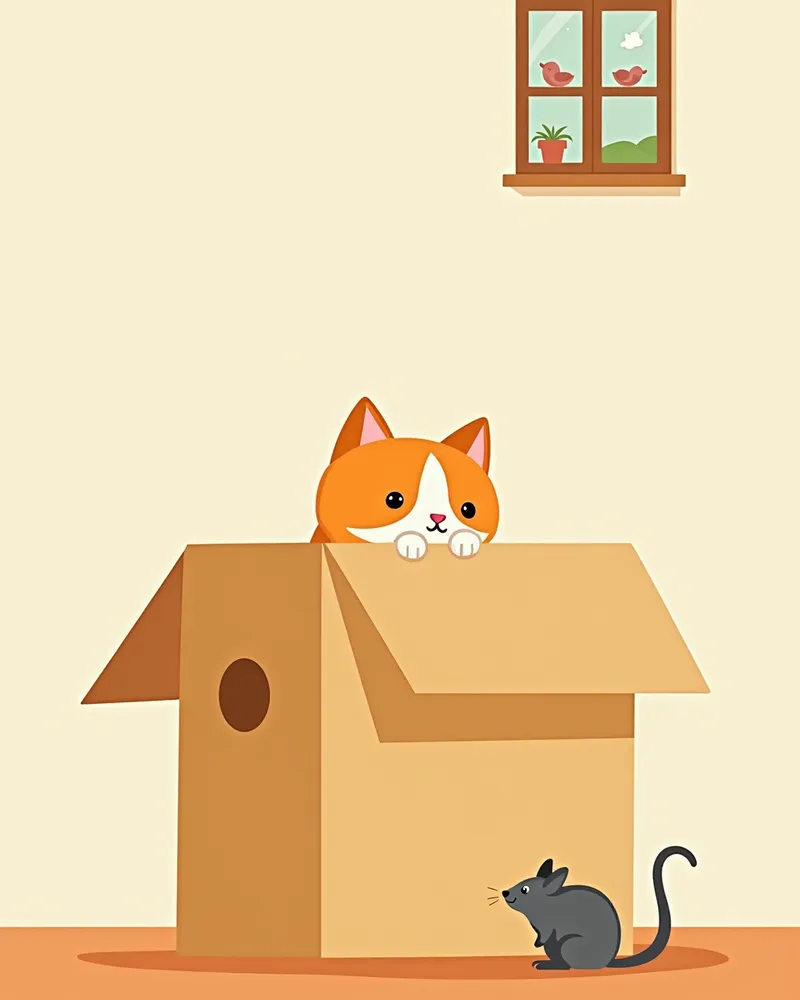
A cat watching a toy from inside a box, or observing birds outside the window.

Key Symptoms of Indoor Environmental Enrichment Needs: Behavioral Changes and Stress Signals
A lack of environmental enrichment can lead to behavioral changes in cats. This isn’t just playful mischief—it’s a sign of stress. Careful observation is essential. While symptoms vary from cat to cat, there are common warning signs to watch for:
Overgrooming: Repetitive licking driven by stress, which can result in hair loss.
Increased aggression: Sudden, unprovoked attacks on people or other cats.
Inappropriate elimination: Repeated urination or defecation outside the litter box.
Lethargy: Lying motionless in the same spot all day long.
Agitated pacing: Restlessly staring out window or door cracks, showing signs of anxiety.
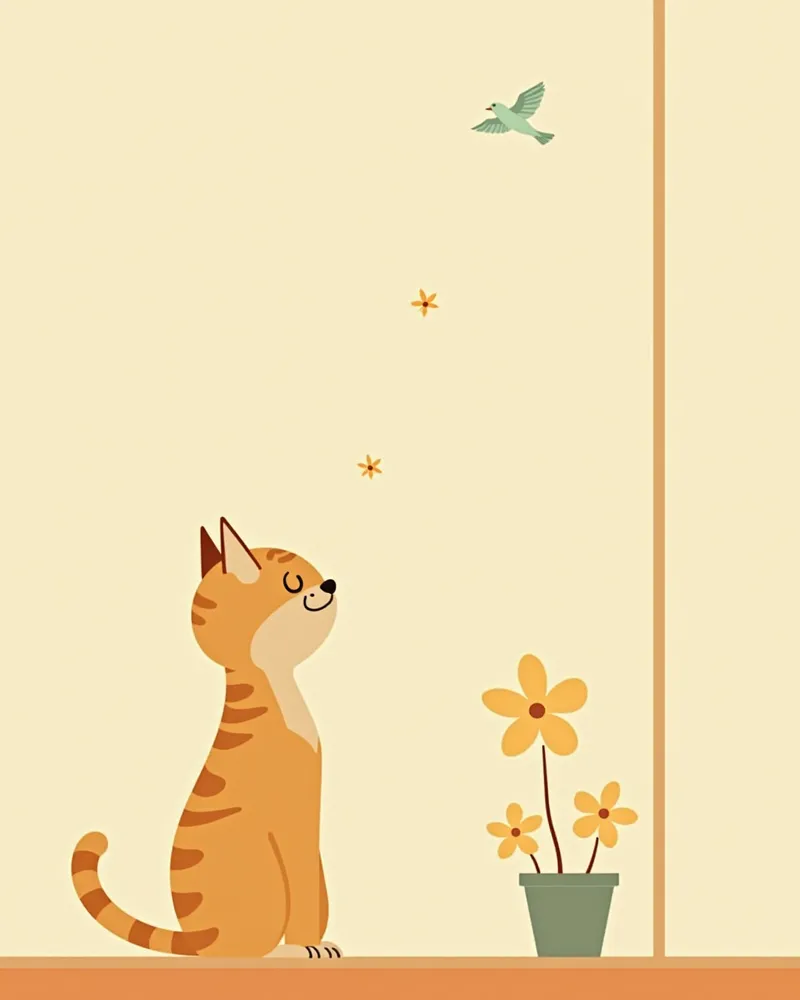
A cat perched on a window perch, tensely watching birds outside.

Symptoms Requiring Immediate Veterinary Visit

If your cat repeatedly eliminates outside the litter box, experiences a sudden loss of appetite, or becomes unusually lethargic, consult a veterinarian immediately. These signs may indicate an underlying medical condition, so it’s important to evaluate your cat’s overall health rather than attributing the behavior solely to behavioral issues.

Diagnosis Based on Behavioral Observation and Environmental Analysis
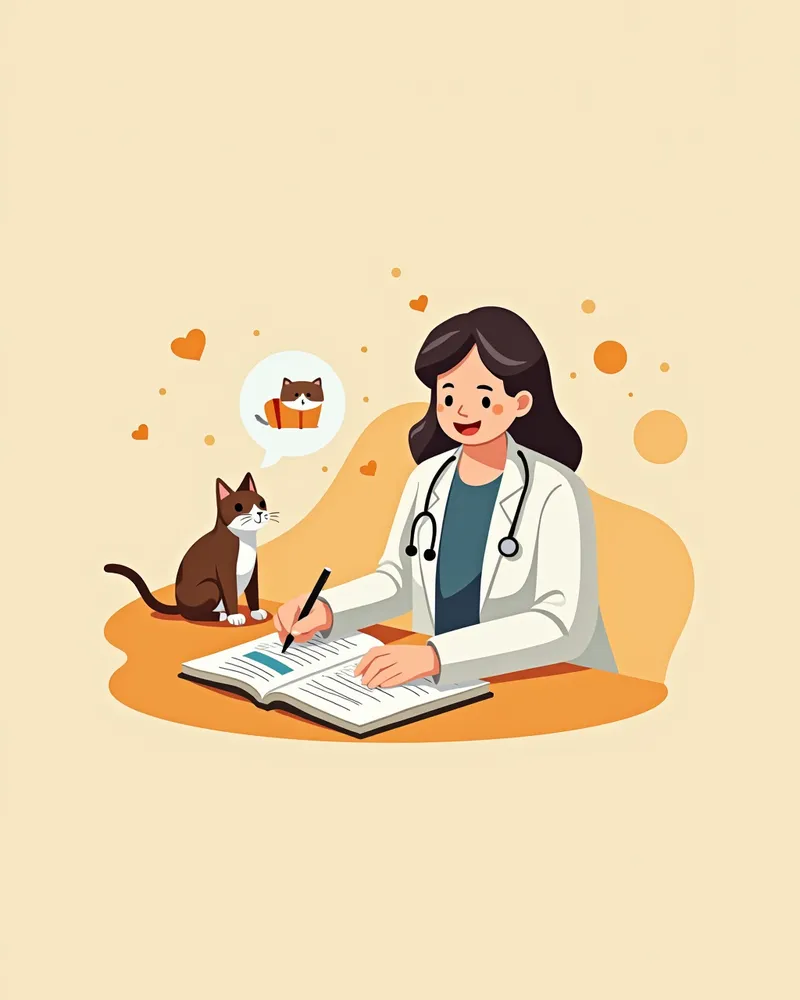
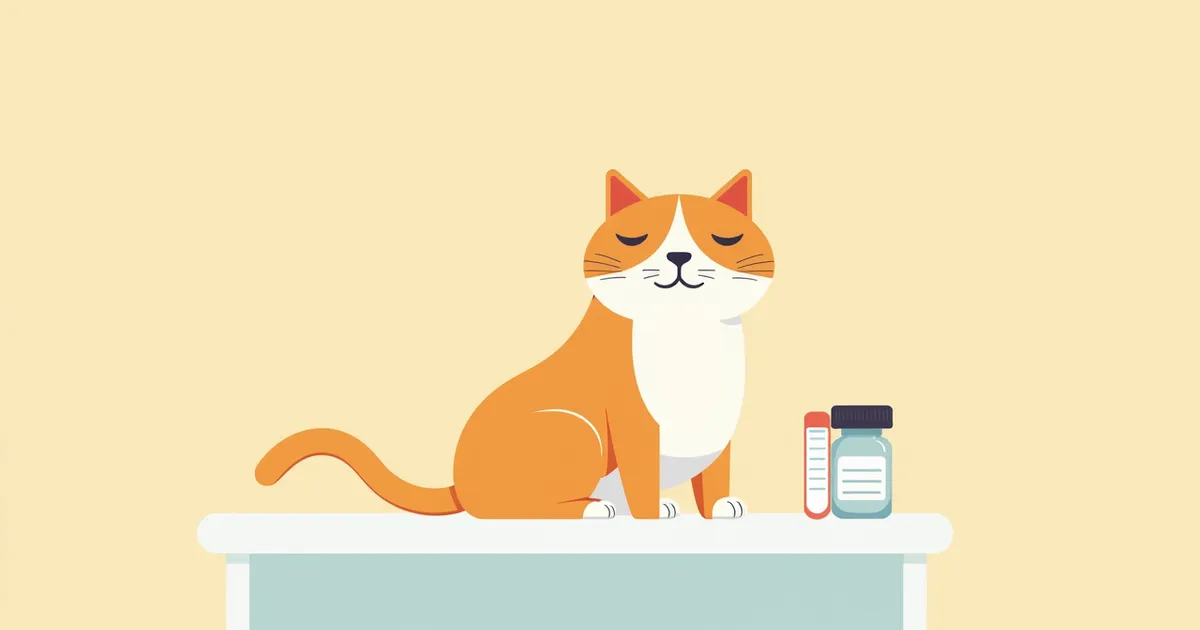
To accurately identify changes in your cat’s behavior, veterinarians conduct a comprehensive analysis of daily behavioral patterns and environmental factors. Providing detailed observation records from home greatly assists in diagnosis. It is especially important to distinguish whether the behavior stems from stress or an underlying medical condition. - Behavioral Observation: Carefully document issues such as excessive grooming, litter box problems, or increased aggression. - Environmental Analysis: Evaluate the layout of your home, potential stressors, and your cat’s movement paths. - Physical Examination: Rule out medical causes through blood and urine tests. - Cause Identification: Analyze the correlation between behavioral changes and environmental factors. This process enables an accurate diagnosis and the development of a tailored management plan.
A veterinarian analyzing a cat’s behavior logs and environmental photos.

Treatment Involves Environmental Improvement and Behavioral Modification
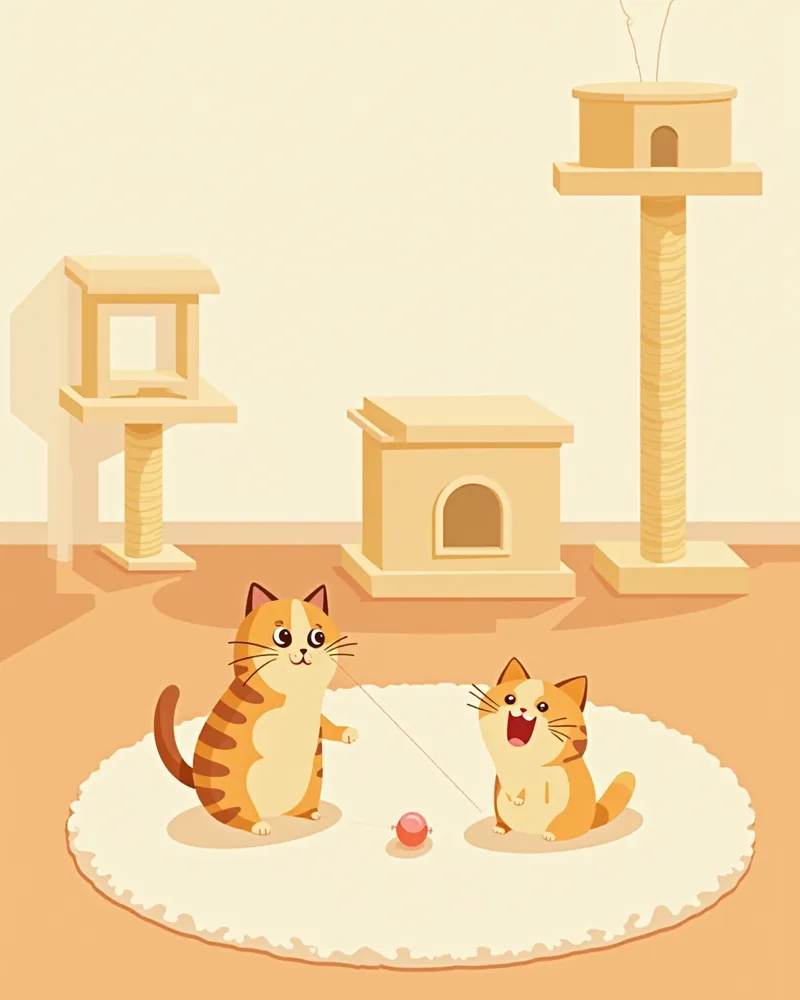
The key to treatment is designing an environment that reflects your cat’s natural instincts. Rather than relying on simple toys, it’s important to incorporate elements that encourage natural behaviors such as hunting, exploring, and hiding. - Environmental enrichment: Add multi-level spaces, hiding spots, and interactive devices that allow movement. - Instinct stimulation: Use light-reflecting toys or yarn strings to stimulate your cat’s hunting instincts. - Behavioral modification: Guide new behaviors through positive reinforcement training. - Ongoing variation: Periodically change the environment to maintain your cat’s interest. - Observation and documentation: Carefully record any behavioral changes after adjustments and evaluate their effectiveness. Through this process, you can simultaneously improve your cat’s emotional stability and behavioral health.
A cat playing with a laser pointer, with a play structure in the background.

Management Points for Indoor Environmental Enrichment You Can Practice at Home
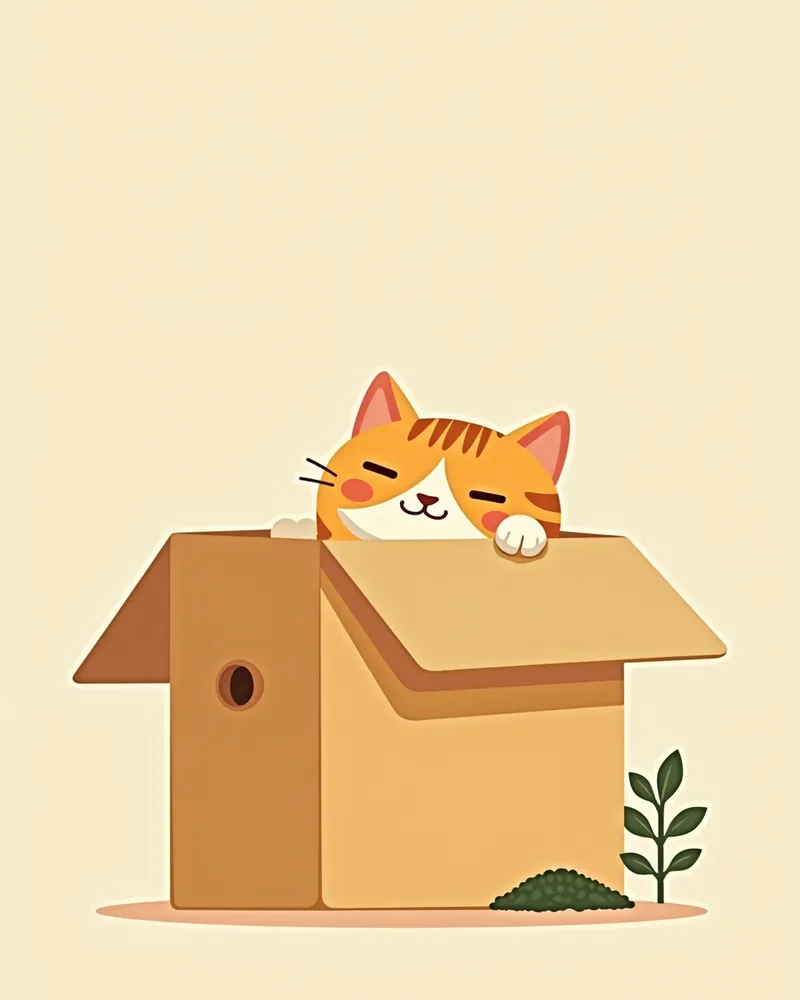
Enrichment should be seamlessly woven into your cat’s daily routine. It’s important to introduce small changes each day, as cats can lose interest in a static environment. Here are key points to keep in mind:
Provide multi-level spaces: Create play areas at varying heights.
Ensure hiding spots: Include boxes, yarn tunnels, cabinets, and similar items.
Rotate stimulating toys: Regularly introduce new toys to maintain engagement.
Offer scent stimulation: Periodically refresh catnip, herbs, and grasses.
Encourage natural light exposure: Install perches near windows.
A cat hiding inside a box, looking around with an adorable expression.

Cases Requiring Attention Based on Cat Breed

Each cat responds differently to environmental enrichment, so individual attention is essential. For instance, highly active cats may require more stimulation and space, while calm, quiet cats often feel more secure in peaceful environments where they can hide safely. Since every cat has unique preferences for resting spots and play styles, it’s important to observe their individual personality and behavioral traits rather than relying solely on breed generalizations when adjusting their environment. Additionally, providing ample safe spaces helps reduce environmental stress.

Reviewed by a veterinarian

Dr. Tony — Punnawat Phongkittirak

Dr. Tony — Punnawat Phongkittirak

Veterinarian

A veterinarian who majored in veterinary medicine at Khon Kaen University, Thailand, and completed the IVSA program at North Carolina State University in the United States. Drawing on clinical experience at animal hospitals, he works in the pet healthcare field and is dedicated to building a digital care environment that connects pet parents with veterinarians.

Frequently Asked Questions

Will environmental enrichment make cats more active?
Yes, environmental enrichment helps promote emotional stability and natural behavioral expression in cats, which can increase their activity levels. When they receive adequate stimulation, hunting, exploring, and playing behaviors naturally increase.
Do I need to buy a new toy every day?
No. It’s more effective to periodically rotate toys or use existing ones in new ways. For example, hiding a yarn string inside a box can stimulate your pet’s hunting instinct.
Is a window perch really necessary?
While a window perch can provide visual stimulation for cats, it’s not considered an essential element. It’s important to combine various enrichment tools, such as tunnels, cat trees, and perches near windows, to keep your cat engaged and happy.
Is environmental enrichment expensive?
No, you don’t need expensive items. You can create effective environmental enrichment using affordable materials like cardboard boxes, yarn, and glue. Window perches and play structures can be added gradually over time.
Can environmental enrichment sometimes have no effect?
Yes, a cat’s response can vary depending on its individual personality and temperament. At first, it may seem indifferent, but if you consistently introduce changes and observe its behavior, it will gradually start to respond. Patience is key.

Share

Related Guides

References

This information is based on veterinary literature and does not replace diagnosis or treatment. Please consult a veterinarian for specific health concerns.

Metapet Co., Ltd. | CEO: Park Sung-yong | Business Reg. No. 417-88-02562 | Seoul, South Korea | Customer Center

Cat Indoor Environmental Enrichment: Causes, Signs & Care | Meongsiljang