Like
Share
멍실장
강아지 담관 폐색 증상과 원인, 진단·치료와 관리 포인트 총정리

If Your Dog’s Eyes Are Yellow — Biliary Obstruction Symptoms and Critical Treatment Timing

Liver HealthDiseasesMeongsiljang Veterinary Advisory Board

Biliary obstruction in dogs occurs when the flow of bile from the liver to the gallbladder is blocked, leading to symptoms such as vomiting, jaundice, and abdominal pain. Early diagnosis and appropriate treatment are essential.

Biliary Obstruction in Dogs Is a Condition Where Bile Flow Is Blocked
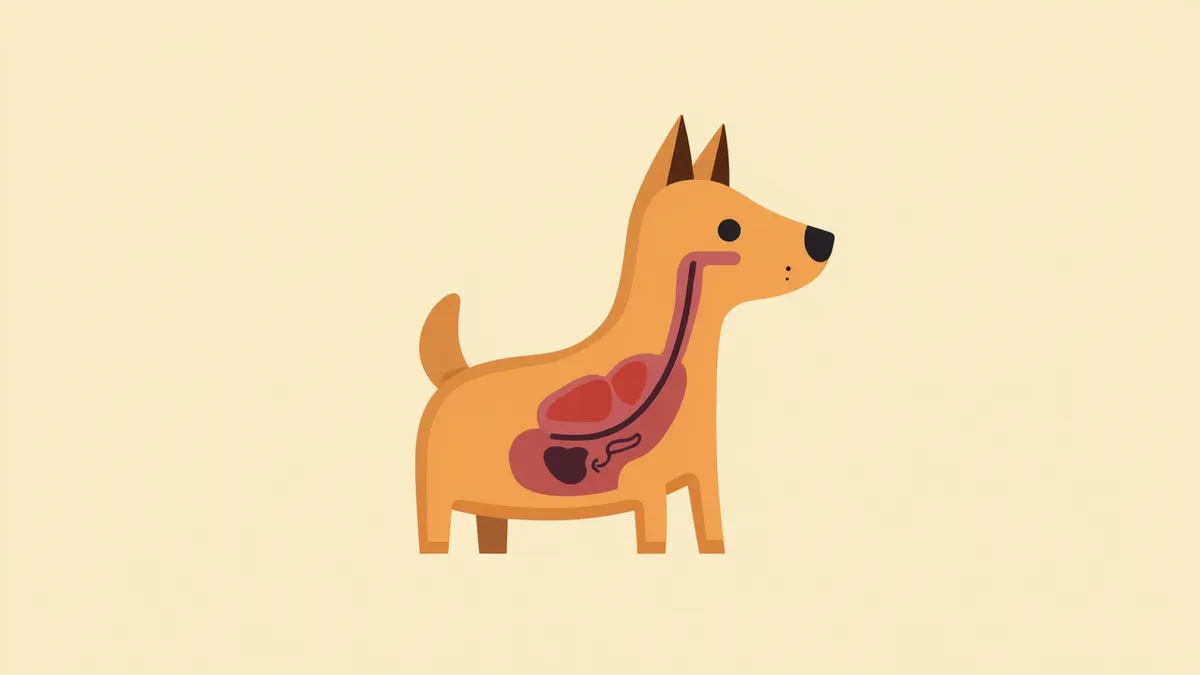
Anatomical diagram of biliary obstruction in dogs
Biliary obstruction in dogs occurs when the flow of bile from the liver to the intestines is physically blocked. When bile cannot drain properly, it backs up above the blockage, stressing the liver and causing symptoms such as jaundice, abdominal pain, and loss of appetite. This condition has been reported in certain breeds like Cocker Spaniels, Miniature Schnauzers, and Shetland Sheepdogs, as well as in small-breed dogs, often in association with biliary diseases such as gallbladder mucoceles. Early detection is key to successful treatment and recovery. Because biliary obstruction can severely impact liver function beyond simple digestive issues, immediate veterinary care is essential if symptoms appear.

The Main Causes of Biliary Obstruction Are Blockages, Inflammation, and Tumors
The main causes of biliary obstruction in dogs include gallstones (cholelithiasis), chronic inflammation (cholecystitis and cholangitis), tumors, and trauma. Additionally, a gallbladder mucocele may extend into the cystic duct or common bile duct, or biliary obstruction may occur secondary to pancreatitis (biliary obstruction associated with pancreatitis). Certain breeds, such as Cocker Spaniels, Miniature Schnauzers, Shetland Sheepdogs, and Border Terriers, as well as small-breed dogs, have a reported predisposition to gallbladder disease. In some cases, bacterial infection can also trigger the condition. Accurately identifying the underlying cause is crucial for determining the appropriate treatment plan. Because biliary obstruction may represent a structural issue rather than a simple functional disorder, precise diagnostic evaluation is essential.
A puppy experiencing abdominal pain due to bile duct obstruction

Main Symptoms Include Jaundice, Vomiting, Abdominal Pain, and Loss of Appetite
The hallmark signs of biliary obstruction in dogs include jaundice—yellowing of the eyes, gums, and skin—along with recurrent vomiting, abdominal pain, and decreased appetite. Bilirubin may also appear in the urine, causing it to become dark (bilirubinuria). Fever may accompany these symptoms, and chronic cases can lead to weight loss. If left untreated, the dog’s overall condition can deteriorate rapidly. Severe abdominal pain may cause the dog to become lethargic or reluctant to move. If these symptoms persist, seek veterinary care immediately. Early diagnosis and treatment significantly improve the chances of recovery.
The eyes and mouth of a puppy showing signs of jaundice

Jaundice and Severe Abdominal Pain Require Immediate Veterinary Care

If your dog’s eyes or lips turn yellow, or if they’re lying still with a hunched back due to abdominal pain, seek veterinary care immediately. These signs indicate a worsening bile duct obstruction, and delayed treatment can lead to severe liver damage.

Diagnosis Is Performed Using Blood Tests, Ultrasound, and Endoscopy
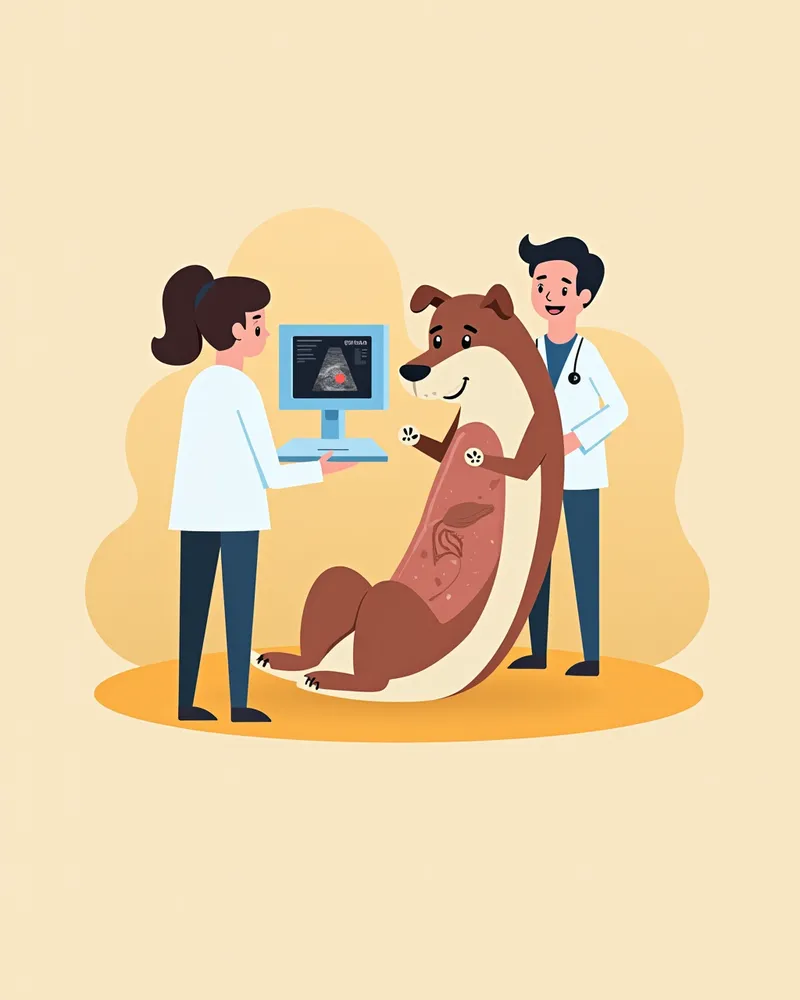
Biliary obstruction is suspected when blood tests show elevated bilirubin and bile stasis markers such as ALP and GGT, along with increased liver enzymes. Ultrasound is used to check for bile duct dilation, gallstones, or gallbladder mucoceles (characterized by a distinctive "kiwi-like" appearance). If necessary, bile is aspirated from the gallbladder for bacterial culture and cytology, or a liver biopsy is performed to assess for inflammation or tumors. In some cases, exploratory surgery is conducted to directly identify the location and cause of the obstruction. Accurate diagnosis forms the foundation of the treatment plan, so it helps to bring a record of your pet’s symptoms when visiting the clinic.
An image of a puppy undergoing an abdominal ultrasound examination.

Treatment Proceeds in Stages with Surgery, Medication, and Dietary Management
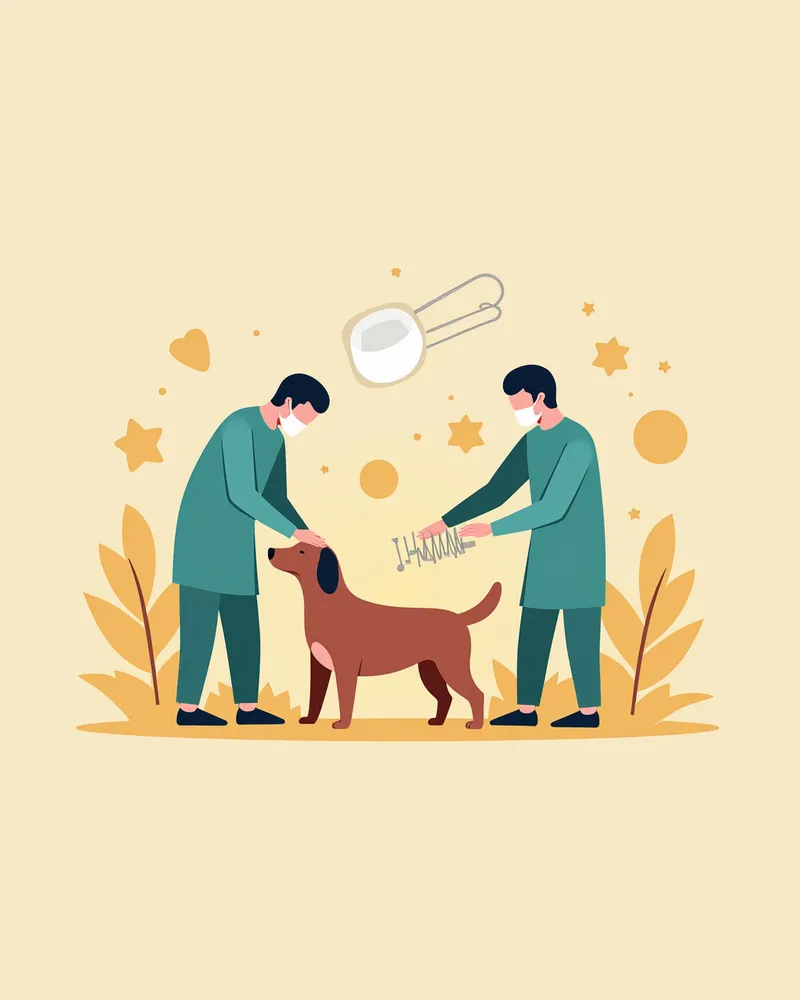
Treatment for bile duct obstruction depends on the underlying cause. If the issue is caused by gallstones or gallbladder disease, surgery may be necessary to remove the gallbladder (cholecystectomy) or to bypass and drain the bile ducts. If bacterial infection or inflammation is present, antibiotics are administered for at least 4 to 6 weeks based on culture results, while dehydration and vomiting are managed with fluid therapy and antiemetics. To support liver and biliary health, medications such as ursodiol, SAMe, and silymarin may be prescribed at the veterinarian’s discretion. From a nutritional standpoint, a low-fat diet is provided to reduce digestive burden. Regular check-ups throughout the treatment period are essential to monitor recovery progress.
Surgical procedure for biliary obstruction in dogs

Home Care Is Essential for Post-Surgical Recovery and Preventing Recurrence
After surgery, dietary management and medication are essential to support bile flow and liver recovery. Consistently provide a low-fat diet that is easy on the digestive system, and maintain regular meal times. If prescribed medications such as ursodiol, SAMe, or silymarin are part of the treatment plan, administer them exactly as directed by your veterinarian. Regular check-ups are important to monitor liver function and bile duct health, allowing for early detection of any recurrence. Reducing stress and maintaining a consistent daily routine also aid in recovery. Proper home care plays a crucial role in post-surgical healing and preventing recurrence.
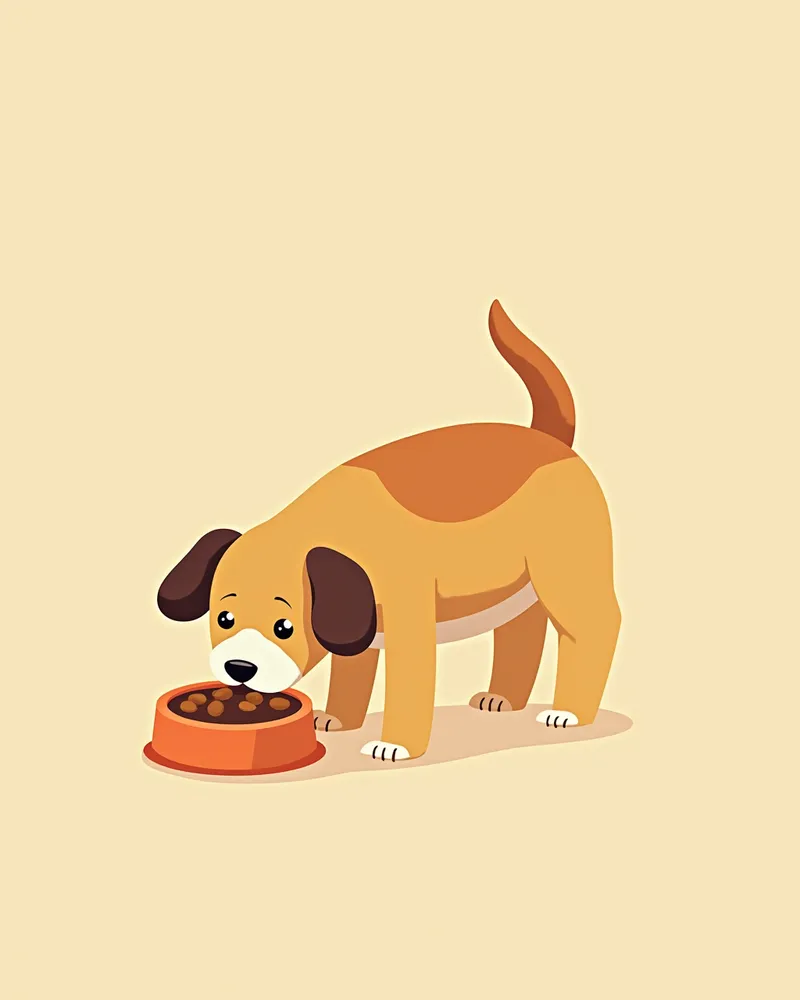
A puppy eating food that is good for liver health

Certain Breeds Have a Higher Risk of Biliary Obstruction

Certain breeds, such as Cocker Spaniels, Miniature Schnauzers, Shetland Sheepdogs, and Border Terriers, as well as small-breed dogs in general, have a reported predisposition to biliary tract diseases, including gallbladder mucoceles. We recommend regular liver and biliary tract screenings for dogs that are middle-aged or older, or those with endocrine disorders such as diabetes mellitus or hyperadrenocorticism. Early detection significantly improves the chances of a successful recovery.

Reviewed by a veterinarian

Dr. Tony — Punnawat Phongkittirak

Dr. Tony — Punnawat Phongkittirak

Veterinarian

A veterinarian who majored in veterinary medicine at Khon Kaen University, Thailand, and completed the IVSA program at North Carolina State University in the United States. Drawing on clinical experience at animal hospitals, he works in the pet healthcare field and is dedicated to building a digital care environment that connects pet parents with veterinarians.

Frequently Asked Questions

Can biliary obstruction in dogs be cured?
It depends on the underlying cause. Conditions such as bladder stones or inflammation can often improve or even be fully resolved with treatment, but if the cause is a malignant tumor, the prognosis is generally poor. Early diagnosis and appropriate treatment are key.
What foods should I feed my pet if they have a bile duct obstruction?
We recommend a low-fat diet that is gentle on the digestive system. It is also advisable to consult with your veterinarian before using medications such as ursodeoxycholic acid, SAMe, or silymarin (milk thistle), which support liver and biliary function.
Can bile duct obstruction be prevented?
While complete prevention is challenging, regular check-ups, a healthy diet, and maintaining an appropriate body weight can help reduce the risk. Particular attention is needed for breeds predisposed to biliary tract diseases.
How long does the recovery period after surgery take?
The recovery period varies depending on the underlying cause, the extent of the surgery, and the individual’s overall health. Immediately after surgery, ample rest is essential. Following that, gradually increase activity levels as directed by your veterinarian, while continuing prescribed medications and attending follow-up check-ups.
Does the disappearance of jaundice mean that the bile duct obstruction has been completely cured?
The disappearance of jaundice does not mean your pet has fully recovered. Regular check-ups are essential to monitor liver function and watch for any signs of relapse. Ongoing care is necessary.

Share

Related Guides

References

[1] Petersen-Jones SM, Forcier J, Mentzer AL. Ocular melanosis in the Cairn Terrier: clinical description and investigation of mode of inheritance. Vet Ophthalmol. 2007;10 Suppl 1:63–69.

[2] Grozdanic SD, Harper MM, Kecova H. Antibody-mediated retinopathies in canine patients: mechanism, diagnosis, and treatment modalities. Vet Clin North Am Small Anim Pract. 2008;38(2):361–387.

[3] Hanselman BA. Melanocytic glaucoma in a cairn terrier. Can Vet J. 2002;43(4):296–298.

This information is based on veterinary literature and does not replace diagnosis or treatment. Please consult a veterinarian for specific health concerns.

Metapet Co., Ltd. | CEO: Park Sung-yong | Business Reg. No. 417-88-02562 | Seoul, South Korea | Customer Center

Dog's Eyes Turning Yellow? Biliary Obstruction Signs & Timing | Meongsiljang