Like
Share
멍실장
강아지 담즙산 검사 증상과 원인, 진단·치료와 관리 포인트 총정리

Complete Guide to Bile Acid Testing in Dogs — From Fasting and Postprandial Measurement to Result Interpretation

Liver HealthDiseasesMeongsiljang Veterinary Advisory Board

Bile acid testing in dogs is a key diagnostic tool for early detection of liver dysfunction. This test accurately assesses abnormalities in bile circulation, helping to identify major liver diseases at an early stage.

What Is a Bile Acid Test in Dogs?
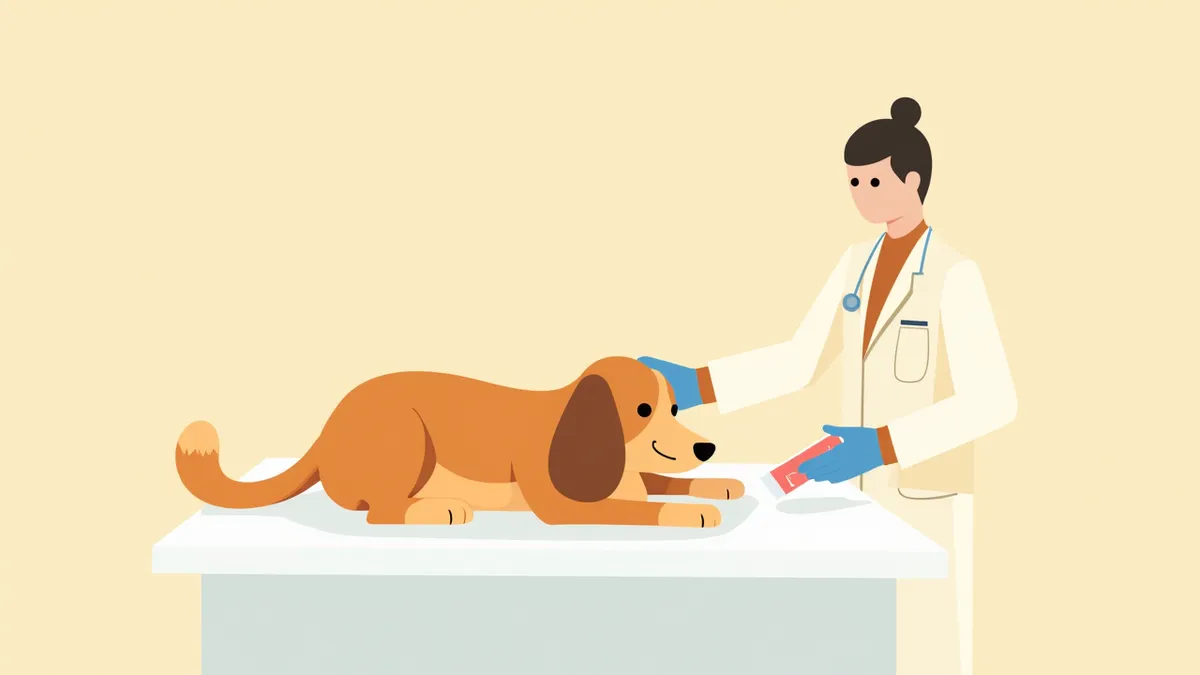
A scene of a veterinarian drawing a blood sample from a puppy.
A bile acid test is a key diagnostic tool for precisely evaluating your dog’s liver function. - Bile acids: Produced by the liver and secreted into bile to aid digestion, bile acids are absorbed in the small intestine and returned to the liver, following an enterohepatic circulation pathway. - Purpose of the test: This test checks whether the liver is properly clearing and processing bile acids from the portal blood, helping to detect liver dysfunction or portosystemic shunts (also known as portosystemic shunting) at an early stage. - Testing procedure: Blood is drawn while the dog is fasting, and then again two hours after a meal. Comparing these two values helps assess liver function. The post-meal blood draw stimulates gallbladder contraction, which increases the sensitivity of the test. - Significant results: Elevated bile acid levels in peripheral blood may indicate impaired liver function or the presence of a portosystemic shunt. - Importance of early detection: Early diagnosis and management of liver disease are greatly supported by this test, making it essential for maintaining your dog’s liver health.

Main Causes of Abnormal Bile Acid Test Results
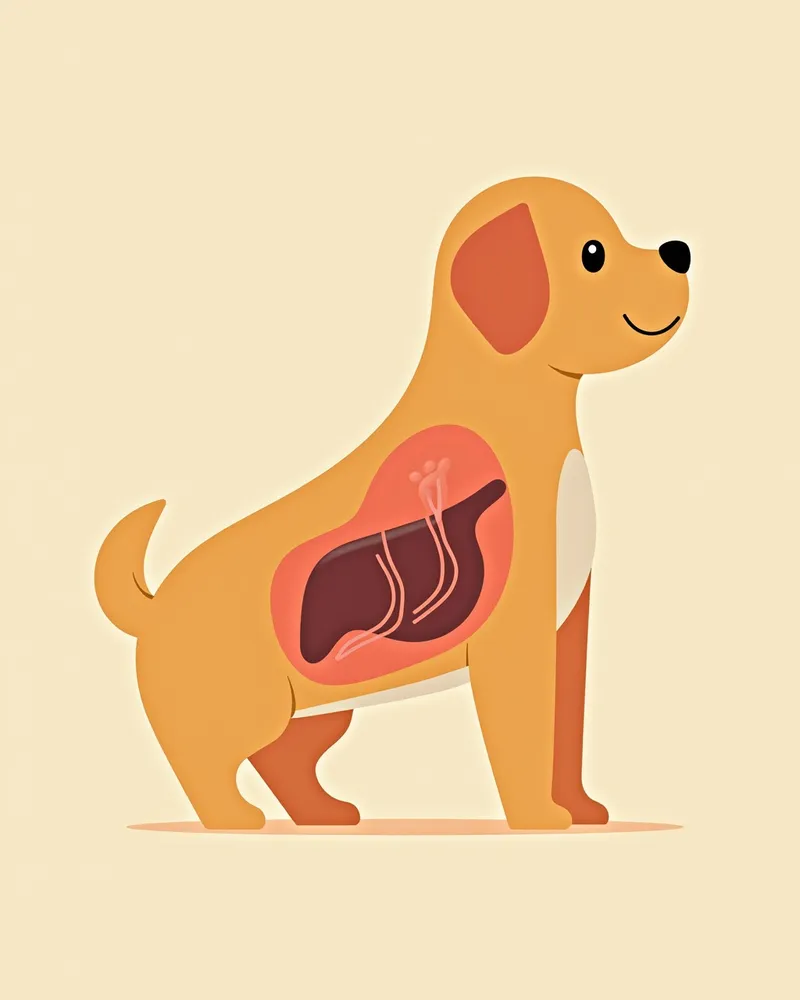
The main reasons for abnormal results in a dog’s bile acid test are impaired hepatocyte function and portosystemic shunting (bypass of portal blood flow). - Hepatocyte damage: Hepatitis, drug- or toxin-induced injury, and metabolic disorders can impair liver cell function, leading to elevated bile acid levels. - Cholestasis (biliary obstruction): When bile flow is blocked by gallstones or tumors, bile acid levels are almost always elevated. - Portosystemic shunt (PSS): Blood that should flow through the liver bypasses it and enters systemic circulation. Fasting bile acid levels may be normal, but postprandial levels rise significantly. Congenital shunts are most common in small-breed dogs. - Passive congestion: Liver congestion due to heart disease rarely raises bile acid levels, so it may not show significant abnormalities on its own. These factors affect bile acid circulation and are reflected in the test results.
An anatomical diagram of the dog's liver and biliary system

Key Symptoms and Warning Signs

When elevated bile acid levels indicate underlying liver dysfunction in dogs, the symptoms can vary widely, making early detection crucial. - Decreased appetite: Reduced liver function can lead to a loss of interest in food and inconsistent appetite. - Recurrent vomiting: This often occurs after meals and may present as a gastrointestinal symptom. - Lethargy and neurological signs: Dogs may show weakness, and if portosystemic shunting is present, hepatic encephalopathy can cause intermittent neurological signs such as drowsiness and ataxia. - Jaundice: This yellowing of the eyes, gums, and skin results from bilirubin accumulation, not bile acids. If jaundice is already present, bile acid testing may have limited diagnostic value. - Abdominal distension: The abdomen may swell due to liver enlargement or ascites (fluid accumulation). If these symptoms persist, immediate veterinary attention is required.
A close-up shot of a dog's face showing symptoms of jaundice

Criteria for Immediate Veterinary Visit

If you notice jaundice, repeated vomiting after meals, abdominal pain, or decreased consciousness, immediate veterinary care is essential. These symptoms may indicate a sudden decline in liver function, so prompt examination and treatment are necessary.

Diagnostic Methods
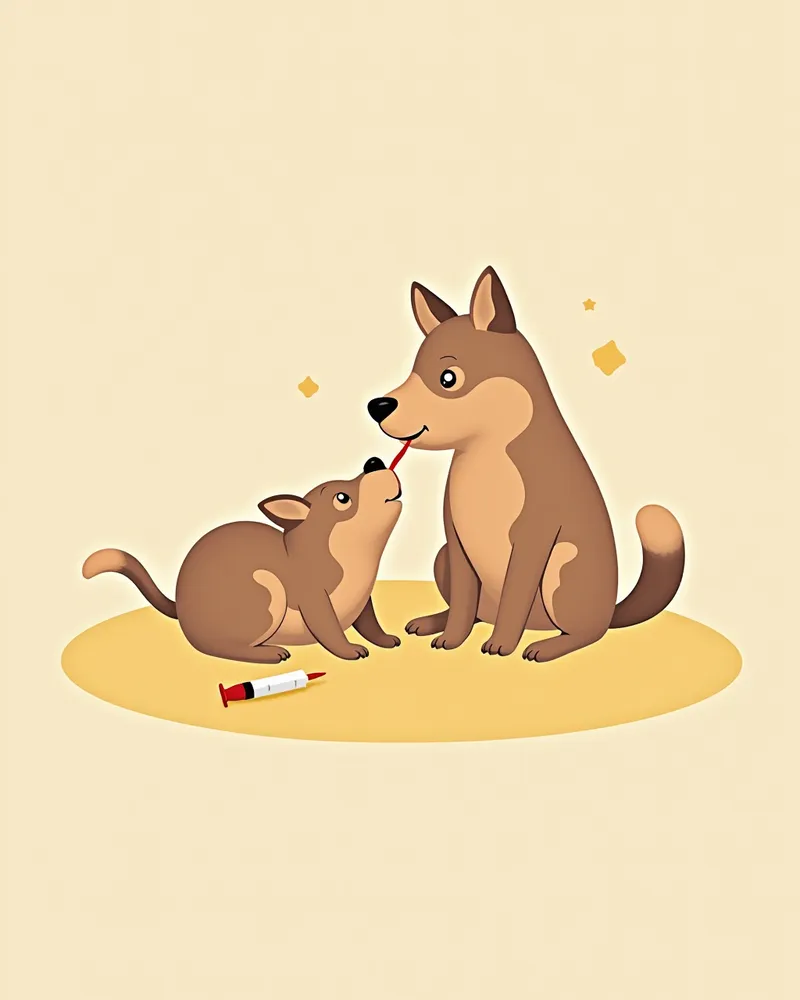
To accurately assess liver function, a bile acid test in dogs requires two blood draws. - Fasting test: Blood is collected after a 12-hour fast to establish baseline levels. - Postprandial test: Blood is drawn again two hours after eating to evaluate whether bile acid levels have increased. - Comparing values: A large difference between the two readings indicates impaired hepatic reabsorption. - High accuracy: This method is highly effective for detecting liver dysfunction at an early stage. - Veterinary interpretation: Your veterinarian will use these results to formulate a diagnosis and treatment plan.
A veterinarian drawing blood from a puppy’s vein.

Treatment Methods and Steps

When bile acid test results come back abnormal, treatment needs to be tailored to the underlying cause. - Liver support therapy: Antioxidants and ursodeoxycholic acid (UDCA) help protect the liver and promote bile flow. - Antibiotic and anti-inflammatory therapy: If there is a bile duct infection (cholangitis) or inflammation, antibiotics are used based on bile culture and sensitivity results whenever possible. - Surgical treatment: Conditions such as gallstones, gallbladder issues, or portosystemic shunts may require surgery, including gallbladder removal or shunt ligation. - Dietary management: Rather than simply reducing protein, adjust to high-quality protein sources (plant-based or hydrolyzed proteins), restricting protein only if hepatic encephalopathy is present. A diet that reduces fat burden can also be helpful. - Regular monitoring: Consistently adhering to medication schedules and follow-up testing is essential to minimize the risk of recurrence.
A puppy eating special food for liver health.

Home Care and Management Points

When your dog’s bile acid test results come back abnormal, daily care is the key to successful treatment. - Dietary management: Avoid foods that are high in fat. Rather than strictly limiting protein, switch to high-quality sources such as plant-based or hydrolyzed proteins, and feed smaller meals more frequently. - Medication administration: Follow your veterinarian’s instructions carefully, ensuring medications are given at the correct times and in the proper dosages. - Regular check-ups: Monitor changes in your dog’s condition through periodic blood tests to track liver enzymes and bile acid levels. - Watch for hepatic encephalopathy: If your dog has portosystemic shunts, neurological symptoms such as lethargy or ataxia may appear intermittently. It is important to manage exacerbating factors like hypoglycemia and electrolyte imbalances alongside these symptoms. - Environmental stability: Minimize stress and maintain a consistent, calm daily routine to support your dog’s well-being.
A scene of a puppy resting while keeping up with its medication and check-up schedule.

Breed-Specific Precautions and Recurrence Prevention

Small-breed dogs are at a relatively higher risk for congenital portosystemic shunts (portosystemic shunt), making regular blood tests and consistent health monitoring essential. To prevent recurrence, it is crucial to strictly follow your veterinarian’s instructions regarding dietary management and medication.

Reviewed by a veterinarian

Dr. Tony — Punnawat Phongkittirak

Dr. Tony — Punnawat Phongkittirak

Veterinarian

A veterinarian who majored in veterinary medicine at Khon Kaen University, Thailand, and completed the IVSA program at North Carolina State University in the United States. Drawing on clinical experience at animal hospitals, he works in the pet healthcare field and is dedicated to building a digital care environment that connects pet parents with veterinarians.

Frequently Asked Questions

When is the best time to have a bile acids test?
This test is recommended when you suspect unexplained loss of appetite, vomiting, poor growth, or liver dysfunction. However, if jaundice is already present, bile acid levels are almost always elevated, so the test may not provide much additional diagnostic value. The testing interval should be determined in consultation with your veterinarian, depending on the symptoms and diagnosis.
How long should my pet fast before the test?
For the test, your pet will need to fast for about 12 hours. Water is allowed.
Does a high test result always mean I need to visit the vet?
Elevated results suggest a high likelihood of liver dysfunction. Please consult your veterinarian for further testing or treatment.
Why is it important to conduct tests after meals?
After a meal, the gallbladder contracts, releasing bile acids into the intestines, where they enter the portal blood. A healthy liver processes these bile acids quickly, so measuring bile acid levels after eating provides a more accurate assessment of the liver's ability to clear them.
Can my pet still have tests done while on medication?
Some medications can affect test results (for example, UDCA may increase bile acid levels in cases of liver dysfunction or portosystemic shunts). Please consult with your veterinarian to determine whether your pet should continue taking the medication.

Criteria for Interpreting Bile Acid Test Results

ItemNormalMild AbnormalitySevere Abnormality
Fasting Value (μmol/L)<55–30>30 (>80 indicates marked hepatic insufficiency)
Postprandial Value (μmol/L)<15.515.5–30>30
Possible Main CausesNormalHepatocyte dysfunction, cholestasisPortosystemic shunt, biliary obstruction

Reference values differ by laboratory and instrument (e.g., for healthy dogs, fasting 5 μmol/L, postprandial 15.5 μmol/L). Values under 25 μmol/L both fasting and postprandial have little clinical significance, and values exceeding 30 μmol/L almost always indicate liver lesions. If jaundice is already present, the bile acid test has little significance, and the veterinarian judges comprehensively together with symptoms and other test results.

Share

Related Guides
References

[1] Plumb's Veterinary Drug Handbook, 9th ed. (2021). Wiley-Blackwell.

[2] Ettinger, S.J. & Feldman, E.C. (2017). Textbook of Veterinary Internal Medicine, 8th ed. Elsevier.

[3] American College of Veterinary Internal Medicine (ACVIM). (2020). Consensus Statement on Hepatic Function Testing in Dogs.

This information is based on veterinary literature and does not replace diagnosis or treatment. Please consult a veterinarian for specific health concerns.

Metapet Co., Ltd. | CEO: Park Sung-yong | Business Reg. No. 417-88-02562 | Seoul, South Korea | Customer Center

Dog Bile Acid Testing: Fasting, Postprandial & Interpretation | Meongsiljang