Like
Share
멍실장
강아지 ALT·ALP 상승 원인 감별 증상과 원인, 진단·치료와 관리 포인트 총정리

My Dog’s Liver Enzymes (ALT/ALP) Are High — Causes and Signs It’s Time to See the Vet

Liver HealthDiseasesMeongsiljang Veterinary Advisory Board

Elevated ALT and ALP levels in dogs can be a sign of liver dysfunction. It is important to accurately identify the cause and take early action.

Elevated ALT and ALP in Dogs Are Key Indicators of Liver Damage

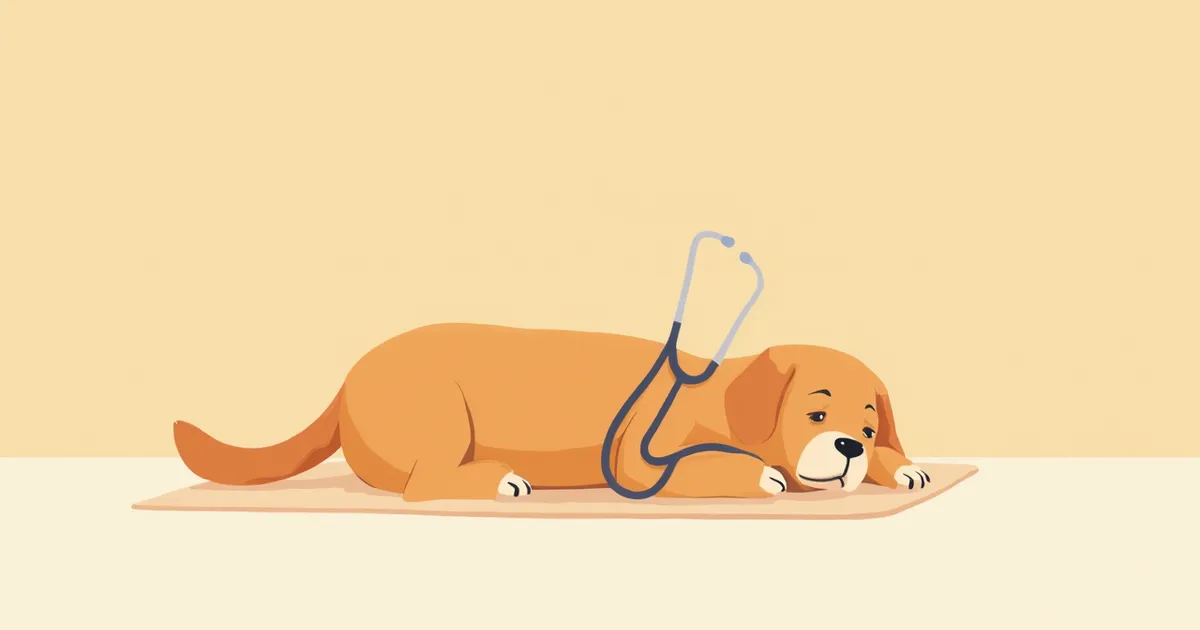
A puppy undergoing a liver function test
Elevated ALT and ALP levels in dogs are important indicators of hepatocellular injury or cholestasis (biliary tract dysfunction). - Liver damage: ALT rises when liver cells are damaged by conditions such as hepatitis or fatty liver disease. However, it is important to note that ALT can also increase due to severe muscle damage. - Hormonal abnormalities: Hyperadrenocorticism (Cushing’s disease) is a primary cause of elevated ALP, as excess cortisol stimulates increased ALP synthesis. - Drug effects: Medications such as steroids (glucocorticoids) and the anticonvulsant phenobarbital can increase ALP levels. In contrast, ALT is not typically induced by these drugs alone. - Metabolic disorders: Obesity and diabetes can place stress on the liver, leading to elevated enzyme levels. - Genetic predisposition: Certain breeds, such as Border Terriers and Cocker Spaniels, are predisposed to liver and biliary diseases, making them more susceptible to elevated enzymes. Regular check-ups are essential for early detection and management.

Main Causes Include Liver Damage, Hormonal Imbalances, and Drug Effects
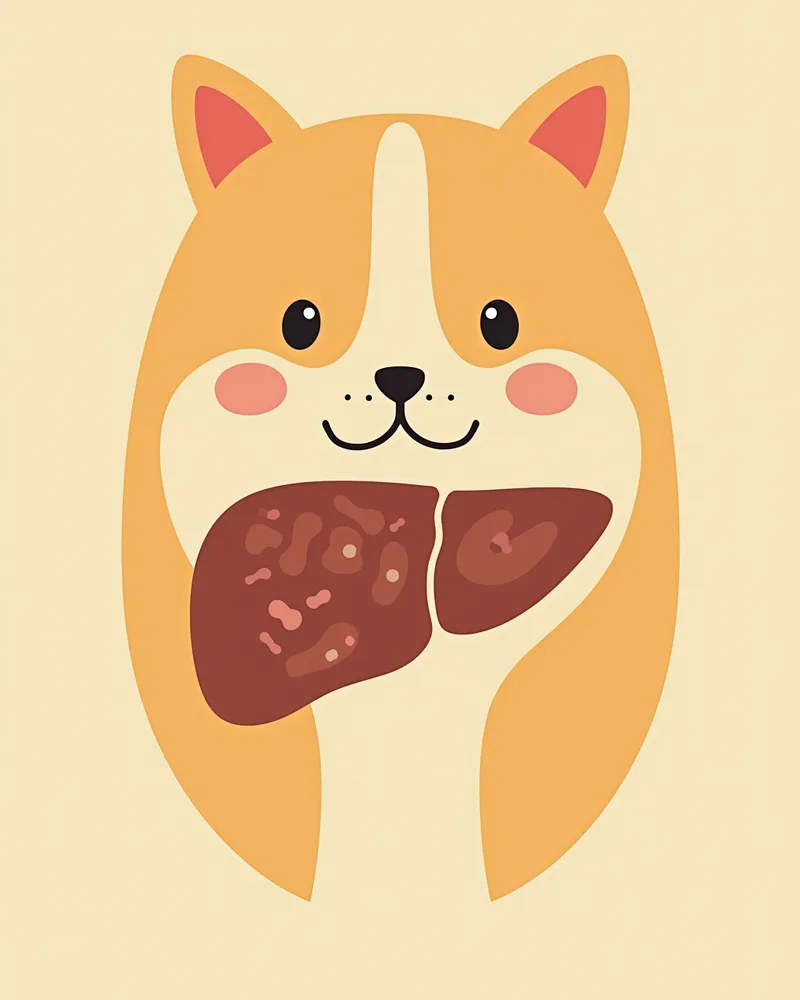
Elevated ALT and ALP levels in dogs can result from a combination of factors. - Hepatitis: Infectious (viral) or immune-mediated hepatitis causes hepatocyte damage, leading to increased ALT. - Fatty liver and reactive hepatopathy: Conditions such as obesity and diabetes can cause fat accumulation in the liver or secondary changes, potentially raising both ALT and ALP levels. - Hyperadrenocorticism (Cushing’s disease): Excess cortisol is a classic cause of markedly elevated ALP, often more pronounced than ALT. - Medications: Drugs such as steroids and anticonvulsants like phenobarbital can increase ALP. However, ALT is not typically induced by medications alone; it rises only when there is hepatocyte or muscle damage. - Biliary tract issues: Biliary obstruction or cholestasis is characterized by particularly sensitive increases in ALP. Accurate diagnosis requires specialized testing to identify the underlying cause.
Visual representation of liver cell damage in dogs

Check for Key Symptom Signals

Elevated ALT and ALP levels can manifest in a variety of symptoms, including loss of appetite, vomiting, diarrhea, lethargy, jaundice (yellowing of the eyes or lips), and abdominal distension. Since pets may show no obvious signs, regular check-ups are essential.
Loss of appetite: Impaired liver function can cause a reluctance to eat.
Recurrent vomiting: This results from the combined effects of reduced gastrointestinal function and liver abnormalities.
Jaundice: Impaired bile excretion causes the skin and eyes to turn yellow.
Abdominal distension: The abdomen may swell due to an enlarged liver or the accumulation of fluid (ascites).
A puppy showing symptoms of jaundice

When Immediate Veterinary Care Is Needed

If your pet develops jaundice, persistent vomiting, loss of appetite, or decreased consciousness, seek veterinary care immediately. These signs may indicate severe liver damage.

Blood Tests and Imaging Are Essential for Accurate Diagnosis

To accurately identify the cause of elevated ALT and ALP levels, a comprehensive diagnostic workup is essential. - Blood tests: These help evaluate overall liver function by checking multiple indicators, including ALT, ALP, and AST. - Liver function tests: These measure blood protein and bilirubin levels to assess the liver’s synthetic function. - Ultrasound examination: This allows for visual confirmation of structural abnormalities in the liver, such as bile duct dilation or tumors. - Biopsy: If a lesion is suspected, a tissue biopsy helps determine the exact type of pathology. - Medication review: If ALP levels are high, it is crucial to verify whether steroids are being used. Early diagnosis improves treatment success rates.
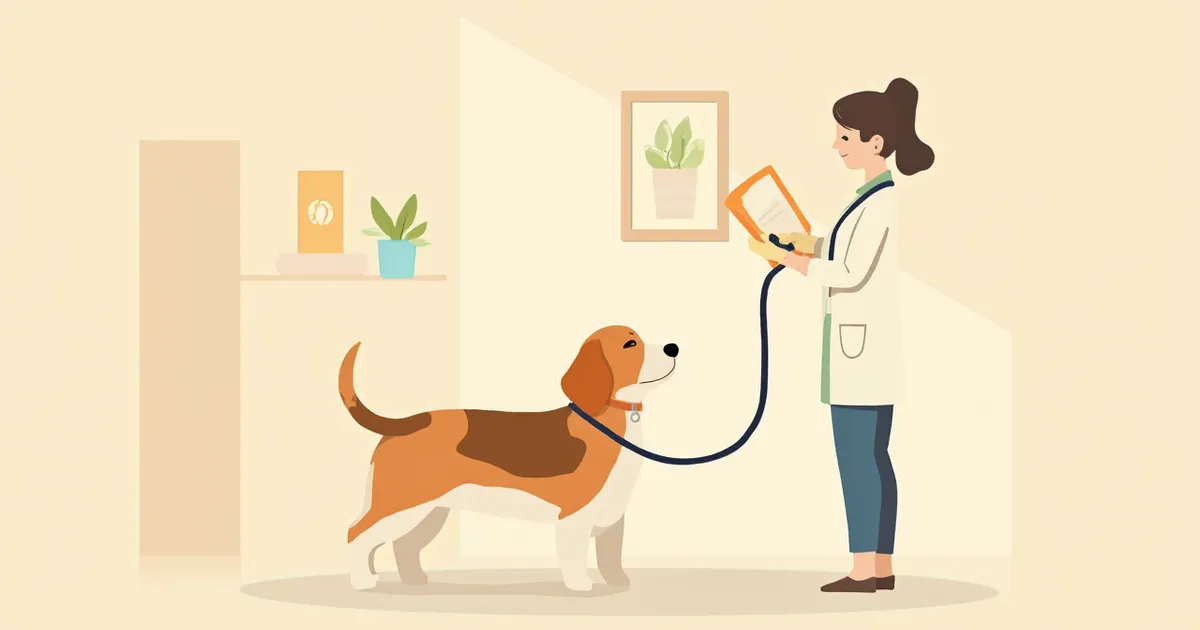
A puppy undergoing a liver ultrasound examination

Treatment Varies Depending on the Underlying Cause
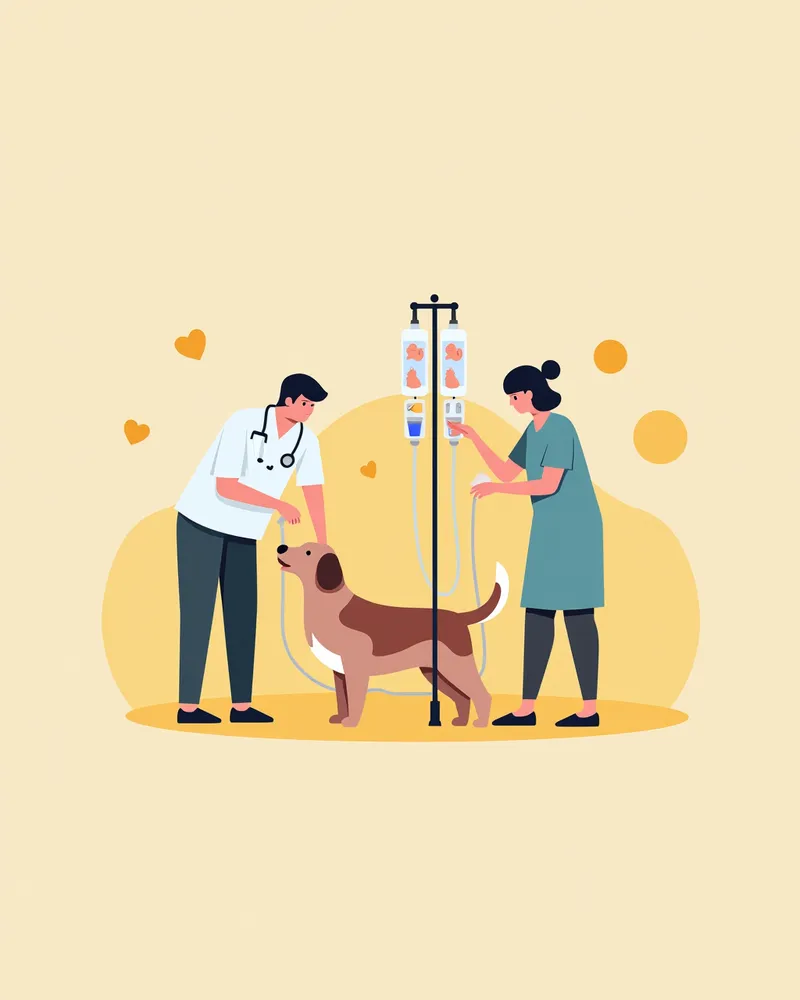
The treatment approach varies significantly depending on the underlying cause. - Hepatitis: Anti-inflammatory and immunomodulatory therapies are combined with hepatoprotective agents to support hepatocyte recovery and regulate the inflammatory response. - Hyperadrenocorticism (Cushing’s disease): Hormonal regulation therapy is used to stabilize cortisol levels. - Drug-induced causes: If elevated enzymes are caused by medication, consult your veterinarian about discontinuing or switching the drug. - Hepatic lipidosis (fatty liver disease): Dietary management and weight loss help reduce the burden on the liver. - Severe liver damage: Hepatoprotective agents, nutritional support, and fluid therapy are administered concurrently to aid liver function recovery. Treatment must be tailored to the individual cause.
A puppy receiving intravenous injection treatment

Home Care Focuses on Nutrition and Stress Management

Maintaining liver health relies heavily on consistent daily care. - Choose specialized diets: Opt for foods formulated with ingredients that support liver function. - Manage fat intake: Excessive fat strains the liver, so avoid high-fat foods. - Regular walks: Exercise helps reduce stress and manage weight, positively influencing liver metabolism. - Stable environment: Create a quiet, predictable setting to minimize stress. - Routine check-ups: Monitor liver status with function tests every six to twelve months. - Medication: Administer liver protectants strictly as prescribed by your veterinarian. Consistent daily care enhances treatment outcomes.
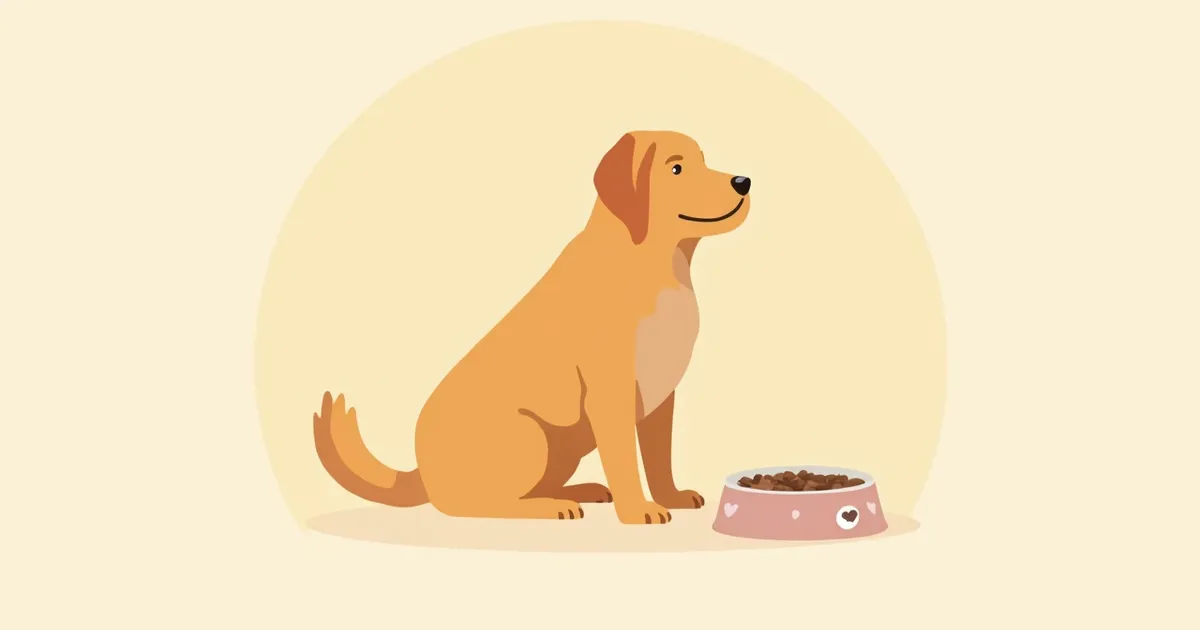
A puppy enjoying a meal of food that supports liver health.

Certain Breeds Are More Susceptible to Liver Disease

Certain breeds, such as Border Terriers, Cocker Spaniels, Miniature Schnauzers, and Shetland Sheepdogs, may be more susceptible to liver and biliary tract diseases. If there is a genetic predisposition, regular liver function tests are necessary.

Reviewed by a veterinarian

Dr. Tony — Punnawat Phongkittirak

Dr. Tony — Punnawat Phongkittirak

Veterinarian

A veterinarian who majored in veterinary medicine at Khon Kaen University, Thailand, and completed the IVSA program at North Carolina State University in the United States. Drawing on clinical experience at animal hospitals, he works in the pet healthcare field and is dedicated to building a digital care environment that connects pet parents with veterinarians.

Frequently Asked Questions

Does a high ALT or ALP level always mean liver disease?
Not every case indicates liver disease. Steroid (glucocorticoid) use can mildly elevate ALP, bone growth in young puppies can mildly raise B-ALP, and severe muscle damage can increase ALT. It’s essential to accurately identify the underlying cause.
Is it okay if there are no symptoms even though liver enzymes are elevated?
Not necessarily. In the early stages, there may be no symptoms. Since ALP levels can rise before jaundice appears, it’s important to detect the condition early through regular check-ups.
Can taking steroid medications cause elevated ALT and ALP levels?
Yes, steroids (glucocorticoids) induce the synthesis of ALP, thereby elevating ALP levels. However, ALT is generally not induced by the medication itself. It is essential to disclose whether any medications are being used.
When should I start giving my pet a liver protectant?
Take this medication only as prescribed by your veterinarian. Overdosing can actually strain the liver, so never administer it on your own without professional guidance.
Does a decline in liver function shorten lifespan?
It depends on the cause and whether early intervention is provided. With early diagnosis and proper management, most pets can maintain a good quality of life.

Share

Related Guides

References

[1] Fundamentals of Veterinary Clinical Pathology, 3rd Edition, 2005

[2] Plumb's Veterinary Drug Handbook, 9th Edition, 2021

[3] Veterinary Internal Medicine: Diagnosis and Treatment, 8th Edition, 2020

This information is based on veterinary literature and does not replace diagnosis or treatment. Please consult a veterinarian for specific health concerns.

Metapet Co., Ltd. | CEO: Park Sung-yong | Business Reg. No. 417-88-02562 | Seoul, South Korea | Customer Center

Dog's Liver Enzymes (ALT/ALP) High? Causes & When to See a Vet | Meongsiljang