Like
Share
멍실장
강아지 중성화 수술 최적 시기 증상과 원인, 진단·치료와 관리 포인트 총정리

Optimal Timing for Dog Neutering: Symptoms, Causes, Diagnosis, Treatment, and Care Points Summary

Lifestyle & Age CareDiseasesMeongsiljang Veterinary Advisory Board

The optimal timing for neutering your dog varies depending on breed and body size. It’s important to have the procedure done at the right time to help prevent reproductive diseases and improve behavior.

What Is the Optimal Timing for Dog Neutering?
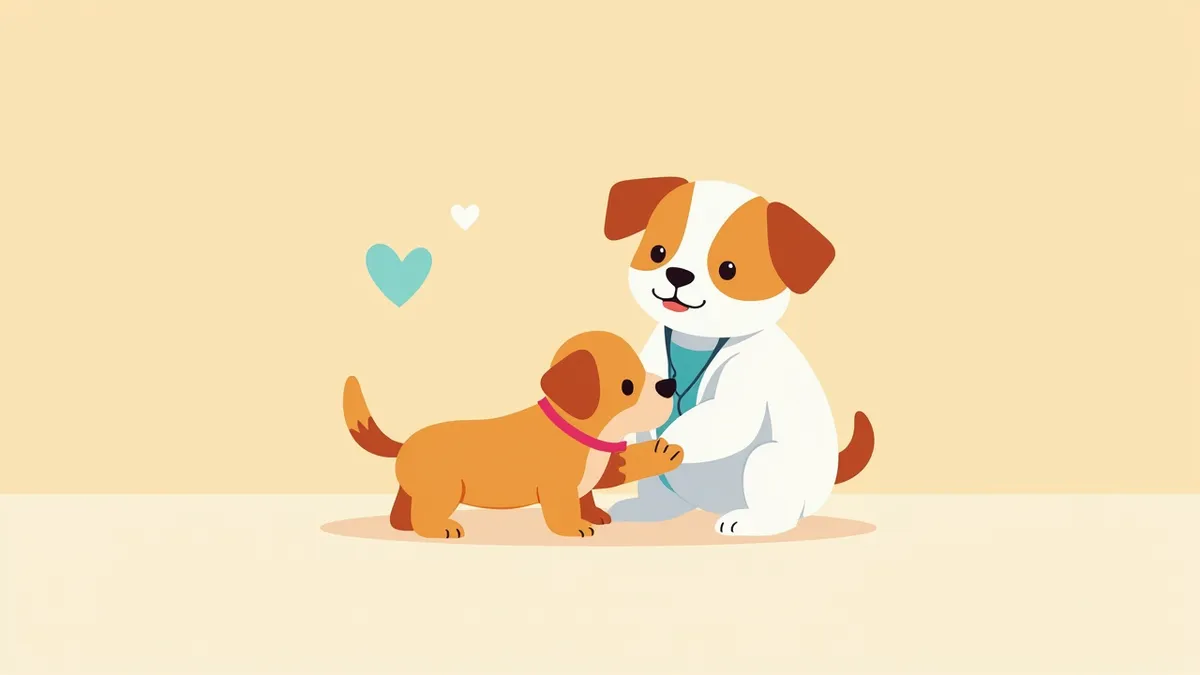
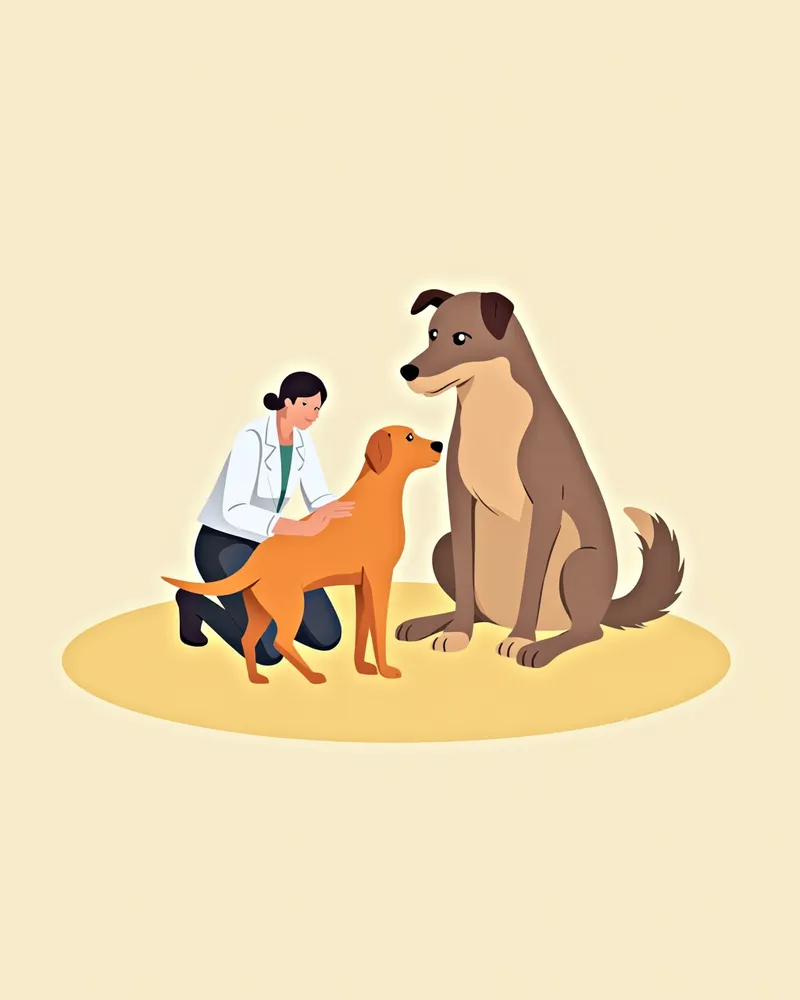
A scene of a pre-neutering examination for a puppy
The optimal time for spaying or neutering a dog refers to the appropriate timing chosen to prevent reproductive diseases and improve behavior. The ideal timing varies depending on the dog’s weight, breed, and growth rate.
Neutering during the growth phase: For small-breed dogs weighing less than 5 kg, the procedure is generally recommended once growth has begun, typically around 6 months of age. The decision should be made based on the individual dog’s health status and in consultation with a veterinarian.
Neutering during the maturation phase: For medium-breed dogs, the procedure is commonly performed after 6 months of age, depending on when growth is complete. Regular veterinary check-ups are necessary to determine the appropriate timing.
Neutering after adulthood: For large-breed dogs, it is advisable to consider neutering after the long bones (such as the femur) have finished growing, which is usually after 9 to 12 months of age, though this can vary by breed. Early neutering may increase the risk of orthopedic issues such as hip dysplasia or cruciate ligament disease, so the procedure is typically performed later.
It is important to consult with your veterinarian to determine the most suitable timing for your individual dog.

Main Reasons for Neutering Surgery

Spaying is primarily performed to prevent reproductive diseases and improve behavior, with solid veterinary support.
Prevention of reproductive diseases: It reduces the risk of tumors in the ovaries or uterus, as well as pyometra (uterine infection). Spaying before the first heat cycle decreases the risk and severity of mammary tumors (breast cancer). Notably, about 50% of mammary tumors in unspayed females are malignant.
Behavioral improvement: It may positively affect behaviors such as aggression, barking, and roaming, but individual differences are significant, and results vary among dogs. Research suggests that the timing of spaying may have limited effects on most dogs' behaviors.
Prevention of obesity: After spaying, hormonal changes can increase the risk of obesity, but this can be managed through proper diet control and exercise.
Social responsibility: It helps prevent indiscriminate breeding, reducing the problem of pet overpopulation and abandonment.
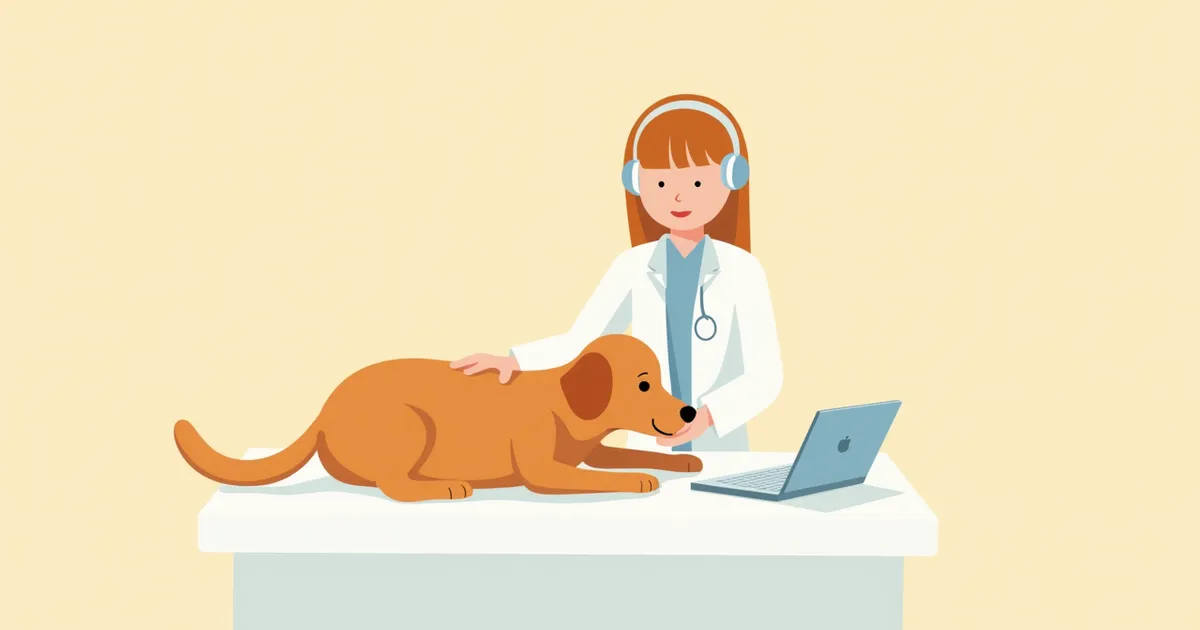
The veterinarian is explaining the neutering procedure.

Checklist of Key Symptoms Before and After Neutering Surgery

There are certain signs you should watch for closely before and after your pet’s spay or neuter surgery. If you notice any unusual symptoms, it’s best to contact your veterinarian right away.
Anxiety or Restlessness: Changes in environment may cause your pet to act more anxious than usual or bark excessively.
Changes in Appetite: Keep an eye on whether your pet is eating less than normal before or after the procedure.
Urine Appearance: Check if the color of the urine looks different from usual or if there are any difficulties with urination.
Decreased Activity: Due to anesthesia and the effects of surgery, your pet may seem more sleepy or less active than usual.
Swelling or Bleeding: The surgical site may become swollen or start bleeding. Early detection of such complications is crucial.
Post-neutering surgery site care scene

Symptoms Requiring Immediate Veterinary Visit

If any of the following symptoms appear within 24 hours after neutering surgery, please contact your veterinarian immediately, as they may indicate a complication.

Diagnostic Procedures for Neutering Surgery
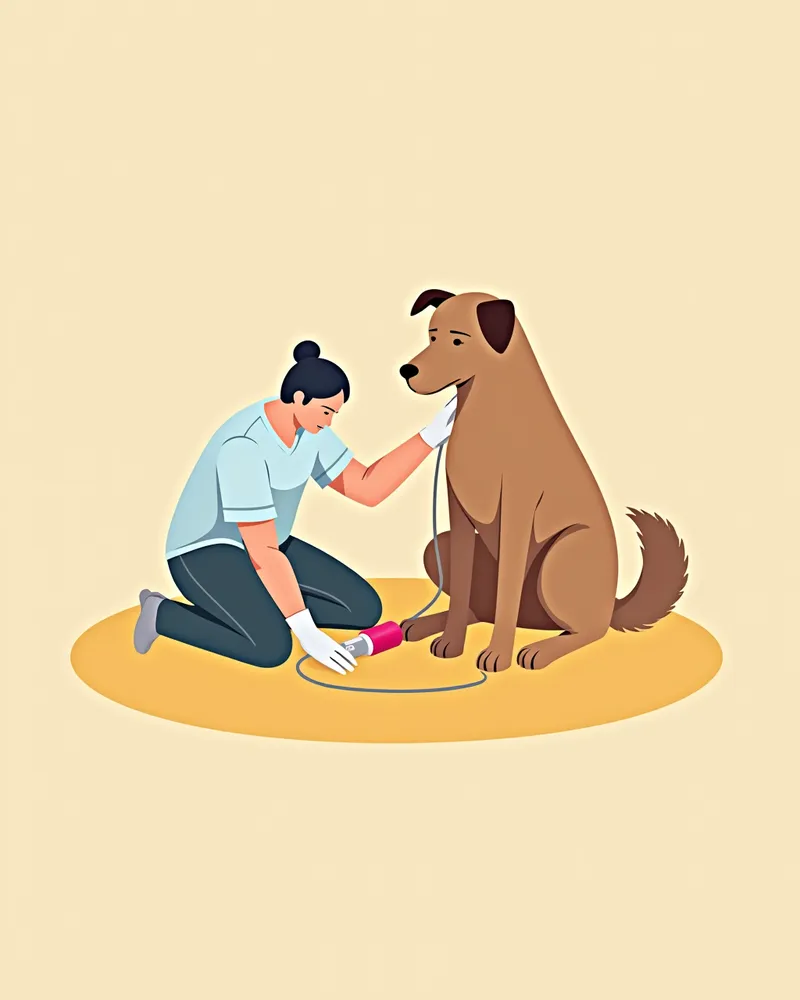
Before your dog’s neutering surgery, a preoperative assessment is essential to ensure safe anesthesia and surgery. The veterinarian will conduct various tests to confirm that your pet is a suitable candidate for the procedure.
Blood tests: These evaluate liver and kidney function to ensure your dog can safely tolerate anesthesia and surgery.
Physical examination: This assesses overall health and checks for any abnormal signs.
Cardiac evaluation: If needed, heart auscultation or additional tests are performed to check for any cardiac abnormalities.
Urinalysis: This helps detect infections and assess kidney function.
Weight measurement: This provides important information for determining the appropriate anesthetic dosage.
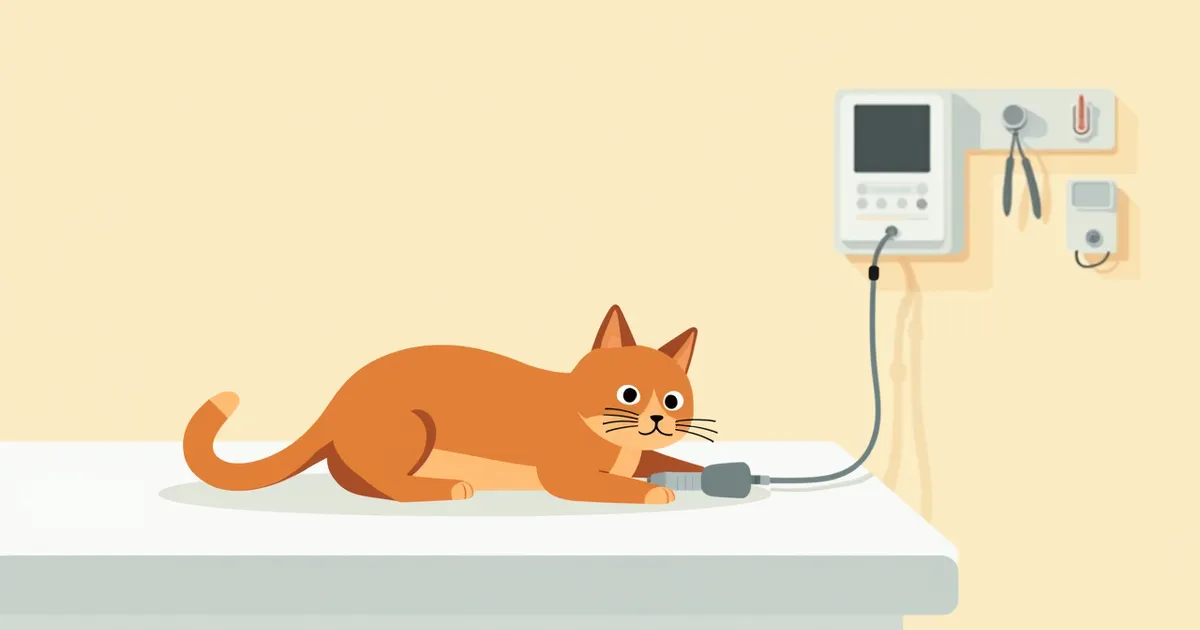
During surgery, vital signs such as heart rate, blood pressure, respiration, oxygen saturation, and depth of anesthesia are continuously monitored to ensure your pet’s safety.
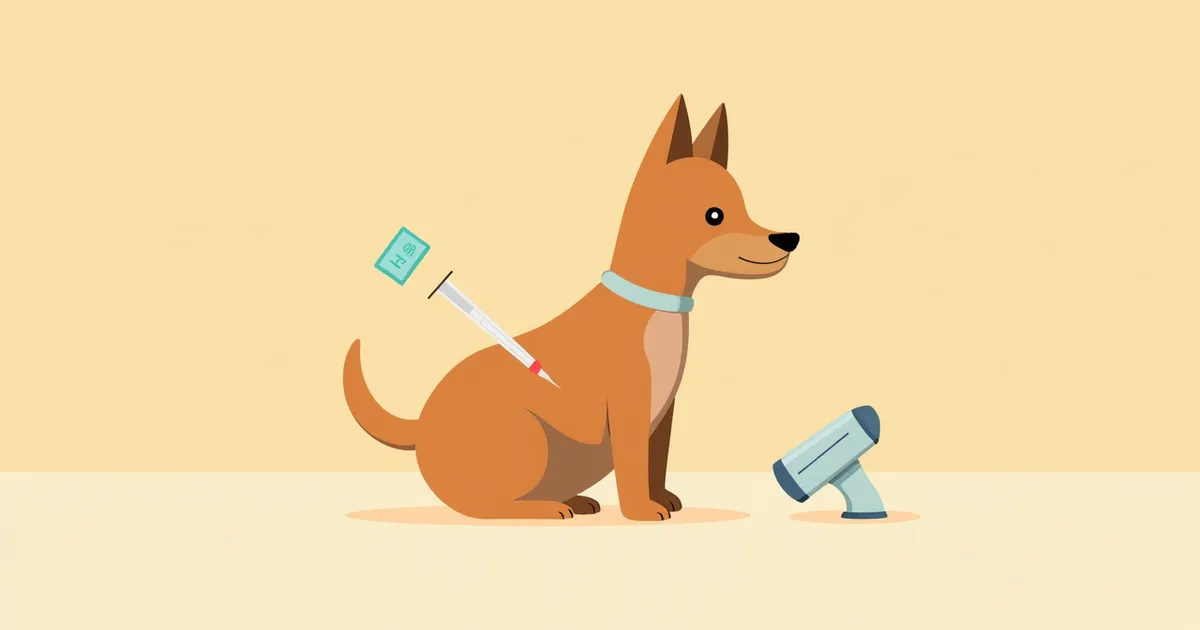
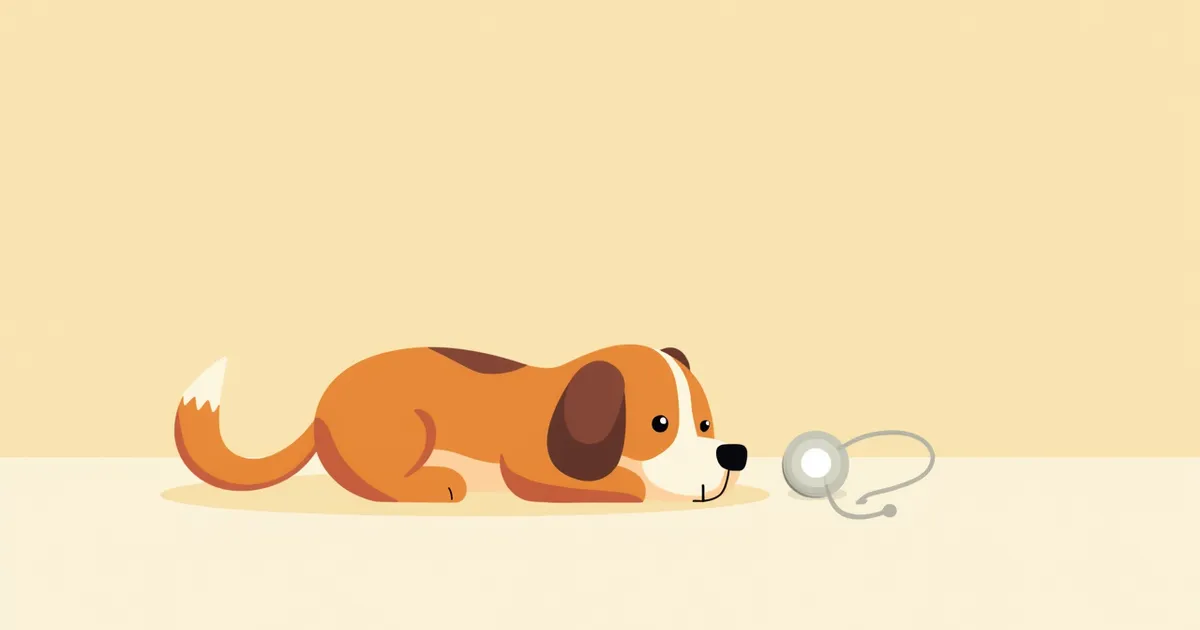
A puppy undergoing a pre-surgical blood test before neutering.

Treatment and Surgical Procedures for Neutering
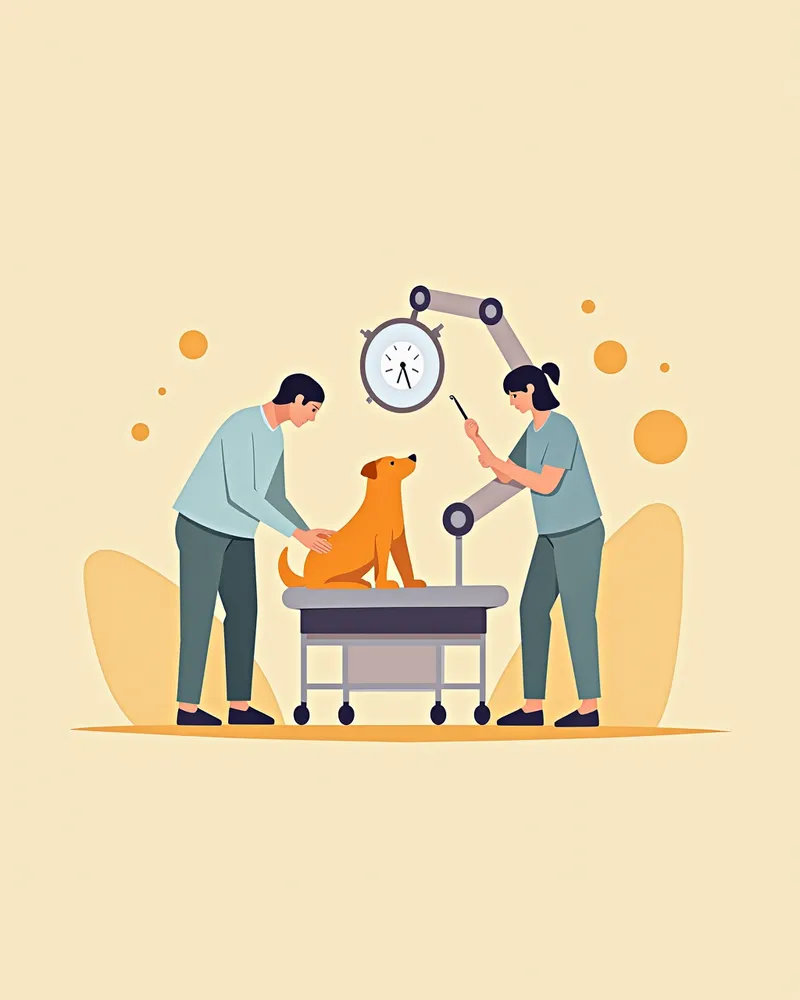
Spay surgery for dogs is performed under general anesthesia, and there are mainly two surgical methods. During the estrus cycle, blood flow to the reproductive organs and mammary glands increases, and the uterus becomes weaker and more prone to tearing. Therefore, the surgery is typically performed during the non-estrus period.
Ovariohysterectomy (OHE): This is the traditional method of removing both the ovaries and the uterus. It provides stable surgical outcomes.
Ovariectomy (OVE): This method involves removing only the ovaries. Even if only the ovaries are removed, the remaining uterus gradually shrinks and leaves only a trace. This method is commonly used in Europe and in laparoscopic spaying.
Laparoscopic (Minimally Invasive) Surgery: Some clinics attempt to use laparoscopy to make smaller incisions and aid recovery.
Post-Anesthesia Care: After the surgery, the dog’s condition is monitored for a certain period, and pain relief medication is administered accurately.
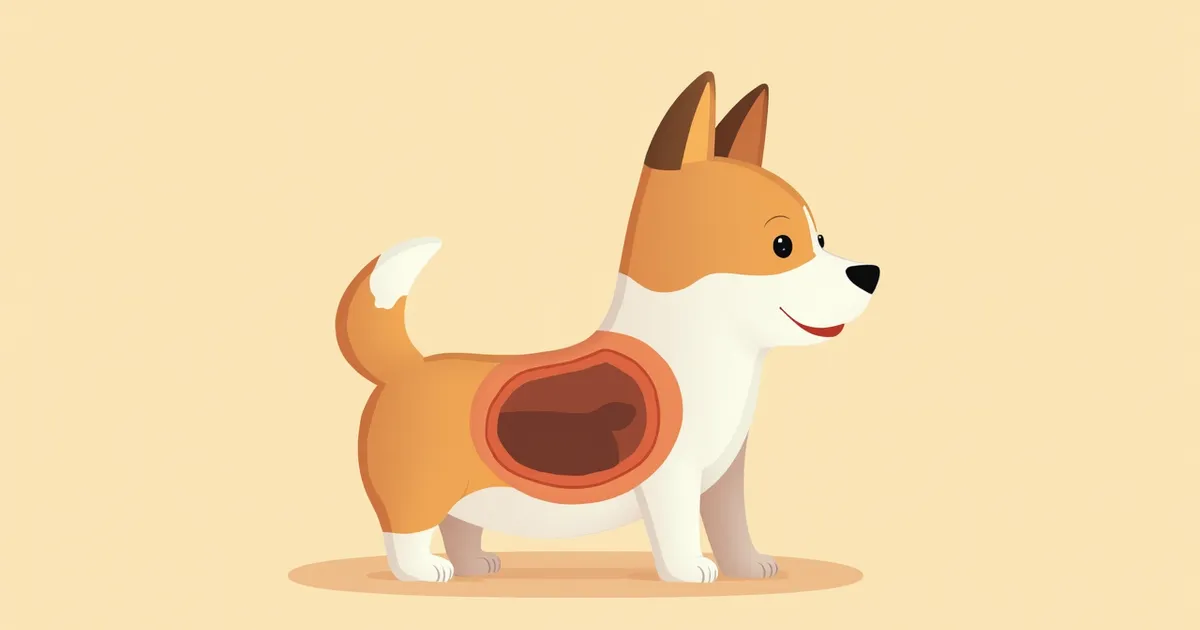
A scene of neutering surgery performed using robotic surgery

Post-Neutering Care Points at Home

Proper at-home care after neutering is crucial for a speedy recovery and preventing complications. Diligent attention is essential.
Elizabethan collar: Keep the collar on to prevent your dog from licking or chewing the surgical site.
Activity restriction: Avoid strenuous exercise during the recovery period and ensure your dog gets plenty of rest.
Diet management: Start with small portions of recovery food as directed by your veterinarian, and control portions to prevent overeating. After neutering, hormonal changes can make weight gain more likely, so long-term dietary management is helpful.
Wound care: Check the surgical site daily for any signs of swelling, bleeding, odor, or other abnormalities.
Medication administration: Administer the prescribed antibiotics and pain relievers exactly as directed by your veterinarian.
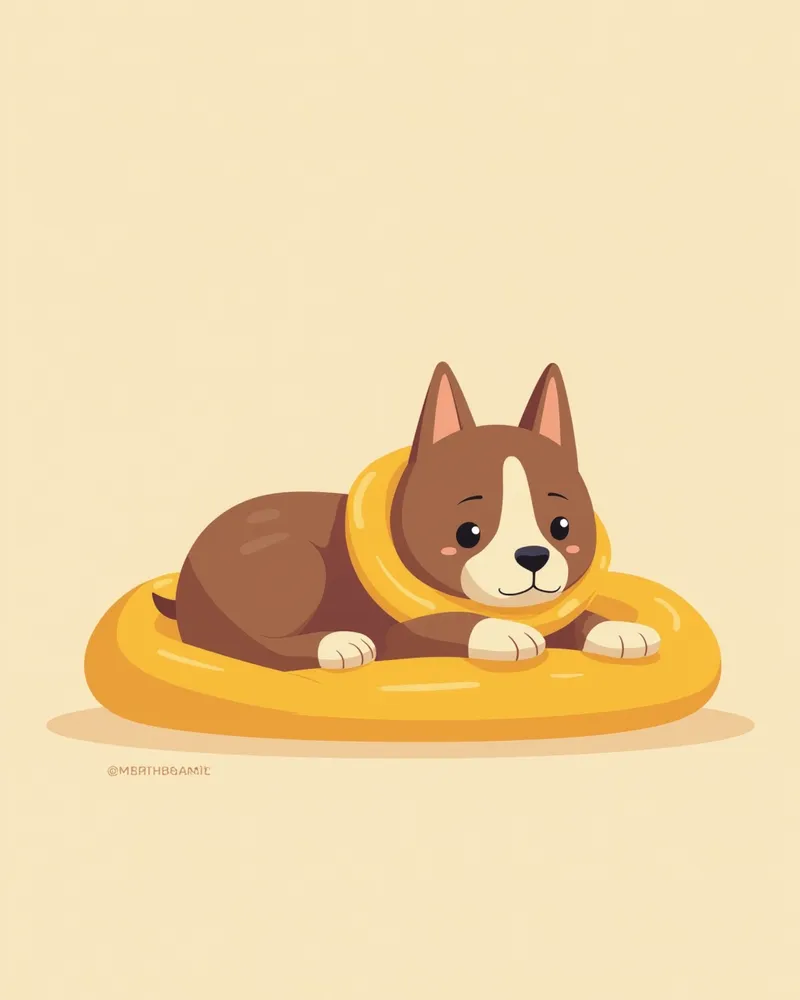
Dogs wearing an Elizabethan collar after neutering surgery

Precautions for Large-Breed and Small-Breed Dogs

For large-breed dogs, it’s best to consider spaying or neutering after the growth of the long bones is complete, as their growth period is longer. Early sterilization can increase the risk of orthopedic issues such as hip dysplasia and cruciate ligament disease in large breeds. In contrast, small-breed dogs typically finish growing earlier, so the procedure is often performed at around six months of age. It’s important to take into account both the breed-specific growth rate and the individual dog’s health status.

Reviewed by a veterinarian

Dr. Tony — Punnawat Phongkittirak

Dr. Tony — Punnawat Phongkittirak

Veterinarian

A veterinarian who majored in veterinary medicine at Khon Kaen University, Thailand, and completed the IVSA program at North Carolina State University in the United States. Drawing on clinical experience at animal hospitals, he works in the pet healthcare field and is dedicated to building a digital care environment that connects pet parents with veterinarians.

Frequently Asked Questions

When is the best time to have my dog spayed or neutered?
For small-breed dogs, the procedure is typically performed after growth is complete, usually around 6 months of age. For medium-breed dogs, it is also commonly done at around 6 months of age. For large-breed dogs, it is recommended to wait until pelvic growth has ceased, which is typically between 9 and 12 months of age. Please consult with your veterinarian to determine the best timing based on your dog’s individual circumstances.
Does behavior change after spaying or neutering?
You may notice changes such as reduced aggression, less frequent barking, and decreased marking or roaming. However, individual variation is significant, and not all dogs will exhibit the same results. Research suggests that the timing of neutering may have a limited impact on most behavioral aspects in dogs.
Is spaying or neutering painful?
Since anesthesia is used, your pet won’t feel any pain during the surgery. There may be some discomfort during recovery, but it will be managed with pain medication.
Can spaying or neutering lead to obesity?
After neutering, hormonal changes can increase your dog’s appetite and make them more prone to obesity. However, this can be prevented with proper portion control and regular exercise. It’s important to consistently monitor your dog’s energy expenditure and weight changes.
What problems can occur if a pet is not spayed or neutered?
The risk of reproductive tract diseases, such as pyometra and ovarian or uterine tumors, increases, as does the likelihood of mammary gland tumors (mammary cancer). In particular, spaying before the first heat cycle can reduce both the risk and severity of mammary tumors, making it worthwhile to consider the timing of the procedure.

Share

Related Guides

References

[1] The Dog Care Handbook, Things I Wish My Vet Had Told Me, 2024

[2] Handbook on Field Veterinary Surgery, Ch19: Ovariohysterectomy in Canines and Felines, 2023

[3] The Cat, Clinical Medicine and Management, 2nd Edition, 2022

This information is based on veterinary literature and does not replace diagnosis or treatment. Please consult a veterinarian for specific health concerns.

Metapet Co., Ltd. | CEO: Park Sung-yong | Business Reg. No. 417-88-02562 | Seoul, South Korea | Customer Center

Best Time to Neuter Your Dog: Symptoms, Causes & Care | Meongsiljang