

Canine Ascites and Liver Disease: Symptoms, Causes, Diagnosis, Treatment, and Management Essentials
Canine ascites and liver disease are conditions in which fluid accumulates in the abdominal cavity due to impaired liver function, making early detection and proper management crucial. Common symptoms include abdominal distension, loss of appetite, and weight loss.
Canine ascites and liver disease are conditions in which fluid accumulates in the abdominal cavity due to impaired liver function.
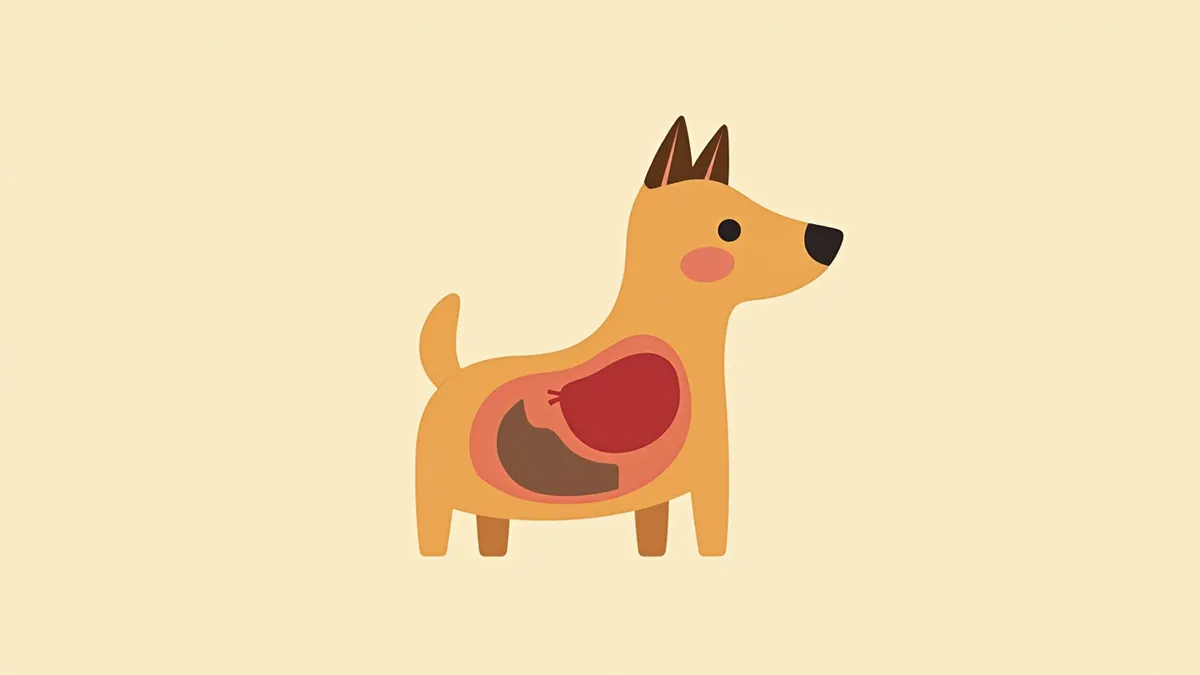
The primary causes of ascites and liver disease in dogs include hepatocyte damage, cirrhosis, drug-induced toxicity, and heart failure.
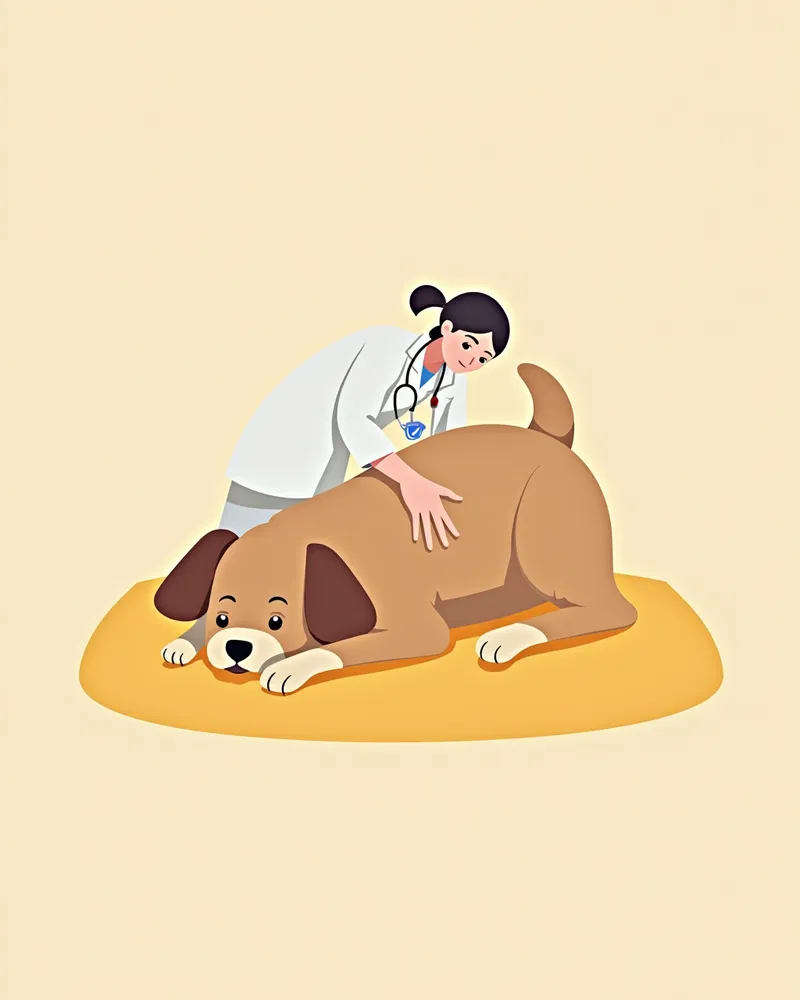
The main symptoms of ascites and liver disease in dogs are abdominal distension, loss of appetite, weight loss, and lethargy.

Signs Requiring Immediate Veterinary Care
If your dog suddenly becomes extremely lethargic, confused, or experiences severe vomiting or difficulty breathing, seek veterinary care immediately. These symptoms may indicate a rapid decline in liver function or cerebral edema (hepatic encephalopathy). Delaying treatment can be life-threatening, so prompt action is essential.
Diagnosing ascites and liver disease in dogs involves blood tests, ultrasound, and biopsy.
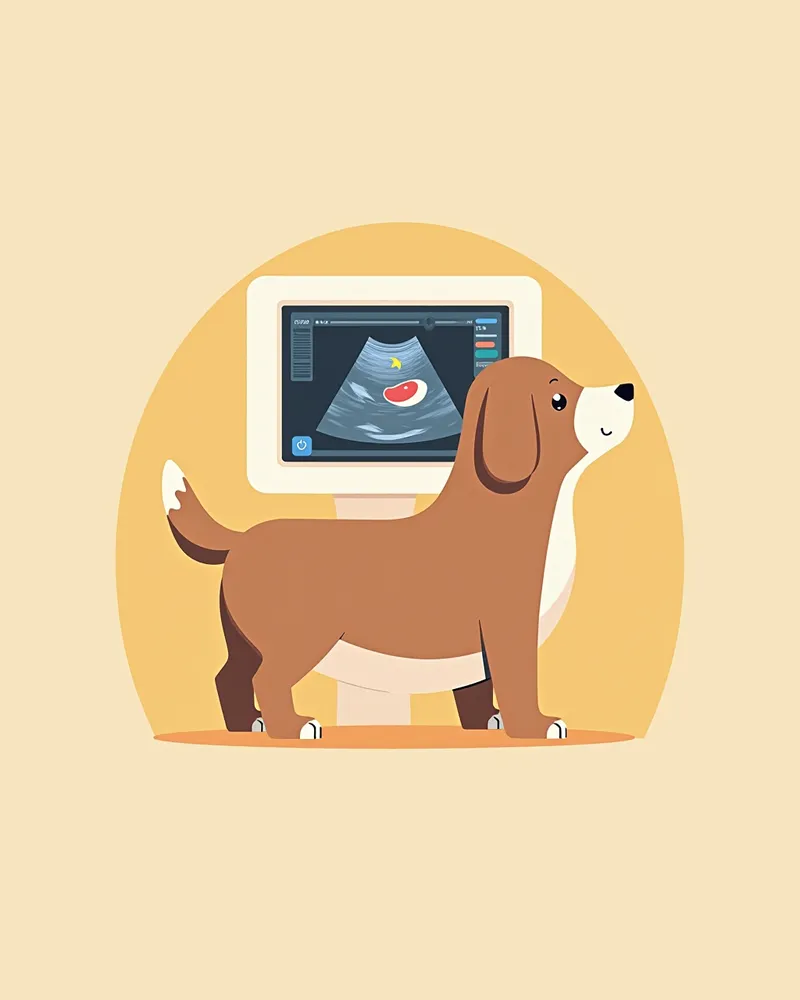
Treatment for ascites and liver disease in dogs involves addressing the underlying cause, medication, and dietary management.

Key aspects of home management for ascites and liver disease in dogs include dietary management, medication adherence, and regular check-ups.

Certain breeds are more susceptible to liver disease.
Certain breeds, such as Miniature Schnauzers, Cocker Spaniels, Shetland Sheepdogs, and Border Terriers, are known to have a relatively higher risk of liver and gallbladder disease due to genetic factors. Additionally, small breeds like Lhasa Apsos, Shih Tzus, and Pugs are predisposed to congenital portosystemic shunts (blood vessels that bypass the liver), which can lead to ascites or hepatic encephalopathy, making regular check-ups essential.
Reviewed by a veterinarian

Dr. Tony — Punnawat Phongkittirak
VeterinarianA veterinarian who majored in veterinary medicine at Khon Kaen University, Thailand, and completed the IVSA program at North Carolina State University in the United States. Drawing on clinical experience at animal hospitals, he works in the pet healthcare field and is dedicated to building a digital care environment that connects pet parents with veterinarians.
Reviewed 2026-06-07
Frequently Asked Questions
Does ascites in dogs often recur?
Is surgery necessary to remove ascites?
How long should my pet take liver protectants?
How should I manage my pet’s diet?
Does the development of ascites reduce a pet’s quality of life?
Share
Related Guides

7 Key Symptoms and Management Essentials for Canine Cholecystitis Recommended by Veterinarians

Top 5 Milk Thistle (Silymarin) Liver Supplements for Dogs — A Comparison Guide Based on Silybin Content and Absorption Rates

Top Prescription Diets for Dogs with Liver Disease and Selection Criteria

If Your Dog Keeps Bumping Into Things at Night — Symptoms and Progression Stages of Progressive Retinal Atrophy
If Your Dog Suddenly Collapses and Vomits — Emergency Signs and Treatment of Diabetic Ketoacidosis

Feline Foreign Body Obstruction: Symptoms, Causes, Diagnosis, Treatment, and Care Essentials

Dog Foreign Body Obstruction: Symptoms, Causes, Diagnosis, Treatment, and Care Essentials

Canine Megaesophagus: Symptoms, Causes, Diagnosis, Treatment, and Management Essentials

Hydrocephalus in Dogs: Symptoms, Causes, Diagnosis, Treatment, and Management Essentials

If Your Cat Tilts Its Head and Stumbles — Causes, Diagnosis, and Emergency Response for Vestibular Syndrome
References
[1] Notes on Canine Internal Medicine, 4th Ed. (2023). Chapter on Hepatic Disease and Ascites.
[2] Fundamentals of Veterinary Clinical Pathology, 3rd Edition. (2022). Liver Enzyme Interpretation and Hepatopathy Diagnosis.
[3] BSAVA Manual of Canine and Feline Dermatology, 4th Ed. (2021). Drug-Induced Hepatotoxicity and Liver Enzyme Changes.