Like
Share
멍실장
강아지 쿠싱 진단검사(LDDS/HDDS) 증상과 원인, 진단·치료와 관리 포인트 총정리

Complete Guide to Canine Cushing’s Diagnostic Tests (LDDS & HDDS) — Interpreting Results and Treatment Timing

EndocrineDiseasesMeongsiljang Veterinary Advisory Board

Canine Cushing’s syndrome is an endocrine disorder caused by excessive cortisol production, and it can be accurately diagnosed through LDDS and HDDS tests. Get a clear overview of the symptoms, causes, and treatment options.

Canine Cushing’s Syndrome Is an Endocrine Disorder Caused by Excessive Cortisol Secretion
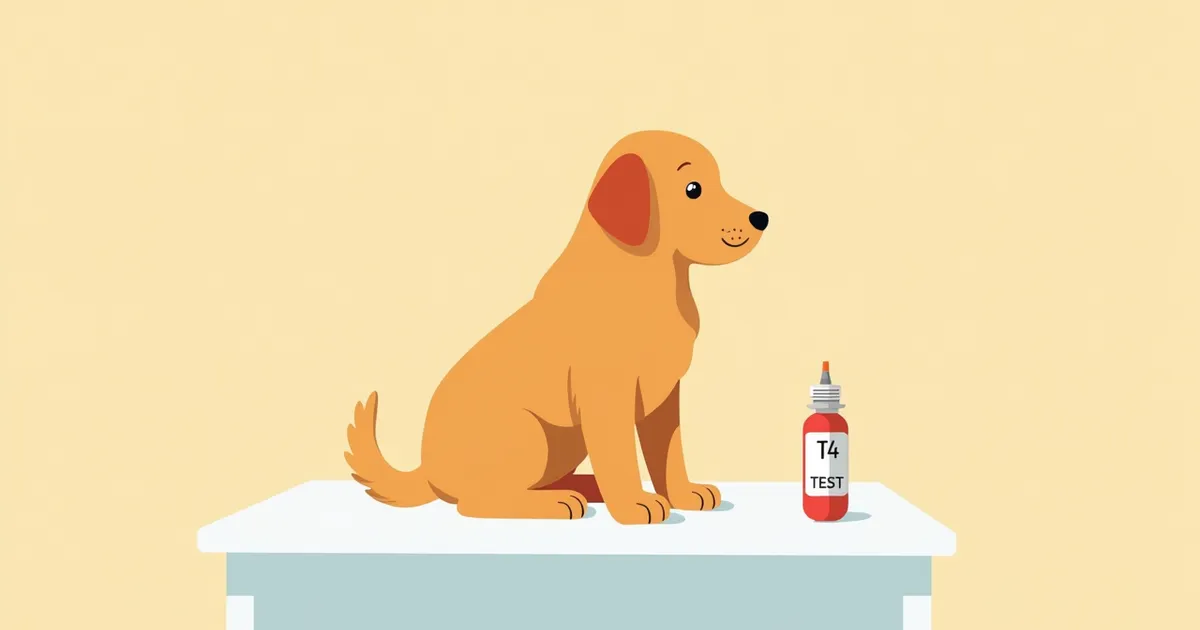
A scene of drawing blood from a puppy for Cushing's disease diagnosis.
Canine Cushing’s disease is an endocrine disorder caused by excessive secretion of cortisol (a glucocorticoid) due to abnormalities in the pituitary gland or adrenal cortex. It is most commonly seen in middle-aged to senior dogs, with the typical age of onset ranging from 7 to 9 years. Common symptoms include lethargy, excessive thirst (polydipsia), frequent urination (polyuria), and a distended abdomen (often described as a “pot-bellied” appearance). These signs occur because excess cortisol disrupts cellular function, metabolism, and fluid balance throughout the body. Early detection is crucial, and regular veterinary check-ups can help identify the condition at an early stage. For accurate diagnosis, veterinarians typically use the low-dose dexamethasone suppression test (LDDS) and the high-dose dexamethasone suppression test (HDDS). It’s important to stay vigilant and seek veterinary advice as soon as even mild symptoms begin to appear.

The Main Causes of Cushing’s Syndrome Are Abnormalities in the Pituitary Gland or Adrenal Cortex
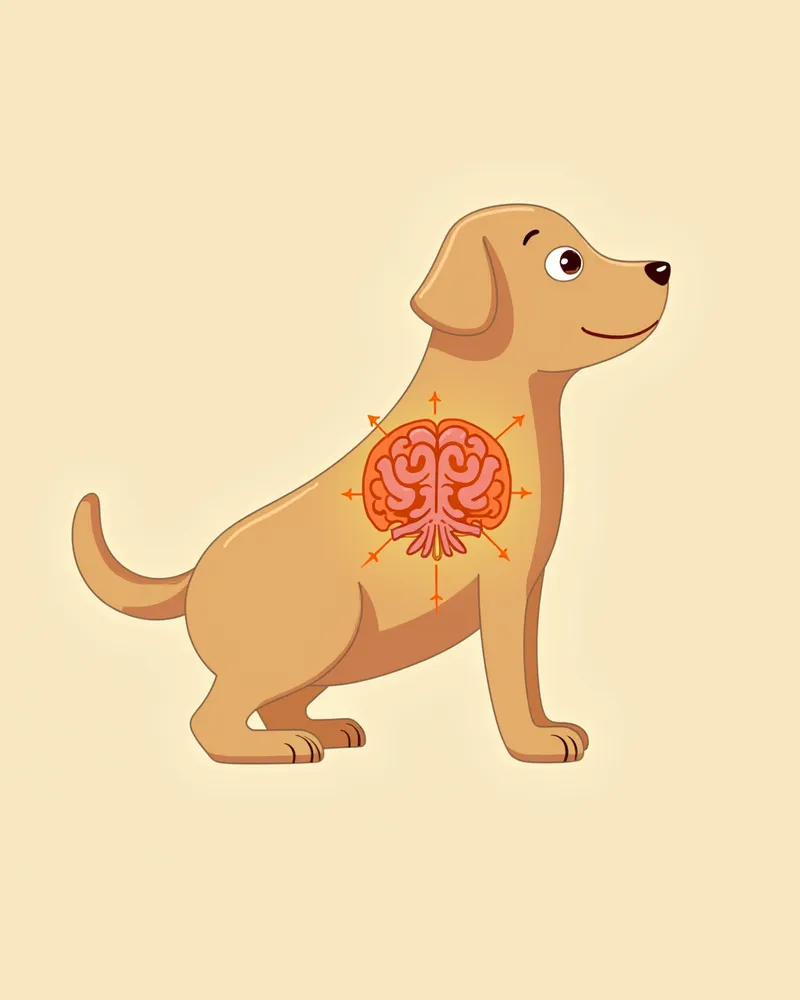
About 85% of canine Cushing’s disease cases are caused by tumors in the pituitary gland—most commonly microadenomas—that excessively secrete ACTH. This overstimulates the adrenal cortex, leading to excessive cortisol production, a condition known as pituitary-dependent hyperadrenocorticism (PDH). The remaining 15% of cases result from tumors in the adrenal cortex itself, such as adenomas or carcinomas, referred to as adrenal-dependent hyperadrenocorticism (ADH). Additionally, iatrogenic (drug-induced) Cushing’s disease can occur due to long-term use of steroid medications. While pituitary-dependent cases are more common, adrenal tumors may be treatable through surgical removal. Accurately identifying the underlying cause is crucial for determining the appropriate treatment plan, making regular veterinary check-ups essential.
The anatomical structure of a dog’s pituitary gland and adrenal cortex

Key Symptoms Include Excessive Thirst, Excessive Urination, and Abdominal Distension
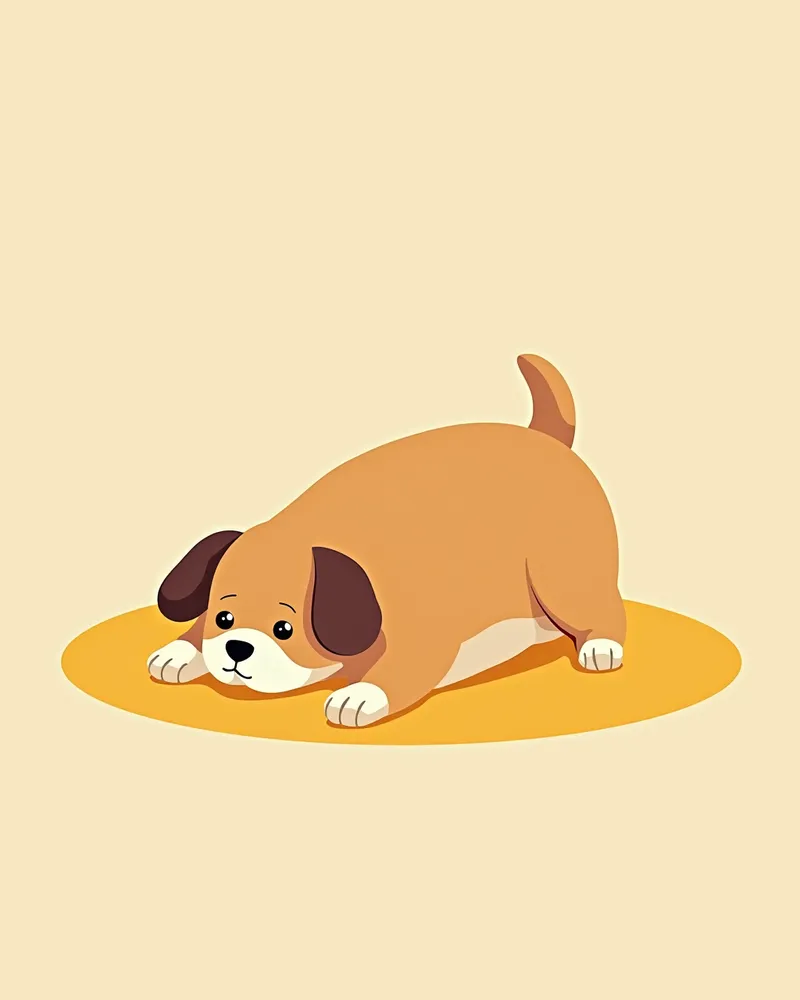
The hallmark signs of Cushing’s disease in dogs are excessive thirst (polydipsia) and excessive urination (polyuria). Typically, increased urination occurs first, which then leads to heightened thirst and increased water consumption. Other common symptoms include a distended abdomen (often described as a “pot-bellied” appearance), muscle weakness, thinning skin, delayed wound healing, and symmetrical hair loss on both sides of the body. It is important to note that the characteristic hair loss involves shedding rather than excessive hair growth. In the early stages, symptoms may be subtle and easily overlooked by pet owners. Therefore, middle-aged and senior dogs should be monitored closely. If symptoms progressively worsen, a veterinary visit is essential.
A dog with Cushing's syndrome showing abdominal distension and muscle weakness

Symptoms Requiring Immediate Veterinary Visit

If your dog suddenly loses its appetite, vomits, has diarrhea, or shows signs of shock (such as fainting or difficulty breathing), take it to the vet immediately. These symptoms may indicate worsening Cushing’s disease or the onset of adrenal insufficiency. The risk is especially high when your dog is undergoing medication.

LDDS and HDDS Tests Are Key to Diagnosing Cushing’s Syndrome
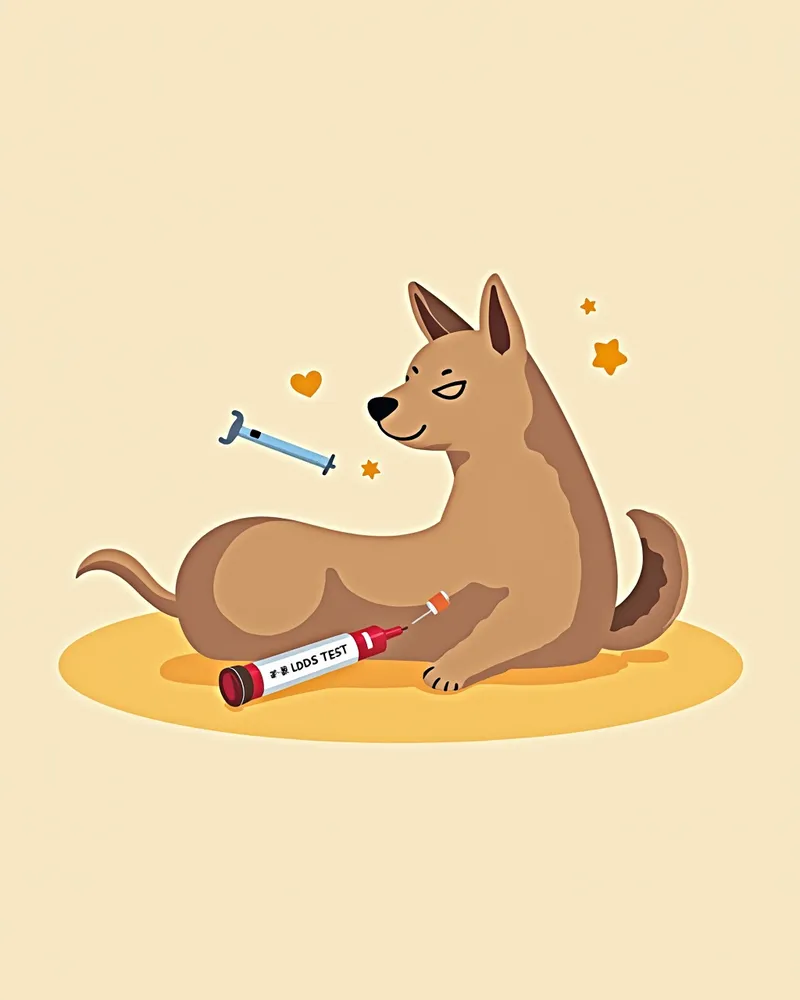
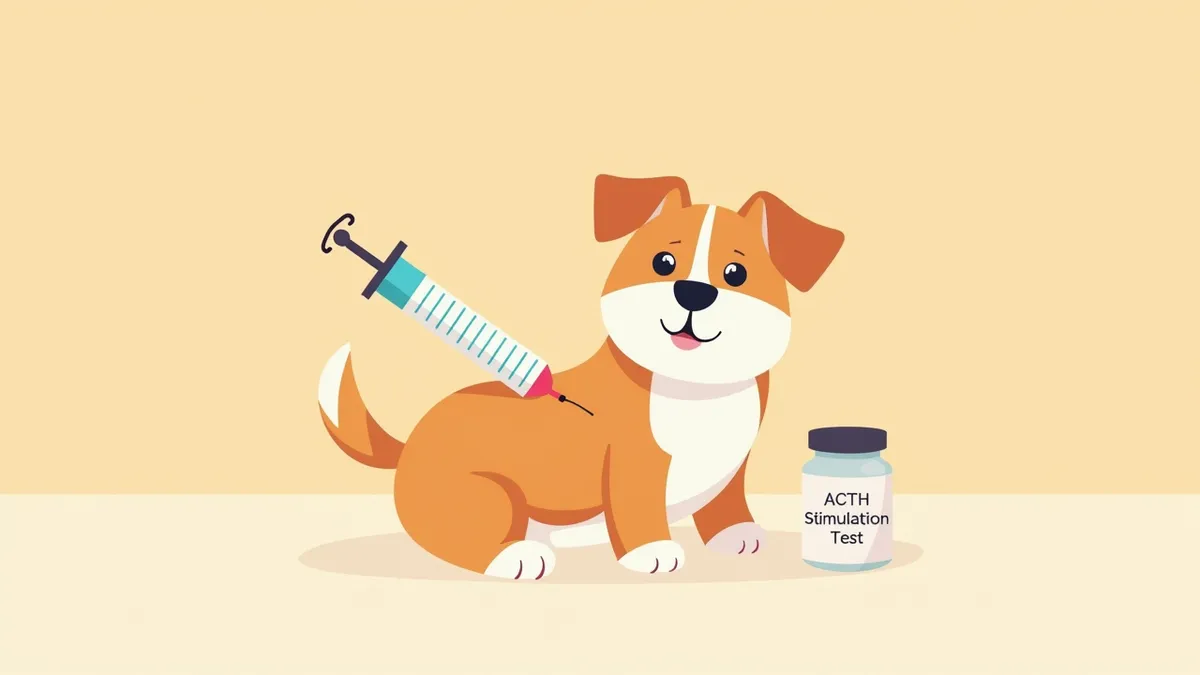
The low-dose dexamethasone suppression test (LDDS) and the high-dose dexamethasone suppression test (HDDS) are essential for diagnosing Cushing’s syndrome. First, a baseline blood sample is collected, followed by an intravenous injection of dexamethasone. Blood is then drawn again at 4 and 8 hours to measure cortisol levels. In healthy dogs, dexamethasone strongly suppresses cortisol production, whereas in dogs with Cushing’s syndrome, this suppression is insufficient, aiding in diagnosis. The LDDS is primarily used to screen for and confirm Cushing’s disease, while the HDDS helps differentiate between pituitary-dependent hyperadrenocorticism (PDH) and adrenal-dependent causes. It is crucial to inform your veterinarian about any medications your dog is currently taking. Please follow your veterinarian’s guidance to ensure an accurate diagnosis.
A scene showing a dog receiving an ACTH injection and undergoing a blood test.

Treatment Methods Are Divided Into Medication and Surgery
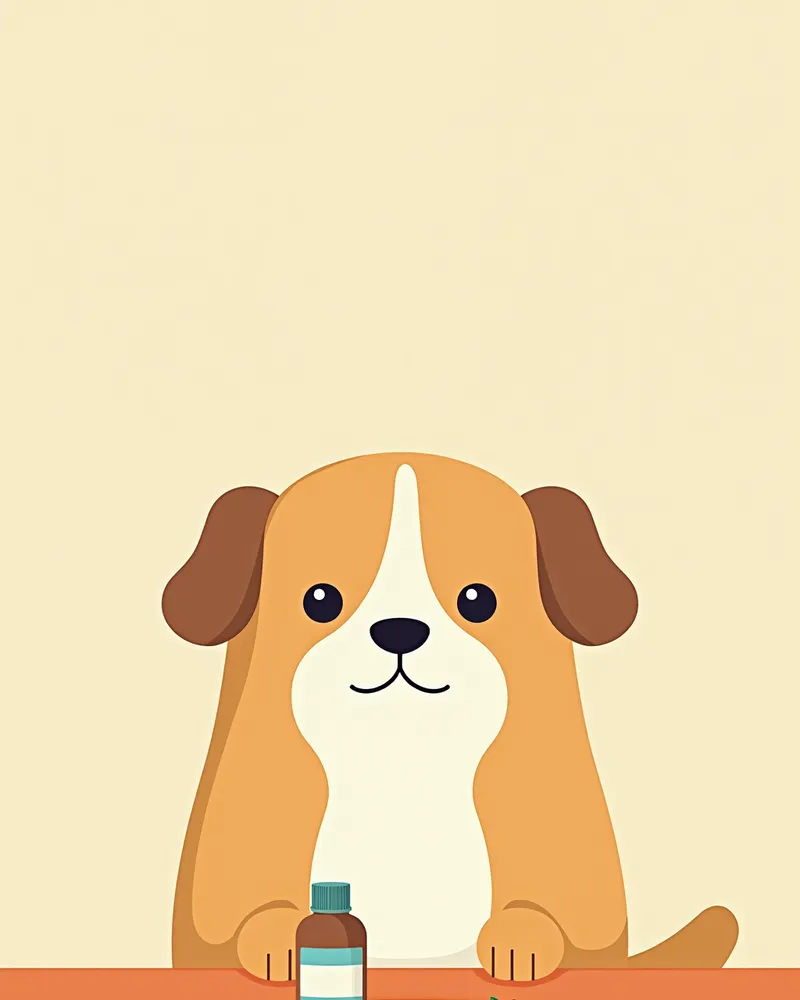
Treatment for Cushing’s syndrome falls into two main categories: medication and surgery. The most commonly prescribed medication is trilostane, which suppresses hormone production in the adrenal cortex. Dosages are carefully adjusted based on your pet’s weight and condition, with more frequent administration typically required during the initial phase of treatment. Surgery may be considered if an adrenal tumor is present, though it is a complex procedure with higher risks. Throughout treatment, regular blood tests are essential to monitor both the effectiveness of the medication and any potential side effects. Close collaboration with your veterinarian is key to successful management.
Dogs taking trilostane medication

Home Care Centers on Regular Check-ups and Lifestyle Adjustments

Home care for Cushing’s disease centers on regular check-ups and lifestyle adjustments. Once medical treatment with drugs like trilostane begins, your veterinarian will schedule periodic re-evaluations, typically involving ACTH stimulation tests every three to six months to monitor drug efficacy and side effects. Monitoring is especially crucial during the first year of treatment, as dosage adjustments may be necessary. Avoid excessive exercise, and encourage a balanced diet along with adequate water intake. It is also important to minimize stress and maintain a consistent daily routine. Establish a habit of administering medication at the same time each day to avoid missed doses, as your consistent care plays a major role in the success of the treatment.
A dog that eats a balanced diet and stays well-hydrated

Certain Breeds Have a Higher Risk of Developing Cushing’s Syndrome

Poodles, Dachshunds, Boston Terriers, Boxers, and Beagles are reported to have a relatively higher risk of developing Cushing’s disease. Since Cushing’s disease primarily affects middle-aged to senior dogs, it is important for older pets to undergo regular health check-ups for early detection. Early diagnosis and appropriate treatment can help manage the condition effectively.

Reviewed by a veterinarian

Dr. Tony — Punnawat Phongkittirak

Dr. Tony — Punnawat Phongkittirak

Veterinarian

A veterinarian who majored in veterinary medicine at Khon Kaen University, Thailand, and completed the IVSA program at North Carolina State University in the United States. Drawing on clinical experience at animal hospitals, he works in the pet healthcare field and is dedicated to building a digital care environment that connects pet parents with veterinarians.

Frequently Asked Questions

What’s the difference between LDDS and HDDS tests?
The LDDS is a screening and confirmatory test that checks whether cortisol is suppressed after administering a low dose of dexamethasone, while the HDDS uses a high dose of dexamethasone. The HDDS helps differentiate between pituitary-dependent and adrenal-dependent causes.
Is Cushing’s syndrome treatable?
Yes, most cases can be managed with medication or surgery. Early diagnosis and consistent care are key.
What are the side effects of trilostane medication?
Symptoms may include vomiting, diarrhea, loss of appetite, and fatigue. In severe cases, adrenal insufficiency can develop, so it is important to consult with a veterinarian.
Does Cushing’s disease shorten a dog’s lifespan?
Without treatment, your pet’s lifespan may be shortened. However, with proper treatment and care, they can maintain a normal life expectancy.
How often should I have my pet undergo routine check-ups?
During medication treatment, ACTH stimulation tests are performed every 3 to 6 months. Once the condition stabilizes, tests are conducted at intervals of 6 months to 1 year.

Comparison Table: LDDS vs. HDDS Tests

ItemLDDS testHDDS test
DoseLow dose (0.01–0.015 mg/kg)High dose (0.1 mg/kg)
Administered drugDexamethasoneDexamethasone
Side effect riskLowLow to medium
Diagnostic suitabilityFor screening and confirming Cushing's diseaseFor differentiating the cause (PDH vs adrenal)

The HDDS test helps distinguish between pituitary-dependent (PDH) and adrenal-dependent causes, while the LDDS is reliable for confirming Cushing's disease. The test is chosen at the veterinarian's discretion.

Share

Related Guides

References

[1] BSAVA Manual of Canine and Feline Dermatology, 4th Ed, 2023

[2] 100 Top Consultations in Small Animal General Practice, Sheena Warman, 2021

[3] Clinical Medicine of the Dog and Cat, 4th Ed, 2022

This information is based on veterinary literature and does not replace diagnosis or treatment. Please consult a veterinarian for specific health concerns.

Metapet Co., Ltd. | CEO: Park Sung-yong | Business Reg. No. 417-88-02562 | Seoul, South Korea | Customer Center

Canine Cushing's Tests (LDDS & HDDS): Results & Treatment | Meongsiljang