

Feline Liver Abscess: Symptoms, Causes, Diagnosis, Treatment, and Care Essentials
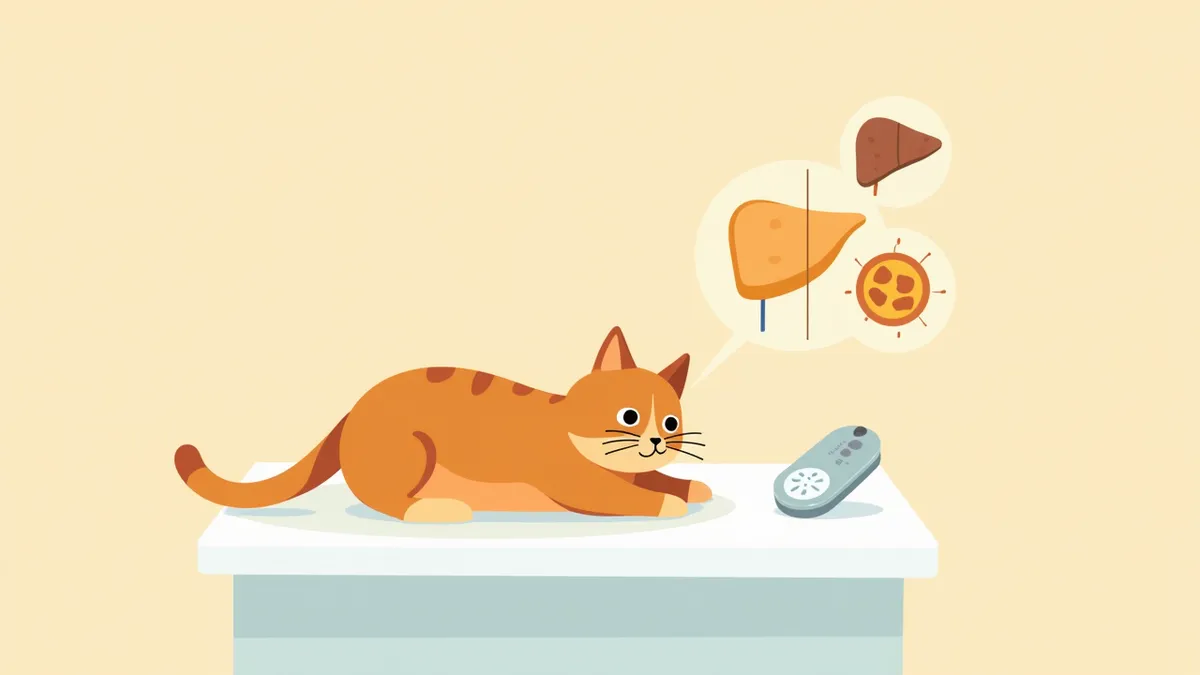
A feline liver abscess is a condition in which pus accumulates inside the liver due to a bacterial infection, making early detection crucial. Although symptoms may be mild, ignoring them can lead to serious complications.
What is a Feline Liver Abscess?
What are the Main Causes of Liver Abscesses?
What are the Main Symptoms and Signs?

Signs Requiring Immediate Veterinary Visit
If your cat suddenly shows severe pain, experiences repeated vomiting and diarrhea, or becomes lethargic, you should take them to the vet immediately. If jaundice worsens or breathing difficulties occur, it can be life-threatening, so emergency treatment is necessary.
Diagnostic Tests for Accurate Diagnosis

Treatment Methods and Step-by-Step Management

Care Points at Home

Preventing Recurrence and Breed Considerations
Because feline liver abscesses can recur or be associated with infections in other areas, it’s important to continue regular health check-ups even after treatment. Cats at higher risk of trauma or infection, or those with underlying health conditions, especially benefit from routine veterinary exams. Since symptoms can be vague, keep a close eye on any subtle changes in your cat’s health.
Reviewed by a veterinarian

Dr. Tony — Punnawat Phongkittirak
VeterinarianA veterinarian who majored in veterinary medicine at Khon Kaen University, Thailand, and completed the IVSA program at North Carolina State University in the United States. Drawing on clinical experience at animal hospitals, he works in the pet healthcare field and is dedicated to building a digital care environment that connects pet parents with veterinarians.
Reviewed 2026-06-05
Frequently Asked Questions
Can a cat liver abscess be treated?
Are liver abscesses a common condition in cats?
How long does the treatment period last?
Can a liver abscess be transmitted to other cats?
Can it be prevented?
Comparison of Step-by-Step Management for Liver Abscess Treatment
| Item | Stage | Main measures | Expected effect | Precautions |
|---|---|---|---|---|
| Detection of early symptoms | Check for poor appetite, lethargy, fever | Encourage an early hospital visit | Early treatment possible | Be careful, as symptoms may be nonspecific |
| Diagnostic stage | Blood test, ultrasound, ultrasound-guided sampling | Accurately identify the cause | Tailored treatment possible | Sampling and culture should be performed at a specialized hospital |
| Treatment stage | Administer antibiotics, drain the abscess | Eliminate infection, promote recovery | Recovery can be expected | Do not discontinue medication arbitrarily |
| Recovery stage | Nutritional supplementation, encourage fluid intake | Correct dehydration, check for recurrence | Regular checkups needed | Maintain a stable environment |
Treatment stages may vary depending on the cat's condition. Decide after consulting a veterinarian.
Share
Related Guides

7 Key Symptoms and Management Essentials for Canine Cholecystitis Recommended by Veterinarians

Top 5 Milk Thistle (Silymarin) Liver Supplements for Dogs — A Comparison Guide Based on Silybin Content and Absorption Rates

Top Prescription Diets for Dogs with Liver Disease and Selection Criteria

Late-Stage Chronic Kidney Disease in Dogs: A Care Guide for Pain Relief and Quality of Life
Can I Administer Subcutaneous Fluids to My Cat at Home? — Safe Self-Administration and Warning Signs
If Your Cat Has Kidney Cysts — Progression and Management Points

Foam in Cat Urine — Causes of Proteinuria and UPC Ratio, and Treatment Timing

My Cat Keeps Drinking Water — Causes of Polyuria/Polydipsia (PU/PD) and When to Visit the Vet

My Cat Is Losing Weight and Only Drinking Water — Causes and Diagnostic Timing for Chronic Kidney Disease (CKD)

If Your Cat Suddenly Stops Urinating — Emergency Signs of Acute Kidney Failure and Treatment Timing
References
[1] National Research Council (NRC). (2006). Nutrient Requirements of Dogs and Cats. Washington, DC: National Academies Press.
[2] Perez-Camargo, G. (2004). Cat nutrition: What’s new in the old? Compend. Contin. Educ. Pract. Vet. 26 (Suppl 2A): 60.
[3] Edinboro, C.H., Scott-Moncrieff, C., Janovitz, E. et al. (2004). Epidemiologic study of relationships between consumption of commercial canned food and risk of hyperthyroidism in cats. J. Am. Vet. Med. Assoc.