Like
Share
멍실장
고양이 성호르몬 관련 피부 질환 증상과 원인, 진단·치료와 관리 포인트 총정리

If Your Cat Keeps Losing Hair and Itching — Causes and Treatment of Sex Hormone-Related Skin Conditions

EndocrineDiseasesMeongsiljang Veterinary Advisory Board

Feline skin conditions linked to sex hormones are caused by hormonal imbalances that lead to skin inflammation, hair loss, and itching, and they are most commonly seen in intact cats. Accurate diagnosis and proper management are essential.

What Are Feline Sex Hormone-Related Skin Diseases?
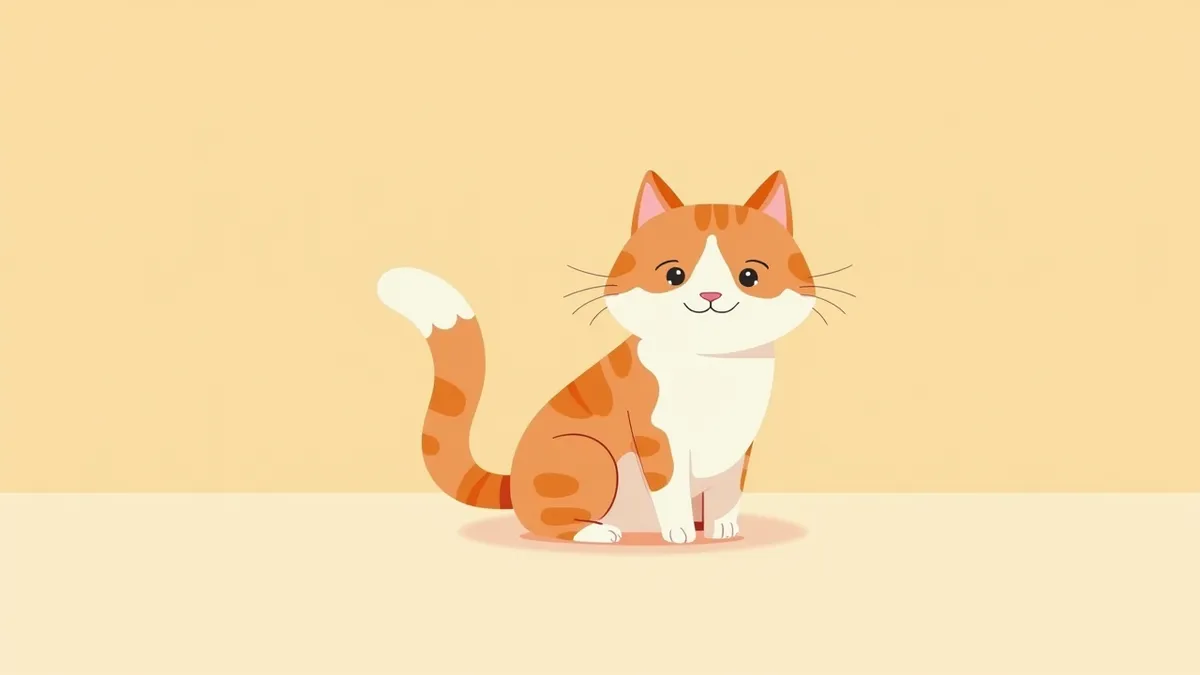
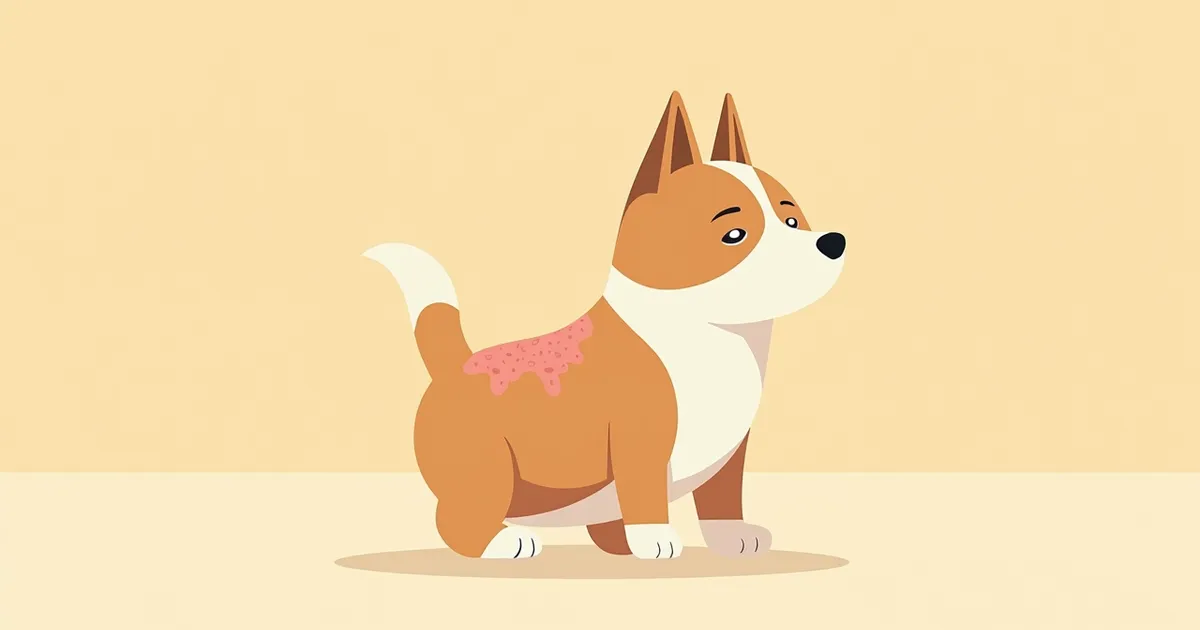
A cat showing mild skin rash and hair loss on its back.
Feline sex hormone-related skin diseases are conditions where imbalances in sex hormones, particularly excess estrogen (hyperestrogenism), cause changes in the skin and coat. Textbooks describe this hormonal imbalance as primarily presenting as non-inflammatory hair loss that starts on the head, legs, and perineum before spreading. Causes can include ovarian cysts or testicular tumors in intact cats, or external exposure to hormonal medications used by their owners. The level of itching can vary, sometimes being present and other times minimal, making it inconsistent. Along with hair loss, signs such as hyperpigmentation or mammary gland enlargement may also appear. Since these symptoms can indicate an underlying endocrine disorder rather than just a simple skin issue, early detection and accurate assessment are crucial.

What Are the Main Causes?

The primary cause of feline sex hormone-related skin diseases is an imbalance in sex hormones. Textbooks cite ovarian cysts in intact females and testicular (Sertoli cell) tumors in intact males as causes of hyperestrogenism, and also note that external exposure to hormonal preparations used by owners or others can be a contributing factor. Elevated estrogen levels lead to non-inflammatory alopecia that begins in the perineal area and spreads outward. Because sex hormone-related alopecia is reported more frequently in certain breeds, genetic predisposition should also be considered. Since differentiation from other similar-looking skin conditions is necessary, early evaluation to accurately identify the underlying cause is essential.
A diagram illustrating the effects of sex hormone imbalance on the skin of unneutered cats.

Main Symptoms and Signs

The main symptoms of feline skin conditions related to sex hormones are as follows:
Hair loss: Characterized by non-inflammatory hair loss that typically starts on the head, legs, and perineum, then spreads.
Hyperpigmentation and skin changes: In chronic cases, the skin may thicken (lichenify) and develop hyperpigmentation.
Comedones (blackheads): Comedones caused by clogged pores may be observed.
Mammary gland enlargement: Hormonal influences can lead to enlargement of the mammary glands.
Variable pruritus: The degree of itching is inconsistent; some cats may experience itching, while others show little to none.
If these symptoms persist, please consult your veterinarian.
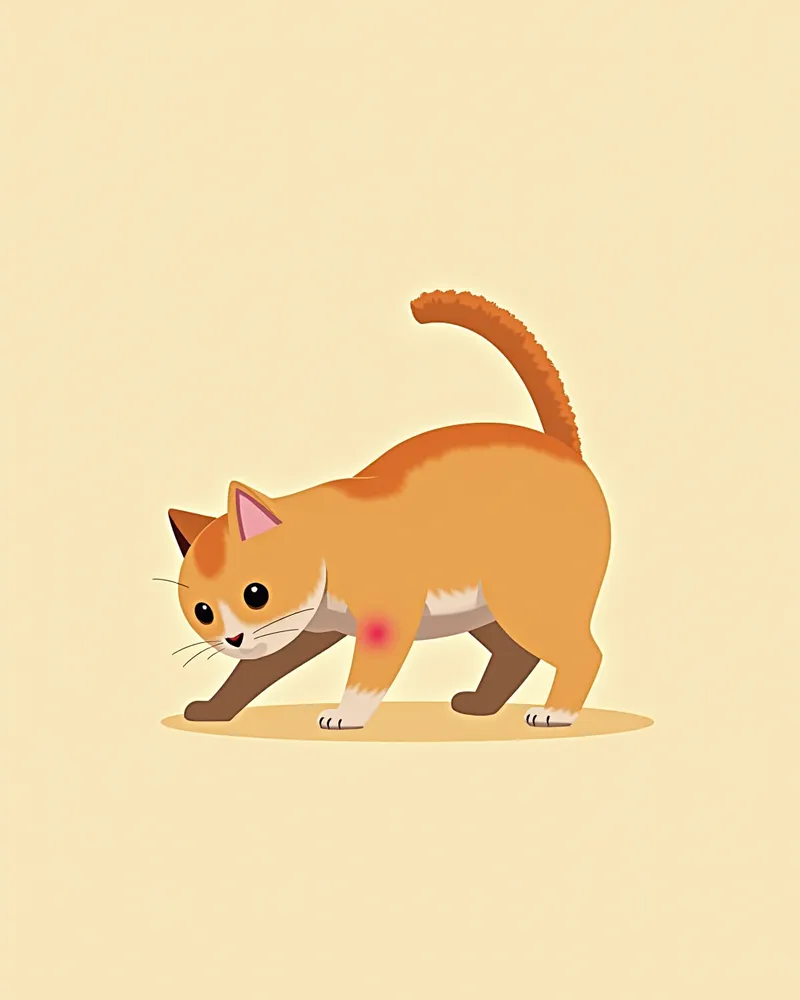
A cat scratching its back due to itchy skin.

When Immediate Veterinary Attention Is Necessary

If your pet is experiencing severe skin rashes, pus-filled wounds, generalized weakness, and loss of appetite, immediate veterinary attention is necessary. These symptoms may indicate a secondary infection or a systemic disease, making prompt diagnosis and treatment crucial.

What Is the Accurate Diagnostic Method?
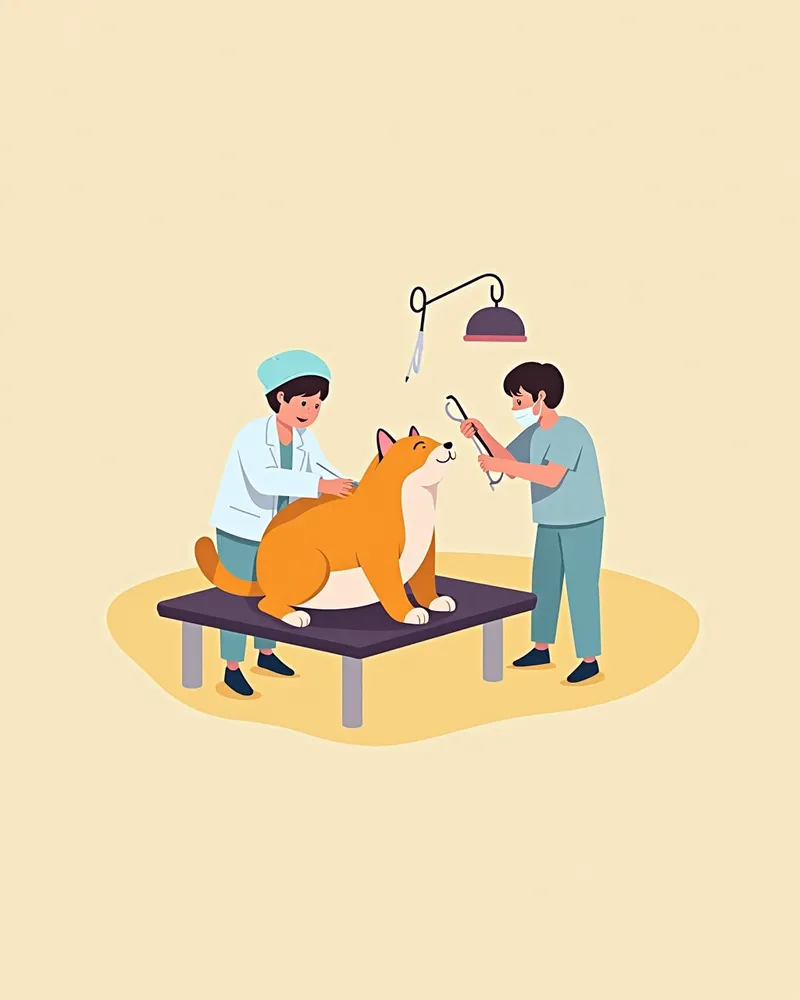
Diagnosing feline skin conditions related to sex hormones requires a comprehensive approach using multiple tests. Because many skin diseases present with similar symptoms, it is crucial to first rule out more common causes. - Medical History and Physical Examination: We check whether the cat is unneutered, assess any exposure to hormonal medications, and examine the pattern of hair loss. - Basic Tests: Skin scrapings, cytology, and fungal cultures are performed to first rule out infections caused by parasites, bacteria, or fungi. - Skin Biopsy (Histopathology): This helps identify the underlying cause of non-inflammatory hair loss. - Blood, Hormonal, and Imaging Tests: Blood work, biochemical analysis, hormonal evaluations, and abdominal ultrasounds are used to detect underlying causes such as ovarian cysts or tumors. This comprehensive evaluation allows us to establish an accurate diagnosis and develop an appropriate treatment plan.
A veterinarian performing a skin biopsy on a cat

Treatment Methods and Step-by-Step Management
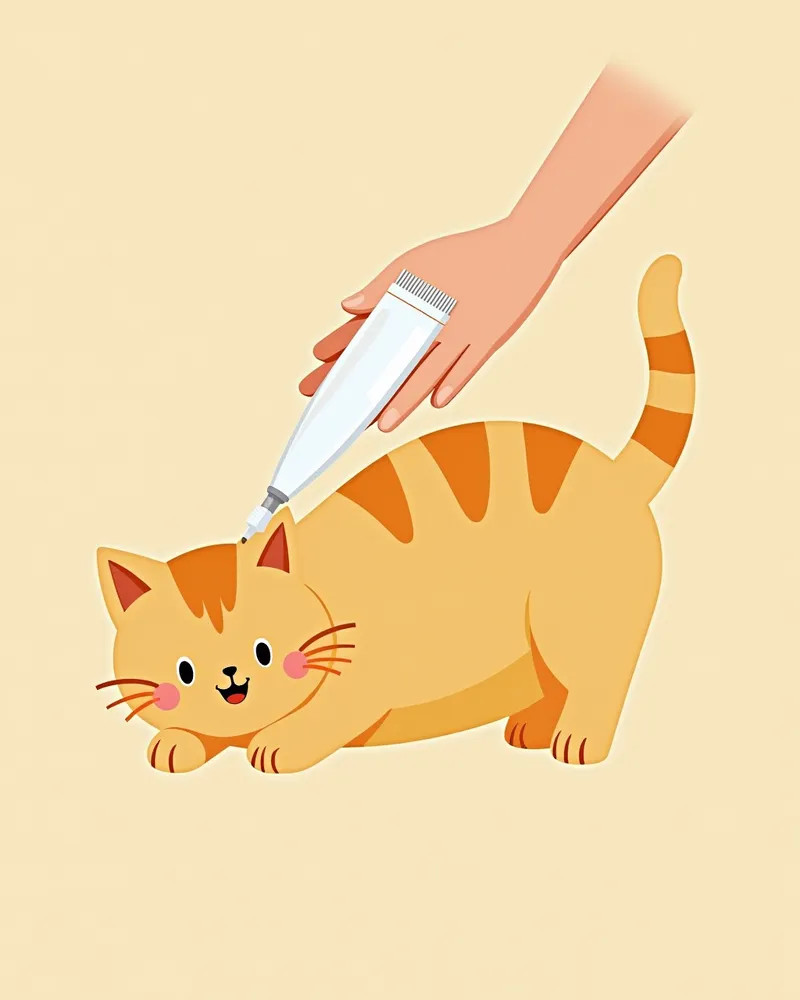
The key to treatment is addressing the underlying cause of the hormonal imbalance.
Neutering (removal) surgery: When the gonads are the cause, such as with ovarian cysts or testicular tumors, removing the root cause through ovariohysterectomy or castration is the most effective approach.
Blocking external exposure: If the pet has been exposed to hormonal products used by the owner, eliminate the source of exposure.
Supportive medications and procedures: In some cases, medications like trilostane or microneedling may be tried.
Managing secondary infections: If secondary bacterial or fungal infections are present, appropriate antibacterial or antifungal treatments should be administered alongside.
Since treatment response and duration can vary significantly between individuals, regular consultation with your veterinarian is essential.
Applying topical medication to a cat's skin

Home Care Points

Home care for feline skin conditions related to sex hormones includes the following:
Regular grooming: Brush your cat daily to prevent the buildup of dust and allergens on the skin.
Skin moisturization: Use moisturizers to prevent dry skin.
Balanced nutrition: Choose cat-specific food and maintain a balanced intake of nutrients.
Stress reduction: Keep the environment calm and provide plenty of playtime.
Medication management: Administer medications exactly as directed by your veterinarian.
These care practices help enhance treatment effectiveness.
A cat resting comfortably in a peaceful environment

Breed-Specific Precautions and Prevention of Recurrence

Hormone-related hair loss is more commonly reported in certain breeds, but textbooks often overrepresent hyperestrogenic alopecia as being primarily seen in Chow Chows, Pomeranians, Poodles, and Keeshonds. Breed-specific data for cats are limited. If the source of the offending hormone (whether endogenous from the gonads or exogenous from external exposure) remains, recurrence is possible, so regular check-ups are essential.

Reviewed by a veterinarian

Dr. Tony — Punnawat Phongkittirak

Dr. Tony — Punnawat Phongkittirak

Veterinarian

A veterinarian who majored in veterinary medicine at Khon Kaen University, Thailand, and completed the IVSA program at North Carolina State University in the United States. Drawing on clinical experience at animal hospitals, he works in the pet healthcare field and is dedicated to building a digital care environment that connects pet parents with veterinarians.

Frequently Asked Questions

Why do unneutered cats often experience skin problems?
If your pet hasn’t been spayed or neutered, hormonal imbalances—particularly involving estrogen—can occur due to conditions like ovarian cysts or testicular tumors. This can lead to non-inflammatory hair loss that typically starts around the perineal area and spreads outward.
Will the skin problem completely disappear after surgical removal?
If the hair loss is caused by the sex glands, neutering to remove the source of hormones often improves the condition. However, if there was a secondary infection, it may take some time for full recovery.
Is medication alone sufficient?
If the cause is the gonads, neutering is the definitive treatment to eliminate the source, while medications are used as an adjunct. If the cause is exposure to external hormones, the priority is to block the source of exposure.
What should I do if my pet’s skin doesn’t improve after the removal surgery?
You should consult with a veterinarian to undergo hormone evaluation and re-examination of the skin condition. It is important to reconfirm the cause to rule out any remaining hormone sources or other skin diseases.
How can I prevent it?
If the reproductive glands are the cause, neutering is an effective management option, and it’s also important to avoid exposure to external hormonal medications. Regular health check-ups can also be helpful.

Comparison of Treatment Methods for Sex Hormone-Related Skin Conditions

ItemEfficacyCostPrecautions
Surgical removalHighInexpensiveRequires a post-surgery recovery period
Hormone-regulating medicationModerateModeratePossible side effects with long-term use
Topical skin medicationLowLowNot a treatment for the underlying cause

Surgical removal is the most effective, but consult a veterinarian and choose the method that fits your individual situation.

Share

Related Guides

References

[1] Olivry T and Linder KE (2009) Dermatoses affecting desmoglein-1 and desmocollin-1 in cats: a review. Veterinary Dermatology, 20(4), 215-226.

[2] Hobi S, Linek M and Marignac G (2011) Clinical characteristics and causes of pruritus in cats: a multicentre study on feline hypersensitivity-associated dermatoses. Veterinary Dermatology, 22(5), 406-413.

[3] BSAVA Manual of Canine and Feline Dermatology, 4th Ed. (2013). BSAVA Publications, UK.

This information is based on veterinary literature and does not replace diagnosis or treatment. Please consult a veterinarian for specific health concerns.

Metapet Co., Ltd. | CEO: Park Sung-yong | Business Reg. No. 417-88-02562 | Seoul, South Korea | Customer Center

Cat Losing Hair and Itching? Sex Hormone Skin Conditions | Meongsiljang