
If Your Dog’s Heart Is Beating Too Slowly — Causes and Treatment Timing for Bradycardia and Atrioventricular Block
Canine bradycardia and atrioventricular block are conditions in which the heart rate slows down or electrical conduction is interrupted due to abnormalities in the heart’s conduction system, and they can lead to serious complications. Early diagnosis and management are essential.
Bradycardia and Atrioventricular Block in Dogs Are Conditions of Reduced Heart Rate Due to Abnormalities in the Heart’s Conduction System

The Main Causes of Bradycardia and Atrioventricular Block Are Structural Heart Abnormalities, Genetic Factors, and Medication Effects

Identify the Main Symptoms and Signs

Emergency Situations Requiring Immediate Veterinary Visit
If your dog suddenly collapses or loses consciousness, the risk of cardiac arrest is high, so you should seek veterinary care immediately. This is a life-threatening emergency.
Comparing the Features and Management of Bradycardia and AV Block by Degree
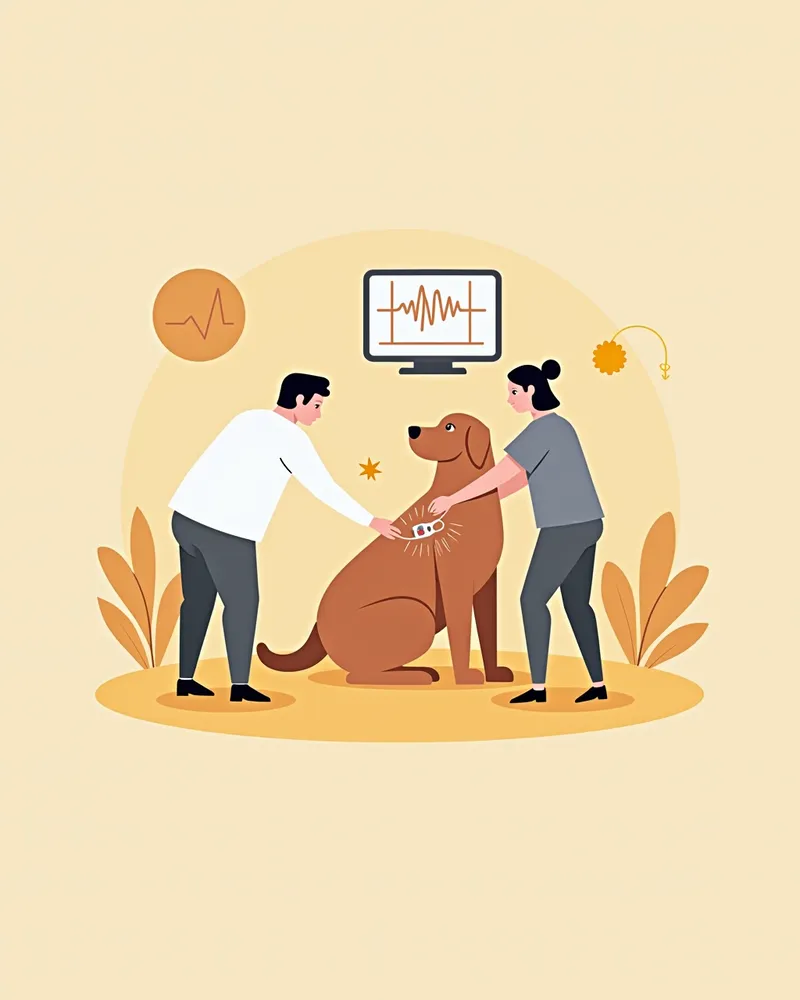
Comparison of Characteristics and Management Strategies by Severity of Bradycardia and Atrioventricular Block
| Item | Mild | Moderate | Severe |
|---|---|---|---|
| Heart Rate Range | Around 50–60 beats/min | 40–50 beats/min | Below 40 (e.g., ventricular escape beats around 37 beats/min) |
| Main Symptoms | Lethargy, exercise intolerance | Syncope, worsening exercise intolerance | Recurrent syncope, risk of sudden death |
| Treatment Method | Correct underlying cause, observation | Consider pacemaker | Pacemaker after emergency treatment |
| Prognosis | Good | Good after pacemaker | Poor if untreated |
In dogs, bradycardia is classified as a heart rate below 60 beats/min (in cats, below 100 beats/min), and third-degree AV block and sick sinus syndrome account for the majority of bradycardias requiring treatment.
Treatment Depending on the Cause May Require Medication, Pacemaker, or Surgery
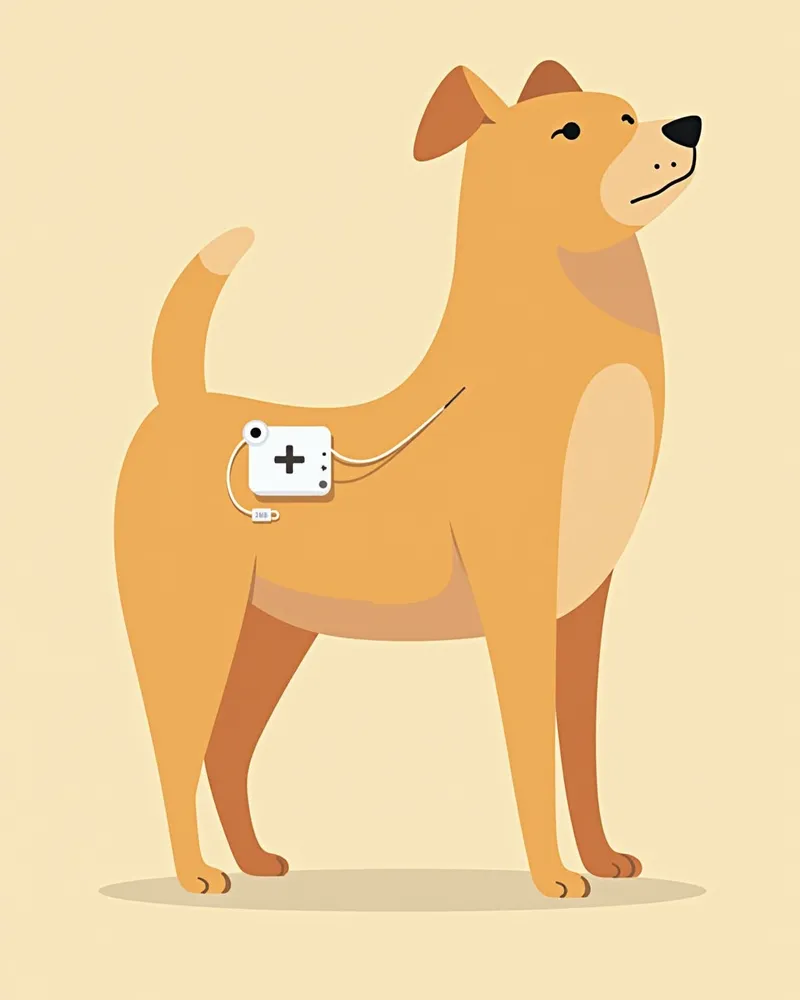
Home Management Centers on Regular Check-ups and Medication Administration
Certain Breeds Have a Higher Risk of Hereditary Bradycardia and Atrioventricular Block
Bradyarrhythmias are more common in dogs than in cats. In brachycephalic breeds, giant breeds, and some highly athletic dogs, sinus bradycardia may be considered a normal variant. However, if a slow heart rate is accompanied by symptoms such as lethargy or fainting, it may not be a normal variant, so regular cardiac check-ups and professional evaluation are recommended.
Reviewed by a veterinarian

Dr. Tony — Punnawat Phongkittirak
VeterinarianA veterinarian who majored in veterinary medicine at Khon Kaen University, Thailand, and completed the IVSA program at North Carolina State University in the United States. Drawing on clinical experience at animal hospitals, he works in the pet healthcare field and is dedicated to building a digital care environment that connects pet parents with veterinarians.
Reviewed 2026-06-03
Frequently Asked Questions
Can bradycardia and atrioventricular block be treated?
What should I do if my dog faints?
How does a cardiac pacemaker work?
What should I do if my pet experiences side effects while taking medication?
Is bradycardia and atrioventricular block hereditary?
Share
Related Guides

Coenzyme Q10 Benefits and Administration Guide

Dog Pulmonary Edema Warning — 7 Best Diuretics (Furosemide) for Heart Management

7 Best Prescription Diets for Feline Heart Disease Recommended by Veterinarians — Criteria for Choosing Low-Sodium Food

My Cat Is Losing Weight and Only Drinking Water — Causes and Diagnostic Timing for Chronic Kidney Disease (CKD)

If Your Cat Suddenly Stops Urinating — Emergency Signs of Acute Kidney Failure and Treatment Timing

Complete Guide to Pimobendan for Dogs: Efficacy, Administration, Side Effects, and Warning Signs
Complete Guide to Canine Cardiac Blood Tests: NT-proBNP and Troponin — From Meaning to Management

A Comprehensive Guide to Mitral Valve Disease (MVD) in Dogs: Symptoms, Causes, Diagnosis, Treatment, and Management

When Your Dog Suddenly Can’t Breathe — Emergency Golden Hour and Response for Heart Failure

How Long Can My Dog Live with Heart Disease? — A Complete Guide to Prognosis and Worsening Signs
References
[1] Plumb's Veterinary Drug Handbook, 9th ed. 2022. Wiley-Blackwell.
[2] Bonagura, J.D. (2012). Veterinary Cardiology: A Clinical Approach. 2nd ed. Saunders Elsevier.
[3] American College of Veterinary Internal Medicine (ACVIM). (2020). Consensus Statement on Canine Atrioventricular Block. J Vet Intern Med, 34(3): 1025–1034.