Like
Share
멍실장
강아지 간 생검 증상과 원인, 진단·치료와 관리 포인트 총정리

Is a Liver Biopsy Necessary for Dogs? — Key Guide to Timing, Procedure, and Management

Liver HealthDiseasesMeongsiljang Veterinary Advisory Board

A liver biopsy is an essential test for accurately diagnosing liver disease in dogs. If symptoms appear, consult your veterinarian immediately.

What is a Liver Biopsy in Dogs?
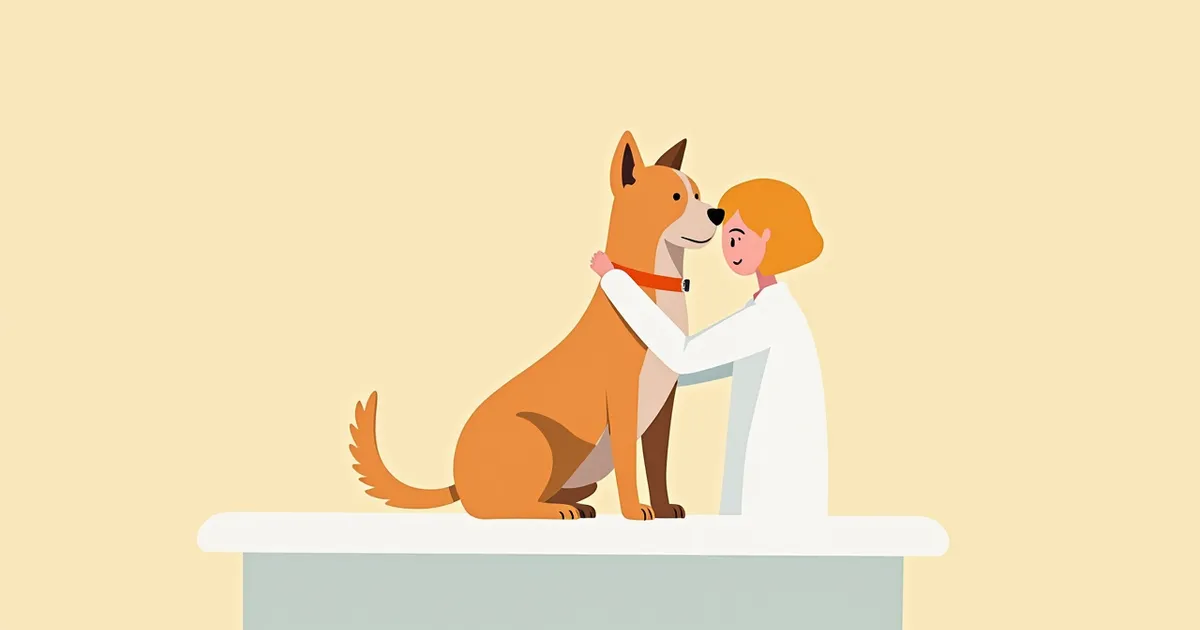
A veterinarian performing a liver biopsy under ultrasound guidance
A liver biopsy involves taking a small sample of liver tissue to accurately diagnose liver lesions. It is performed when abnormal results persist on liver function tests or when abnormalities are detected on ultrasound or CT scans. This procedure is essential for clearly identifying the underlying cause, such as hepatitis, cirrhosis, or tumors. - Purpose of liver biopsy: It aids in determining the exact cause and establishing a treatment plan. - Procedure: Under sedation or anesthesia, tissue is collected using a needle guided by imaging such as ultrasound, or via laparoscopic or surgical methods. - Use of results: Microscopic examination of the tissue determines the presence of inflammation, fibrosis, or malignant tumors. - Significance of diagnosis: Without a biopsy, the exact cause remains unknown, obscuring the direction of treatment. This test is the first step in managing liver disease.

What are the Main Causes of Liver Biopsy?

A liver biopsy in dogs is performed to identify the underlying cause of liver dysfunction. Common causes include viral hepatitis, drug toxicity, hereditary liver diseases, metabolic disorders, and autoimmune hepatitis. Senior dogs and certain breeds, such as terriers and poodles, have a genetic predisposition and require extra vigilance. - Drug toxicity: A biopsy is necessary when dogs are exposed to hepatotoxic medications, such as acetaminophen. - Autoimmune hepatitis: This condition occurs when the immune system attacks the liver and is confirmed through a biopsy. - Metabolic disorders: Genetic metabolic abnormalities can lead to liver damage. A biopsy is essential for accurately diagnosing these complex causes.
Diagram of the main causes of liver disease in dogs

Main Symptoms Appearing During Liver Biopsy in Dogs

When liver dysfunction in dogs becomes severe enough to warrant a liver biopsy, various symptoms may appear. Early detection of these signs significantly improves treatment outcomes.
Loss of appetite: Reduced liver function can cause dogs to refuse food or experience a sudden drop in appetite.
Repeated vomiting: The liver’s inability to remove toxins can irritate the stomach, leading to frequent vomiting.
Jaundice: The eyes and lips may turn yellow, and the skin can also appear yellowish.
Darkened urine: Impaired liver function can prevent bilirubin from being properly excreted, resulting in darker urine.
Abdominal distension: An enlarged liver or fluid accumulation can cause the abdomen to swell.
If these symptoms persist, immediate veterinary care is necessary.
Puppies showing signs of jaundice

Emergency Signals Requiring Immediate Veterinary Visit

If jaundice worsens rapidly, or if severe vomiting and diarrhea recur and lead to dehydration, seek veterinary care immediately. A sudden decline in liver function can allow toxins to accumulate in the brain, potentially causing coma. This is a life-threatening condition, so consult a veterinarian within 24 hours of symptom onset.

How is the Liver Biopsy Diagnostic Process Performed?
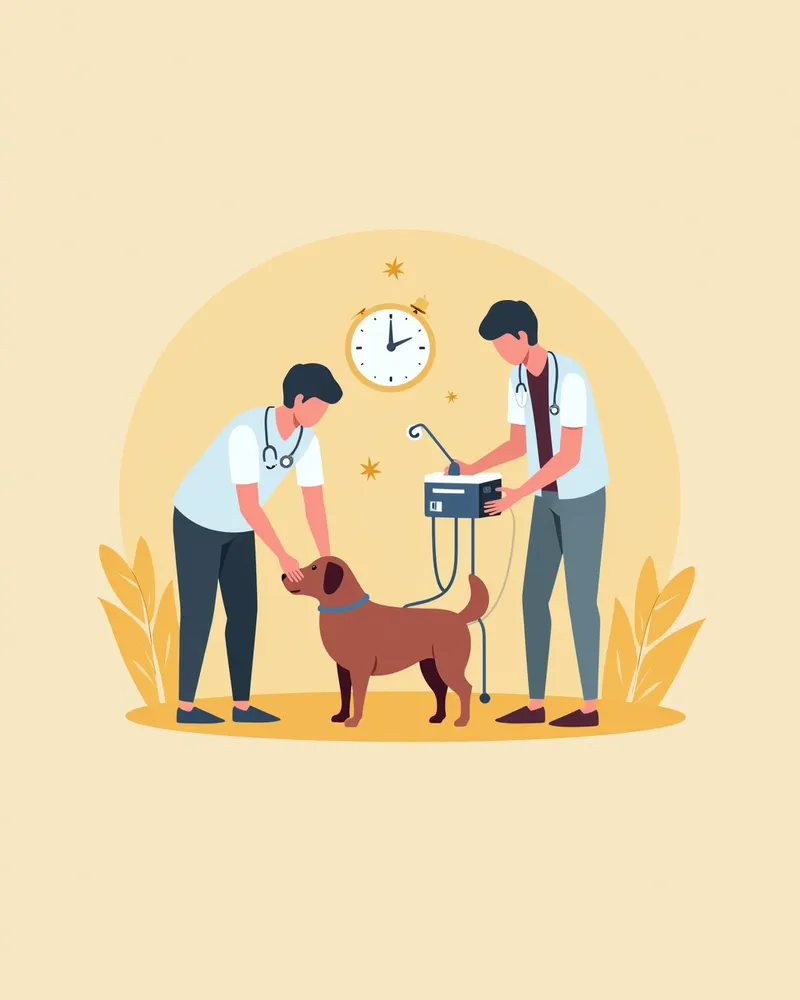
Liver biopsies are typically preceded by ultrasound or CT scans to pinpoint the exact location. The procedure itself involves collecting a small sample of liver tissue using a biopsy needle or a laparoscope, performed under sedation or general anesthesia. The collected tissue is then analyzed under a microscope to precisely assess for inflammation, fibrosis, or tumors. - Pre-procedure evaluation: Blood and coagulation tests are conducted beforehand to assess the risk of bleeding. - Safety during the procedure: The veterinarian uses real-time imaging guidance to ensure precise needle placement. - Post-procedure care: Due to the risk of bleeding after the biopsy, a period of rest and close observation is required. - Interpreting results: The diagnosis and treatment plan are determined based on the histological analysis. This process is an essential step for accurately diagnosing liver disease.
Performing a liver biopsy under ultrasound guidance

Treatment and Management Methods After Liver Biopsy
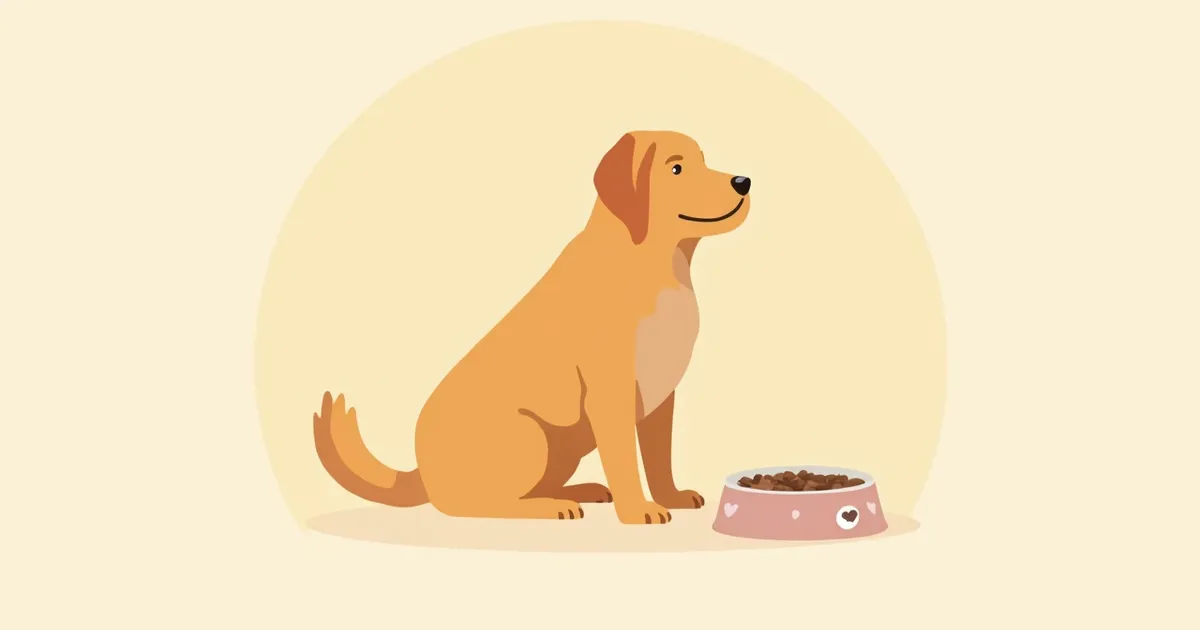
The treatment plan is determined based on biopsy results. If inflammation is present, anti-inflammatory and immunosuppressive medications such as glucocorticoids (prednisolone) are prescribed. In cases of drug toxicity, the offending medication is discontinued immediately, and hepatoprotective agents are administered. - Autoimmune hepatitis: Long-term medication therapy using immunosuppressants is required. - Nutritional management: Sufficient calories (carbohydrates and fats) are provided to prevent protein breakdown, while maintaining appropriate protein levels. Protein restriction is limited to cases involving hepatic encephalopathy. - Dietary adjustments: The veterinarian recommends a customized diet based on the pet’s weight and condition. - Regular monitoring: Liver function tests are conducted regularly even after the biopsy. - Lifestyle management: Stress is minimized, and a consistent daily routine is maintained. All these management strategies support recovery and prevention.
A puppy on a special diet for liver health

Key Points for Liver Health Management at Home
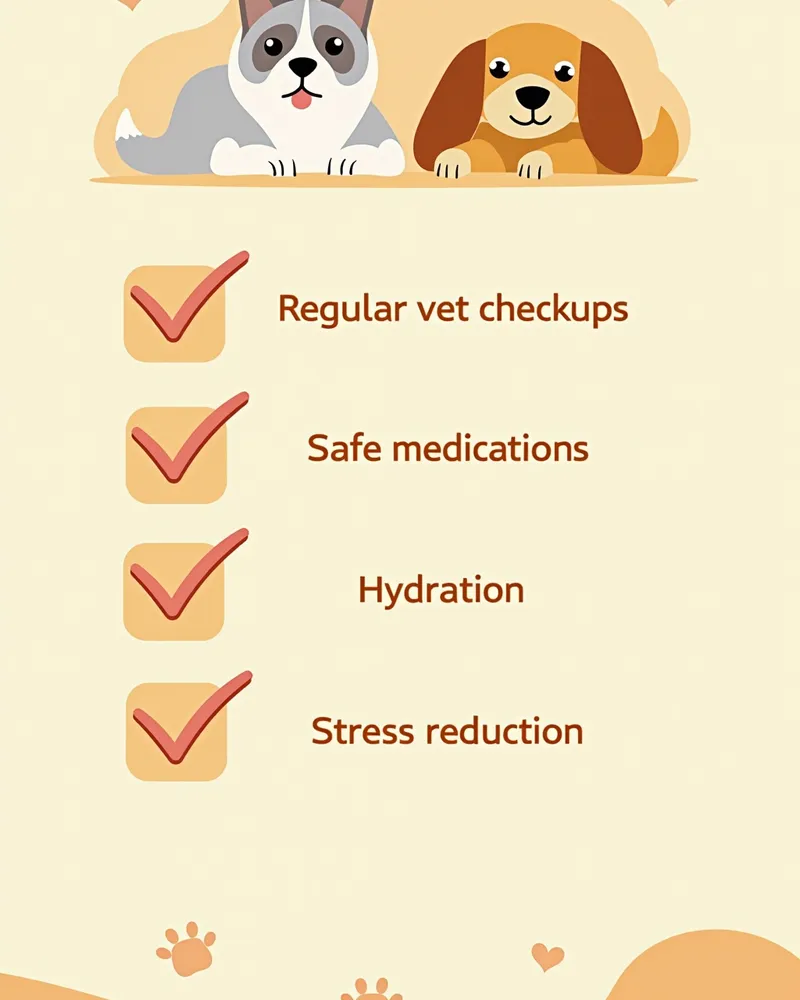
Maintaining liver health requires consistent daily care. Be sure to check the following points.
Regular check-ups: Have your veterinarian perform regular liver enzyme and blood tests according to their recommended schedule.
Safe medication use: Never administer medications that strain the liver, such as acetaminophen.
Proper nutrition: Avoid excessive protein restriction. Instead, choose a balanced diet with sufficient calories and appropriate protein levels to prevent protein breakdown.
Adequate hydration: Always provide fresh, clean water to prevent dehydration.
Minimize stress: Environmental changes and excessive exercise can put additional strain on the liver.
These habits play a significant role in preventing liver disease.
Checklist for Managing Your Dog’s Liver Health

Certain Breeds are More Vulnerable to Liver Disease

Certain breeds, such as Standard Poodles, Bedlington Terriers, West Highland White Terriers, and Labrador Retrievers, have a genetic predisposition that makes them more susceptible to liver disease. In particular, Bedlington Terriers and Labradors are at high risk for copper-associated hepatopathy, while Cocker Spaniels and Doberman Pinschers are prone to chronic hepatitis, making regular check-ups essential. Pet owners should pay extra attention to liver health management according to their dog’s breed-specific risks.

Reviewed by a veterinarian

Dr. Tony — Punnawat Phongkittirak

Dr. Tony — Punnawat Phongkittirak

Veterinarian

A veterinarian who majored in veterinary medicine at Khon Kaen University, Thailand, and completed the IVSA program at North Carolina State University in the United States. Drawing on clinical experience at animal hospitals, he works in the pet healthcare field and is dedicated to building a digital care environment that connects pet parents with veterinarians.

Frequently Asked Questions

Is a liver biopsy painful?
The procedure is performed under sedation or anesthesia, so your pet will experience little to no pain during the test. Since some temporary discomfort may occur after the biopsy, your veterinarian will prescribe pain medication to keep your pet comfortable.
How long does the recovery period take after a liver biopsy?
The recovery period varies depending on the individual pet and the biopsy method used. After a biopsy, there is a risk of bleeding, so a period of rest and observation is necessary. Follow your veterinarian's instructions to limit activity and provide proper care.
Is a liver biopsy absolutely necessary?
A biopsy is necessary when liver dysfunction persists and other tests cannot determine the cause. Your veterinarian will make this decision based on the specific circumstances.
How should I feed my pet after a liver biopsy?
We provide a veterinarian-recommended diet for liver disease. It’s important to avoid excessive protein restriction while ensuring adequate calorie intake, and feeding small, frequent meals is recommended.
What are the methods to prevent recurrence after a liver biopsy?
Regular check-ups, safe medication use, proper dietary management, and minimizing stress are the most effective preventive measures.

Comparison of Symptoms and Treatment by Liver Disease Type

ItemMain SymptomsTreatmentPrognosis
Viral HepatitisJaundice, loss of appetite, vomitingSymptomatic/supportive care (fluids, hepatoprotectants)Variable
Autoimmune HepatitisPersistent vomiting, abdominal distension, fatigueImmunosuppressants, steroidsModerate
Drug-Induced Toxic HepatitisAcute vomiting, diarrhea, confusionDiscontinuation of the drug, hepatoprotectantsGood
CirrhosisAscites, jaundice, lethargyDietary management, medicationPoor

The treatment method may vary depending on biopsy results and the veterinarian's judgment.

Share

Related Guides

References

[1] Plumb's Veterinary Drug Handbook, 9th Edition, 2022

[2] Small Animal Clinical Pathology, 5th Edition, 2021

[3] Veterinary Internal Medicine: A Textbook of Small Animal Medicine, 8th Edition, 2020

This information is based on veterinary literature and does not replace diagnosis or treatment. Please consult a veterinarian for specific health concerns.

Metapet Co., Ltd. | CEO: Park Sung-yong | Business Reg. No. 417-88-02562 | Seoul, South Korea | Customer Center

Does Your Dog Need a Liver Biopsy? Timing & Procedure Guide | Meongsiljang