Like
Share
멍실장
강아지 품종별 심장 질환 소인 증상과 원인, 진단·치료와 관리 포인트 총정리

Is Your Dog’s Breed at Risk? — Dog Heart Disease Prone Breeds and Early Signs

HeartDiseasesMeongsiljang Veterinary Advisory Board

Certain dog breeds are more prone to heart disease due to genetic factors that can affect heart function, making early diagnosis and management essential.

Genetic Factors Are the Main Cause of Breed-Specific Predisposition to Heart Disease in Dogs

An anatomical diagram illustrating canine heart structure and breed-specific predispositions to heart disease
Genetic factors are believed to play a role in the breed-specific predisposition to heart disease in dogs. Dilated cardiomyopathy is a hereditary, progressive condition that primarily affects large and giant breeds, with some breeds, such as Doberman Pinschers, known for a relatively high rate of early death from heart disease. However, there are currently no established genetic tests to screen for the risk of developing this condition in these breeds. On the other hand, myxomatous mitral valve disease, the most common form, is more prevalent in small to medium-sized breeds and increases in incidence with age. Some breeds, such as Labrador Retrievers, may also show a predisposition to other types of heart disease, such as cardiac tumors. For breeds with such predispositions, early detection and consistent management are of utmost importance.

The Main Causes of Heart Disease Are Genetic Mutations and Congenital Defects
Canine heart diseases can be broadly categorized into acquired conditions, such as valvular and myocardial diseases, and congenital heart defects present at birth. The most common form, myxomatous mitral valve disease, accounts for approximately 75–80% of heart disease in dogs. It is prevalent in small- to medium-sized breeds and is believed to have a genetic component. Dilated cardiomyopathy is a hereditary condition that primarily affects large and giant breeds. Congenital defects include ventricular and atrial septal defects, patent ductus arteriosus, and pulmonary artery stenosis. Some congenital conditions, such as pulmonary artery stenosis, may be diagnosed in the early stages of life. Because risk varies by breed and symptoms, a veterinary examination is necessary to determine the exact cause.
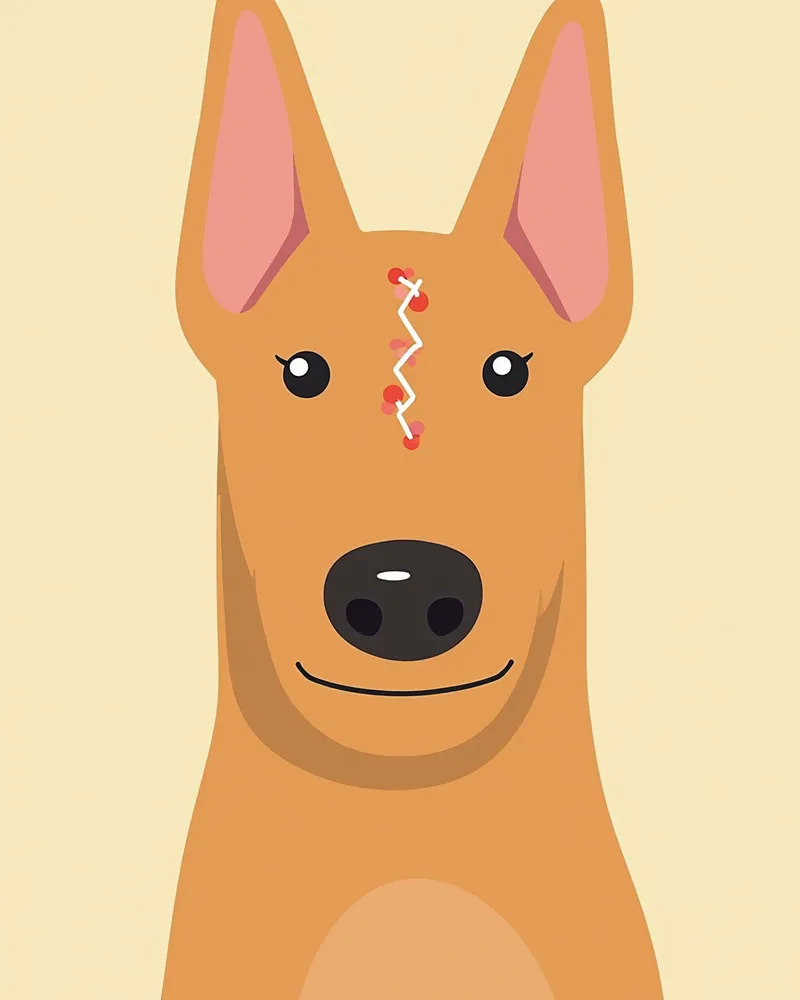
Titin gene mutation associated with heart disease in Doberman Pinschers

Main Symptoms Include Difficulty Breathing, Fatigue, Coughing, and Chest Pain

Common signs of heart disease in dogs include difficulty exercising, easy fatigue, faster-than-usual breathing, and coughing. When heart function declines and pulmonary edema develops, coughing and difficulty breathing become more pronounced. However, coughing can also occur without pulmonary edema if an enlarged heart presses on the trachea. In cases of right-sided heart failure, fluid may accumulate in the abdomen (ascites) or chest (pleural effusion). Some dogs may also experience fainting, sudden weakness, or collapsing during exercise. If you notice any of these symptoms, your dog needs to see a veterinarian. Carefully monitoring changes in your dog’s breathing rate and activity level can greatly aid in early detection.
A dog experiencing difficulty breathing due to heart disease, with bluish lips.

Immediate Veterinary Visit Is Necessary for Severe Difficulty Breathing or Fainting

If your pet experiences severe difficulty breathing, fainting, sudden collapse, or persistent coughing, seek veterinary care immediately. These symptoms may indicate a medical emergency such as heart failure, where the heart is unable to pump enough blood, so prompt evaluation by a veterinarian is essential.

Diagnosis Is Made Through Echocardiogram, Electrocardiogram (ECG), and Chest X-Ray

If a heart condition is suspected, an echocardiogram is the primary diagnostic tool. This ultrasound-based test provides a precise assessment of heart size, wall thickness, and contractile function. An electrocardiogram (ECG) is also essential for detecting arrhythmias and other rhythm abnormalities. While chest X-rays are useful for evaluating heart size, lung condition, and signs of congestive heart failure, they have limited sensitivity and specificity in accurately identifying the specific type of congenital heart defect. Combining these diagnostic methods allows for a comprehensive evaluation of cardiac health. For breeds predisposed to heart disease, regular check-ups starting at a young age are recommended to ensure early detection.
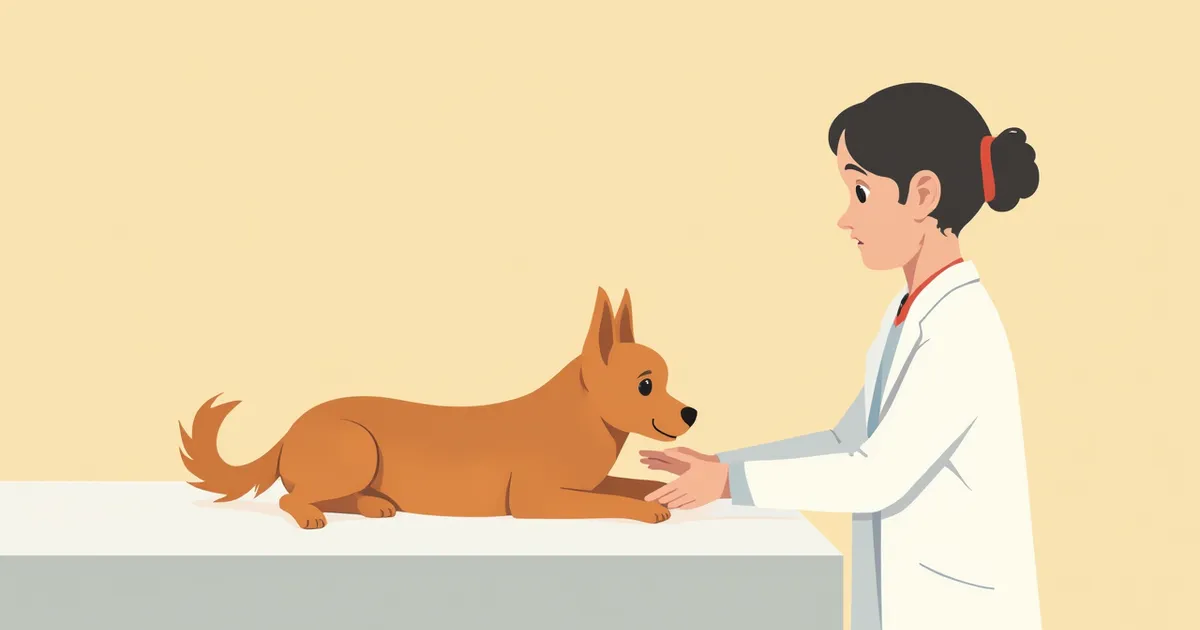
A veterinarian performing an echocardiogram on a dog

Treatment Is Progressively Conducted with Medication, Dietary Management, and Heart Surgery

Treatment for heart disease is approached in stages, combining medication, dietary and weight management, and surgery when necessary, depending on the type and severity of the condition. Medications are used to reduce swelling and ease the heart’s workload to help control symptoms, with specific drugs and dosages determined by your veterinarian based on your pet’s individual condition. Managing diet and weight is also crucial to lessen the strain on the heart. Surgical correction may be considered for severe congenital defects or cases where medication alone is insufficient, and some conditions show favorable outcomes after surgery. A treatment plan should always be developed in close consultation with your veterinarian, tailored to your pet’s specific needs.
Medications and dietary management tools for treating heart disease

At-Home Care Centers on Regular Exercise, Weight Management, and Routine Check-Ups

At-home care centers on regular exercise, weight management, and routine check-ups. Excessive exercise can strain the heart, so we recommend only moderate walks. Excess weight puts additional stress on the heart, so it’s important to maintain a healthy weight and lose weight if necessary. Heart check-ups every six months are recommended, and any changes in symptoms should be discussed with your veterinarian immediately. Consistent dietary management and medication adherence are also essential. Early intervention plays a significant role in slowing disease progression.
Regular walks for managing heart disease

Early Screening Is Essential for High-Risk Breeds Such as Doberman Pinschers and Newfoundlands

For breeds predisposed to heart disease, including those like Doberman Pinschers that have a relatively high rate of early mortality from cardiac conditions, it is advisable to begin regular heart screenings at a young age, even in the absence of symptoms. In predisposed breeds, the earlier abnormalities are detected, the more beneficial it is for ongoing management and treatment.

Reviewed by a veterinarian

Dr. Tony — Punnawat Phongkittirak

Dr. Tony — Punnawat Phongkittirak

Veterinarian

A veterinarian who majored in veterinary medicine at Khon Kaen University, Thailand, and completed the IVSA program at North Carolina State University in the United States. Drawing on clinical experience at animal hospitals, he works in the pet healthcare field and is dedicated to building a digital care environment that connects pet parents with veterinarians.

Frequently Asked Questions

Are there genetic factors involved in canine heart disease?
Yes, certain breeds have a genetic predisposition. Dilated cardiomyopathy is a heritable condition that primarily affects large and giant breeds, with the Doberman Pinscher being a classic example. However, there is currently no established genetic test to screen for the disease before it develops.
What are the early symptoms of heart disease?
In the early stages, your pet may struggle with exercise, tire easily, or exhibit faster-than-usual breathing or coughing. If you notice rapid breathing even at rest, it’s best to seek a veterinary check-up promptly.
Can heart disease in pets be cured?
While a complete cure may be difficult, symptoms can be managed through medication and proper care, allowing your pet to live comfortably. Early detection and consistent management are key.
What kind of dietary management is recommended?
It's best to consult with your veterinarian to determine the appropriate diet based on your pet's condition. Managing the diet to maintain an ideal weight while reducing the burden on the heart can be helpful.
How often should I bring my pet in for a regular checkup?
For breeds prone to heart disease, it’s best to start regular check-ups early in life. Even if there are no symptoms, we recommend periodically monitoring your pet’s heart health.

Comparison Table of Heart Disease Predisposition by High-Risk Breed

Item품종주요 질환유전적 소인조기 검진 시기
도베르만 핀셔확장성 심근병증높음어릴 때부터 정기 검진
복서부정맥성 우심실 심근병증높음(상염색체 우성)성견기부터 정기 검진
골든·라브라도 리트리버심장 종양(혈관육종 등)중간정기 검진 권장
소형~중형 품종점액종성 승모판막 질환유전 관여 추정노령기 정기 검진

심장 질환 소인이 있는 품종은 정기 검진이 조기 발견과 관리에 도움이 됩니다.

Share

Related Guides

References

[1] Freid KJ, Freeman LM, Rush JE, et al. Retrospective study of dilated cardiomyopathy in dogs. J Vet Intern Med. 2020;35(1):58–67.

[2] MEURS KM. Genetics of Cardiac Disease in the Small Animal Patient. Vet Clin Small Anim Pract. 2010;40(4):701–715.

[3] Clinical Medicine of the Dog and Cat, 4th Ed. Elsevier, 2020. Section III: Diseases of Specific Organ Systems.

This information is based on veterinary literature and does not replace diagnosis or treatment. Please consult a veterinarian for specific health concerns.

Metapet Co., Ltd. | CEO: Park Sung-yong | Business Reg. No. 417-88-02562 | Seoul, South Korea | Customer Center

Is Your Dog's Breed at Risk? Heart Disease-Prone Breeds | Meongsiljang