
Like
Share
멍실장
강아지 심장 질환 예후 증상과 원인, 진단·치료와 관리 포인트 총정리

How Long Can My Dog Live with Heart Disease? — A Complete Guide to Prognosis and Worsening Signs

HeartDiseasesMeongsiljang Veterinary Advisory Board

The prognosis for dogs with heart disease varies significantly depending on the type of condition and the stage of symptom progression. Early diagnosis and consistent management can greatly extend their lifespan.

The Prognosis for Heart Disease in Dogs Varies Significantly Depending on the Type of Condition and Stage of Progression

Medical illustration explaining the structure and function of a dog's heart
The prognosis for heart disease in dogs varies significantly depending on the type of condition and the stage of symptom progression. In the early stages, symptoms are often minimal, making early detection challenging; however, as heart function gradually declines, it can impact life expectancy. Particularly with heart valve disease, early management with medication can maintain a stable condition for several years. On the other hand, cardiomyopathy progresses rapidly, making early diagnosis and consistent care essential for extending life. Regular check-ups and collaboration with your veterinarian have the greatest impact on improving prognosis. Early detection significantly increases survival rates.

The Main Causes of Heart Disease Include Genetics, Aging, and Congenital Defects

- Genetic Predisposition: Certain breeds are genetically more susceptible to heart disease. Doberman Pinschers are prone to dilated cardiomyopathy (DCM), while small breeds, including some small terriers, have a higher risk of acquired valvular disease (mitral valve disease). - Aging: As dogs age, heart valves may degenerate and heart muscle may weaken, increasing the likelihood of disease. Acquired heart conditions typically appear in middle-aged dogs and older. - Congenital Defects: Some dogs are born with structural abnormalities of the heart. Early detection is crucial, as symptoms may emerge during growth and development. - Environmental Factors: Excessive exercise and obesity are known to place additional strain on the heart. Early diagnosis and regular preventive care are essential.
An infographic showing the risk of heart disease in dogs with genetic factors

The Main Symptoms of Heart Disease Are Difficulty Breathing and Lethargy

- Difficulty breathing: Your pet may breathe heavily or cough, especially while resting or sitting. This indicates that blood is beginning to accumulate in the lungs. - Lethargy: There is a sudden drop in activity levels compared to normal, and your pet shows little interest in play. - Decreased exercise tolerance: Your pet may become short of breath or even collapse after just a short walk. - Coughing: This typically occurs at night or during sleep and is caused by pulmonary edema resulting from heart disease. - Sudden collapse: This can occur due to abnormal heart rhythms or cardiac arrest. It is an emergency requiring immediate veterinary attention.
A puppy showing difficulty breathing due to heart disease

Severe Difficulty Breathing or Collapse Requires an Immediate Visit to the Clinic

If your dog suddenly starts breathing heavily or collapses, it could be a sign of heart failure or cardiac arrest. This is a life-threatening emergency, so it's essential to consult with a veterinarian immediately and visit the clinic right away.

Heart Disease Is Diagnosed Using Echocardiography and Electrocardiography
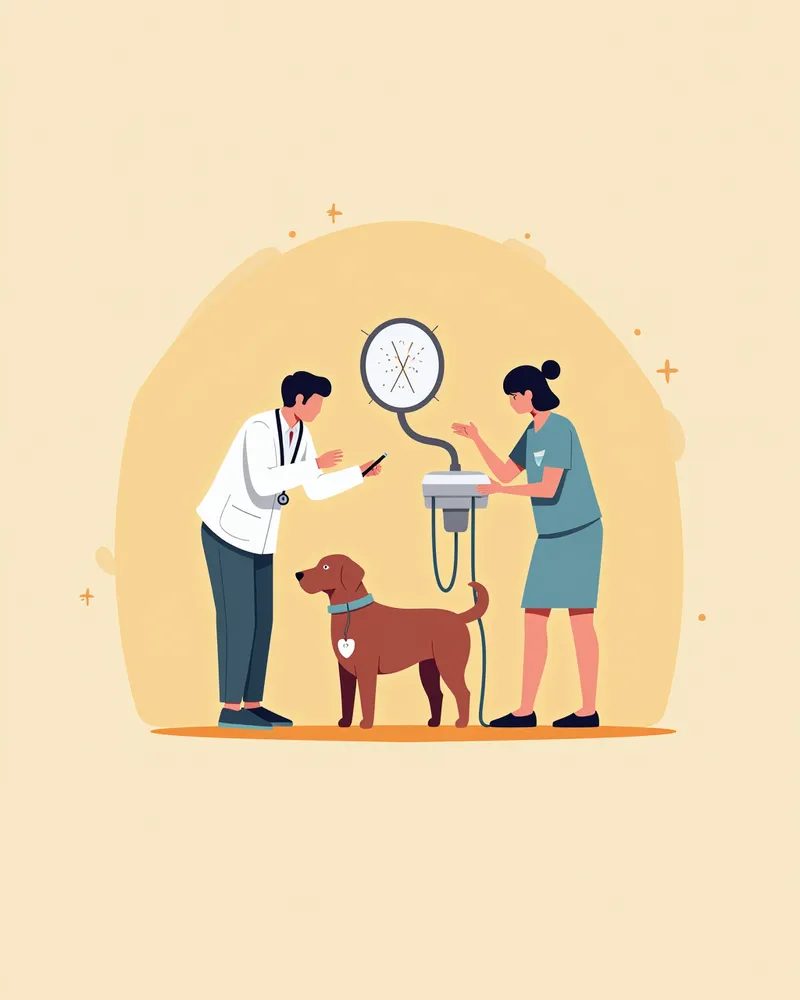
- Echocardiogram (Cardiac Ultrasound): This test allows for a detailed assessment of the heart’s structure, valve function, and the contractility of the heart muscle. It is considered a cornerstone diagnostic tool. - Electrocardiogram (ECG/EKG): This helps identify abnormalities in heart rhythm, such as arrhythmias. It is particularly useful when the heartbeat is irregular. - Thoracic Radiographs (Chest X-rays): These images allow us to check for blood congestion in the lungs and assess changes in heart size. They are essential for determining whether the heart has enlarged. - Blood Tests: These evaluate heart function and inflammation markers. By analyzing multiple test results together, we can reach an accurate diagnosis. Regular check-ups enable early detection.
A veterinarian performing an echocardiogram on a dog

Treatment Involves Medication and Lifestyle Management

- Diuretics: These help remove excess fluid from the body, alleviating pulmonary edema and swelling, which in turn eases breathing difficulties. - Blood pressure regulators: These reduce the strain on the heart and support the maintenance of healthy heart function. - Cardiotonic agents: These strengthen the contraction force of the heart muscle, improving blood circulation. - Dietary management: It is important to reduce sodium intake and maintain an appropriate body weight. Excessive calorie consumption places additional stress on the heart. - Exercise restriction: Overexertion can strain the heart, so only moderate activity should be allowed. Treatment should be carried out under the guidance of a veterinarian.
A scene showing a dog taking medication for heart disease treatment.

Home Care Is Key to Maintaining Heart Function

- Medication Administration: Consistently giving medication at the prescribed times is the most critical factor in extending life expectancy. It is essential to ensure no doses are missed. - Weight Management: Obesity places additional strain on the heart, so maintaining a healthy weight through a balanced diet and appropriate exercise is necessary. - Exercise Moderation: Avoid strenuous activity and limit physical exertion to short, gentle walks. - Stress Reduction: Minimize stress caused by environmental changes or loud noises, as anxiety can place undue burden on the heart. - Regular Check-ups: Monitor your pet’s condition and adjust the treatment plan through regular veterinary visits. Consistent care at home is the key to successful treatment.
A scene showing how to manage regular check-up schedules for managing your dog’s heart disease.

Certain Breeds, Such as Doberman Pinschers and Terriers, Are at Higher Risk for Heart Disease

Certain breeds, such as Doberman Pinschers, Great Danes, and Boxers, have a genetic predisposition to heart disease. Doberman Pinschers, in particular, are highly susceptible to dilated cardiomyopathy (DCM), while some small terrier breeds are at increased risk for acquired valvular disease, making regular check-ups essential.

Reviewed by a veterinarian

Dr. Tony — Punnawat Phongkittirak

Dr. Tony — Punnawat Phongkittirak

Veterinarian

A veterinarian who majored in veterinary medicine at Khon Kaen University, Thailand, and completed the IVSA program at North Carolina State University in the United States. Drawing on clinical experience at animal hospitals, he works in the pet healthcare field and is dedicated to building a digital care environment that connects pet parents with veterinarians.

Frequently Asked Questions

What is the prognosis for heart disease?
The prognosis for heart disease varies depending on the severity of symptoms and the stage of progression. While pets with no symptoms may have a longer lifespan, once heart failure develops—particularly in cases of dilated cardiomyopathy—the condition often worsens within a year of clinical symptoms appearing.
Can heart disease be cured?
Heart disease is often difficult to cure completely. However, symptoms can be managed and life expectancy extended through medication and proper care.
Is it possible to prevent heart disease?
For breeds with a genetic predisposition, early screening is essential. Regular check-ups and healthy lifestyle habits can help prevent the condition.
Can I stop giving my pet the medication?
Stopping heart medication without your veterinarian’s guidance can lead to serious complications, so it’s important to keep giving it consistently.
Which dog breeds are more prone to heart disease?
Dilated cardiomyopathy is more common in large breeds such as Doberman Pinschers, Great Danes, Boxers, and Labrador Retrievers, while acquired valvular disease is more frequently seen in small breeds.

Comparison of Characteristics and Management Strategies for Each Stage of Heart Disease Prognosis

ItemMain SymptomsPrognosisMain Management
Early (Asymptomatic)No symptoms; heart abnormality found incidentally during a checkupDepending on disease staging, the pet can remain stable for a long timeUsually regular monitoring without medication
Intermediate (Mild Symptoms)Coughing, shortness of breath after exerciseThe course varies depending on management and stage of progressionStart medication, restrict exercise
Severe (Heart Failure)Persistent respiratory distress, collapsePrognosis is often poor once clinical signs appearAggressive drug therapy, hospital treatment required

The prognosis for heart disease can be greatly improved with early detection and proper management.

Share

Related Guides

References

[1] Chetboul V, Pouchelon JL, Menard J, et al. Short-term efficacy and safety of torasemide and furosemide in 366 dogs with degenerative mitral valve disease: the TEST study. J Vet Intern Med 31(6):1629-1642, 2017.

[2] Textbook of Cardiovascular Medicine in Dogs and Cats. 2020. Elsevier.

[3] Notes on Canine Internal Medicine, 4th Ed. 2019. Wiley-Blackwell.

This information is based on veterinary literature and does not replace diagnosis or treatment. Please consult a veterinarian for specific health concerns.

Metapet Co., Ltd. | CEO: Park Sung-yong | Business Reg. No. 417-88-02562 | Seoul, South Korea | Customer Center

How Long Can Dogs Live with Heart Disease? Prognosis Guide | Meongsiljang