Like
Share
멍실장
강아지 심장 수술(판막 성형·PDA 결찰) 증상과 원인, 진단·치료와 관리 포인트 총정리

Complete Guide to Dog Heart Surgery — From Valve Repair and PDA Ligation Costs to Recovery

HeartDiseasesMeongsiljang Veterinary Advisory Board

Dogs undergoing heart surgery (valve repair or PDA ligation) have the procedure to correct blood flow issues caused by structural abnormalities of the heart. Early diagnosis and appropriate treatment are key to improving survival rates.

What Is Dog Heart Surgery (Valve Repair and PDA Ligation)?
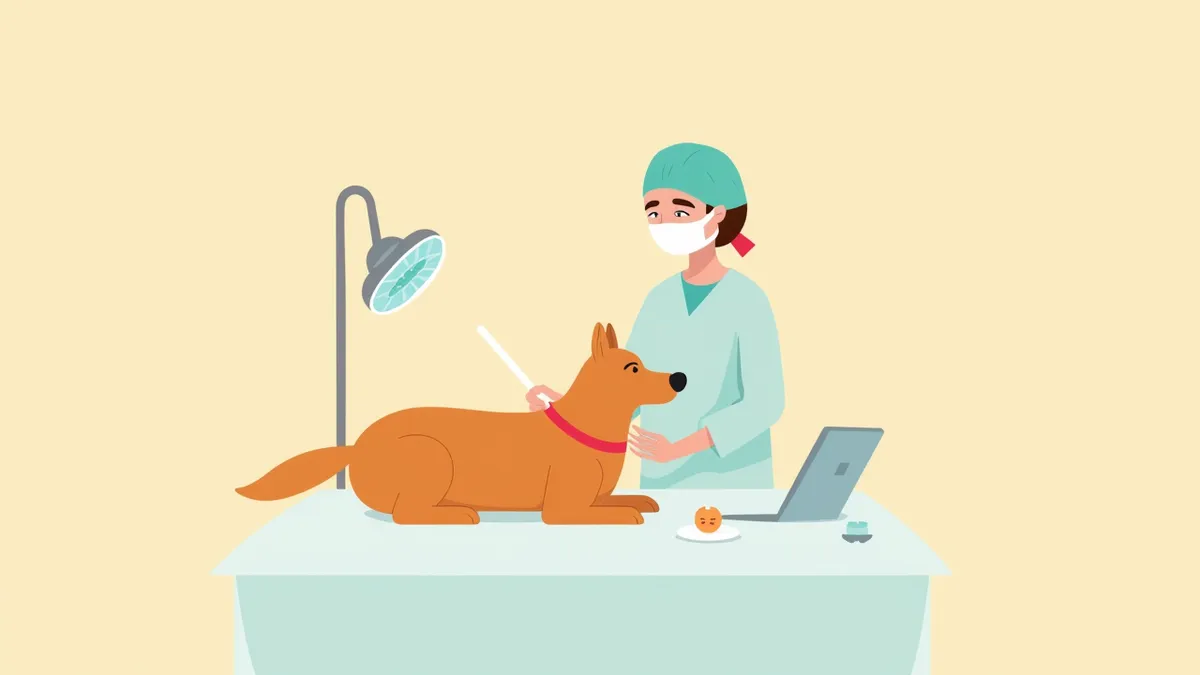
A scene inside the operating room of a puppy undergoing heart surgery.
Dog heart surgery is a treatment that corrects blood flow disorders caused by heart valve abnormalities or patent ductus arteriosus (PDA) through surgical intervention. - Valve repair surgery: Damaged heart valves are repaired or replaced to restore proper valve function. - PDA ligation surgery: This procedure surgically closes or clips the ductus arteriosus, which should have closed after birth but remains open. These surgeries are essential for improving heart function, reducing the risk of heart failure, and enhancing quality of life. Early diagnosis and appropriate surgical treatment significantly increase survival rates.

What Are the Main Causes of Heart Surgery?
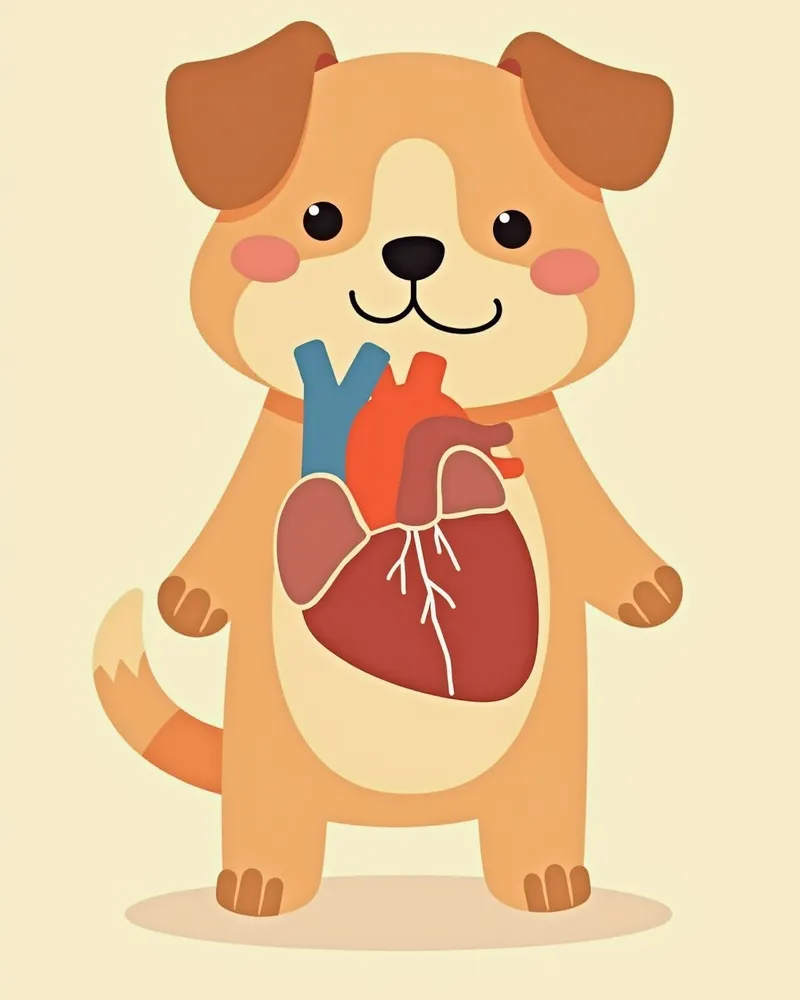
The main reasons for heart surgery in dogs are heart valve dysfunction and patent ductus arteriosus (PDA). Valve dysfunction: This occurs when the heart valves don't close properly, causing blood to flow backward. Over time, this increases the workload on the heart. PDA (Patent Ductus Arteriosus): This is a congenital condition where a blood vessel that should close after birth remains open, leading to excessive blood flow through the heart. As the dog grows, this puts strain on the heart and can lead to heart failure. Early detection is crucial.
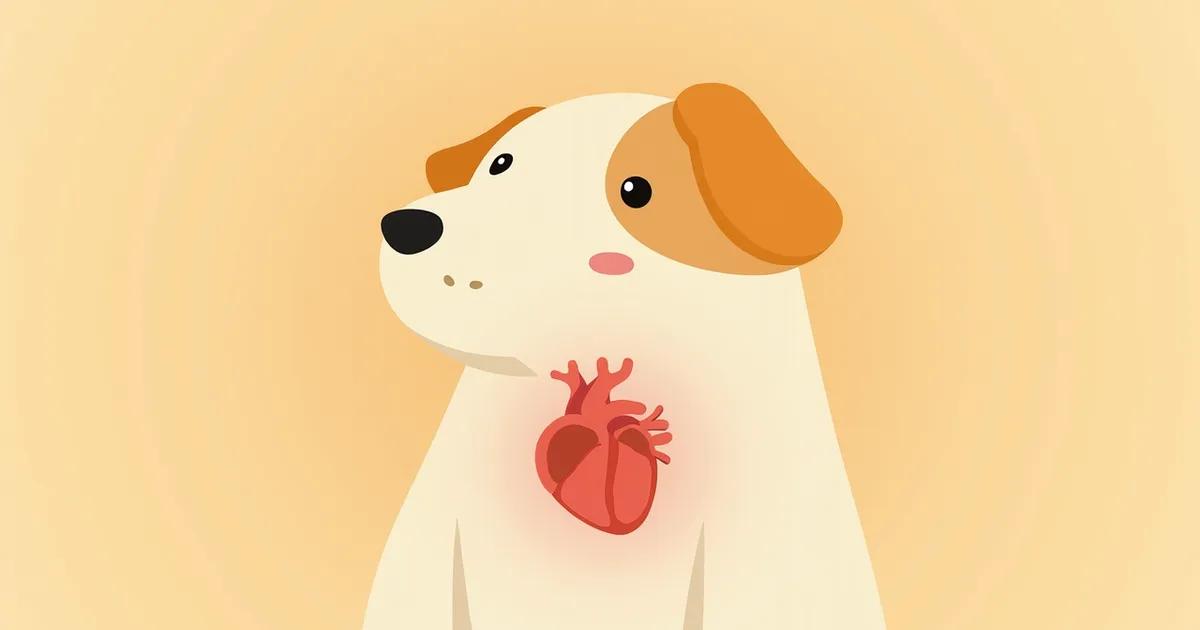
An anatomical illustration showing valvular abnormalities and patent ductus arteriosus (PDA) in a dog's heart.

What Are the Main Symptoms and Signs?
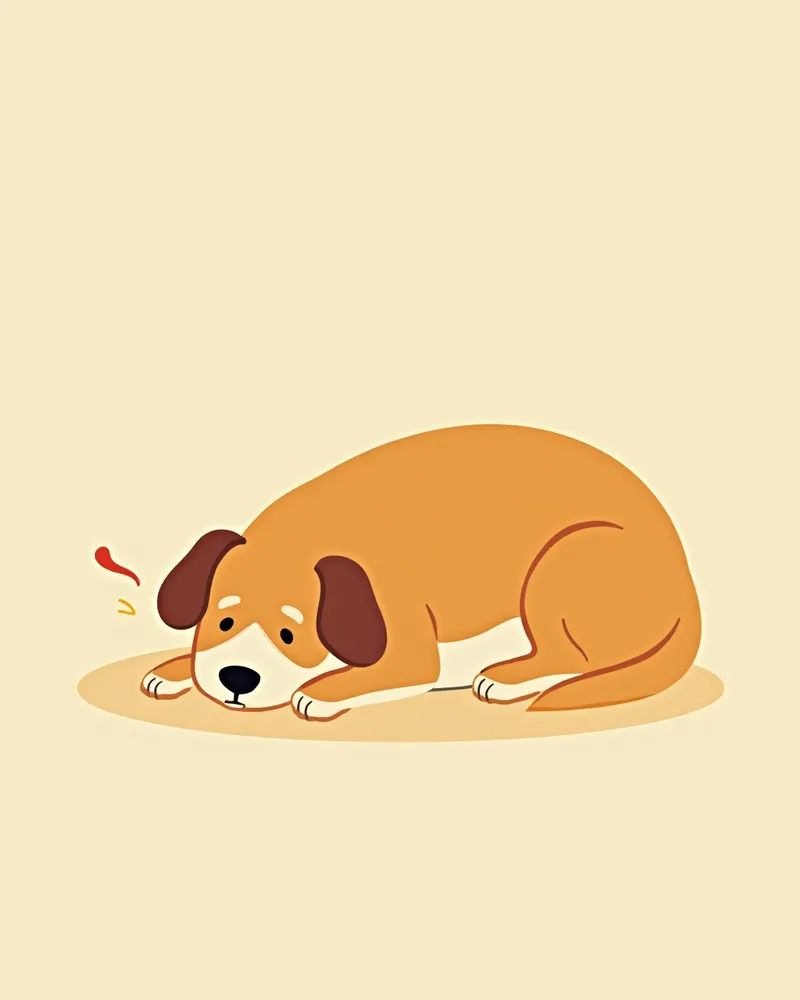
The main signs that your dog may need heart surgery include difficulty breathing, persistent coughing, easy fatigue after exercise, and worsening tiredness. - Difficulty breathing: Your dog may appear short of breath or breathe rapidly. - Persistent coughing: This often occurs at night or after exercise and is caused by airway pressure due to increased cardiac burden. - Fatigue and reduced activity: Even short walks may become difficult, and your dog may lose interest in play. - Bluish discoloration of the mouth or lips: This is a sign of insufficient oxygen supply. All of these symptoms are warning signs of declining heart function, so immediate veterinary examination is necessary.
A puppy coughing and struggling to breathe

Symptoms Requiring Immediate Veterinary Visit

Severe difficulty breathing, bluish discoloration of the mouth, and sudden collapse are life-threatening symptoms. Immediate consultation with a veterinarian and a visit to the clinic are necessary.

Diagnostic Tests for Accurate Diagnosis
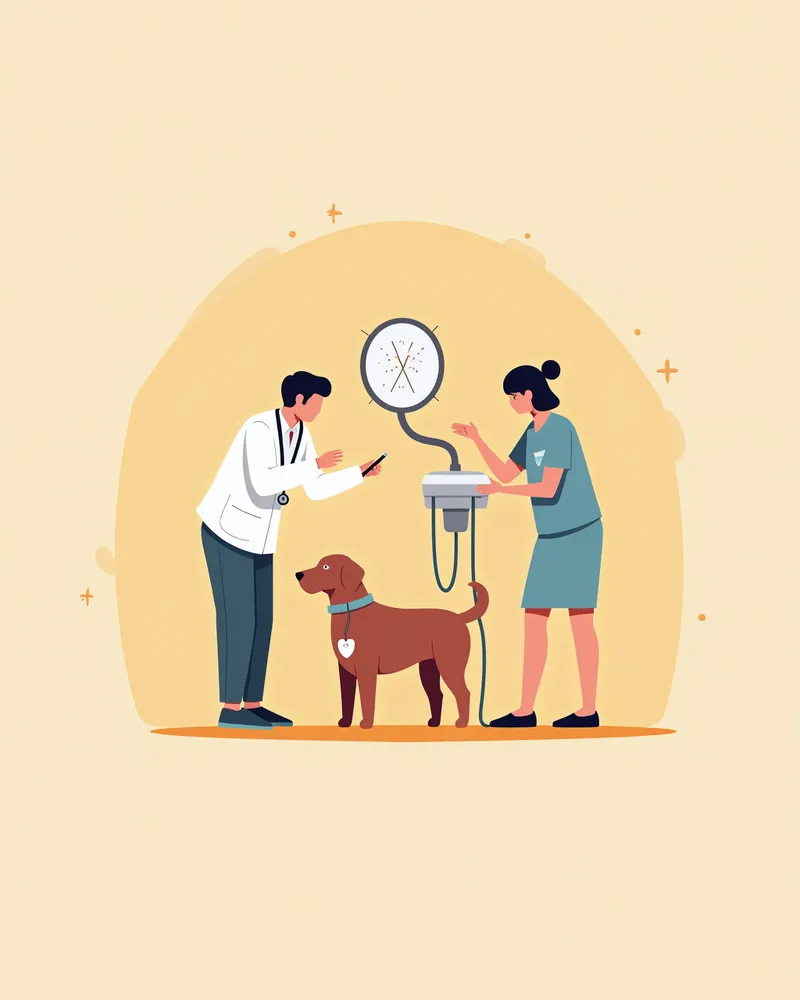
Before heart surgery, essential tests include an echocardiogram (ultrasound of the heart), chest X-rays, and an electrocardiogram (ECG). - Echocardiogram: This is the most accurate test for real-time assessment of heart structure, valve function, and blood flow. - Chest X-ray: Evaluates heart size and lung condition to determine if the heart is enlarged. - Electrocardiogram (ECG): Analyzes heart rhythm and electrical activity to check for arrhythmias. We use these tests together to make an accurate diagnosis and plan the surgery. Early detection improves treatment success rates.
A veterinarian performing an echocardiogram on a puppy

Stages and Methods of Surgical Treatment
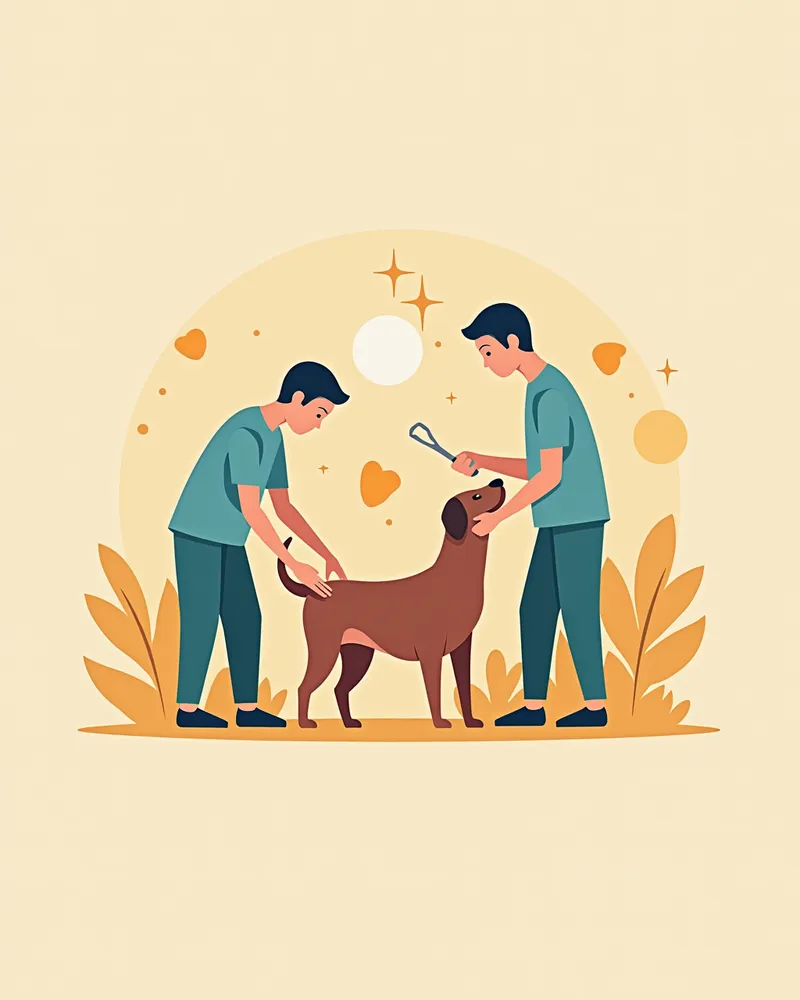
Valve repair surgery involves either repairing or replacing the damaged valve. - Valve Repair: Damaged areas are sutured or reinforced to restore function. - Valve Replacement: In cases of severe damage, insertion of an artificial valve may be considered. PDA ligation surgery involves closing the patent ductus arteriosus by suturing or clipping it shut. - Surgical Approach: Because the ductus arteriosus is located within the chest cavity, surgeons typically access it via a left thoracotomy (opening the left side of the chest) to perform the ligation. In some cases, a catheter-based approach using an occlusion device may be chosen to close the vessel without a large chest incision. Activity restriction and medication are essential during the postoperative recovery period. Although the success rate is high, regular follow-up examinations are necessary.
The surgical team performing a heart valve surgery on a puppy.

Post-Surgery Home Care Points

After surgery, it is essential to restrict activity, administer medications regularly, monitor weight, and check heart condition. - Activity restriction: During the initial recovery period, only allow walking and avoid excessive exercise. - Medication: Medications must be taken to maintain heart function and prevent infection. - Weight management: Excess weight increases the burden on the heart, so proper diet and exercise are necessary. - Regular check-ups: Heart examinations should be conducted one month, three months, and six months after surgery. Carefully follow the veterinarian’s instructions for daily care.
A puppy resting after surgery

Preventing Recurrence and Breed Considerations After Surgery

Certain breeds may be more prone to heart conditions. Regular cardiac check-ups are necessary even after surgery, and excessive exercise should be avoided.

Reviewed by a veterinarian

Dr. Tony — Punnawat Phongkittirak

Dr. Tony — Punnawat Phongkittirak

Veterinarian

A veterinarian who majored in veterinary medicine at Khon Kaen University, Thailand, and completed the IVSA program at North Carolina State University in the United States. Drawing on clinical experience at animal hospitals, he works in the pet healthcare field and is dedicated to building a digital care environment that connects pet parents with veterinarians.

Frequently Asked Questions

How long does a dog’s heart surgery take?
The surgery typically takes about 1 to 3 hours, depending on the complexity of the valve repair or PDA ligation. Recovery time may vary from patient to patient.
What should I pay attention to during the recovery period after surgery?
Limit your pet’s physical activity, strictly adhere to the prescribed medication regimen, monitor any changes in body weight, and closely observe for any shifts in cardiac condition. Be sure to follow your veterinarian’s instructions carefully.
What is the likelihood of recurrence after surgery?
With regular check-ups and proper care, the likelihood of recurrence can be significantly reduced. Some breeds may have a higher risk of recurrence, so extra caution is needed.
What should I prepare before the surgery?
Before surgery, fasting, cardiac evaluation, blood tests, and an electrocardiogram are required. Please complete all preparations as directed by your veterinarian.
How long should my pet take medication after surgery?
The duration of post-surgical medication varies depending on your veterinarian’s assessment. Typically, it lasts from several months to several years and is adjusted through regular check-ups.

Share

Related Guides

References

[1] Fossum TW. Preoperative and intraoperative care of the surgical patient. In: Fossum TW, Duprey LP, O’Connor D, editors. Small animal surgery. 3rd ed. Boston, MA: Elsevier; 2007.

[2] Hosgood G, Scholl DT. Evaluation of age as a risk factor for perianesthetic morbidity and mortality in the dog. J Vet Emerg Crit Care. 1998;8(3):222-36.

[3] The Dog Care Handbook, Things I Wish My Vet Had Told Me. 2023. 5M Publishing.

This information is based on veterinary literature and does not replace diagnosis or treatment. Please consult a veterinarian for specific health concerns.

Metapet Co., Ltd. | CEO: Park Sung-yong | Business Reg. No. 417-88-02562 | Seoul, South Korea | Customer Center

Dog Heart Surgery Guide: Valve Repair & PDA Ligation Cost, Recovery | Meongsiljang