Like
Share
멍실장
강아지 심장 질환과 치과 처치 증상과 원인, 진단·치료와 관리 포인트 총정리

Is Scaling Safe for Dogs with Heart Disease? — A Complete Guide from Anesthesia Risks to Safety Management

HeartDiseasesMeongsiljang Veterinary Advisory Board

When a dog has both heart disease and dental disease, the risk can increase. Early diagnosis and comprehensive management are essential.

The Link Between Canine Heart Disease and Dental Problems

The connection between heart disease and dental procedures
Heart disease and dental problems in dogs can be closely linked. - Gum inflammation: Bacteria that cause periodontal disease (such as Staphylococcus and Streptococcus) can enter the bloodstream and spread throughout the body. - Heart valve infection: These bacteria can settle on the heart’s inner lining and valves (primarily the mitral and aortic valves), leading to infective endocarditis, which may impair valve function. - Abnormal heart rhythms: Arrhythmias have been reported in approximately 50–75% of dogs with infective endocarditis, potentially affecting blood circulation. - Increased risk of complications: The condition can lead to serious complications such as congestive heart failure and septic embolism. Therefore, early diagnosis and comprehensive management are essential.

Major Causes and Pathogenesis

Canine heart disease results from a combination of various factors. - Genetic predisposition: Certain breeds are genetically more susceptible, such as Doberman Pinschers, which are prone to familial dilated cardiomyopathy. - Aging: The risk of heart disease, particularly valvular disease, increases with age. - Degenerative valvular disease: One of the most common heart conditions in dogs is myxomatous mitral valve disease (MMVD), a progressive condition characterized by thickening of the valve and subsequent regurgitation. - Dental infections: Although less common, periodontal bacteria can enter the bloodstream and cause infective endocarditis. - Bacterial colonization of the valve: When bacteria establish themselves on the valve, it leads to inflammation and impaired valve function. Without early management, this can progress to complications such as congestive heart failure.
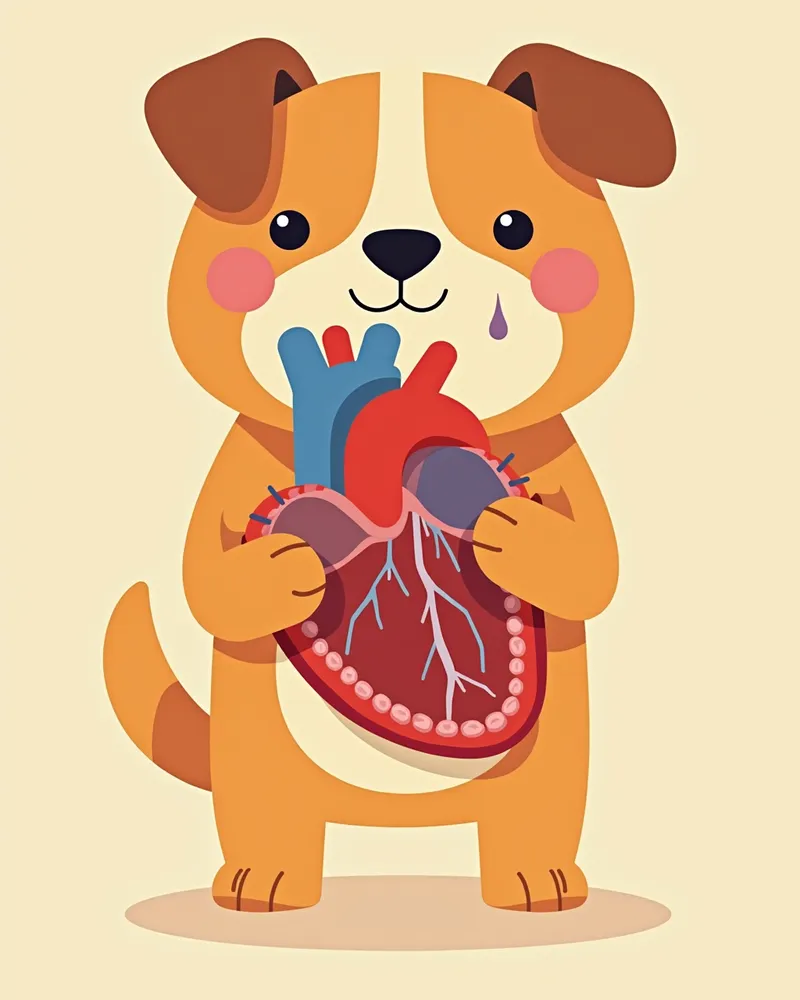
How dental infections can spread to the heart

Key Symptoms and Signs

Heart disease and dental problems share many overlapping symptoms, so early detection is essential.
Coughing: Especially recurring at night or after exercise.
Shortness of breath: Panting or open-mouth breathing even while resting.
Fatigue: Reduced daily activity and a tendency to lie down more often.
Bad breath: Noticeably worsened odor due to dental issues.
Changes in skin/mucous membrane color: Pale or bluish lips and gums.
Abnormal heart rhythm: Irregular or rapid heartbeat.
Dogs showing symptoms of heart disease

Criteria for Immediate Veterinary Visit

If your pet is experiencing severe difficulty breathing, sudden collapse, or bluish discoloration of the lips or mouth, immediate veterinary care is essential. These are signs of heart failure or acute congestive heart failure.

Accurate Diagnostic Methods
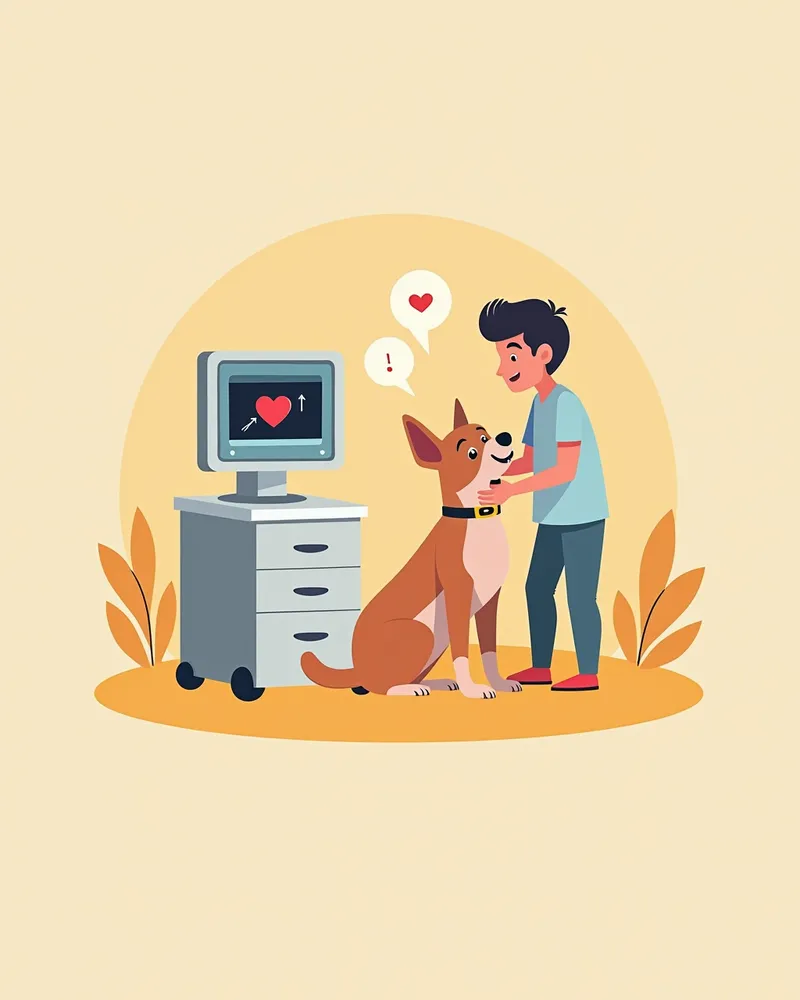
It’s important to evaluate heart disease and dental issues together in dogs. - Echocardiogram: Provides a detailed assessment of heart structure and function. - Electrocardiogram (ECG): Detects abnormalities in heart rhythm. - Chest X-ray: Evaluates heart size and lung condition. - Oral examination: Directly checks the teeth and signs of inflammation. - Blood tests: Assesses inflammation markers and overall health status. A comprehensive evaluation at the clinic is essential for an accurate diagnosis.
Ultrasound examination for heart diagnosis

Treatment Methods and Step-by-Step Approach
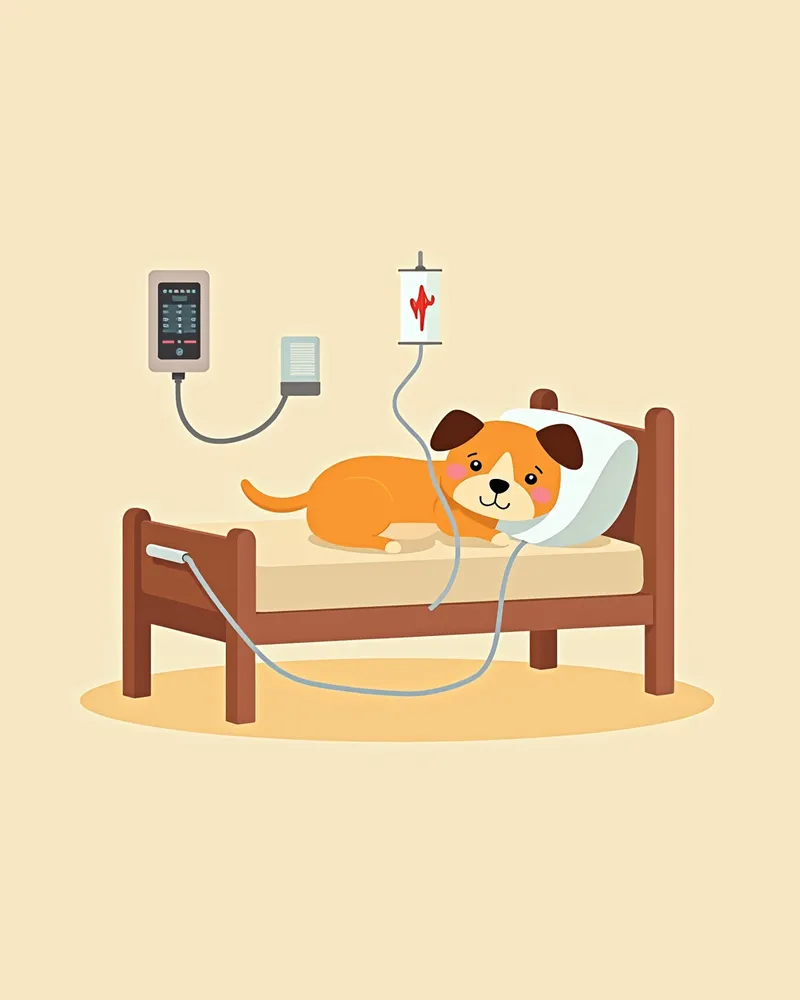
Treatment requires managing both the heart and dental issues simultaneously. - Medication: Prescribe medications to improve cardiac function and reduce inflammation. - Dental procedures: Extract teeth or perform periodontal therapy to eliminate the source of infection. - Antibiotics: Administer antibiotics to prevent the spread of infection. - Surgical options: In some cases, surgery such as heart valve replacement may be necessary. - Ongoing care: Regular check-ups are essential even after treatment. A comprehensive approach enables long-term recovery.
A puppy being treated for heart disease

Home Care and Daily Care

Home care is crucial. Consistent medication administration, a heart-healthy diet, and proper dental hygiene are essential.
Medication Management: Administer medications at the prescribed times. If your pet is taking ACE inhibitors, spironolactone, diuretics, or similar drugs, strictly follow your veterinarian’s instructions.
Dietary Management: If congestive heart failure is present, a low-sodium diet helps reduce fluid accumulation.
Dental Care: Brush your pet’s teeth daily to prevent plaque buildup.
Activity Management: Avoid excessive exercise and opt for short, gentle walks.
Weight Monitoring: Keep a consistent record of any changes in your pet’s weight.
Regular Check-ups: Visit the clinic regularly according to the schedule set by your veterinarian.
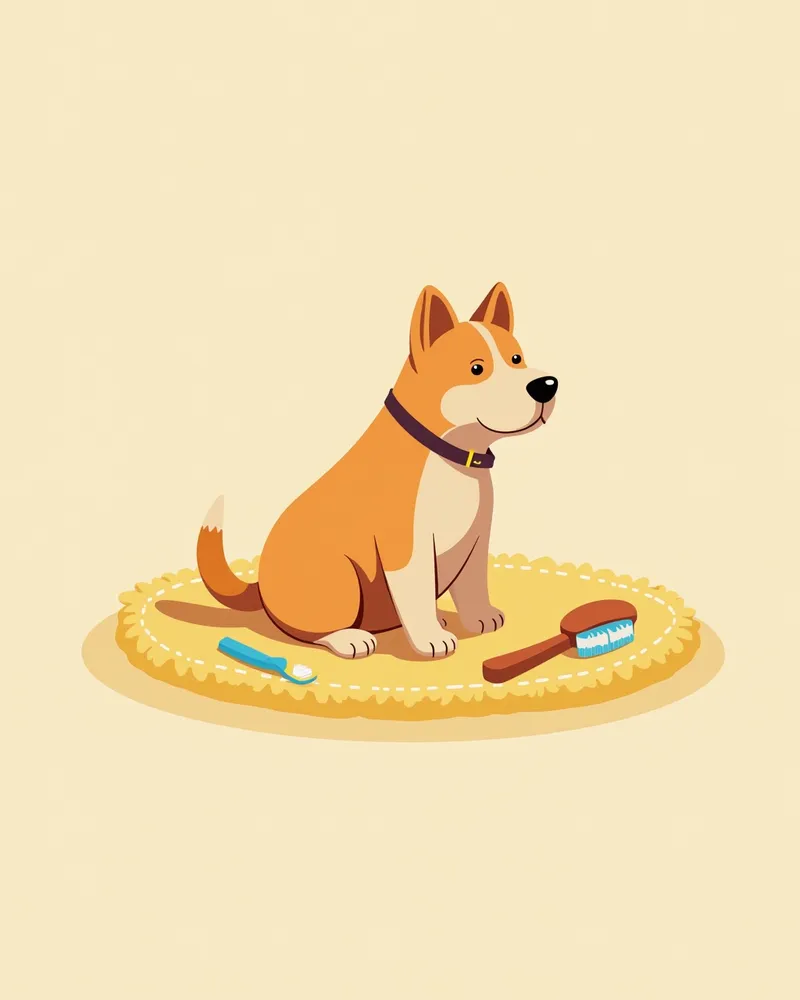
Heart and dental care tools for home use

Breed-Specific Precautions and Recurrence Prevention

Certain breeds, such as Doberman Pinschers, Poodles, and Terriers, are more susceptible to heart disease. Dental issues are also common, making preventive care essential. Regular check-ups and treatment are necessary to prevent recurrence.

Reviewed by a veterinarian

Dr. Tony — Punnawat Phongkittirak

Dr. Tony — Punnawat Phongkittirak

Veterinarian

A veterinarian who majored in veterinary medicine at Khon Kaen University, Thailand, and completed the IVSA program at North Carolina State University in the United States. Drawing on clinical experience at animal hospitals, he works in the pet healthcare field and is dedicated to building a digital care environment that connects pet parents with veterinarians.

Frequently Asked Questions

Can dental treatment affect the heart?
Yes, severe dental infections can spread to the heart. Therefore, it’s recommended to have a cardiac evaluation before and after dental treatment for your pet’s safety.
Can dogs with heart disease undergo dental surgery?
We carefully assess the heart condition before surgery and make a decision based on that. If safe anesthesia and management are possible, surgery can proceed.
Is it safe to perform dental care while my pet is taking heart medication?
Yes, dental care can be done alongside medication. However, be careful to ensure your dog doesn’t get stressed during dental care.
Can symptoms of heart disease resemble those of dental problems?
Yes, symptoms such as coughing, fatigue, and bad breath can overlap. Both conditions need to be considered together for an accurate diagnosis.
What precautions should be taken for prevention?
Regular dental and cardiac check-ups, consistent medication, and a balanced diet are the most important factors.

Comparison of Heart Disease and Dental Problem Management

ItemHeart Disease ManagementDental Problem ManagementComprehensive Management
Main ActionsMedication, activity controlTooth brushing, dental cleaningRegular exams, concurrent management
FrequencyDailyDaily or twice a weekMonthly or every 3 months
PrecautionsAvoid excessive exerciseWatch for bad breathPrevent complications

Heart disease and dental problems require concurrent management. Each area of care can affect the other.

Share

Related Guides

References

[1] Chetboul V, Pouchelon JL, Menard J, et al. Short-term efficacy and safety of torasemide and furosemide in 366 dogs with degenerative mitral valve disease. J Vet Intern Med. 2017;31(6):1629-1642.

[2] Freid KJ, Freeman LM, Rush JE, et al. Retrospective study of dilated cardiomyopathy in dogs. J Vet Intern Med. 2020;35(1):58-67. Epub 2020 Dec 21.

[3] Uechi M, Mizukoshi T, Mizuno T, et al. Mitral valve repair under cardiopulmonary bypass in dogs: long-term outcome. J Small Anim Pract. 2013;54(2):104-107.

This information is based on veterinary literature and does not replace diagnosis or treatment. Please consult a veterinarian for specific health concerns.

Metapet Co., Ltd. | CEO: Park Sung-yong | Business Reg. No. 417-88-02562 | Seoul, South Korea | Customer Center

Is Dental Scaling Safe for Dogs with Heart Disease? | Meongsiljang