Like
Share
멍실장
강아지 자가면역성 간염 증상과 원인, 진단·치료와 관리 포인트 총정리

If Liver Values Remain Elevated with Unknown Cause — Signs and Treatment of Canine Autoimmune Hepatitis

Liver HealthDiseasesMeongsiljang Veterinary Advisory Board

Canine autoimmune hepatitis is a condition in which the immune system mistakenly attacks liver cells, causing inflammation, making early diagnosis and proper management essential.

What Is Canine Autoimmune Hepatitis?

A puppy undergoing a check-up with a veterinarian
Canine autoimmune hepatitis is a form of chronic hepatitis in which the immune system mistakenly identifies liver cells as foreign and attacks them, leading to persistent inflammation. Chronic hepatitis can arise from various causes, including infection, metabolic disorders, toxins, and immune-mediated factors. Among these, the immune-mediated (autoimmune) type often has no clearly identified underlying cause. - Immune system dysfunction: The immune response targets liver cells, resulting in ongoing infiltration of inflammatory cells into the liver parenchyma. - Chronic, progressive disease: Chronic hepatitis persists for at least six months without improvement. If left untreated, it can progress to fibrosis and eventually cirrhosis. - Breed predisposition: The condition is more commonly reported in Cocker Spaniels, English Springer Spaniels, Doberman Pinschers, Labrador Retrievers, and Bedlington Terriers. - Importance of early diagnosis: In the early stages, elevated liver enzyme levels such as ALT and AST may be the first signs, allowing for early suspicion of liver issues through blood tests. However, a definitive diagnosis requires a liver biopsy.

Causes and Mechanisms

While the exact cause of this condition often remains unknown, it is generally believed to occur when genetic predisposition and environmental triggers combine, causing the immune system to attack liver cells. - Genetic factors: Certain breeds have a genetic predisposition that may increase their risk of developing the disease. - Immune dysregulation: A breakdown in the immune system’s regulatory control can lead to the production of autoantibodies. - Environmental triggers: Viral infections, medications, and toxic substances can trigger or worsen immune responses. - Autoantibody production: In Dobermans, autoantibodies targeting the liver, such as anti-histone antibodies, may be detected in the blood. - Chronic inflammation: Persistent lymphoplasmacytic inflammation damages liver tissue and leads to progressive fibrosis.
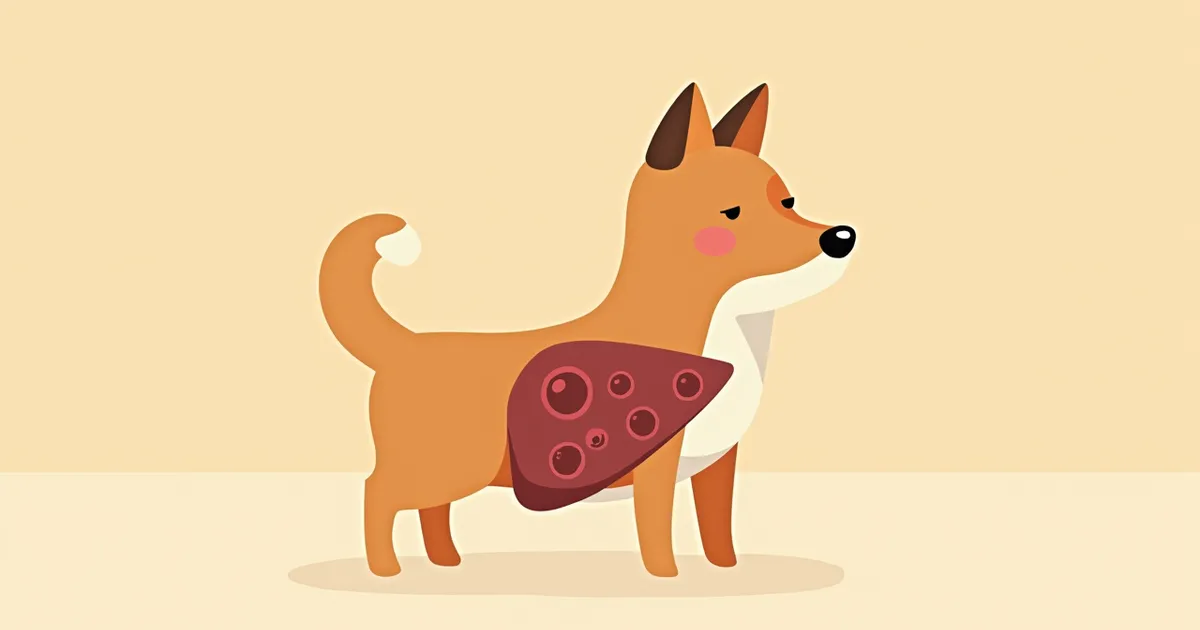
An anatomical illustration showing immune cells infiltrating around liver cells

Main Symptoms and Signs

The symptoms of autoimmune hepatitis in dogs can vary and may be subtle in the early stages, so it’s important for pet owners to carefully observe any changes from their dog’s usual behavior.
Loss of appetite: Your dog may show inconsistent interest in food or suddenly refuse to eat.
Gastrointestinal symptoms: Non-specific digestive issues such as vomiting may occur.
Increased fatigue: Your dog may appear lethargic, less active, and spend the day lying around.
Jaundice: The gums, whites of the eyes, or skin may take on a yellowish tint, and blood bilirubin levels may rise.
Abdominal distension: An enlarged liver (hepatomegaly) or the presence of abdominal fluid (ascites) can cause the belly to appear swollen.
Weight loss: Reduced appetite combined with chronic inflammation and impaired digestion and absorption can lead to gradual weight loss.
A close-up shot of a puppy's face showing signs of jaundice

Signs Requiring Immediate Veterinary Visit

If jaundice appears, or if persistent vomiting and loss of appetite last for more than 24 hours, immediate veterinary care is necessary. This may indicate severe liver damage.

Diagnostic Methods
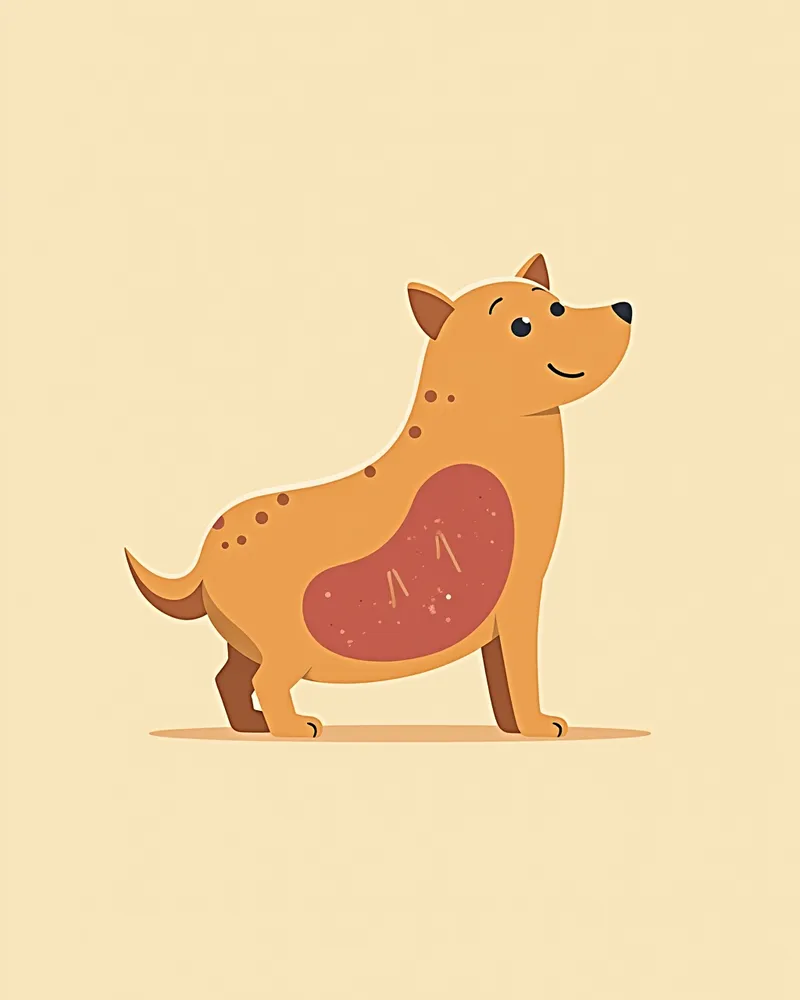
Diagnosing canine autoimmune hepatitis requires a comprehensive analysis of multiple test results. - Blood tests: Elevated liver cell enzymes (ALT, AST) are typically the first noticeable sign, though bile stasis enzymes and bilirubin may also rise. - Autoantibody testing: In certain breeds, such as Doberman Pinschers, detecting autoantibodies like anti-histone antibodies can help support a suspicion of immune-mediated disease. - Ultrasound examination: This evaluates liver size and texture, often revealing an uneven liver parenchyma or increased echogenicity. - Liver biopsy: A definitive diagnosis relies on histopathological examination of liver tissue. Before performing a biopsy, it is essential to check blood coagulation time. - Multidimensional assessment: Because no single test is sufficient for diagnosis, clinical signs, blood work, imaging, and histological findings must be evaluated together.
Ultrasound images showing increased echogenicity of the liver

Treatment Methods and Step-by-Step Management
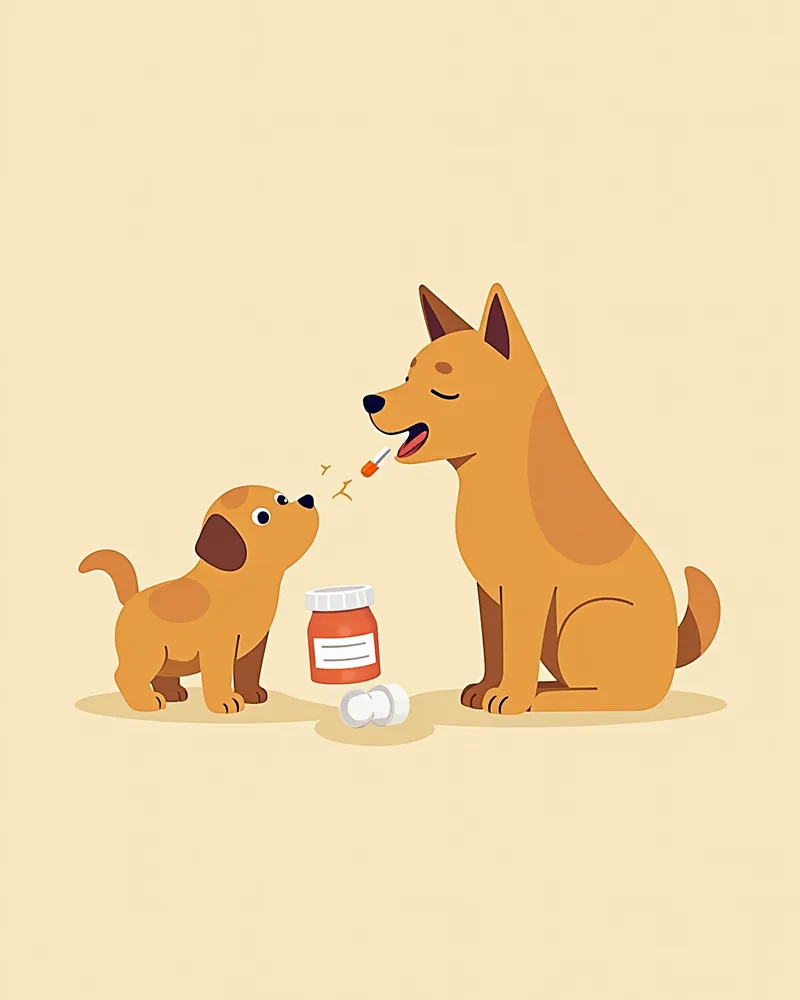
Treatment involves a combination of immunosuppressants and conservative liver management. Since there is no single treatment with definitively proven efficacy, long-term care and regular monitoring through check-ups are essential.
Administration of Immunosuppressants: Prednisolone is commonly used, but caution is required as high doses can induce steroid-induced hepatopathy. Medications such as azathioprine and cyclosporine may also be used in combination.
Conservative Management: If hepatic encephalopathy is a concern, symptoms are managed through dietary adjustments, lactulose, and antibiotics. If ascites is present, it is managed with appropriate protein supplementation and diuretics.
Dietary Management: It is important to maintain adequate protein intake while implementing a diet that reduces the burden on the liver.
Regular Monitoring: Liver enzyme levels can fluctuate over several months, so liver function tests and blood work should be performed periodically.
A veterinarian administering medication to a puppy.

Home Care Points

Home care plays a crucial role in the success of treatment. Consistent medication administration and dietary management are essential.
Maintain a consistent medication schedule: Administer medication at the exact same times in the morning and evening. Missing doses can worsen symptoms.
Maintain dietary consistency: Use the same brand of liver-specific food consistently.
Minimize stress: Avoid environmental changes or excessive stimulation, and provide a quiet space.
Regulate exercise: Excessive exercise can increase the burden on the liver, so limit activity to moderate walks.
Regular check-ups: Keep all appointments with your veterinarian and keep records of test results.
A dog resting comfortably in a quiet environment

Breed-Specific Precautions and Prevention of Recurrence

It is more commonly reported in certain breeds, such as Cocker Spaniels, English Springer Spaniels, Doberman Pinschers, Bedlington Terriers, Labrador Retrievers, and Standard Poodles, making long-term medication management and regular check-ups essential.

Reviewed by a veterinarian

Dr. Tony — Punnawat Phongkittirak

Dr. Tony — Punnawat Phongkittirak

Veterinarian

A veterinarian who majored in veterinary medicine at Khon Kaen University, Thailand, and completed the IVSA program at North Carolina State University in the United States. Drawing on clinical experience at animal hospitals, he works in the pet healthcare field and is dedicated to building a digital care environment that connects pet parents with veterinarians.

Frequently Asked Questions

Can autoimmune hepatitis in dogs be treated?
Our goal is to help manage symptoms and maintain quality of life through appropriate treatment and care. However, there is currently no single treatment with proven effectiveness, long-term medication is often necessary, and the course of the condition varies from individual to individual.
Is this condition genetic?
It is more common in breeds with a genetic predisposition, and extra vigilance is warranted if there is a family history. However, it is not strictly a genetic disease.
What are the effects of impaired liver function?
The liver plays vital roles such as detoxification, protein synthesis, and nutrient storage, so when its function declines, it can lead to a variety of systemic health issues.
Can the condition recur if I stop the medication?
Yes, stopping medication abruptly can reactivate the immune response and worsen symptoms. It should be tapered off gradually under veterinary guidance.
How important is dietary management?
This is very important. Avoid foods that put a strain on the liver, and while maintaining adequate protein intake, consult your veterinarian to select a diet tailored for liver management.

Comparison of Treatment Stages for Canine Autoimmune Hepatitis

ItemMain SymptomsTreatment MethodManagement Points
Early StageDecreased appetite, fatigueStart of immunosuppressants, taking hepatoprotective agentsBegin regular testing, minimize stress
Middle StageJaundice, recurrent vomitingAdjustment of medication dosage, dietary managementMaintain dietary consistency, restrict exercise
Long-term Management StageStable symptoms, weight maintenanceGradual reduction of medication, continued regular testingContinue home care, prevent recurrence

Treatment must be individually tailored according to the patient's condition. Consultation with a veterinarian is essential.

Share

Related Guides

References

[1] Plumb's Veterinary Drug Handbook, 9th Edition, 2022

[2] Small Animal Critical Care Medicine, 3rd Edition, 2017

[3] Veterinary Immunology, 11th Edition, 2020

This information is based on veterinary literature and does not replace diagnosis or treatment. Please consult a veterinarian for specific health concerns.

Metapet Co., Ltd. | CEO: Park Sung-yong | Business Reg. No. 417-88-02562 | Seoul, South Korea | Customer Center

Canine Autoimmune Hepatitis: Signs, Causes & Treatment | Meongsiljang