
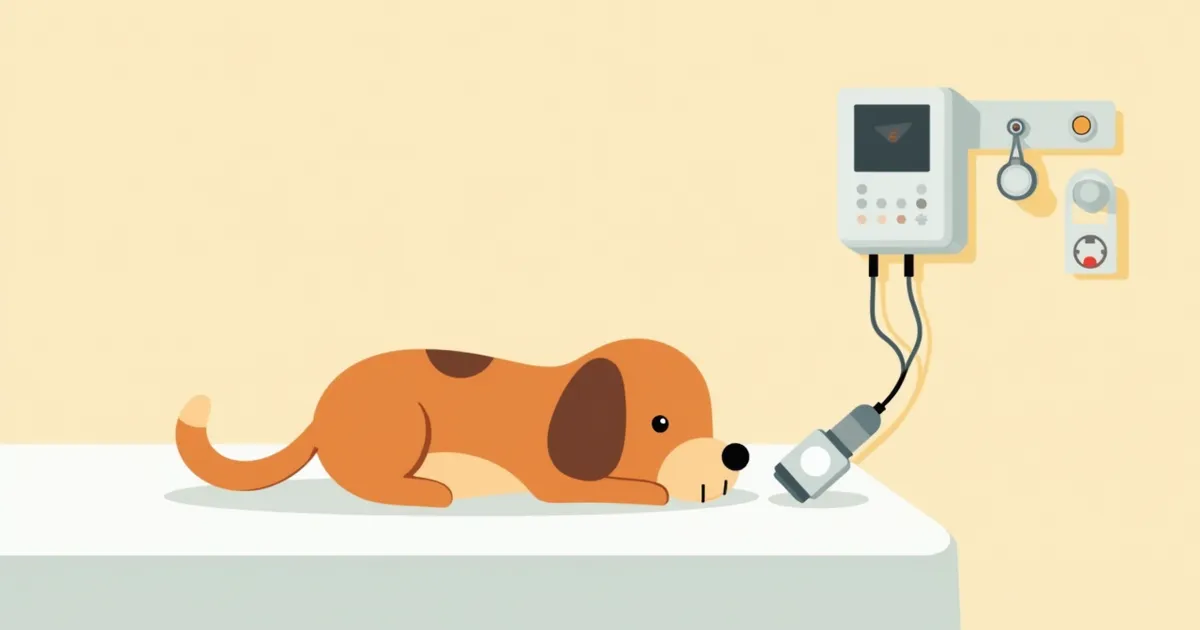
Complete Guide to Dog Kidney Ultrasound: Costs, Process, and Timing for Result Interpretation
Kidney ultrasound is a key diagnostic tool for assessing your dog’s kidney structure and function, helping to detect abnormalities and determine the stage of any underlying disease.
Kidney Ultrasound is a Key Diagnostic Method for Assessing Kidney Structure

The Main Reasons for a Kidney Ultrasound are Chronic Kidney Disease and Acute Kidney Injury
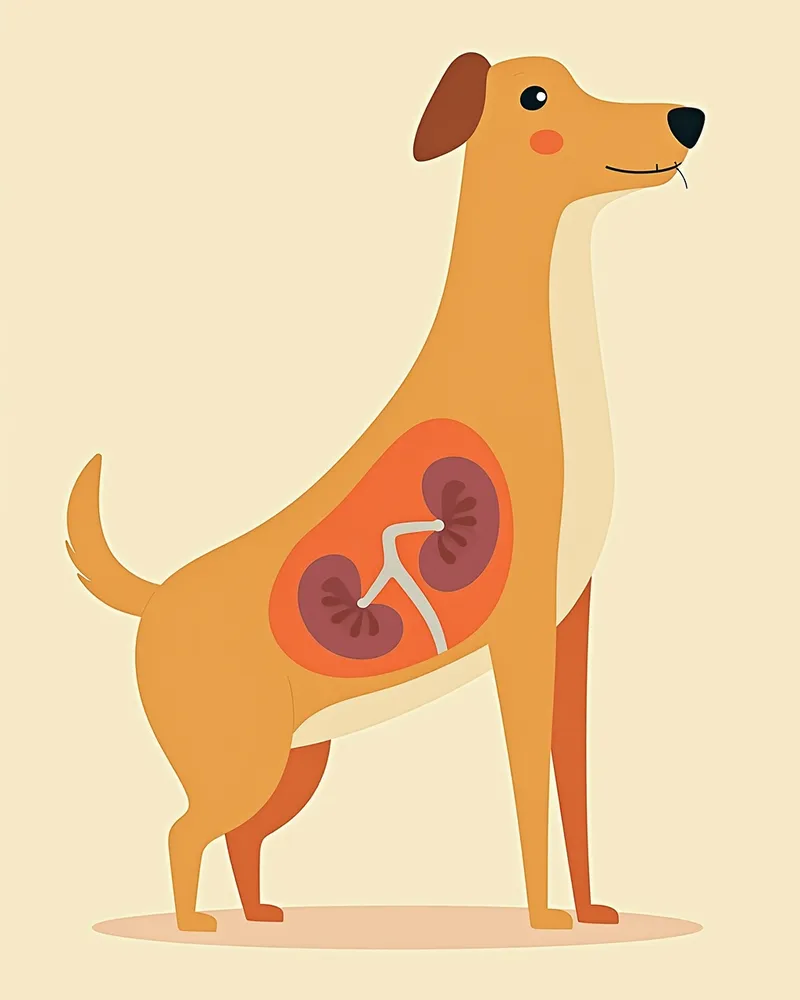
Key Symptoms and Signs That May Appear on a Kidney Ultrasound
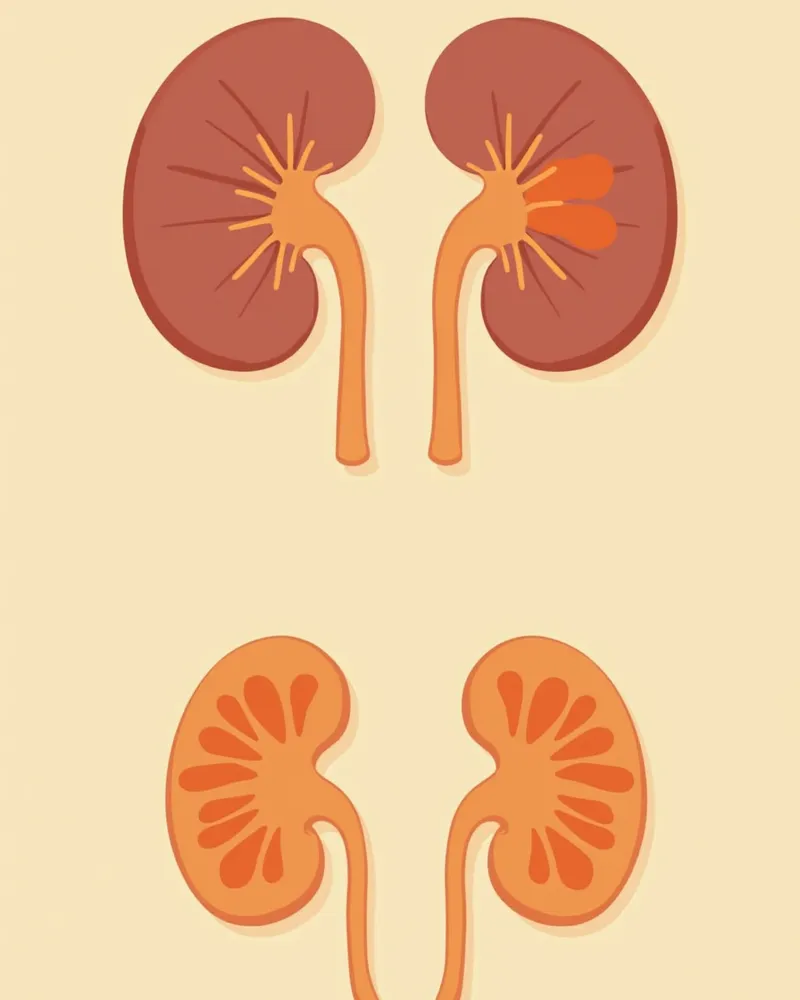
Signs Requiring Immediate Veterinary Visit
If your dog suddenly loses its appetite, experiences repeated vomiting, produces very little urine, or develops a swollen abdomen, seek veterinary care immediately. These symptoms may indicate acute kidney injury or a rapid decline in kidney function. Early treatment is crucial for improving survival rates.
Comparison of Symptoms and Management by Stage of Kidney Disease
| Item | Stage | Main Symptoms | Main Tests | Main Treatment Direction |
|---|---|---|---|---|
| Mild | Increased urine output, increased water intake | Blood test abnormalities, normal ultrasound | Regular check-ups | Dietary management, fluid supplementation |
| Moderate | Decreased appetite, fatigue, weight loss | Blood test abnormalities, lesions found on ultrasound | Ultrasound, urinalysis | Medication, special diet, fluid therapy |
| Severe | Vomiting, diarrhea, lethargy, no urine output | Severe blood test abnormalities, enlarged lesions on ultrasound | Ultrasound, blood test, urinalysis | Hospitalization, fluids, antibiotics; in severe cases consider renal replacement therapy such as dialysis |
Since the treatment direction varies by disease stage, an accurate diagnosis is essential.
Comparing Symptoms and Management Approaches by Stage of Kidney Disease
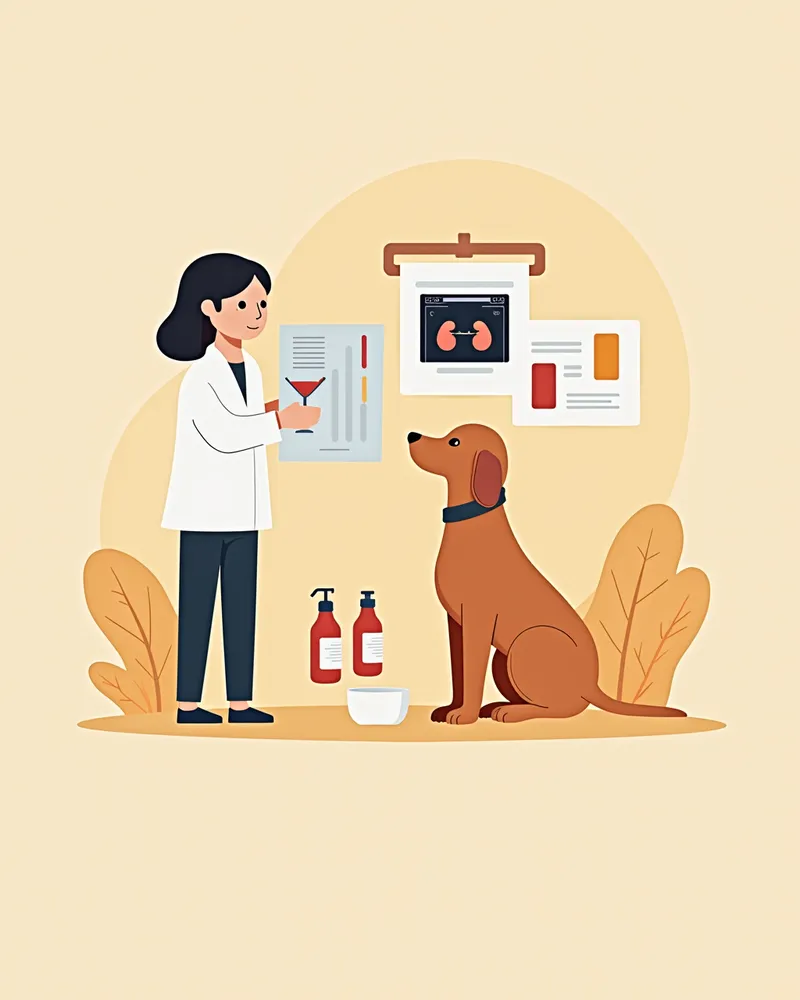
Treatment Methods Vary Depending on the Cause and Severity of the Condition

Dietary Management and Hydration Are Key to At-Home Care

Certain Breeds Are More Susceptible to Kidney Disease
Terrier breeds, particularly Cairn Terriers and West Highland White Terriers, have been reported to be affected by hereditary polycystic kidney disease (PKD). Cases of renal lesions detected via ultrasound have also been documented in Labrador Retrievers. Because certain breeds may have a genetic or familial predisposition to kidney disease, regular check-ups are essential. Working with your veterinarian to develop a management plan tailored to your dog’s breed characteristics can be very helpful.
Reviewed by a veterinarian

Dr. Tony — Punnawat Phongkittirak
VeterinarianA veterinarian who majored in veterinary medicine at Khon Kaen University, Thailand, and completed the IVSA program at North Carolina State University in the United States. Drawing on clinical experience at animal hospitals, he works in the pet healthcare field and is dedicated to building a digital care environment that connects pet parents with veterinarians.
Reviewed 2026-06-05
Frequently Asked Questions
Is an ultrasound of the kidneys painful?
Is fasting required before the test?
How long does it take to get the ultrasound results?
Should the ultrasound examination be repeated?
If a kidney lesion is found, is surgery always necessary?
Share
Related Guides

Top 5 Prescription Diets for Cats with Chronic Kidney Disease — Stage-Specific Protein Adjustment

7 Emergency Signs and Causes of Acute Kidney Failure in Dogs You Must Not Miss

Top 5 Cat Kidney Supplements Recommended for 2026

Comprehensive Guide to Breed-Specific Exercise Recommendations for Dogs: Symptoms, Causes, Diagnosis, Treatment, and Management

Comprehensive Guide to Managing Cats During Winter Cold Snaps: Hypothermia Prevention, Symptoms, Causes, Diagnosis, Treatment, and Care Points

Feline Spaying and Neutering: Pros and Cons, Symptoms and Causes, Diagnosis, Treatment, and Management Tips

Complete Guide to Feline Rabies Vaccination: Symptoms, Causes, Diagnosis, Treatment, and Management

Complete Guide to Cat Age Conversion: Symptoms, Causes, Diagnosis, Treatment, and Management

Cat Core Vaccination Schedule: Symptoms, Causes, Diagnosis, Treatment, and Management Points Summary

Cat Dry vs. Wet vs. Raw Food Selection: Symptoms, Causes, Diagnosis, Treatment, and Management Points Summary
References
[1] Langston, C.E. et al. (2023) Small Animal Critical Care Medicine, 3rd Edition. Elsevier.
[2] The Cat, Clinical Medicine and Management, 2nd Edition (2022). Elsevier.
[3] Plumb's Veterinary Drug Handbook, 9th Edition (2021). Wiley.