Like
Share
멍실장
강아지 복막 투석 증상과 원인, 진단·치료와 관리 포인트 총정리

Our Puppy with Kidney Failure — When Peritoneal Dialysis Is Needed and Key Care Points

KidneyDiseasesMeongsiljang Veterinary Advisory Board

Peritoneal dialysis for dogs is a life-sustaining treatment used when kidney function is severely impaired. Accurate diagnosis and meticulous care are essential.

What Is Peritoneal Dialysis for Dogs?
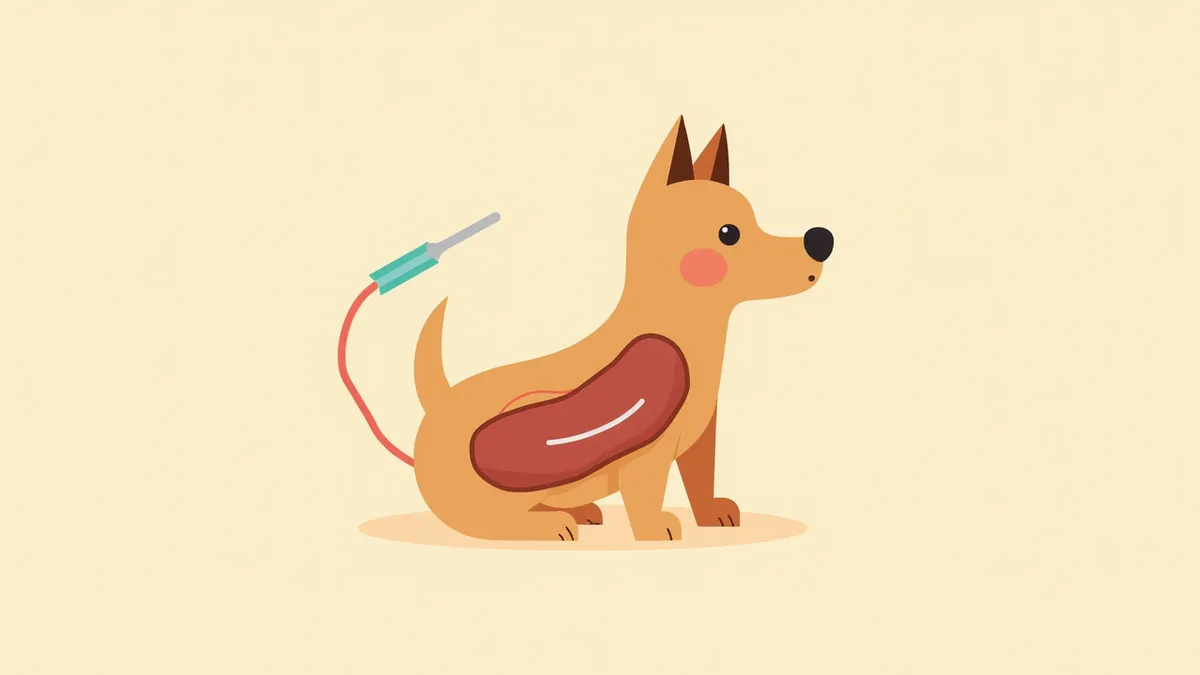
An anatomical illustration showing the placement of a peritoneal dialysis catheter within a dog’s abdominal cavity
Peritoneal dialysis for dogs is a treatment that removes waste products by infusing and draining a special dialysis solution into the abdominal cavity when kidney function is severely impaired. As a form of renal replacement therapy, it plays a vital role in sustaining life. It is particularly used in cases of acute kidney failure or in the progressive stages of chronic kidney disease, requiring consistent veterinary management. The dialysis solution, which contains electrolytes and glucose, absorbs unnecessary substances from the body, helping to restore fluid and electrolyte balance. Peritoneal dialysis enables long-term treatment and contributes to improving your dog’s quality of life.

What Are the Main Causes of Peritoneal Dialysis?

The main reasons a dog may need peritoneal dialysis are acute kidney injury (AKI), progression of chronic kidney disease, and various factors that damage the kidneys. Acute kidney injury can result from ischemia (reduced blood flow to the kidneys), nephrotoxic substances, infectious diseases, or systemic illnesses. Common nephrotoxic agents include ethylene glycol (antifreeze), grapes and raisins, and heavy metals, while infectious diseases such as leptospirosis can also harm the kidneys. These causes severely impair the kidneys’ filtering function, leading to the buildup of waste products in the body. Additionally, prerenal causes like dehydration or shock, which reduce renal blood flow, can also lead to decreased kidney function. Early diagnosis and appropriate treatment significantly improve the chances of a successful outcome, and close collaboration with your veterinarian is key to effective care.
A veterinarian examining a puppy showing signs of dehydration.

What Are the Main Symptoms and Signs?

The main signs that a dog may need peritoneal dialysis include loss of appetite, repeated vomiting, lethargy, dehydration, and decreased urine output or no urine output at all (anuria). These symptoms occur because declining kidney function prevents proper waste elimination and disrupts the body’s fluid and electrolyte balance. Dehydration is commonly seen when kidney function drops, and as uremia progresses, you may notice bad breath (uremic halitosis) or ulcers in the mouth. A rapid rise in blood urea nitrogen (BUN) and creatinine levels may indicate the need for renal replacement therapy. In particular, anuria or very low urine output (oliguria) can signal a poorer prognosis, making early detection crucial for successful treatment.
A close-up shot of a lethargic puppy with dry mouth.

Emergency Signs Requiring Immediate Veterinary Visit

If your dog suddenly becomes lethargic, experiences repeated severe vomiting, or stops urinating altogether, seek veterinary care immediately. These are signs of acute kidney failure, which can become life-threatening if treatment isn’t started within 24 hours. In some cases, peritoneal dialysis may be required, and delays in treatment significantly increase the risk of death.

How Is the Diagnosis Made?
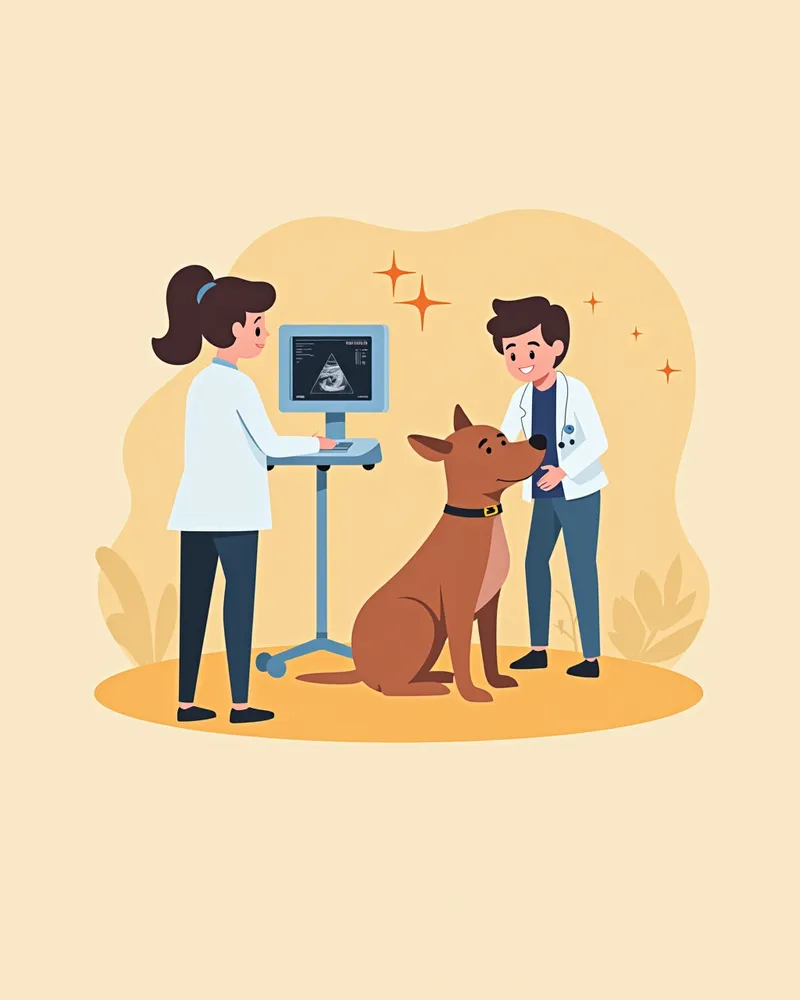
To determine whether peritoneal dialysis is necessary, we perform blood tests, urinalysis, abdominal ultrasound, and kidney biopsies. Elevated blood urea nitrogen (BUN) and creatinine levels, along with low urine concentration, may indicate impaired kidney function. Analyzing fluid collected from the abdominal cavity helps confirm the presence of infection. Before catheter insertion, detailed imaging is used to identify a safe placement site. An accurate diagnosis forms the foundation of the treatment plan, making a veterinarian’s expert judgment essential.
A veterinarian performing an abdominal ultrasound on a puppy

Treatment Procedure and Step-by-Step Management

Peritoneal dialysis follows a step-by-step process: catheter insertion, infusion of dialysate, a dwell period, and drainage. The catheter is surgically placed into the abdominal cavity, and the dialysate must be exchanged multiple times daily, tailored to the patient’s weight and condition. The dialysate is a specialized solution containing electrolytes and glucose, which removes waste products and excess fluid through diffusion and osmosis across the semipermeable membrane. The veterinarian adjusts the solution’s concentration, volume, and exchange frequency based on the patient’s weight and clinical status. Additionally, the first exchange may be intentionally delayed for a set period to minimize leakage. During treatment, it is essential to meticulously record changes in weight, fluid intake, and urine output, while regular check-ups and strict adherence to medication are key to successful outcomes.
A veterinarian administering dialysis fluid into a puppy’s abdominal cavity.

Key Care Points at Home

After peritoneal dialysis, it is essential to check the catheter site daily at home for any signs of infection, such as redness, swelling, or discharge, and contact your veterinarian immediately if any of these appear. Keep a regular log of your dog’s food and water intake, and closely monitor changes in body weight. Strictly adhere to the prescribed dialysis schedule and medication times, and provide a quiet environment to minimize stress. Promptly assess any behavioral changes or decreased appetite, and maintain regular veterinary visits and blood tests to monitor your dog’s condition.
A puppy resting calmly, with the catheter site appearing clean.

Breed-Specific Precautions and Prevention of Recurrence

Because a dog’s kidney function can decline again depending on the type and severity of its underlying kidney disease, it is essential to monitor kidney markers such as BUN and creatinine through regular check-ups and blood tests. Additionally, be careful to prevent exposure to nephrotoxic substances like ethylene glycol (antifreeze) and grapes or raisins, while ensuring adequate water intake to prevent dehydration. Check the catheter site daily for signs of infection, and consistently follow your veterinarian’s dietary and care recommendations to prevent recurrence and complications.

Reviewed by a veterinarian

Dr. Tony — Punnawat Phongkittirak

Dr. Tony — Punnawat Phongkittirak

Veterinarian

A veterinarian who majored in veterinary medicine at Khon Kaen University, Thailand, and completed the IVSA program at North Carolina State University in the United States. Drawing on clinical experience at animal hospitals, he works in the pet healthcare field and is dedicated to building a digital care environment that connects pet parents with veterinarians.

Frequently Asked Questions

Is peritoneal dialysis painful?
Since anesthesia is used during the procedure, your pet won’t feel any pain. After the catheter is placed, there may be some mild discomfort, but your veterinarian will prescribe pain management medication to keep your pet comfortable.
How often are dialysis sessions scheduled?
The frequency of dialysate exchanges and the duration of each session are determined by your veterinarian based on the patient’s condition and treatment goals, typically requiring multiple exchanges per day. These parameters are adjusted to suit each individual case.
Can dialysis be performed at home?
Yes, under the guidance and training of a veterinarian, dialysis can be administered at home. However, initial management in a hospital setting is necessary.
How long can a pet survive after dialysis?
The prognosis varies significantly depending on the cause and severity of kidney damage, as well as the response to treatment. Acute kidney injury carries a high mortality rate (approximately 50%), but recovery is possible depending on the type of damage. Early treatment and meticulous management are key.
How can catheter infections be prevented?
It's important to disinfect the catheter site daily, handle it only after washing your hands, and keep it free from moisture and contamination.

Comparison of Peritoneal Dialysis vs. Hemodialysis

ItemPeritoneal dialysisHemodialysis
Equipment needsPeritoneal dialysis catheter, dialysateLarge hemodialysis machine, venous (vascular) access
Treatment frequencySeveral exchanges per day depending on the patient's conditionPerformed regularly at a specialized facility
Feasibility at homeHighLow
CostModerateHigh
Infection riskRisk of abdominal cavity (peritonitis) infectionRisk of vascular infection

Peritoneal dialysis can be done at home and is favorable for long-term management, but carries a risk of infection. Hemodialysis is effective but requires equipment and specialized personnel.

Share

Related Guides

References

[1] Plumb's Veterinary Drug Handbook, 8th Edition, 2018. Wiley-Blackwell.

[2] Feldman, B. F., & Nelson, R. W. (2013). Canine and Feline Nephrology and Urology (2nd ed.). Elsevier Saunders.

[3] Kirk, C. W., & Bunch, S. E. (2017). Veterinary Critical Care Medicine. Wiley-Blackwell.

This information is based on veterinary literature and does not replace diagnosis or treatment. Please consult a veterinarian for specific health concerns.

Metapet Co., Ltd. | CEO: Park Sung-yong | Business Reg. No. 417-88-02562 | Seoul, South Korea | Customer Center

Dog Kidney Failure: When Peritoneal Dialysis Is Needed | Meongsiljang