Like
Share
멍실장
강아지 CKD 진행 속도 모니터링 증상과 원인, 진단·치료와 관리 포인트 총정리

How Fast Is My Dog’s Kidney Disease Progressing? — Monitoring CKD Progression and Management Points

KidneyDiseasesMeongsiljang Veterinary Advisory Board

The progression of chronic kidney disease (CKD) in dogs varies from individual to individual, and regular monitoring is crucial for treatment success. Early detection and consistent management are key.

What Is Monitoring the Progression Rate of CKD in Dogs?

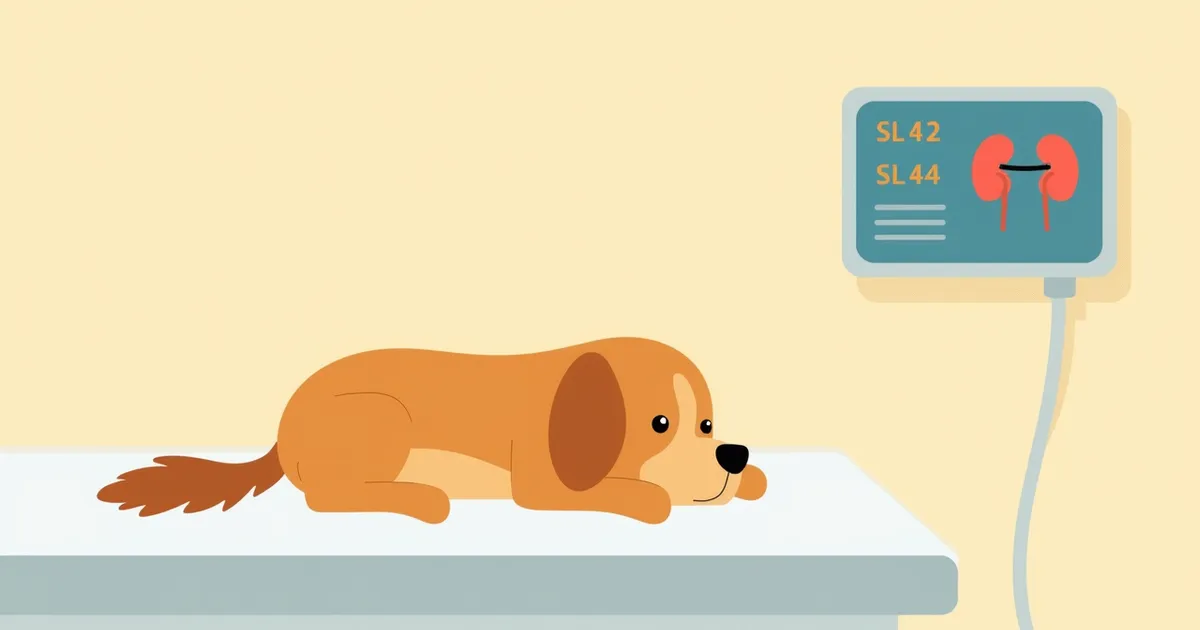
A digital illustration showing the progressive stages of kidney disease in dogs
Monitoring the progression of chronic kidney disease (CKD) in dogs is a crucial process that involves regularly checking the rate of kidney function decline to adjust treatment plans accordingly. - Serum creatinine and SDMA levels: These are key indicators for assessing kidney filtration function and serve as the basis for IRIS staging, requiring consistent monitoring. - Blood phosphorus levels: As kidney function declines, phosphorus excretion becomes difficult, potentially leading to hyperphosphatemia, so regular checks are necessary. - Urine protein/creatinine ratio: This indicator evaluates the degree of proteinuria and serves as an additional criterion for IRIS staging, making regular measurements important. - Blood pressure readings: Hypertension can strain the kidneys and is also an additional criterion for IRIS staging, so it should be monitored consistently. - Weight changes and decreased appetite: These are important signs reflecting overall health status. Regular examinations and record-keeping help detect and manage issues early on.

Main Factors Determining the Progression Rate of CKD
The progression rate of chronic kidney disease (CKD) in dogs varies significantly depending on the underlying cause and the individual’s overall health status. Early diagnosis and appropriate management are crucial.
Hypertension: Places stress on renal blood vessels, accelerating functional decline.
Hyperphosphatemia: Interacts with reduced kidney function, worsening the disease.
Inflammatory response: Chronic inflammation gradually damages kidney tissue.
High-protein diet: Places excessive burden on the kidneys, increasing the progression rate.
Concurrent underlying diseases: The presence of conditions such as diabetes or heart disease can accelerate progression.
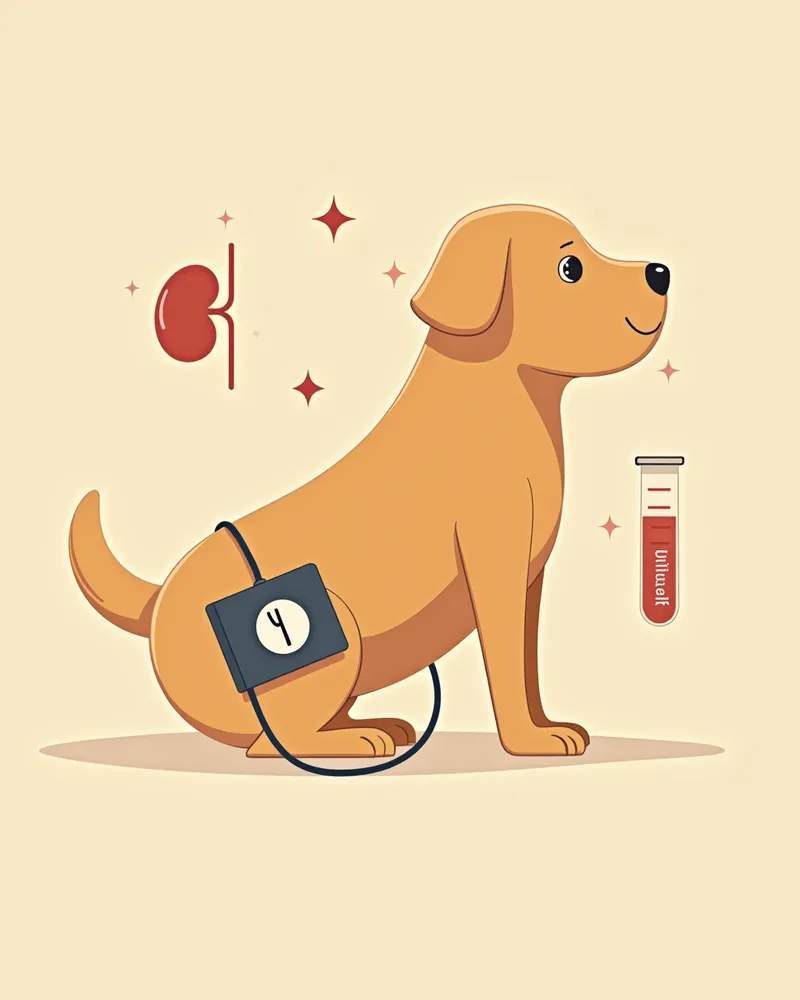
A blood pressure monitor for dogs, blood test tubes, and an image of an inflamed kidney

Key Symptoms to Check for CKD Progression Rate

In the early stages of chronic kidney disease (CKD) in dogs, there are often no obvious symptoms, but it’s important to carefully monitor for gradually emerging signs.
Excessive thirst: Your dog may start drinking water much more frequently.
Frequent urination: The number of times your dog urinates in a day increases.
Weight loss: A decrease in appetite can lead to rapid weight loss.
Increased fatigue: Your dog may become lethargic, sleeping more and showing less activity throughout the day.
Repeated vomiting: Gastrointestinal dysfunction can cause frequent vomiting.
Worsening bad breath: As kidney function declines, your dog’s breath may become noticeably stronger or more unpleasant.
A photo showing a puppy drinking a lot of water and frequently going to the bathroom

Emergency Signs Requiring Immediate Veterinary Visit

If your dog suddenly experiences severe vomiting, diarrhea, lethargy, or difficulty breathing, you should take them to the vet immediately. These symptoms may indicate a rapid decline in kidney function or the presence of complications.

Key Tests for Diagnosing CKD Progression Rate

To accurately determine the progression rate of chronic kidney disease (CKD) in dogs, multiple tests are required. Regular check-ups form the foundation of treatment.
Blood tests: Measure serum creatinine and SDMA levels to assess kidney function.
Urinalysis: Check for proteinuria and urine concentration to gauge the extent of disease progression.
Ultrasound examination: Visually confirm kidney size and structural changes.
Blood pressure measurement: Check for hypertension to evaluate whether the kidneys are under strain.
Underlying disease screening: Identify any concurrent conditions, such as diabetes or heart disease.
A veterinarian using an ultrasound device on a puppy's abdomen.

Treatment Methods to Slow the Progression of CKD

Slowing the progression of chronic kidney disease (CKD) in dogs requires a comprehensive, multi-faceted approach, implemented step by step under veterinary guidance.
Dietary Management: Feed a renal prescription diet that is low in sodium, restricted in phosphorus, and contains appropriately reduced protein levels to lessen the burden on the kidneys.
Fluid Therapy: Regular fluid supplementation is necessary to prevent dehydration.
Pharmacological Treatment: Medications are prescribed to manage complications such as hypertension, hyperphosphatemia, and anemia.
Blood Pressure Management: Maintaining blood pressure within the normal range helps prevent further kidney damage.
Functional Supplements: Ingredients added to renal prescription diets, such as omega-3 fatty acids and antioxidants, can help reduce inflammation and support kidney protection.
A photo showing a low-protein, low-phosphorus diet alongside medications and a water bottle.

CKD Management Points at Home

Consistent home care is the key to successfully managing chronic kidney disease (CKD) in dogs. Here are some practical tips you can implement in your daily routine.
Maintain a consistent feeding schedule: Provide the same amount of food at the same time every day.
Ensure access to water: Always provide fresh, clean water.
Regulate activity levels: Avoid excessive exercise and stick to moderate walks.
Manage medication administration: Give medications at the correct times and in the prescribed dosages.
Monitor weight: Weigh your dog at the same time each week and record any changes.
Adhere to veterinary visit schedules: Keep all regular check-up appointments.
A puppy is lying comfortably on its bed, with a calendar on the wall showing scheduled vet visits.

Prevention of Recurrence and Breed-Specific Precautions

Canine chronic kidney disease (CKD) is an irreversible, progressive condition that cannot be cured. Although it may appear to develop suddenly, it is often the result of a gradual depletion of renal reserve. Various factors, including infections, kidney stones, toxicity, and genetic defects, can damage the kidneys. Therefore, for dogs with risk factors, early monitoring and regular check-ups to assess the progression of the disease are essential.

Reviewed by a veterinarian

Dr. Tony — Punnawat Phongkittirak

Dr. Tony — Punnawat Phongkittirak

Veterinarian

A veterinarian who majored in veterinary medicine at Khon Kaen University, Thailand, and completed the IVSA program at North Carolina State University in the United States. Drawing on clinical experience at animal hospitals, he works in the pet healthcare field and is dedicated to building a digital care environment that connects pet parents with veterinarians.

Frequently Asked Questions

Can chronic kidney disease in dogs be cured?
Chronic kidney disease (CKD) is an irreversible, chronic condition that is difficult to cure. However, with early intervention and proper management, you can slow its progression and maintain your pet’s quality of life.
How often should CKD tests be performed?
The frequency of check-ups varies depending on the stage of kidney disease and your dog's overall condition. Since management strategies for chronic kidney disease (CKD) change according to the disease stage, it is important to consistently monitor creatinine, SDMA, and urine test results at intervals recommended by your veterinarian.
Why is dietary management important?
Dietary management is key to slowing the progression of kidney disease by reducing the workload on the kidneys. A prescription renal diet that limits phosphorus and moderately reduces protein can be very helpful.
Will giving the medication cause any side effects?
While medications can have side effects, your veterinarian will adjust the dosage based on your pet’s weight and test results. Please let us know right away if you notice any unusual symptoms.
Can dogs with chronic kidney disease go for walks?
It’s important to regulate your pet’s activity level. When they seem tired, stick to short walks and avoid excessive exercise.

Share

Related Guides

References

[1] Plumb's Veterinary Drug Handbook, 9th Edition, 2022

[2] Small Animal Critical Care Medicine, 3rd Edition, 2021

[3] Urinalysis in the Dog and Cat, 2020

This information is based on veterinary literature and does not replace diagnosis or treatment. Please consult a veterinarian for specific health concerns.

Metapet Co., Ltd. | CEO: Park Sung-yong | Business Reg. No. 417-88-02562 | Seoul, South Korea | Customer Center

How Fast Is My Dog's CKD Progressing? Monitoring & Management | Meongsiljang