Like
Share
멍실장
고양이 기흉 증상과 원인, 진단·치료와 관리 포인트 총정리

Feline Pneumothorax: Symptoms, Causes, Diagnosis, Treatment, and Management Essentials

RespiratoryDiseasesMeongsiljang Veterinary Advisory Board

Feline pneumothorax is an acute condition in which air accumulates around the lungs, making breathing difficult, and requires immediate veterinary attention. Causes can vary, including trauma, lung disease, and genetic predisposition.

What is Feline Pneumothorax?
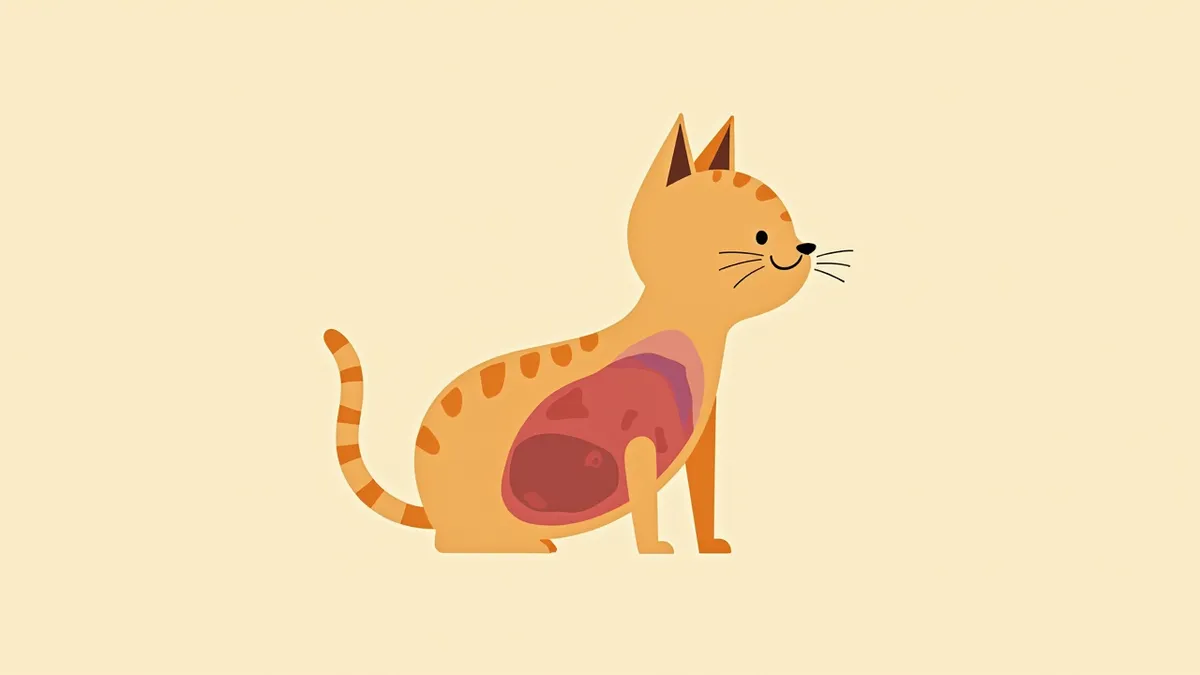
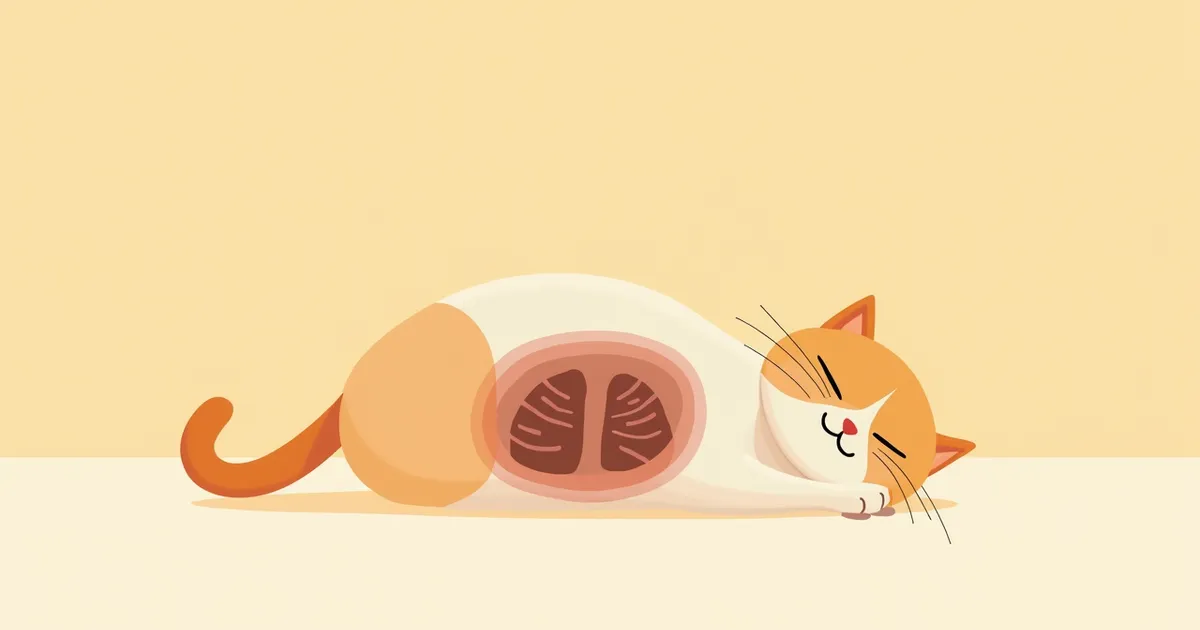
Diagram of air accumulation within a cat’s thoracic cavity
Feline pneumothorax is an acute condition in which air abnormally accumulates within the pleural cavity surrounding the lungs, compressing the lungs and making breathing difficult. Because the lungs cannot expand properly, oxygen supply is compromised, potentially becoming life-threatening. It is most commonly caused by trauma, lung tissue lesions (such as bullae or emphysema), or spontaneous factors, and can occur suddenly. Immediate veterinary care is essential, as delayed treatment can be fatal. If air leakage persists, the risk of recurrence increases, making early detection and management crucial.

What are the Main Causes of Pneumothorax?

The main causes of pneumothorax in cats are varied, including trauma, lung disease, and spontaneous pneumothorax. - Trauma: Falls, vehicle accidents, or bite wounds can damage the lungs or rupture air blisters, allowing air to enter the chest cavity. Trauma is the most common cause of pneumothorax in cats. - Lung Disease: Secondary spontaneous pneumothorax can occur alongside pre-existing lung conditions, with inflammatory airway diseases frequently reported as the underlying cause. - Spontaneous Pneumothorax: Lesions such as subpleural blebs or bullae are common causes of spontaneous pneumothorax. However, spontaneous pneumothorax is rarely reported in cats and usually appears as a secondary condition associated with underlying lung disease. - Other Causes: Tumors, parasitic or infectious diseases, complications during endoscopic procedures or anesthesia, and iatrogenic causes such as thoracentesis can also lead to pneumothorax.
The risk of trauma from falls in cats

What are the Main Symptoms of Pneumothorax?

The main symptoms of feline pneumothorax include difficulty breathing, rapid and shallow breaths, and increased effort during respiration. - Difficulty breathing: Breathing becomes labored, with an increased respiratory rate and more effort required during inhalation or exhalation. - Rapid breathing: Tachypnea may occur, characterized by faster and shallower breathing than usual. - Decreased activity: The cat may show reluctance to move and appear fatigued during physical activity. - Signs of oxygen deprivation: Inadequate lung expansion can lead to hypoxemia; in severe cases, the gums or oral mucosa may appear pale or bluish. - Restless behavior: Sudden anxiety, frequent changes in posture, and signs of discomfort may be observed. If any of these symptoms are present, seek veterinary care immediately.
Photos of feline respiratory distress symptoms

Emergency Signs Requiring Immediate Veterinary Attention

If your cat suddenly starts breathing rapidly, has blue-tinged lips or mouth, or shows severe distress while breathing, you should take them to the vet immediately. This is a life-threatening condition.

How is Pneumothorax Diagnosed?

Feline pneumothorax is most often confirmed with a chest X-ray. - X-ray findings: The images typically show a collapsed lung and a characteristic air pocket surrounding it. - Precise diagnosis: If needed, a CT scan can provide a more detailed assessment of the extent and cause of the pneumothorax. - Severity assessment: The degree of pneumothorax is evaluated via X-ray to determine the appropriate treatment plan. - Checking for concurrent conditions: We also look for any underlying issues such as lung tumors, inflammation, or trauma. - Immediate decision-making: In severe cases, emergency treatment may begin immediately, even before an X-ray is taken.
Evidence of pneumothorax on a feline chest X-ray

What are the Treatment Options for Pneumothorax?

Treating a pneumothorax centers on removing the trapped air and allowing the lung to re-expand. - Thoracentesis: For mild cases, this is the most common approach, using a needle to withdraw air from the chest cavity. - Chest tube placement: In severe or recurrent cases, a drainage tube is inserted to continuously evacuate air. - Surgical intervention: If the pneumothorax recurs or blebs keep rupturing, surgery may be performed to repair the damaged area of the lung. - Supportive care: This includes oxygen therapy, antibiotic administration, and pain management. - Treating the underlying cause: If an underlying lung disease or tumor is responsible, appropriate treatment for that condition is provided concurrently.
Insertion of a thoracic drainage tube during treatment for feline pneumothorax

Post-Treatment Home Care Points

After pneumothorax treatment, it’s important to limit your pet’s activity and minimize stress. - Activity Restriction: Strictly limit activity until the drainage tube is removed, and prevent running or jumping. - Environment Management: Provide a quiet, stable environment for rest. - Observation: Contact the clinic immediately if you notice changes in breathing sounds, difficulty breathing, or signs of shock. - Medication: Administer antibiotics or pain relievers exactly as directed by your veterinarian. - Regular Check-ups: Schedule follow-up examinations at regular intervals after treatment to monitor for recurrence.
After treatment for pneumothorax, the cat is in a stable condition.

Breeds at High Risk of Recurrence and Precautions

Spontaneous pneumothorax is rarely reported in cats, with trauma being the most common cause. When it does occur spontaneously, it is often associated with underlying lung conditions such as subpleural blebs or bullae, or inflammatory airway diseases. Because recurrence is possible and the prognosis can be poor, it’s important to minimize external stimuli and create an environment that prevents falls from heights.

Reviewed by a veterinarian

Dr. Tony — Punnawat Phongkittirak

Dr. Tony — Punnawat Phongkittirak

Veterinarian

A veterinarian who majored in veterinary medicine at Khon Kaen University, Thailand, and completed the IVSA program at North Carolina State University in the United States. Drawing on clinical experience at animal hospitals, he works in the pet healthcare field and is dedicated to building a digital care environment that connects pet parents with veterinarians.

Frequently Asked Questions

Is pneumothorax a common condition in cats?
Pneumothorax is a relatively common condition in both dogs and cats. However, in cats, traumatic pneumothorax is the most frequent type, while spontaneous pneumothorax is rarely reported. The risk of pneumothorax increases with trauma or underlying lung disease, so always consider pneumothorax as a possibility when you notice sudden difficulty breathing.
Can a pet make a full recovery after treatment for a pneumothorax?
Traumatic pneumothorax often resolves with appropriate treatment. However, the prognosis for spontaneous pneumothorax in cats is guarded; one study reported that four out of five cats undergoing thoracotomy for spontaneous pneumothorax did not survive. Therefore, it is crucial to identify and manage the underlying cause.
What should I do at home if my pet develops a pneumothorax?
There’s not much you can do at home. You need to get to a vet right away. Keep your pet calm in a quiet environment to avoid worsening their breathing difficulties, then transport them quickly.
Can pneumothorax recur?
Yes, especially in cases of spontaneous pneumothorax or when there is an underlying lung lesion, the risk of recurrence is higher. It’s important to work with your veterinarian to identify the underlying cause and develop a prevention and management plan.
Can pneumothorax be treated without surgery?
Mild closed pneumothorax often improves with thoracentesis alone. However, if repeated thoracentesis is needed or if air leakage persists, chest tube placement or surgical intervention may be required.

Share

Related Guides

References

[1] The Cat, Clinical Medicine and Management, 2nd Edition. Elsevier, 2020.

[2] Feline Emergency and Critical Care Medicine, 2nd Ed. Wiley-Blackwell, 2018.

[3] Clinical Medicine of the Dog and Cat, 4th Ed. Elsevier, 2017.

This information is based on veterinary literature and does not replace diagnosis or treatment. Please consult a veterinarian for specific health concerns.

Metapet Co., Ltd. | CEO: Park Sung-yong | Business Reg. No. 417-88-02562 | Seoul, South Korea | Customer Center

Feline Pneumothorax: Symptoms, Causes, Treatment, and Management | Meongsiljang