Like
Share
멍실장
강아지 문맥 고혈압 증상과 원인, 진단·치료와 관리 포인트 총정리

If Your Dog’s Belly Is Bloated — Portal Hypertension Symptoms and When to Visit the Vet

Liver HealthDiseasesMeongsiljang Veterinary Advisory Board

Canine portal hypertension is a condition characterized by elevated blood pressure in the portal vein, often linked to liver dysfunction, and can cause damage to target organs such as the eyes, heart, and kidneys. Early detection and management are crucial.

Canine Portal Hypertension Is a Condition of Elevated Blood Pressure Linked to Liver Dysfunction
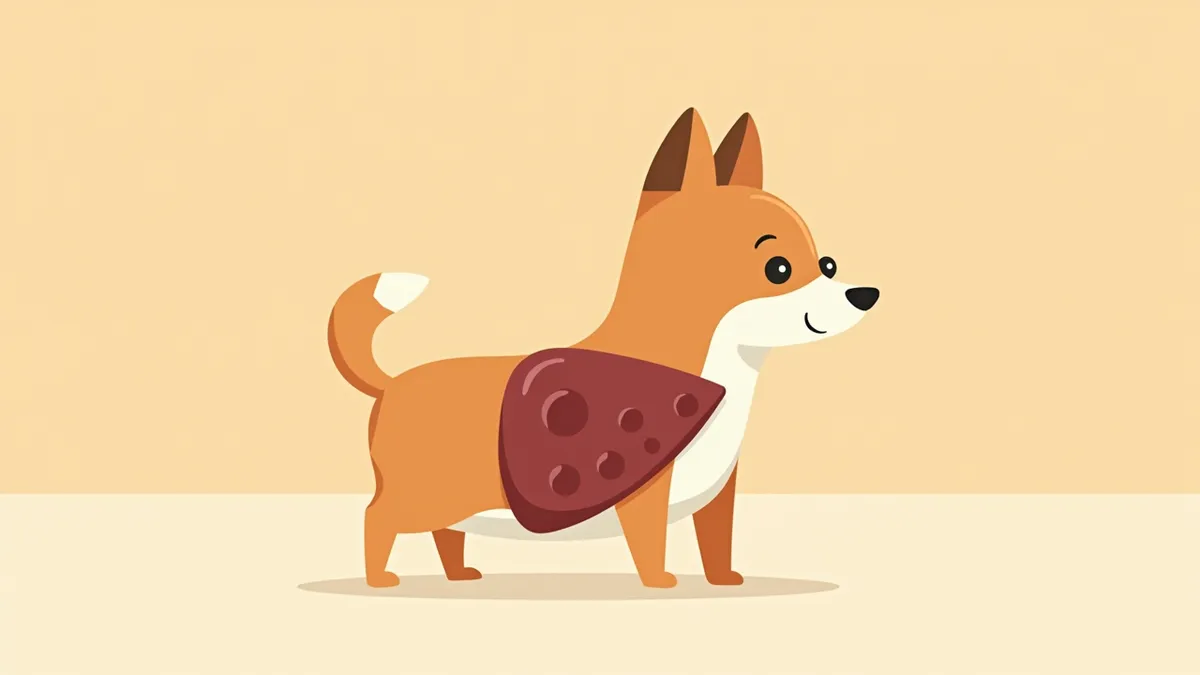
An anatomical image of a dog's liver showing a dilated portal vein and prominent blood vessels
Portal hypertension in dogs is a condition in which the pressure within the portal venous system supplying the liver becomes abnormally elevated, primarily caused by liver disease, cirrhosis, or portal vein thrombosis. This condition is not related to systemic blood pressure; rather, it results from increased resistance to blood flow through the liver or an increase in portal blood volume, leading to elevated portal pressure. It can cause serious complications such as ascites (fluid accumulation in the abdominal cavity), gastrointestinal bleeding, and decreased consciousness. Because treatment options with medications are limited, managing complications and early detection are key to improving survival rates. Since symptoms may be absent, regular veterinary check-ups are essential. Ongoing monitoring in collaboration with your veterinarian is necessary.

The Main Causes of Portal Hypertension Are Liver Disease and Blood Flow Obstruction
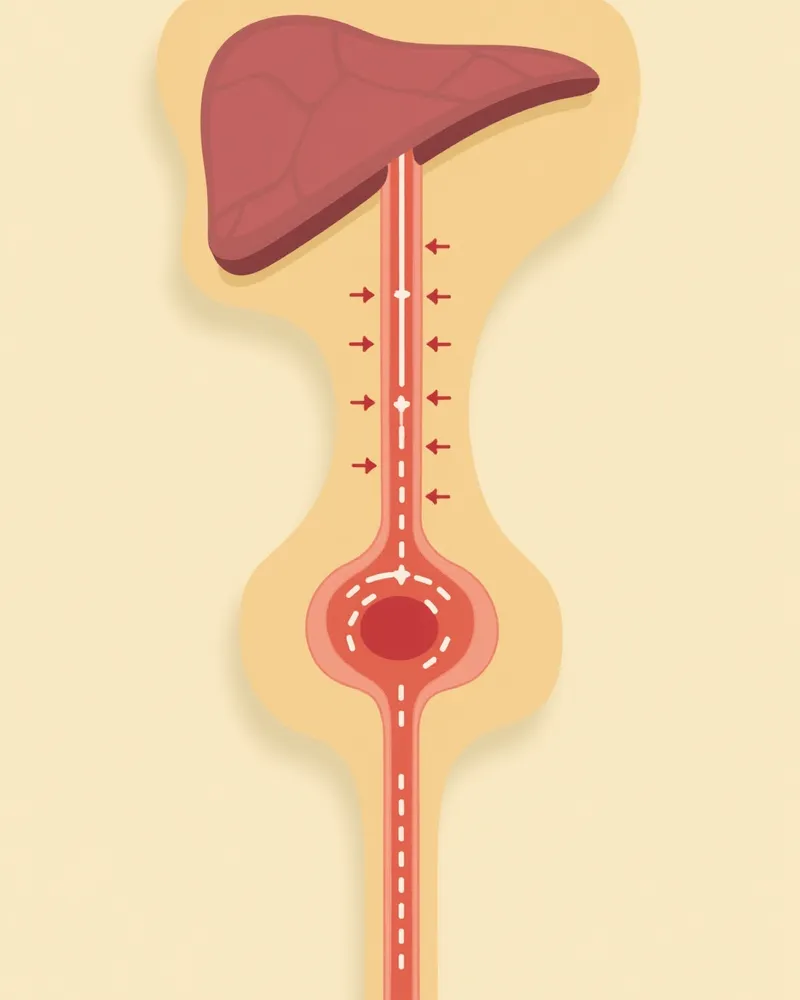
The main causes of portal hypertension in dogs are conditions that impede blood flow within the liver, such as cirrhosis, chronic hepatitis, portal vein thrombosis, and hepatic fibrosis. Cirrhosis is characterized by fibrous bands and regenerative nodules, and these changes increase resistance to blood flow through the liver, raising portal vein pressure. Causes can be divided into intravascular factors, such as thrombi, and extravascular factors, such as hepatic fibrosis. Persistent liver dysfunction increases the risk of complications like ascites and acquired portosystemic shunts. To identify the cause, blood tests and abdominal ultrasound are performed, and if a liver biopsy is needed, a coagulation test must always be done beforehand. Identifying the cause is the first step in treatment.
An anatomical diagram illustrating blood flow obstruction in a puppy’s portal vein

Do Not Miss Key Symptoms and Signs

Portal hypertension in dogs may show no symptoms in its early stages. However, as the condition progresses, the following signs may appear. If you notice any of these symptoms, consult your veterinarian immediately.
Ascites: Fluid accumulates in the abdominal cavity, causing the belly to swell and feel fluid-filled when pressed. Portal hypertension is a common cause of abdominal effusion.
Gastrointestinal bleeding: You may see blood mixed in vomit or notice blood in the stool.
Lethargy: Your dog may remain inactive throughout the day and refuse to eat.
Difficulty breathing: Ascites or, less commonly, pleural effusion can make breathing difficult.
Hepatic encephalopathy: Signs may include confusion, seizures, and decreased consciousness.
A puppy with ascites lying collapsed

Emergency Signs Requiring Immediate Veterinary Visit

If your dog suddenly loses consciousness, has seizures, or experiences repeated severe vomiting or bloody stools, you should take them to the vet immediately. These could be signs of hepatic encephalopathy or internal bleeding.

Multiple Tests Are Required for an Accurate Diagnosis
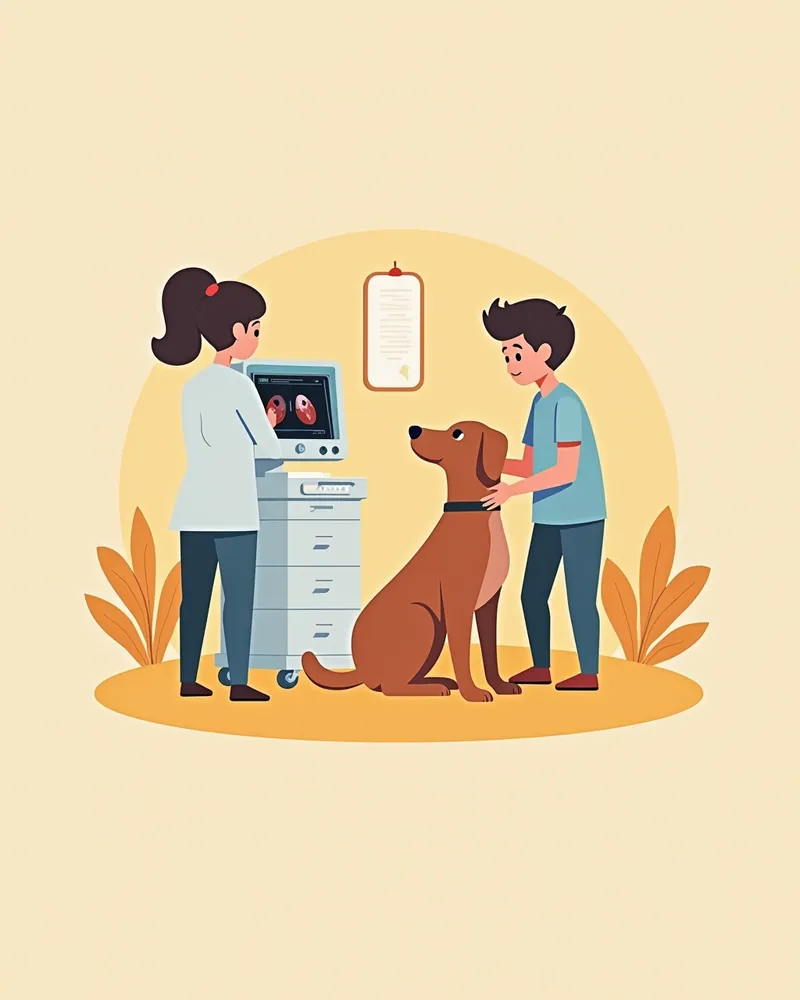
Diagnosing portal hypertension in dogs is challenging, as it cannot be confirmed through routine physical exams or standard blood pressure measurements alone. Diagnosis relies on a comprehensive evaluation of physical examination findings and imaging studies, with the most definitive criterion being the direct or indirect measurement of portal venous pressure. Abdominal ultrasound is used to assess blood flow in the portal vein, as well as the presence of ascites, liver size, and echogenic changes in the liver parenchyma. Blood tests are conducted to check liver enzyme levels, albumin, and coagulation function (PT and PTT). If necessary, abdominal CT or MRI scans are performed to identify the underlying cause, and coagulation testing is mandatory before a liver biopsy. Veterinarians synthesize these various test results to determine the presence and severity of portal hypertension. Early detection is crucial for successful treatment outcomes.
A veterinarian performing an abdominal ultrasound on a puppy.

Treatment Focuses on Addressing the Underlying Cause and Managing Symptoms
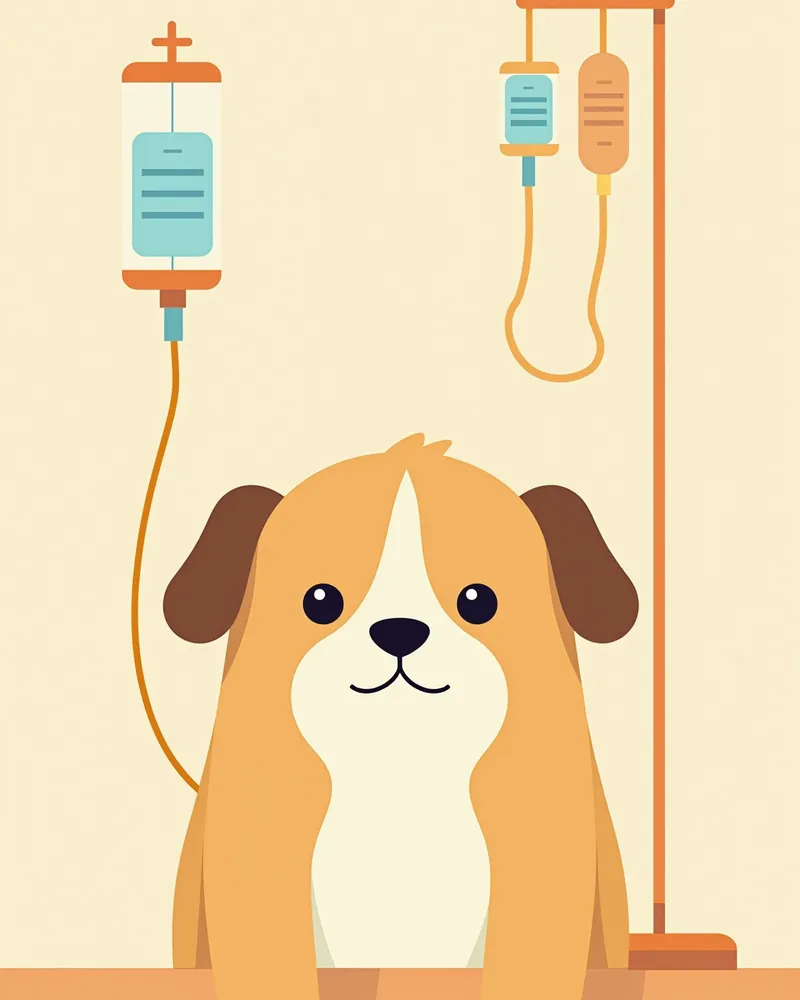
Because treatment options for portal hypertension in dogs are limited, management focuses on addressing the underlying disease and controlling complications. Therapy is tailored to the root cause, such as hepatitis or thrombosis. If ascites is present, fluid is gradually removed using diuretics like spironolactone and low-dose furosemide. During diuresis, daily monitoring of body weight, abdominal circumference, kidney values, and electrolytes is essential. Dietary management involves avoiding high-sodium foods, though excessively low-salt diets may offer little benefit, so adjustments should be made in consultation with your veterinarian. In severe cases, procedures or surgery may be considered. Your veterinarian will develop a treatment plan tailored to your dog’s individual condition.
A veterinarian administering an intravenous injection to a puppy.

Be Sure to Follow Home Care Guidelines

Portal hypertension in dogs requires ongoing management. Please be sure to follow these guidelines:
Dietary Management: Avoid high-sodium foods, but note that excessively low-sodium diets may not provide significant benefit; consult your veterinarian to determine the appropriate diet.
Fluid and Weight Management: Monitor your dog’s weight and abdominal circumference daily to detect any changes in ascites.
Medication Adherence: Administer medications exactly as prescribed by your veterinarian and do not discontinue them without professional guidance.
Regular Check-ups: Monitor your dog’s condition through regular blood tests (liver enzymes, albumin, and coagulation function) and abdominal ultrasounds.
Stress Minimization: Avoid environmental changes and excessive exercise.
A dog's dining table with low-salt food and water ready

Certain Breeds Require Extra Vigilance

Certain breeds have a genetic predisposition to liver disease, so they require extra vigilance. For example, Doberman Pinschers have been reported to be associated with autoimmune chronic hepatitis, and in young dogs, hereditary hepatic fibrosis can lead to portal hypertension. Regular check-ups and proactive health management are essential for dogs with a family history of liver issues or elevated liver enzyme levels.

Reviewed by a veterinarian

Dr. Tony — Punnawat Phongkittirak

Dr. Tony — Punnawat Phongkittirak

Veterinarian

A veterinarian who majored in veterinary medicine at Khon Kaen University, Thailand, and completed the IVSA program at North Carolina State University in the United States. Drawing on clinical experience at animal hospitals, he works in the pet healthcare field and is dedicated to building a digital care environment that connects pet parents with veterinarians.

Frequently Asked Questions

Can portal hypertension in dogs be cured?
If the underlying cause is removed and proper care is provided, symptoms may improve or stabilize. However, because treatment options with medications are limited and the condition is often chronic, ongoing management is necessary.
What should I do if my pet develops ascites?
A veterinarian may perform thoracentesis to drain the fluid, or prescribe diuretics such as spironolactone along with low-dose furosemide. Treatment of the underlying cause must be provided concurrently.
How should I adjust my pet’s diet?
It’s best to avoid high-sodium diets, but overly restrictive low-sodium diets may not offer significant benefits. If hepatic encephalopathy is present, protein intake may need to be adjusted, so consult your veterinarian to determine the appropriate diet.
What should I do if my pet develops hepatic encephalopathy?
The veterinarian will administer medications to lower blood ammonia levels and provide supportive care to help restore brain function. Prompt intervention is crucial.
How often should regular check-ups be performed?
There is no fixed standard schedule, as it varies depending on the type and severity of the condition. Your veterinarian will determine the appropriate schedule for blood tests and ultrasound monitoring based on your pet’s condition, so it’s best to follow their recommendations.

Share

Related Guides

References

[1] Clinical Medicine of the Dog and Cat, 4th Ed, 2020

[2] Notes on Canine Internal Medicine, 4th Ed, 2019

[3] Textbook of Cardiovascular Medicine in Dogs and Cats, 2021

This information is based on veterinary literature and does not replace diagnosis or treatment. Please consult a veterinarian for specific health concerns.

Metapet Co., Ltd. | CEO: Park Sung-yong | Business Reg. No. 417-88-02562 | Seoul, South Korea | Customer Center

Bloated Belly in Dogs: Portal Hypertension Signs & Vet Timing | Meongsiljang