Like
Share
멍실장
고양이 종양 영양 지원 증상과 원인, 진단·치료와 관리 포인트 총정리

Worried About Your Cat’s Cancer-Related Loss of Appetite? Key Dietary Management for Tumor Nutritional Support

Oncology/CancerDiseasesMeongsiljang Veterinary Advisory Board

Nutritional support for cats with tumors is a key management strategy to help maintain body weight and boost immunity in feline cancer patients. Proper nutrition enhances treatment efficacy and improves quality of life.

Nutritional Support for Cats with Tumors Is a Key Element of Cancer Treatment
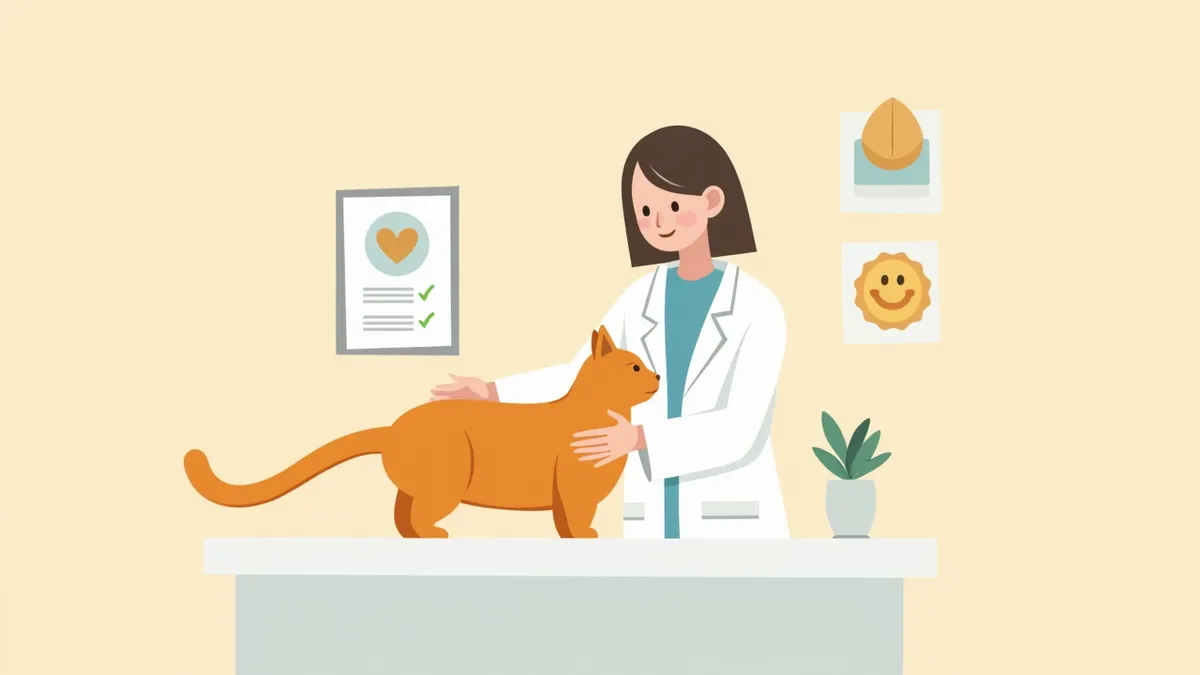
A veterinarian examining a cat while discussing a nutrition plan
Nutritional support for cats with tumors is a crucial element to consider during cancer treatment, as it helps maintain body weight and manage nutritional status. - Preventing Weight Loss: Cancer cachexia causes the body to consume both muscle (lean mass) and fat, leading to weight loss. This is distinct from simple malnutrition. Resting energy expenditure varies among individuals, increasing, staying stable, or decreasing, so providing adequate nutrition is essential to preserve body weight and muscle mass. - High-Protein Diet: Cats naturally have high protein requirements (approximately 6 grams per 100 kcal of food), making protein intake particularly important for cell regeneration and maintaining body tissues. - Energy Supply: Cats with cancer often have reduced efficiency in utilizing carbohydrates and can prioritize fat metabolism, so supplementing energy through fat intake is beneficial. - Monitoring Nutritional Status: Regularly measure body weight and body condition, and record food intake to quickly identify changes. Work with your veterinarian to make necessary adjustments. This systematic approach to nutritional management helps improve both the treatment process and your cat’s quality of life.

What Are the Main Causes of Cancer-Related Nutritional Problems?

Providing nutritional support for cats with tumors is essential because cancer significantly impacts the body’s metabolism and nutritional status. Although the exact mechanisms behind cancer cachexia remain incompletely understood due to their multifactorial nature, the condition ultimately leads to the simultaneous loss of lean body mass (muscle) and fat, resulting in weight loss. This process is distinct from simple malnutrition. Additionally, resting energy expenditure in cats with cancer varies individually, showing increases, stability, or decreases, and is often accompanied by a reduced appetite. Since cachexia and muscle wasting are associated with higher treatment failure rates, nutritional supplementation is not merely about feeding; it is a strategic intervention that influences survival and treatment outcomes.
A cat's face showing weight loss and a gaunt appearance

Key Symptom Checklist for Nutritional Support in Cats with Tumors

To assess the nutritional status of a cat with cancer, carefully monitor the following signs.
Weight and body condition changes: Weight loss and changes in body condition are important indicators of prognosis in cats with cancer, so even small changes should be consistently measured and recorded.
Decreased appetite: The cat may eat very little or nothing at all, or significantly reduce the amount of food consumed.
Muscle weakness: Loss of lean muscle mass can cause hind leg weakness, making it difficult for the cat to stand steadily or jump.
Deteriorating coat condition: The fur may become coarse, thin, or fall out, and the skin may become dry.
Increased fatigue: Lethargy, such as sleeping throughout the day or showing no interest in play, is also commonly observed.
If any of these symptoms appear, consult your veterinarian immediately.
A collection of icons visually representing symptoms of nutritional deficiency in cats.

Emergency Signs Requiring Immediate Veterinary Visit

If your cat hasn’t eaten for more than 24 hours, or if vomiting or diarrhea persists, seek veterinary care immediately. These symptoms can lead to rapid deterioration of nutritional status, dehydration, and electrolyte imbalances. In cats undergoing cancer treatment, such conditions can be life-threatening.

What Are the Diagnostic Methods for Tumor Nutritional Support?

Before initiating nutritional support for a cat with a tumor, a comprehensive assessment is essential. - Weight and muscle mass measurement: Evaluating weight and body composition (body condition) through a physical examination provides the most critical information for determining nutritional status. - Medical history review: We review the patient’s history, including eating habits, appetite, and weight changes, to identify potential nutritional risk factors. - Utilization of blood tests: While blood tests measuring albumin, electrolytes, and other markers serve as supplementary data, they are not sensitive indicators of nutritional status. Therefore, results should be interpreted in conjunction with physical examination findings and medical history. - Utilization of imaging studies: CT scans or ultrasound are used to assess the condition of internal organs and determine the size and location of the tumor. - Application of a nutritional assessment framework: Based on the nutritional assessment guidelines proposed by WSAVA and AAHA (considering nutrition as the fifth vital sign), we evaluate animal, dietary, and environmental factors to determine risk levels. The veterinarian then develops a customized nutritional plan. This process is key to maximizing the effectiveness of nutritional support.
A veterinarian evaluating a cat’s weight and overall health status

Stage-Specific Approaches to Nutritional Support for Cats with Tumors
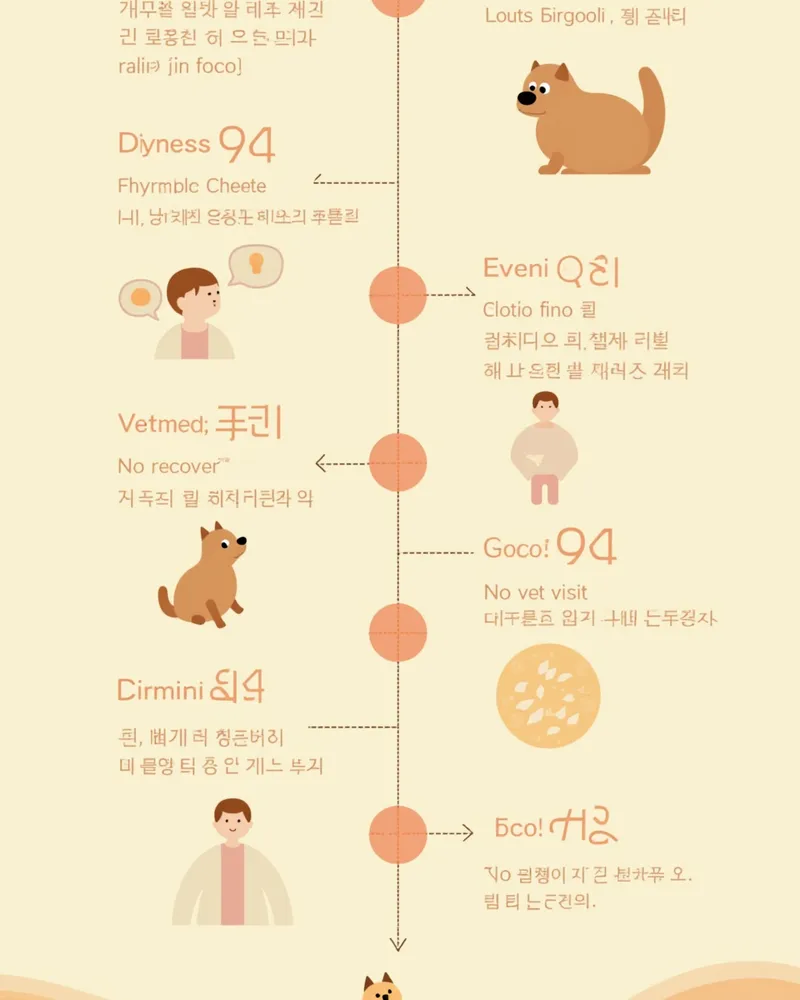
Nutritional support for cats with tumors should be approached strategically, depending on the stage of treatment. - Early stage: In the initial phase after tumor detection, a high-protein, high-fat diet helps prevent weight loss and minimizes muscle wasting. - During treatment: While undergoing chemotherapy or radiation therapy, supplementary nutrients such as omega-3 fatty acids and vitamin E are added to boost the immune system. - Post-treatment recovery: After treatment ends, a low-irritant diet is provided to aid recovery, and portion sizes are adjusted for long-term weight management. - Ongoing management: Regular weight monitoring and nutritional assessments are conducted in collaboration with your veterinarian. - Individualized adjustments: The nutrition plan is flexibly adjusted based on your cat’s response. This staged approach improves treatment success rates and enhances quality of life.
A timeline visualizing the step-by-step approach to nutritional support for feline tumors

Home Nutritional Management and Care Points

Nutritional support for cats with tumors is most effective when consistently managed at home. - Regular meal times: Offer meals at set times, two to three times a day. - Choose high-quality food with strong aromas: Use products with rich meaty scents to stimulate appetite. - Use supplements: When needed, supplement with veterinarian-recommended liquid nutrients or nutritional boosters. - Create a stress-relieving environment: Help your cat feel emotionally stable by providing a quiet space, along with playtime and affection. - Monitor weight records: Weigh your cat at the same time each week and keep track of any changes. - Seek immediate veterinary advice: If you notice signs such as weight loss, decreased appetite, or vomiting, consult your veterinarian right away. Consistent daily care plays a crucial role in treatment outcomes.
A cat enjoying meals and playtime in a calm, stable environment

Breed-Specific Considerations for Nutritional Support in Cats with Tumors

Cancer risk and nutritional responses can vary depending on breed and individual differences. However, research on the specific nutritional needs of cats with cancer is still limited, so it’s more important to closely monitor each cat’s weight, body condition, and appetite changes rather than making assumptions based on breed. Therefore, it’s essential to consider both breed characteristics and the individual cat’s condition, and work with your veterinarian to develop a personalized nutrition plan.

Reviewed by a veterinarian

Dr. Tony — Punnawat Phongkittirak

Dr. Tony — Punnawat Phongkittirak

Veterinarian

A veterinarian who majored in veterinary medicine at Khon Kaen University, Thailand, and completed the IVSA program at North Carolina State University in the United States. Drawing on clinical experience at animal hospitals, he works in the pet healthcare field and is dedicated to building a digital care environment that connects pet parents with veterinarians.

Frequently Asked Questions

When should nutritional support for a cat with a tumor begin?
It is best to start as soon as possible after a cancer diagnosis. Nutrition plays a central role in tumor management, and early nutritional care can greatly support the treatment process and recovery.
Can I administer the nutritional supplement at home?
Use only supplements recommended by your veterinarian. Incorrect ingredients or excessive dosages can cause adverse side effects.
Will increasing the amount of food lead to weight gain?
Rather than simply eating large amounts, it’s more important to provide a complete and balanced diet that your pet enjoys and readily eats. The key is ensuring they actually consume enough, not just the quantity offered.
Is your cat’s diet nutritionally complete and balanced?
For cats with cancer, the most important things are that the food is palatable so they actually eat it, and that it provides a complete and balanced diet. Whether commercial or homemade, any nutritionally complete diet is acceptable. Because research on the specific nutritional needs of cats with cancer is still limited, please consult your veterinarian to decide individually whether special diets or supplements are appropriate.
Can nutritional support help with treatment?
Yes, cachexia and muscle loss are associated with treatment failure, so proper nutritional management helps support recovery and quality of life. Nutrition is a key component of comprehensive cancer care.

Share

Related Guides

References

[1] Stiver, S.L., Frazier, K.S., Mauel, M.J. et al. (2003). Septicemic salmonellosis in two cats fed a raw-meat based diet. J. Am. Anim. Hosp. Assoc. 39: 538–542.

[2] Glenna E. Mauldin. (2011). Nutritional Management of Oncologic Diseases. In Applied Veterinary Clinical Nutrition, 2nd Ed. pp. 484–495.

[3] Remillard, R.L., et al. (2010). Glutamine supplementation in cats and dogs with cancer: potential benefits and risks. Vet. Clin. Nutr. 18(2): 112–123.

This information is based on veterinary literature and does not replace diagnosis or treatment. Please consult a veterinarian for specific health concerns.

Metapet Co., Ltd. | CEO: Park Sung-yong | Business Reg. No. 417-88-02562 | Seoul, South Korea | Customer Center

Cat Cancer Appetite Loss? Key Diet Care for Tumor Nutrition | Meongsiljang