Like
Share
멍실장
강아지 턱관절 탈구 증상과 원인, 진단·치료와 관리 포인트 총정리

Dog Temporomandibular Joint Dislocation: Symptoms, Causes, Diagnosis, Treatment, and Care Essentials

Oral HealthDiseasesMeongsiljang Veterinary Advisory Board

A dislocated temporomandibular joint in dogs is a condition where the jaw shifts out of its normal position, making it difficult to open or close the mouth. Prompt diagnosis and appropriate treatment are essential.

What Is Temporomandibular Joint Dislocation in Dogs?
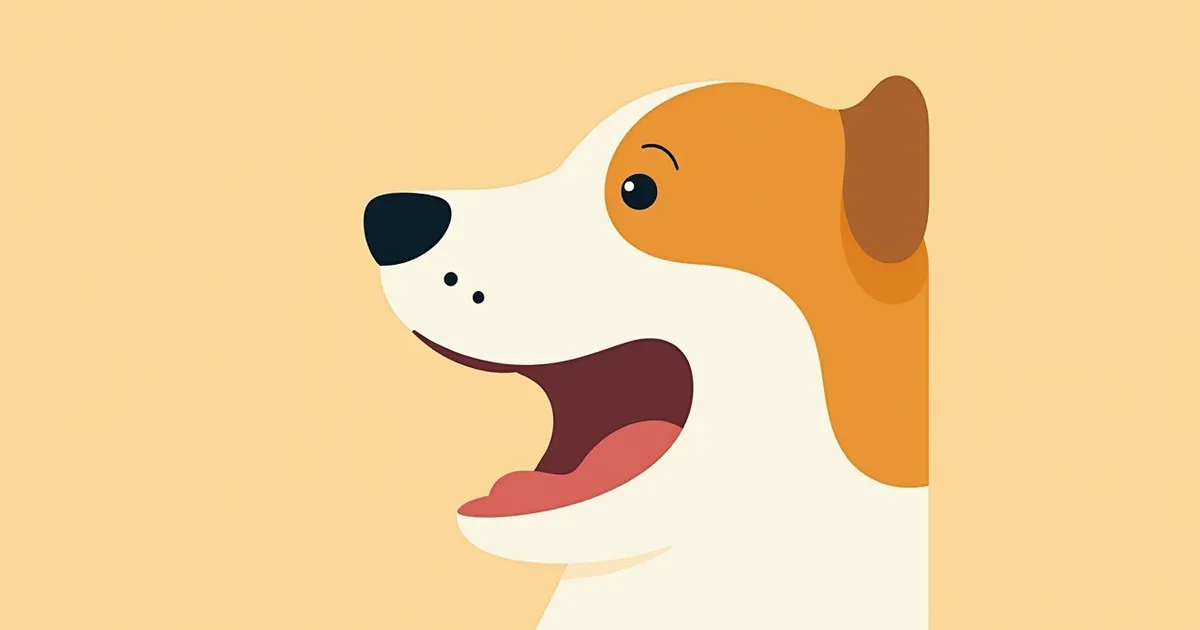
Facial photograph of a puppy with temporomandibular joint dislocation
Mandibular joint luxation in dogs occurs when the joint connecting the lower jawbone (mandibular condyle) and the skull (temporal bone) dislocates from its normal position, causing difficulty opening or closing the mouth. It most commonly results from sudden trauma or excessive force applied to the jaw, with traumatic factors being the primary cause. When the joint dislocates, the upper and lower teeth misalign abnormally, leading to malocclusion characterized by an inability to close the mouth properly or the mouth remaining fixed in an open position. Dogs may also show pain responses when the jaw is touched. Immediate veterinary care is essential, and attempts at self-reduction should never be made. Accurate diagnosis and treatment planning require a veterinarian’s examination, so it is strongly recommended to seek veterinary attention promptly if any abnormalities are observed.

What Are the Main Causes of Temporomandibular Joint Dislocation?
The primary cause of temporomandibular joint (TMJ) dislocation in dogs is trauma. Accidents involving falls from heights or direct impact to the jaw, head, or face are the most common causes. A strong impact can displace the TMJ from its normal position. However, TMJ dislocation itself is relatively rare in dogs. Furthermore, it is not possible to definitively state that jaw length or breed increases the risk of dislocation, and no structural or genetic predispositions have been confirmed by available evidence. Therefore, it is most important to focus on everyday safety management to minimize the possibility of trauma.
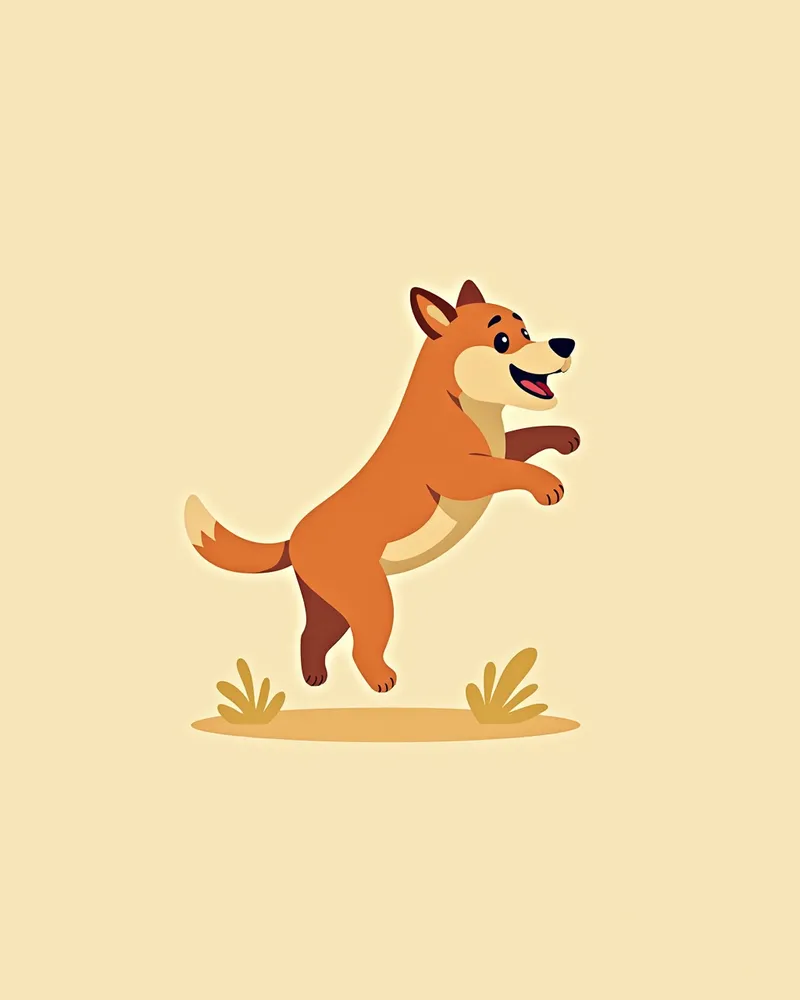
A situation where a puppy jumps down and hits its chin.

Check for Key Symptoms and Signs

The main symptoms of temporomandibular joint dislocation in dogs include an inability to close the mouth properly or the mouth remaining stuck open. When the joint is dislocated, malocclusion occurs, causing the upper and lower teeth to align abnormally, and the lower jaw may appear shifted to one side. Dogs may struggle to bite, chew, or swallow food properly during meals, and they might show signs of pain when the area around their mouth is touched. They may also exhibit discomfort or pain when opening or closing their mouth, drool excessively, or hold food in their mouth without swallowing. These symptoms are caused by pain and impaired jaw function, so it’s important to consult a veterinarian immediately if you notice any of these signs.
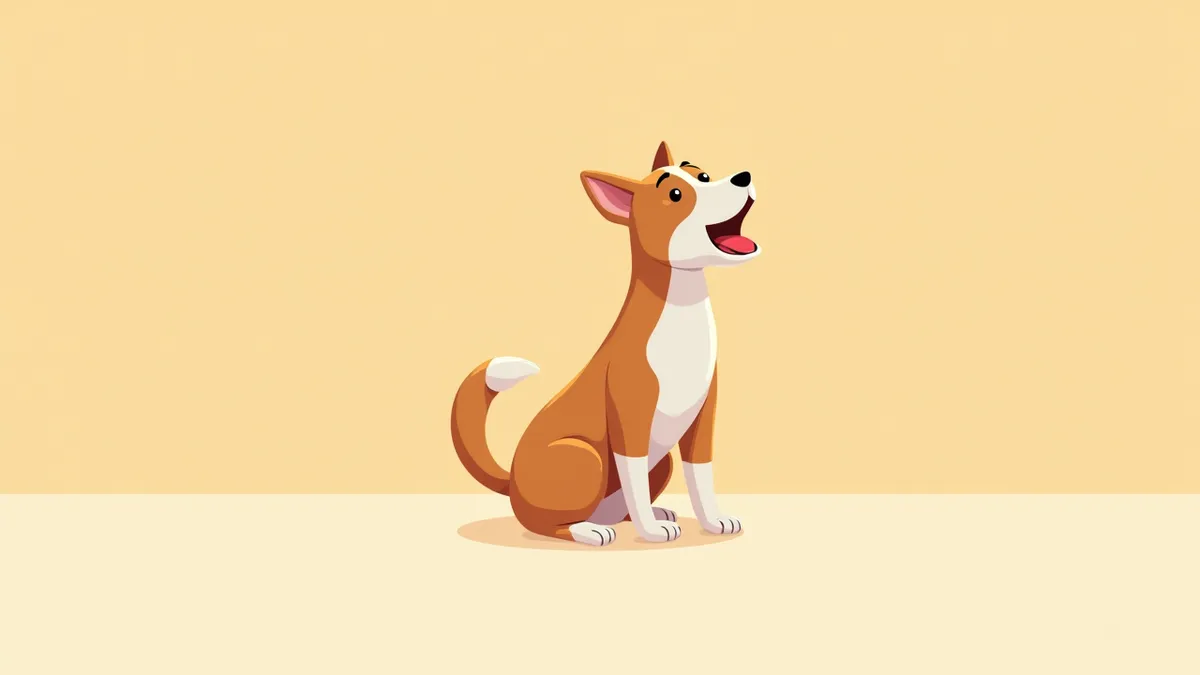
Pain and anxious expression caused by temporomandibular joint dislocation in dogs

Emergency Situations Requiring Immediate Veterinary Visit

If your dog’s jaw remains dislocated, it can cause damage to the bones and surrounding tissues. Since they won’t be able to eat and will experience severe pain, it’s crucial to consult a veterinarian immediately. Never attempt to fix it yourself. Professional veterinary care is necessary for an accurate assessment and proper treatment.

Diagnostic Methods for Accurate Diagnosis
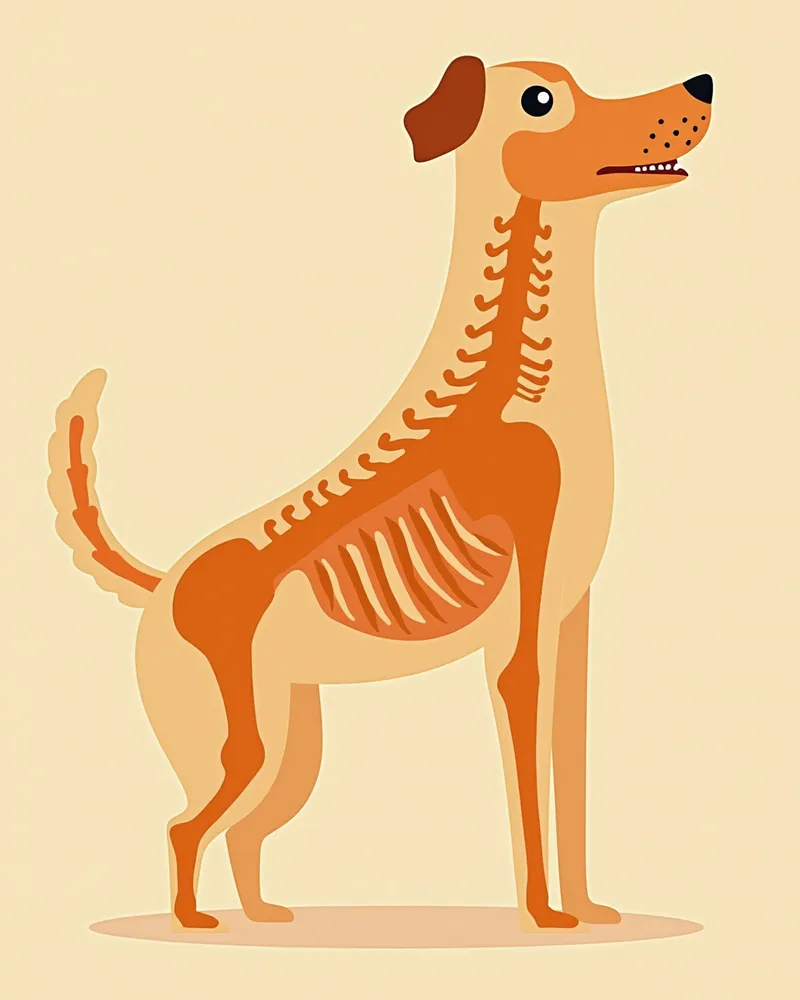
An accurate diagnosis of temporomandibular joint luxation in dogs requires a hands-on veterinary examination and imaging. During the physical exam, the vet assesses jaw movement, pain response, joint alignment, and range of motion, while also checking whether the mouth can close properly and how the upper and lower teeth occlude. Radiographs are valuable for evaluating joint position and detecting any bony abnormalities, with dorsoventral views being particularly helpful. Establishing a precise diagnosis is essential for developing an appropriate treatment plan and determining the best course of action. Starting treatment without a proper diagnosis can lead to errors, so diagnostic testing must always come first.
X-ray imaging for diagnosing temporomandibular joint dislocation in dogs

Treatment Methods: Step-by-Step Management
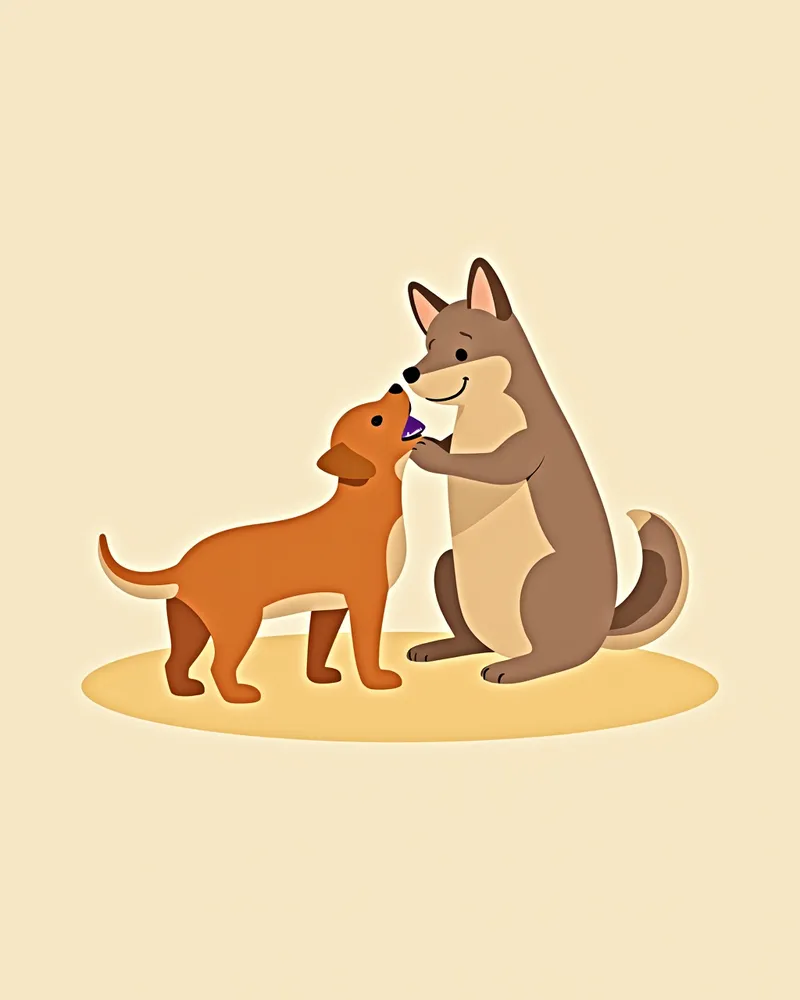
Treatment for a dog’s temporomandibular joint dislocation begins with a veterinarian’s professional reduction (repositioning) procedure. A common non-surgical reduction method involves placing a support between the upper and lower molars (carnassial teeth) and gently closing the mouth to guide the displaced joint back into its normal position. After reduction, it’s important to manage the jaw carefully by feeding soft foods and, if needed, administering pain-relief medication. During the early recovery phase, soft foods such as soaked kibble or broth-based meals are recommended. If fractures are present or if reduction is unsuccessful, surgical treatment may be considered. Even after treatment, behavioral management is essential to avoid straining the jaw, and care should follow the veterinarian’s guidance.
A veterinarian repairing a puppy’s temporomandibular joint

Home Care and Recovery Essentials

Proper care at home after treatment plays a crucial role in the speed of recovery and preventing recurrence. Offer soft food and avoid items that require excessive jaw movement, such as straws or hard treats. Minimize activities that strain the jaw during play, like chewing on bones or jumping. Follow your veterinarian’s advice to review and adjust daily habits as needed. After recovery, regular veterinary check-ups and consultations are recommended, and it’s best to work with your vet to develop a long-term strategy for preventing recurrence.
A puppy enjoying soft food

Recurrence Prevention and Breed-Specific Characteristics

Temporomandibular joint dislocations are most often caused by trauma, and there is no evidence to suggest that long-snouted or specific breeds are more susceptible due to structural or genetic factors. Therefore, it is difficult to conclude that certain breeds have a higher risk of dislocation based solely on breed. Above all, preventing trauma is the most important step, so it is best to avoid situations where your pet might jump from high places or experience strong impacts to the jaw. It is also advisable to work with your veterinarian to develop post-treatment care and prevention strategies.

Reviewed by a veterinarian

Dr. Tony — Punnawat Phongkittirak

Dr. Tony — Punnawat Phongkittirak

Veterinarian

A veterinarian who majored in veterinary medicine at Khon Kaen University, Thailand, and completed the IVSA program at North Carolina State University in the United States. Drawing on clinical experience at animal hospitals, he works in the pet healthcare field and is dedicated to building a digital care environment that connects pet parents with veterinarians.

Frequently Asked Questions

Can a temporomandibular joint dislocation be corrected at home?
Absolutely not. Attempting improper repairs can cause even more serious damage. It is essential to have your pet examined by a veterinarian.
Can the dislocation occur again?
While it’s difficult to definitively assess the risk of recurrence based on the information provided, caution is advised because another injury could lead to a dislocation. It’s important to follow the management plan recommended by your veterinarian.
How long does the recovery period last after treatment?
The recovery period varies depending on the individual condition and treatment method, and jaw use should be managed according to your veterinarian's instructions. Generally, ongoing care is required for a certain period of time.
What should I do if my pet’s mouth remains open for more than an hour?
You should go to the vet right away. Delaying treatment could lead to more serious damage, so prompt veterinary care is essential.
Besides soft food, what other feeding methods are recommended?
Soak the food in water to soften it, or serve it in a soup-like form with plenty of broth. Avoid hard kibble at all costs.

Share

Related Guides

References

[1] Evans, H.E. (1993). The respiratory system. In Miller’s Anatomy of the Dog, 3rd edition, pp. 463–493.

[2] Withrow, S.J. & Holmberg, D. (1983). Mandibular surgery in dogs: A review of 45 cases. Veterinary Surgery.

[3] Salisbury, J.L. & Lantz, G. (1988). Postoperative complications following mandibulectomy in dogs. Journal of the American Veterinary Medical Association.

This information is based on veterinary literature and does not replace diagnosis or treatment. Please consult a veterinarian for specific health concerns.

Metapet Co., Ltd. | CEO: Park Sung-yong | Business Reg. No. 417-88-02562 | Seoul, South Korea | Customer Center

Dog Temporomandibular Joint Dislocation: Treatment Guide | Meongsiljang