
Like
Share
멍실장
강아지 브루셀라 (인수공통)

Canine Brucellosis (Zoonotic Disease)

ImmunityDiseasesMeongsiljang Veterinary Advisory Board

Canine brucellosis is a zoonotic bacterial infection transmitted through breeding and bodily fluids. We’ve summarized key information based on veterinary internal medicine standards, including symptoms such as miscarriage, infertility, and arthritis, as well as measures to prevent transmission to pet owners.

What is Canine Brucellosis?
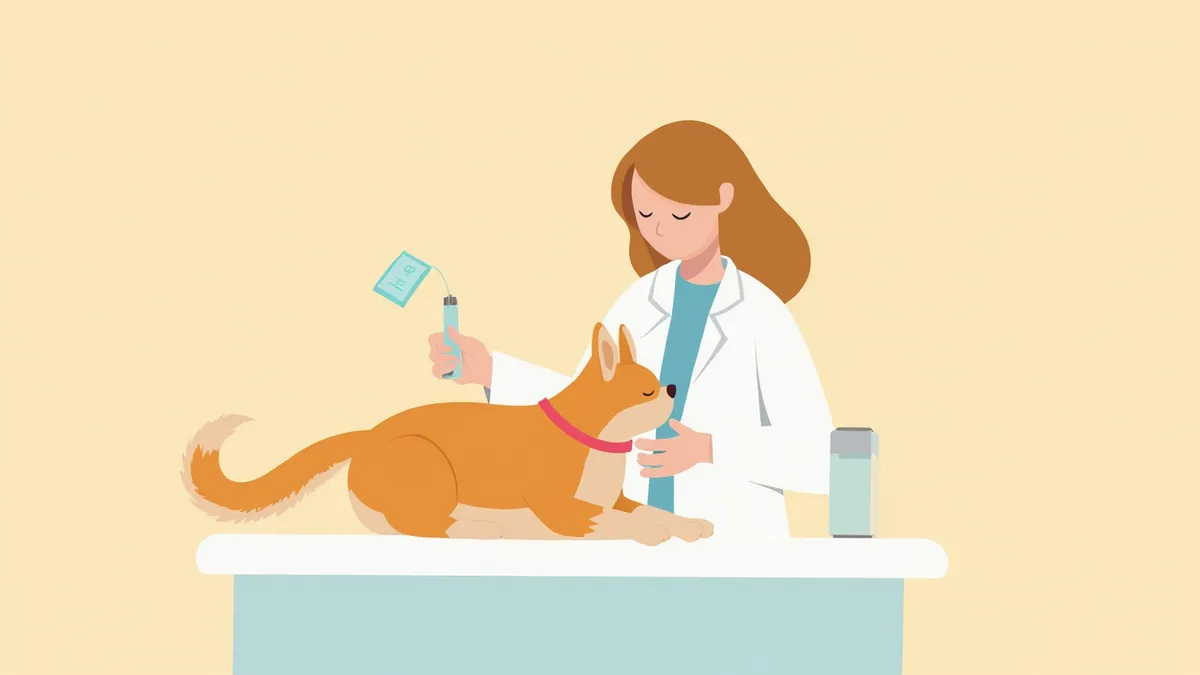
A veterinarian performing a blood test on a puppy
Canine brucellosis is a zoonotic infectious disease caused by the bacterium Brucella canis, leading to reproductive dysfunction and abortion. Early diagnosis and isolation are key. For dogs with breeding experience or those used for breeding, it is essential to conduct serological testing before mating or pregnancy to check for infection. If diagnosed, breeding must be halted and long-term antibiotic treatment initiated. Since owners can also become infected, proper hygiene during contact is necessary.

How is it Transmitted? (Causes and Routes of Infection)

Brucella canis is primarily transmitted through the bodily fluids of infected dogs. The most common route is genital contact, such as during breeding, but the bacteria can also spread via aborted fetuses, placentas, uterine discharges, semen, urine, and blood. According to veterinary textbooks, the bacteria enter the body through mucous membranes—such as those in the mouth, nose, genitals, and eyes—and then spread systemically via regional lymph nodes. Consequently, dogs can become infected by licking contaminated fluids or if such fluids come into contact with their mucous membranes (eyes, mouth, or nose). Transmission can also occur through routine social interactions or grooming. The risk of spread is particularly high in environments with frequent contact, such as breeding facilities or shared housing areas.

Key Symptoms Checklist

Brucellosis symptoms can be subtle and easy to miss. If you notice any of the following signs, consider the possibility of brucellosis.
Abortion in females: Sudden abortion in late pregnancy is a hallmark symptom, which can also lead to stillbirth or infertility.
Reproductive abnormalities in males: Orchitis, epididymitis, and scrotal dermatitis may occur, along with immature or damaged sperm, resulting in poor semen quality.
Lymph node enlargement: The bacteria can spread to regional lymph nodes, such as those behind the pharynx or in the inguinal area, causing swelling.
Spinal pain (discospondylitis): Inflammation occurs in the spine (e.g., L7–S1, cervical, or thoracolumbar regions) rather than the joints, leading to limping, spinal pain, and sometimes neurological symptoms.
Fever: Low-grade or high fever may appear with prostatitis or Brucella infection.
Eye inflammation: Uveitis can cause redness and light sensitivity in the eyes.
A pet owner gently stroking their tired-looking dog.

When to See a Veterinarian Immediately

If your pregnant dog has suddenly miscarried or continues to have discharge or bleeding after mating, please see a veterinarian within 24 hours. Miscarried fetuses and placentas can harbor large amounts of bacteria, which may spread to other dogs and to you. Never handle them with bare hands; instead, wear disposable gloves, seal the materials in a bag, and bring them to the clinic. If sudden lameness, spinal pain, or redness of the eyes are also present, a systemic infection may have developed.

How is it Diagnosed?

Brucellosis is difficult to diagnose based on symptoms alone, so serological testing is the standard approach. A serum agglutination test is commonly used for initial screening, and if the result is positive, PCR or bacterial culture is performed to confirm the diagnosis. However, since results can vary depending on the testing method, it’s best to discuss both the laboratory and the results with your veterinarian. According to veterinary internal medicine textbooks, it takes 2 to 4 weeks for antibodies to develop, so false-negative results may occur in the early stages of infection. Additionally, prior use of antibiotics can also lead to negative results. Therefore, it’s safer to repeat the test at regular intervals. While PCR can detect bacterial DNA in blood, body fluids, or placental tissue, keep in mind that it cannot distinguish between live and dead bacteria.

Treatment and Prognosis

Brucella bacteria hide inside cells, making complete eradication difficult. Treatment typically involves a combination of long-term antibiotic therapy, prescribed by your veterinarian, and neutering. The specific antibiotics and duration are determined by your vet based on the severity of the infection, and consistent administration over a long period is essential. Neutering is a crucial step to reduce transmission through reproductive organs and minimize zoonotic risks. However, according to veterinary textbooks, even neutered dogs can continue to carry Brucella bacteria, so neutering alone does not guarantee complete elimination of the infection. Therefore, regular serological testing is necessary after treatment to monitor for recurrence, and it is important to keep in mind that positive test results may persist for nearly three years.
A veterinarian explaining the treatment plan to the pet owner

Home Care and Zoonotic Precautions

Brucellosis is a zoonotic disease that can also infect humans. Veterinary textbooks emphasize that people in contact with infected dogs must strictly follow hygiene protocols when handling urine and feces. Owners should always wear disposable gloves when cleaning up an infected dog’s urine or secretions, and thoroughly wash their hands with soap afterward. Wearing a mask is also recommended whenever possible. Pregnant women, children, and family members with weakened immune systems should avoid close contact with infected dogs. Areas where the infected dog rests and eliminates should be thoroughly cleaned with an appropriate disinfectant, and bedding and food bowls should be kept separate and managed individually.

Precautions for Breeding Dogs and Multi-Dog Households

If you’re breeding dogs or raising multiple dogs together, it’s essential to perform brucellosis serological testing on both dogs before any mating. Dogs that test positive should be isolated and we recommend spaying or neutering them. Other dogs that have shared the same space should also be tested. When adopting stray, rescued, or internationally imported dogs, including brucellosis testing in their initial health checkup is a safe precaution. Brucellosis is primarily transmitted through breeding or mucous membrane contact, so the risk of infection from casual encounters during regular walks is low.

Reviewed by a veterinarian

Dr. Tony — Punnawat Phongkittirak

Dr. Tony — Punnawat Phongkittirak

Veterinarian

A veterinarian who majored in veterinary medicine at Khon Kaen University, Thailand, and completed the IVSA program at North Carolina State University in the United States. Drawing on clinical experience at animal hospitals, he works in the pet healthcare field and is dedicated to building a digital care environment that connects pet parents with veterinarians.

Frequently Asked Questions

Does a dog infected with Brucella need to be euthanized?
Not necessarily. While euthanasia was once recommended, it is now more common to maintain a dog’s quality of life through neutering, long-term antibiotic therapy, and isolation management. Veterinary textbooks also state that euthanasia should only be considered when these management options—neutering, antibiotics, and follow-up examinations—are difficult to implement. However, breeding must be strictly prohibited.
Is this a curable disease?
It’s difficult to completely eradicate the bacteria. Treatment can help control symptoms and reduce bacterial levels, but since the bacteria can lie dormant within cells and cause relapses, and because test results may remain positive for up to three years after infection, lifelong follow-up testing is necessary.
Is there a preventive vaccine?
The most reliable prevention currently involves pre-breeding serological testing, isolating infected dogs, and maintaining strict hygiene. For breeding dogs, regular health screenings are essential. It’s best to consult with your veterinarian for specific testing and management protocols.
What symptoms do humans experience?
Although people can also become infected and sometimes experience no symptoms, they may develop nonspecific signs such as fever. If you feel unwell after coming into contact with an infected dog, be sure to inform your healthcare provider and request a brucellosis test.
Can cats get brucellosis?
Brucella canis primarily causes infections in dogs. While information specific to cats is limited, making definitive conclusions difficult, maintaining the same level of hygiene is essential if your cat shares living space with an infected dog.

Share

Related Guides

References

[1] Greene CE, Infectious Diseases of the Dog and Cat, 4th Edition, Chapter: Brucellosis

[2] Ettinger SJ, Textbook of Veterinary Internal Medicine, 8th Edition, Chapter: Canine Brucellosis

[3] Hollett RB, Canine brucellosis: outbreaks and compliance, Theriogenology, 2006

This information is based on veterinary literature and does not replace diagnosis or treatment. Please consult a veterinarian for specific health concerns.

Metapet Co., Ltd. | CEO: Park Sung-yong | Business Reg. No. 417-88-02562 | Seoul, South Korea | Customer Center

Canine Brucellosis: Symptoms, Transmission & Treatment (Zoonotic) | Meongsiljang