Like
Share
멍실장
고양이 담관 폐색 증상과 원인, 진단·치료와 관리 포인트 총정리

If Your Cat Turns Yellow — Symptoms, Causes, and Treatment Timing for Biliary Obstruction

Liver HealthDiseasesMeongsiljang Veterinary Advisory Board

Feline biliary obstruction is a condition in which bile flow is blocked, leading to liver dysfunction. Common symptoms include vomiting, jaundice, and loss of appetite. Early diagnosis and appropriate treatment are essential.

Feline biliary obstruction is a liver disease caused by blocked bile excretion
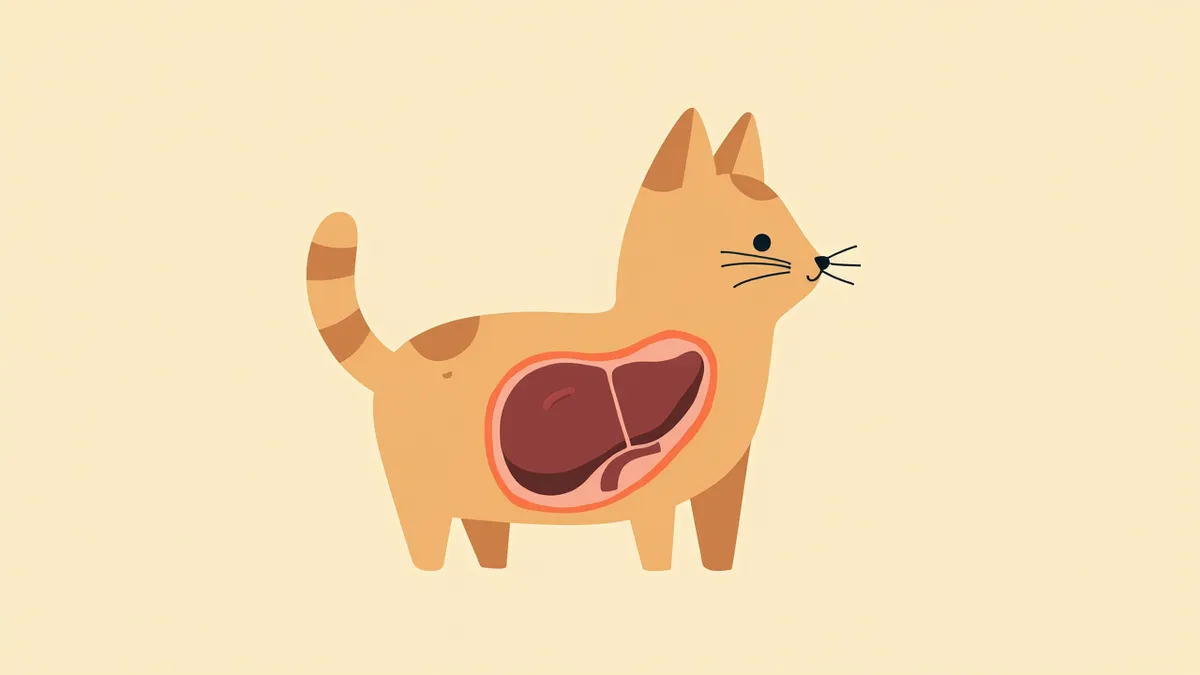
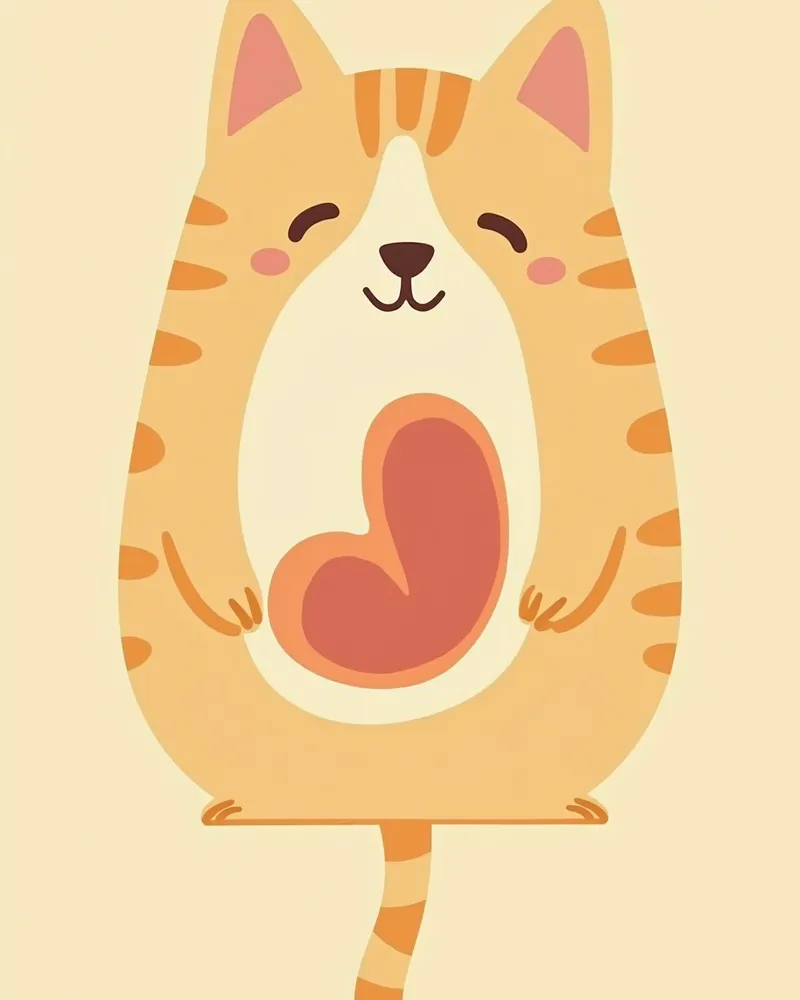
Diagram of the feline liver and biliary system
Feline biliary obstruction is a condition that occurs when the pathway for bile, produced in the liver, to move to the gallbladder and duodenum is blocked. When bile cannot be properly excreted and stagnates in the liver (biliary stasis), blood bilirubin levels rise, leading to jaundice, accompanied by symptoms such as vomiting, decreased appetite, lethargy, and abdominal pain. - Complex inflammatory disease: Feline biliary obstruction is most commonly caused by overlapping inflammatory conditions such as pancreatitis, cholangitis, cholecystitis, and hepatic lipidosis, rather than a single cause. - Biliary stones (choledocholithiasis): While biliary stones can directly block the bile ducts and cause obstruction, they are often accompanied by inflammation. - Biliary tract tumors: Tumors in the biliary tract, pancreas, or duodenum can also cause obstruction, making accurate diagnosis and appropriate treatment essential. Early detection and treatment are crucial for protecting liver function.

Main causes include bile duct stones, tumors, and inflammation
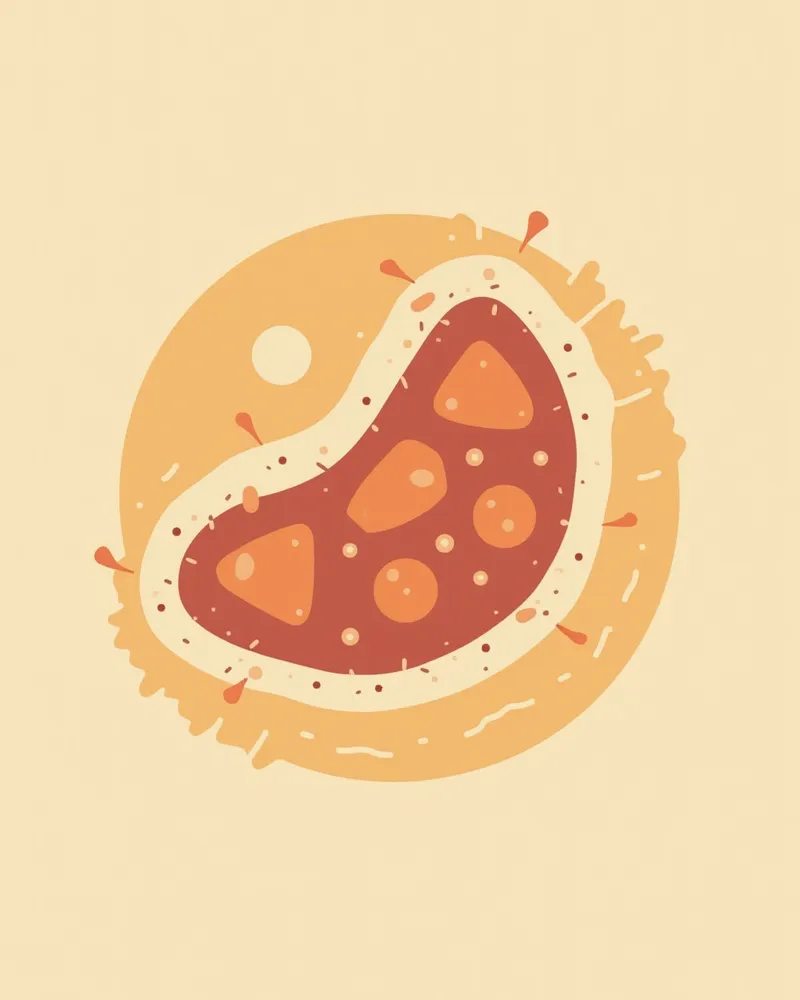
Feline biliary obstruction most commonly results from a combination of inflammatory conditions, such as pancreatitis, cholangitis, cholecystitis, and hepatic lipidosis. - Complex inflammatory diseases: When pancreatitis, cholangitis, and cholecystitis occur together, they can cause the bile ducts to narrow or become blocked, hindering bile flow. - Biliary stones (choledocholithiasis): Stones can directly obstruct the bile ducts, leading to blockage, and are often accompanied by inflammation. - Biliary tract tumors: Tumors in the biliary tract, pancreas, or duodenum can compress or invade the bile ducts, making it essential to accurately determine whether they are benign or malignant. - Parasitic (liver fluke) infection: Severe infections with parasites like liver flukes can block the bile ducts, potentially leading to obstruction and liver failure. Early detection and treatment are crucial for addressing these causes.
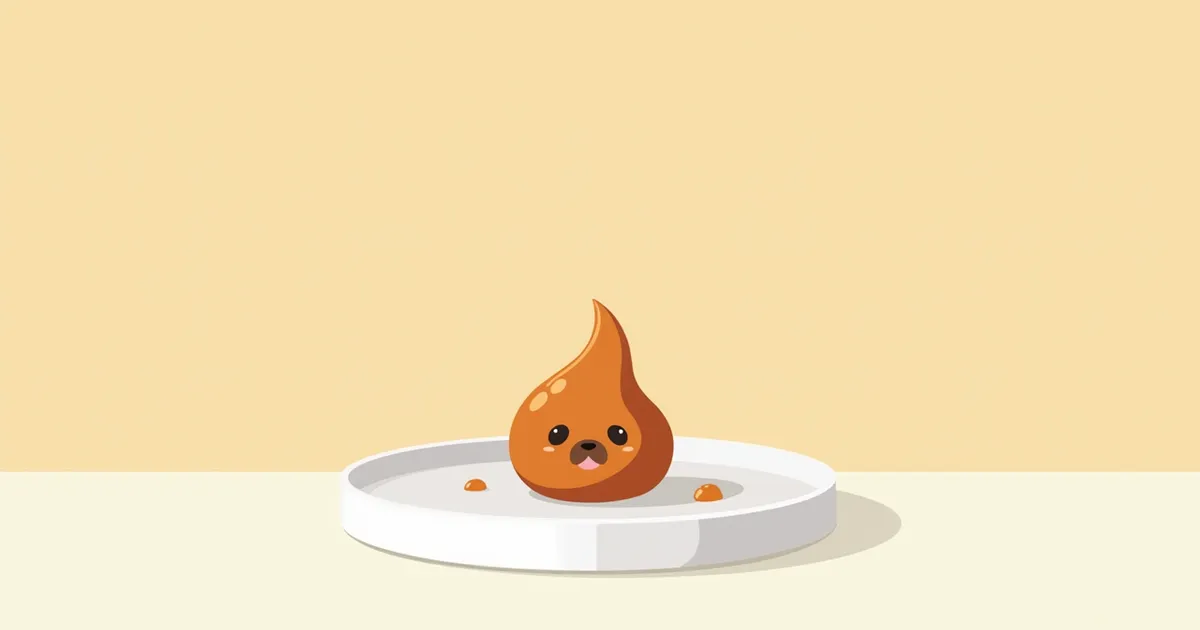
Microscopic image of feline biliary stone tissue

Check for key symptom signals

Feline biliary obstruction often begins with nonspecific signs such as vomiting, loss of appetite, lethargy, and abdominal pain, gradually progressing to jaundice. - Jaundice: Caused by bilirubin accumulation due to bile stasis, jaundice becomes visible in the eyes and gums only when blood bilirubin levels rise to more than two to three times the normal range. - Loss of appetite and weight loss: Inadequate bile secretion impairs digestion and reduces appetite, often accompanied by lethargy. - Vomiting and abdominal pain: As the obstruction worsens, abdominal discomfort and pain may develop. - Changes in stool and urine: When bile pigments fail to reach the intestines, stools may appear pale or clay-colored (acholic), which can suggest complete obstruction, though this sign is not always present. If you notice these symptoms, seek veterinary care immediately.
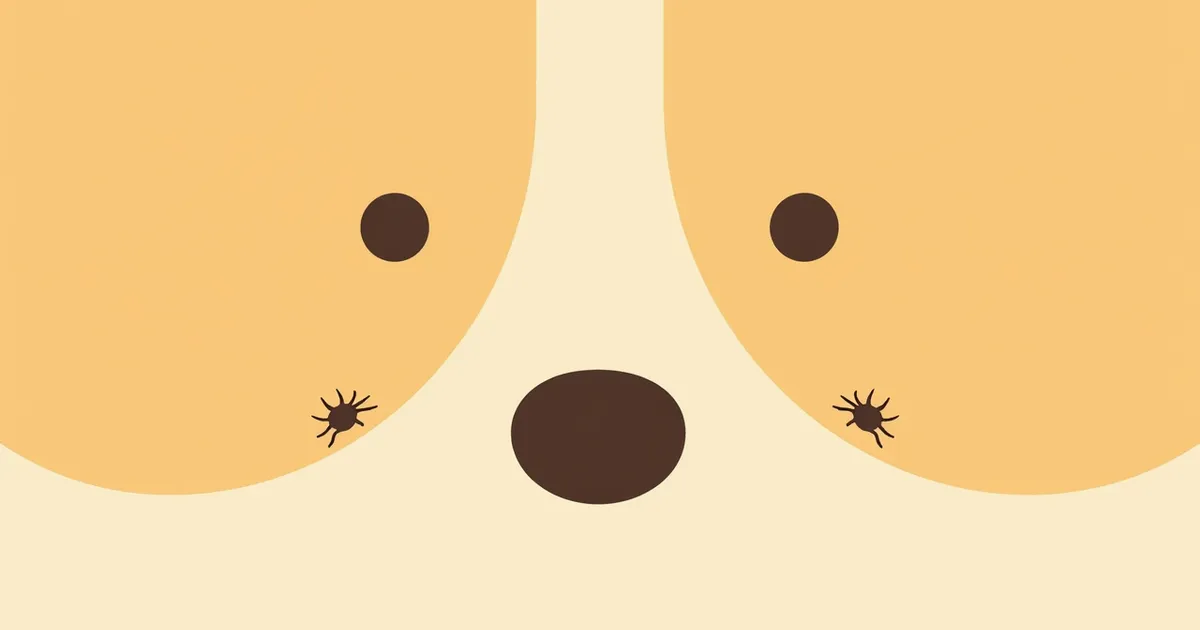
Close-up of a cat’s face showing signs of jaundice

Immediate veterinary visit is required if jaundice appears

Jaundice is a hallmark sign of bile duct obstruction, but it indicates that liver damage has already progressed. If your cat’s eyes or lips turn yellow, or if their urine becomes dark, consult a veterinarian immediately. Delayed treatment can lead to irreversible liver dysfunction, making early diagnosis critical to saving your pet’s life.

Diagnosis is performed through blood tests, ultrasound, and biopsy
Feline biliary obstruction typically shows elevated liver enzymes and bilirubin, along with increased bile acid levels, on blood tests. - Blood tests: This is the first step in assessing liver dysfunction, revealing elevated AST, ALT, ALP, and GGT, as well as hyperbilirubinemia. However, in late-stage cases or certain instances, enzyme levels may be normal or only mildly elevated. - Ultrasound: This allows for visual confirmation of bile duct dilation (common bile duct exceeding 4 mm), stones, or tumors. - Imaging studies such as Endoscopic Retrograde Cholangiopancreatography (ERCP): These help visualize the internal state of the bile ducts and identify the site of obstruction. - Liver biopsy and Fine Needle Aspiration (FNA): Since definitive diagnosis relies on pathological examination of liver tissue, biopsy or gallbladder aspiration provides crucial information for determining the cause and treatment plan. Effective treatment is difficult without an accurate diagnosis, making specialized testing essential.
Image of a dilated bile duct seen on a cat’s ultrasound

Treatment is divided into surgery, medication, and nutritional management depending on the cause
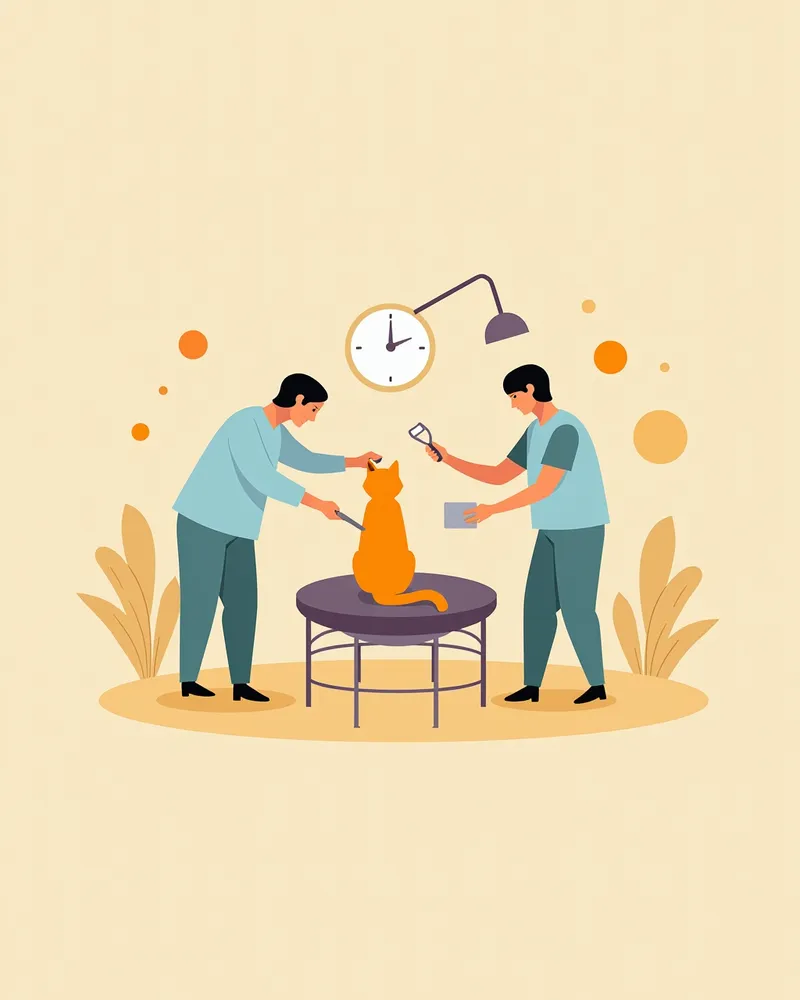
If bile duct stones are the cause, they can be removed through surgery or via endoscopic procedures. - Surgical treatment: Stone removal or bile duct dilation surgery may be required, and recovery can take time. - Medication: Anti-inflammatory drugs, pain relievers, and liver protectants are administered to alleviate symptoms and support liver function. - Nutritional management: Providing a low-fat, high-protein diet is important to reduce stress on the liver and aid recovery. - Cancer treatment: If the tumor is malignant, additional treatment may be necessary after surgery. The treatment plan should be determined by your veterinarian based on the underlying cause and the patient’s condition.
A veterinarian performing biliary tract surgery on a cat

Dietary control and medication administration are key to home care
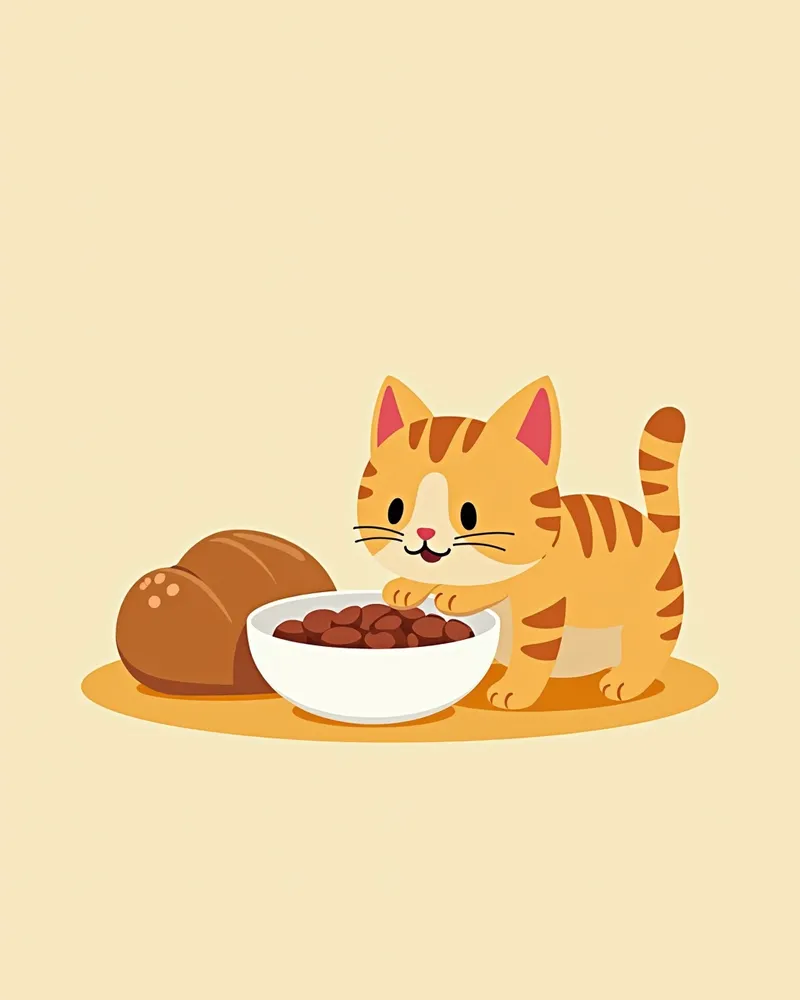
After treatment, consistently provide a low-fat, high-protein diet to reduce the burden on the liver. - Dietary Management: Avoid high-fat foods and choose easily digestible, high-protein options. - Medication Administration: Administer liver protectants, anti-inflammatory drugs, and pain relievers prescribed by your veterinarian at the exact times and dosages specified. - Regular Check-ups: Conduct blood tests every 1 to 3 months to monitor liver function. - Monitoring for Jaundice Recurrence: Regularly check for changes in the color of the eyes or lips, and visit the clinic immediately if any abnormalities are observed. - Lifestyle Care: Minimize stress and maintain regular meal times and adequate water intake.
A cat eating special food for liver health

Special attention is needed for older cats and specific cat breeds

Older cats are at a higher risk of developing inflammatory diseases or tumors that can cause bile duct obstruction. Additionally, cats with polycystic kidney disease may also develop hepatobiliary abnormalities, such as liver cysts, so close monitoring is essential. Regular health check-ups are recommended, and if you notice symptoms like jaundice, vomiting, or decreased appetite, seek veterinary care immediately.

Reviewed by a veterinarian

Dr. Tony — Punnawat Phongkittirak

Dr. Tony — Punnawat Phongkittirak

Veterinarian

A veterinarian who majored in veterinary medicine at Khon Kaen University, Thailand, and completed the IVSA program at North Carolina State University in the United States. Drawing on clinical experience at animal hospitals, he works in the pet healthcare field and is dedicated to building a digital care environment that connects pet parents with veterinarians.

Frequently Asked Questions

Can feline biliary obstruction be cured?
It depends on the underlying cause. If the issue is caused by stones or inflammation, it can often be cured with surgery or medication. If a tumor is the cause, treatment may be more challenging, but we can still help manage and alleviate symptoms.
Does the disappearance of jaundice mean that treatment is over?
No, even if the jaundice subsides, liver function may not have fully recovered. Regular check-ups are necessary to monitor your pet’s condition.
How long should I continue the dietary management?
Generally, you should follow your veterinarian’s instructions and continue the treatment for at least 3 to 6 months. Once liver function stabilizes, the regimen can be gradually adjusted.
Can a cat experience a recurrence of bile duct obstruction after recovering from it?
Yes, especially if stones are the cause, there is a risk of recurrence. Regular check-ups and maintaining a healthy diet are important.
Shouldn't I give medication without consulting a veterinarian?
Yes, administering liver protectants or pain relievers without a veterinarian’s prescription can place significant strain on the liver. Never give your pet any medication on your own.

Share

Related Guides

References

[1] Ettinger SJ, Feldman EC, Côté E. Textbook of veterinary internal medicine: diseases of the dog and the cat. 8th ed. St. Louis, MO: Elsevier; 2017.

[2] Thrall DE. Textbook of veterinary diagnostic radiology. 7th ed. St. Louis, MO: Elsevier; 2018.

[3] Maggs DJ. Biliary tract disease in cats. In: Maggs DJ, Miller PE, Ofri R, editors. Veterinary medicine: a textbook of small animal practice. 4th ed. St. Louis, MO: Elsevier; 2020.

This information is based on veterinary literature and does not replace diagnosis or treatment. Please consult a veterinarian for specific health concerns.

Metapet Co., Ltd. | CEO: Park Sung-yong | Business Reg. No. 417-88-02562 | Seoul, South Korea | Customer Center

When Your Cat Turns Yellow: Biliary Obstruction Signs & Care | Meongsiljang