Like
Share
멍실장
강아지 예방접종 후 부작용 모니터링 증상과 원인, 진단·치료와 관리 포인트 총정리

Complete Guide to Monitoring Puppy Vaccination Side Effects: Symptoms, Causes, Diagnosis, Treatment, and Care

Lifestyle & Age CareDiseasesMeongsiljang Veterinary Advisory Board

While side effects after puppy vaccinations are common, serious reactions can also occur. It’s important for pet owners to closely monitor their pets and respond appropriately.

Puppy vaccination side effects are a temporary part of the immune response.
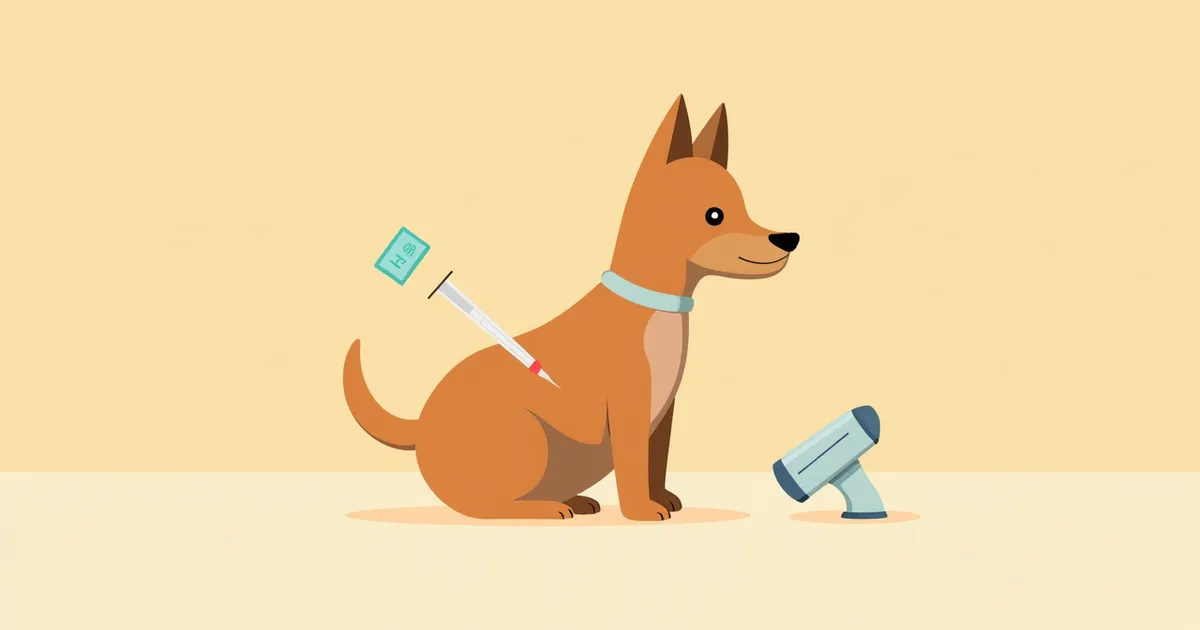
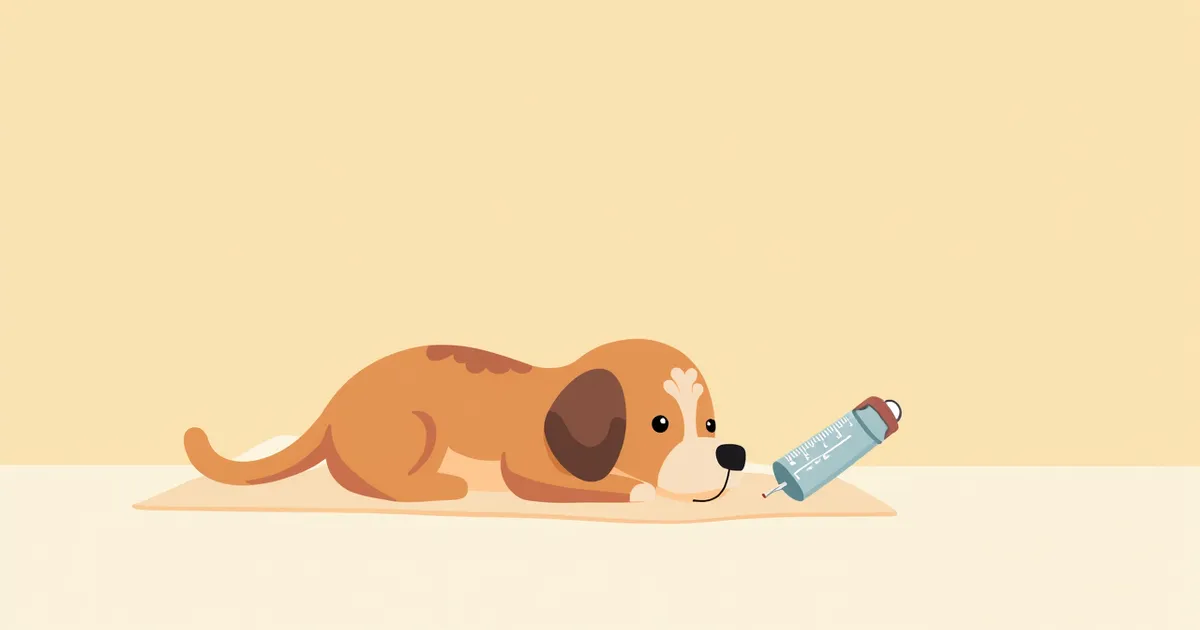
A puppy receiving vaccinations
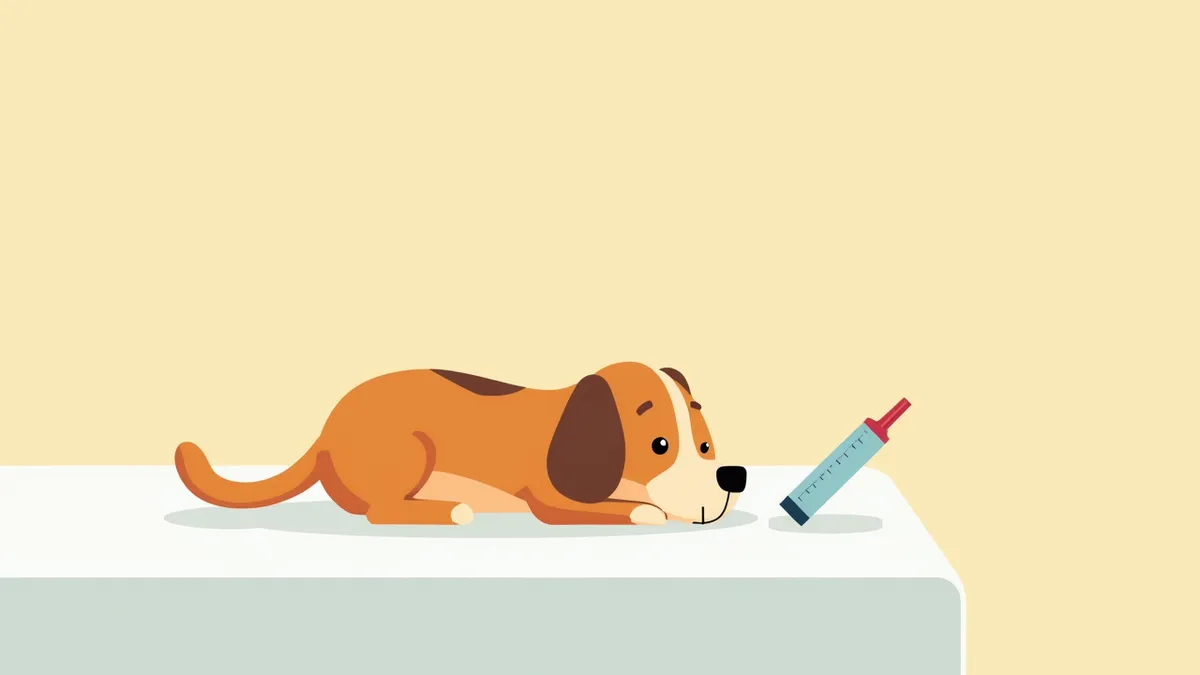
Side effects after puppy vaccinations are natural reactions that occur as the vaccine stimulates the immune system. While most symptoms resolve within three days, serious reactions can rarely occur, so careful monitoring is essential. - Temporary fever: Body temperature may rise slightly within 24 to 48 hours after vaccination. This is temporary and usually accompanied by reduced activity levels, with natural recovery occurring within three days. - Fatigue and lethargy: Your puppy may show decreased activity, drowsiness, or lethargy. This is considered part of a mild immune response and typically improves within one to several days. However, shock or collapse symptoms, such as fainting or clouded consciousness, are not normal reactions and require immediate veterinary attention. - Swelling at the injection site: Swelling or pain may occur but usually subsides within one to two days. In some cases, it may last more than three days but should gradually decrease. - Decreased appetite: Your puppy may eat less or refuse food. This is a temporary reaction that typically returns to normal within a few days. While all these symptoms are generally mild, consult your veterinarian immediately if they persist or worsen.

The main cause of side effects is vaccine components stimulating immune cells.
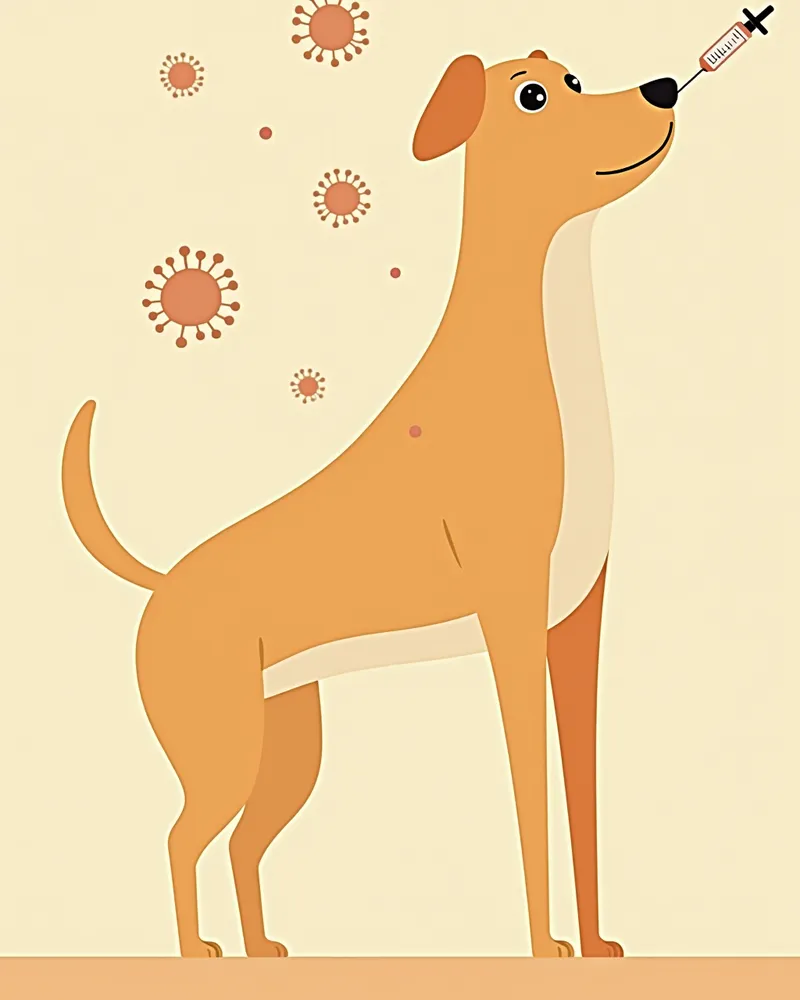
Side effects after vaccination are reactions that occur when the antigens in the vaccine stimulate immune cells. This is a natural part of the process as the immune system recognizes the vaccine and builds protective immunity. Vaccine side effects tend to be more commonly reported in small-breed dogs than in larger breeds, so smaller puppies require closer observation. If a dog has previously experienced an immediate allergic reaction to vaccine components or has a predisposition to allergies, the reaction may be more severe. Additionally, repeated administration of the same antigen can increase the likelihood of hypersensitivity reactions, and factors such as the type of vaccine and vaccination schedule can also influence the severity of side effects. Therefore, it is important to develop a customized vaccination plan tailored to each individual dog’s condition.
The process by which vaccines stimulate immune cells

Main side effect symptoms are as follows.

Here are the main symptoms that may appear after your puppy’s vaccinations. While some of these are normal reactions, others may require a visit to the vet if they become severe.
Persistent fever: A slight rise in body temperature within 24–48 hours after vaccination is common, but if a high fever persists, it’s important to monitor closely. Pay special attention if your puppy shows a noticeable decrease in activity or appears lethargic.
Vomiting or diarrhea: If your puppy vomits repeatedly or experiences diarrhea within a few hours after vaccination, it could be a sign of a reaction. If they’re unable to eat or drink properly, a vet visit is necessary.
Swelling or pain: Some swelling or tenderness at the injection site is normal, but if the swelling increases rapidly or lasts more than three days, consult your veterinarian.
Difficulty breathing: If your puppy is breathing rapidly or panting with their mouth open, it could indicate a respiratory or vascular reaction.
Lethargy or signs of shock: If your puppy is lying motionless or their lips appear bluish, it could be a sign of a severe allergic reaction or shock.
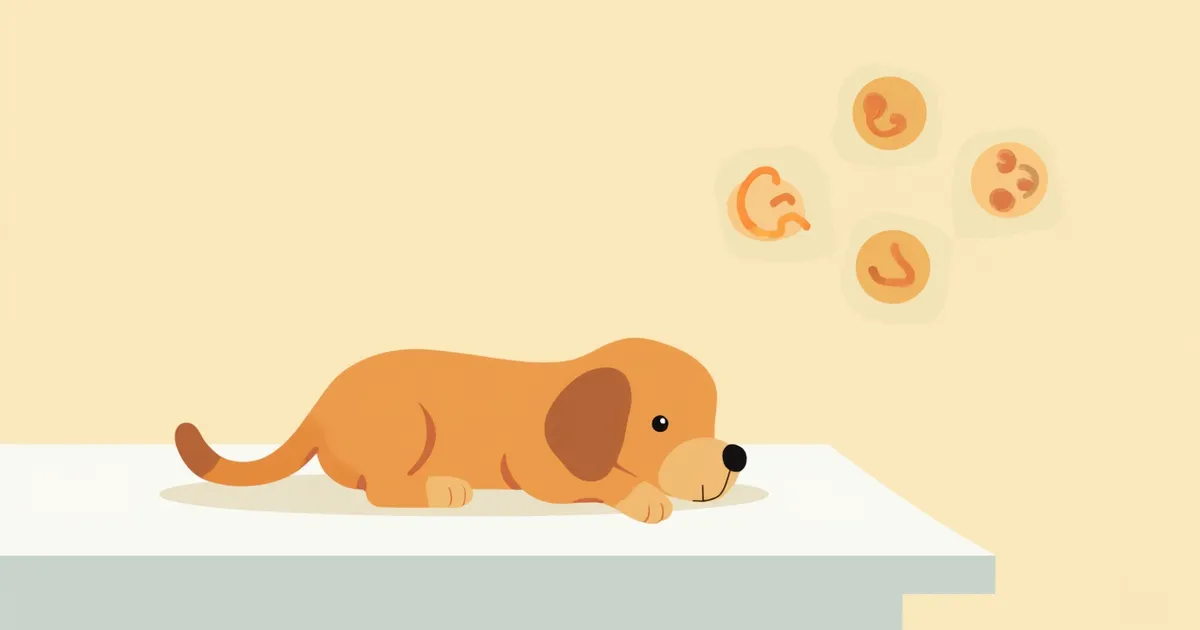
A puppy showing swelling and lethargy after vaccination

Emergency symptoms requiring immediate veterinary visit

If your dog shows difficulty breathing, bluish lips, signs of shock, severe vomiting or diarrhea, or loss of consciousness after vaccination, seek veterinary care immediately. These could be signs of a life-threatening severe allergic reaction.

Diagnosis is based on symptom assessment and in-clinic tests.
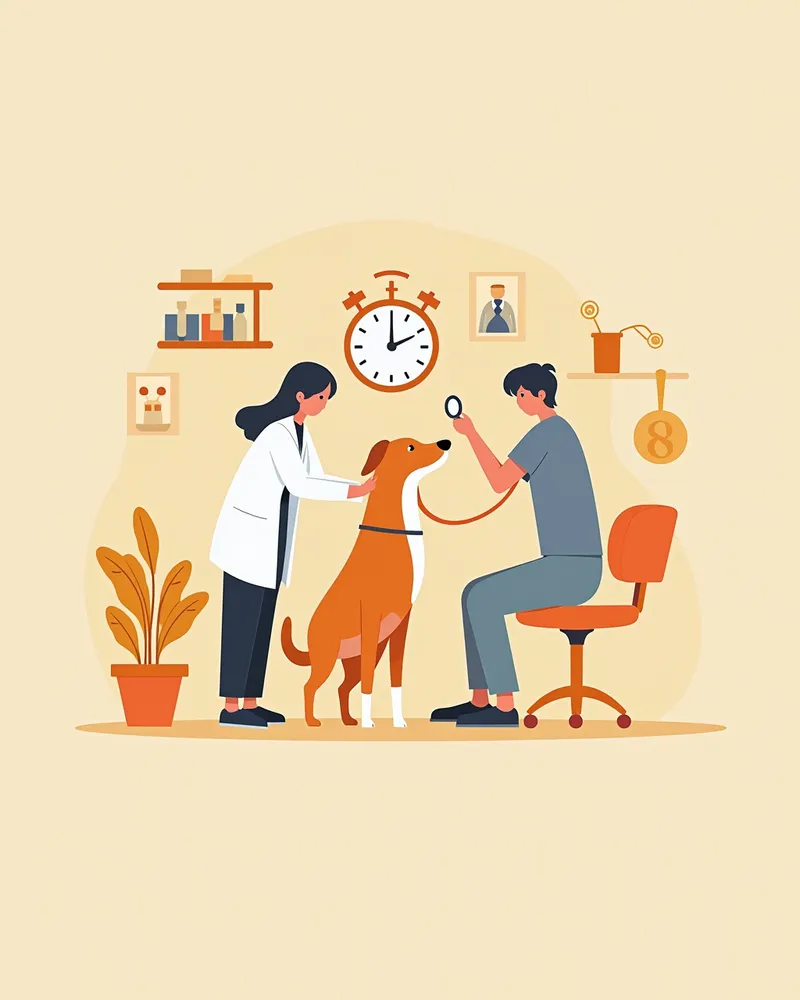
Veterinarians take a comprehensive look at your dog’s symptoms, vaccination schedule, medical history, and living environment. Immediate diagnosis is especially critical if you notice difficulty breathing, bluish lips, or decreased consciousness. - Blood tests: To check for signs of inflammation or allergic reactions. - X-rays: To assess the condition of the lungs and heart. - Electrocardiogram (ECG): To detect any irregularities in heart rhythm. - Skin testing: Performed when an allergic reaction is suspected. These tests help pinpoint the exact cause and guide the most appropriate treatment plan.
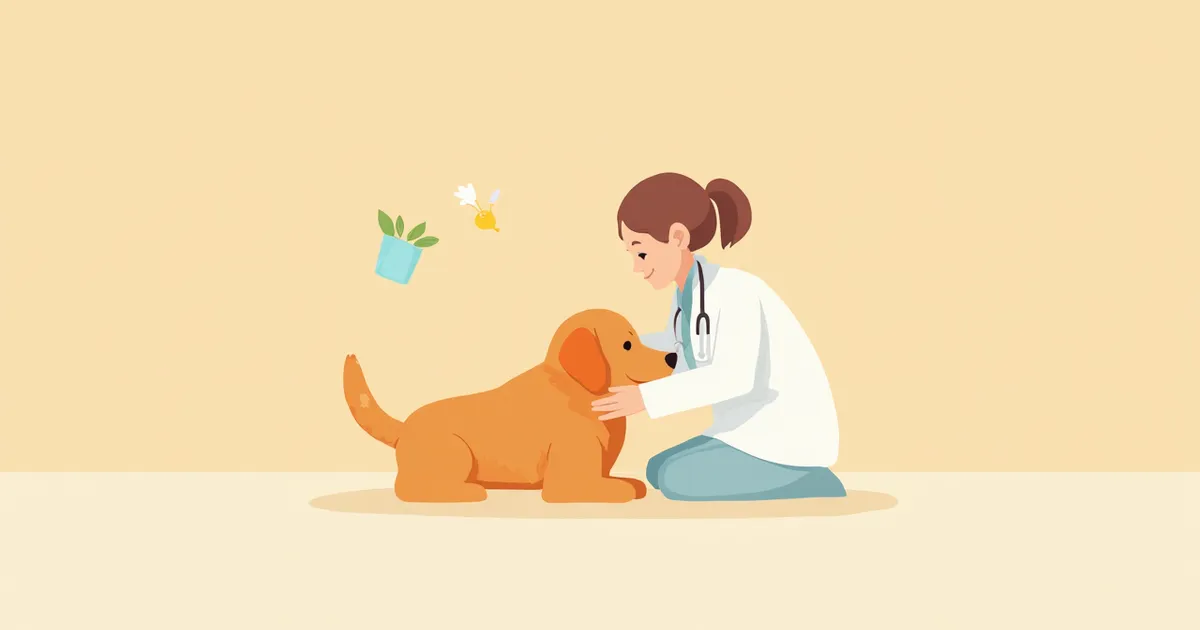
A veterinarian examining a puppy's heart and lungs.

Treatment involves medication and supportive care depending on symptoms.
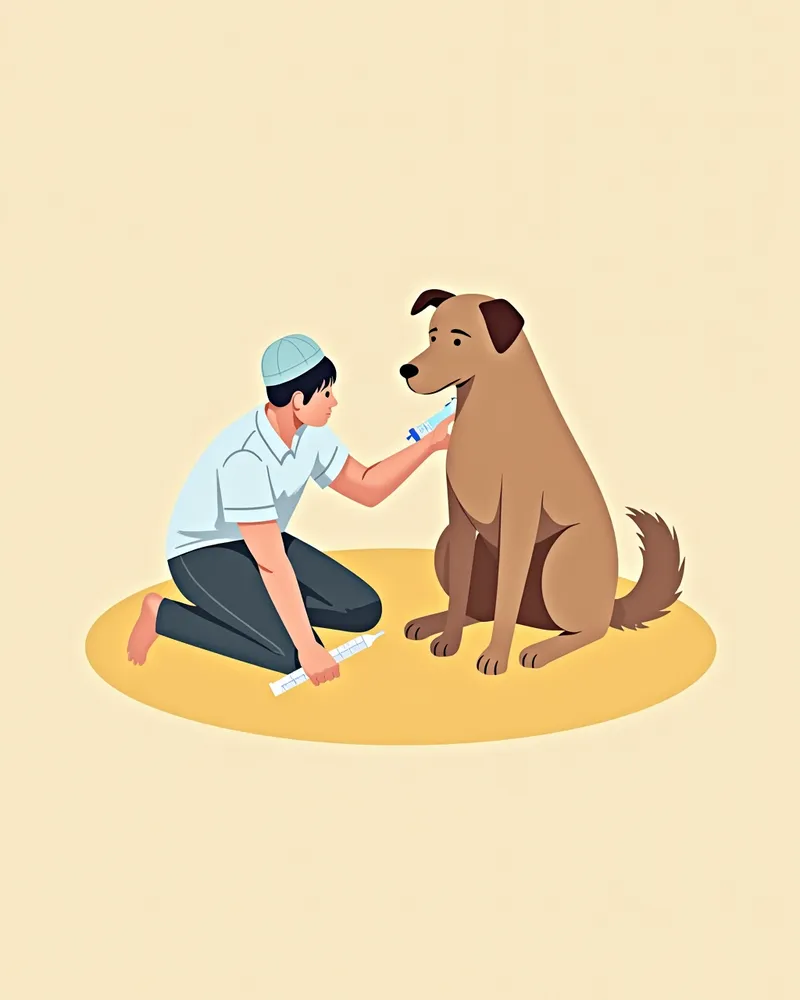
Mild side effects usually resolve on their own with observation alone. While antipyretics can be used for fever, they should never be administered without a veterinarian’s guidance. - Antihistamines: Used to relieve itching, swelling, and allergic reactions. - Epinephrine (Adrenaline): A critical emergency medication administered for life-threatening severe allergic reactions (anaphylaxis). - Steroids: Help calm severe inflammation or allergic responses. - Oxygen therapy: Essential in cases of severe respiratory distress. - Fluid therapy: Helps prevent dehydration and maintain internal balance. Your veterinarian will prescribe the precise medications and dosages based on your dog’s weight, condition, and severity of reaction.
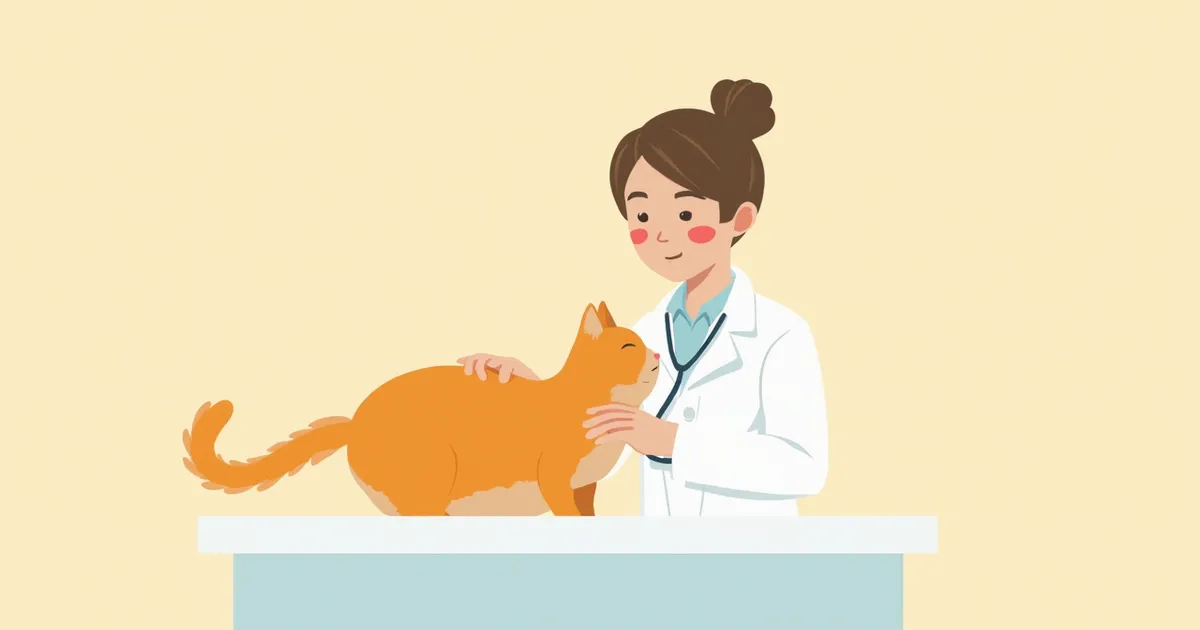
A veterinarian administering a steroid injection to a puppy

Home care focuses on a comfortable environment and careful observation.

After vaccination, keep your puppy in a quiet, warm place to rest. Offer water frequently, but avoid letting them drink too much at once. Feed light, easily digestible meals. Do not touch the injection site, and contact your veterinarian immediately if you notice significant swelling, fever, or rapid enlargement of the area. Minimize walks and physical activity for 24 hours. Closely monitor your puppy for any changes in behavior, vomiting, diarrhea, or breathing difficulties. If you observe any abnormal signs, consider visiting the clinic promptly.
A puppy resting comfortably after vaccination

Prevention of recurrence and breed-specific precautions

Small-breed dogs may experience a higher rate of adverse reactions after vaccination compared to large-breed dogs. Vaccine responses are determined by individual differences in immune response and various complex factors, and dogs with a history of allergies or genetic predispositions may exhibit stronger reactions. If your dog has had adverse reactions in the past, consult your veterinarian before the next vaccination to discuss potential adjustments to the vaccine type or administration schedule.

Reviewed by a veterinarian

Dr. Tony — Punnawat Phongkittirak

Dr. Tony — Punnawat Phongkittirak

Veterinarian

A veterinarian who majored in veterinary medicine at Khon Kaen University, Thailand, and completed the IVSA program at North Carolina State University in the United States. Drawing on clinical experience at animal hospitals, he works in the pet healthcare field and is dedicated to building a digital care environment that connects pet parents with veterinarians.

Frequently Asked Questions

Is it normal for my puppy to have a fever on the first day after vaccination?
A mild fever within 1–2 days after vaccination is a common reaction. Slight increases in body temperature or reduced activity are usually not a concern, as most pets recover on their own within three days. However, if your pet develops a sudden high fever, lethargy, pain, or a noticeable loss of appetite, please consult your veterinarian.
My pet vomited three times after vaccination. Should I go to the vet?
If your pet vomits two or more times within six hours after vaccination, there may be a risk of dehydration or a serious reaction, so it’s best to have a veterinarian evaluate them. This is especially important if they’re unable to eat or drink, as prompt veterinary care is needed.
The injection site is swollen and painful. What should I do?
The injection site may develop mild swelling within one to two days. If the reaction is severe, persists for more than three days, or continues to worsen, please consult your veterinarian.
When should the next vaccination be given?
Initial vaccinations are typically administered in a series, with each dose given 2 to 3 weeks apart. However, your veterinarian may adjust the schedule based on your puppy’s individual health status. If any adverse reactions occur, please consult with your veterinary clinic before deciding on the next steps.
Is it possible that the vaccine didn’t take effect after vaccination?
The appearance of side effects can indicate that the vaccine is triggering an immune response. However, the presence or absence of side effects does not directly prove the vaccine’s efficacy; even without any side effects, the vaccine can still effectively build immunity. If side effects are severe, consult your veterinarian to adjust the type of vaccine used.

Share

Related Guides

References

This information is based on veterinary literature and does not replace diagnosis or treatment. Please consult a veterinarian for specific health concerns.

Metapet Co., Ltd. | CEO: Park Sung-yong | Business Reg. No. 417-88-02562 | Seoul, South Korea | Customer Center

Monitoring Puppy Vaccine Side Effects: Symptoms & Care | Meongsiljang