Like
Share
멍실장
고양이 복수와 간 질환 증상과 원인, 진단·치료와 관리 포인트 총정리

If Your Cat’s Belly Is Suddenly Bloated — Causes of Ascites and Liver Disease and When to Seek Treatment

Liver HealthDiseasesMeongsiljang Veterinary Advisory Board

Feline ascites is a condition in which fluid accumulates in the abdominal cavity due to impaired liver function, making early detection crucial. This guide provides comprehensive information on symptoms, causes, diagnostic methods, treatment, and key management points.

What Are Feline Ascites and Liver Disease?
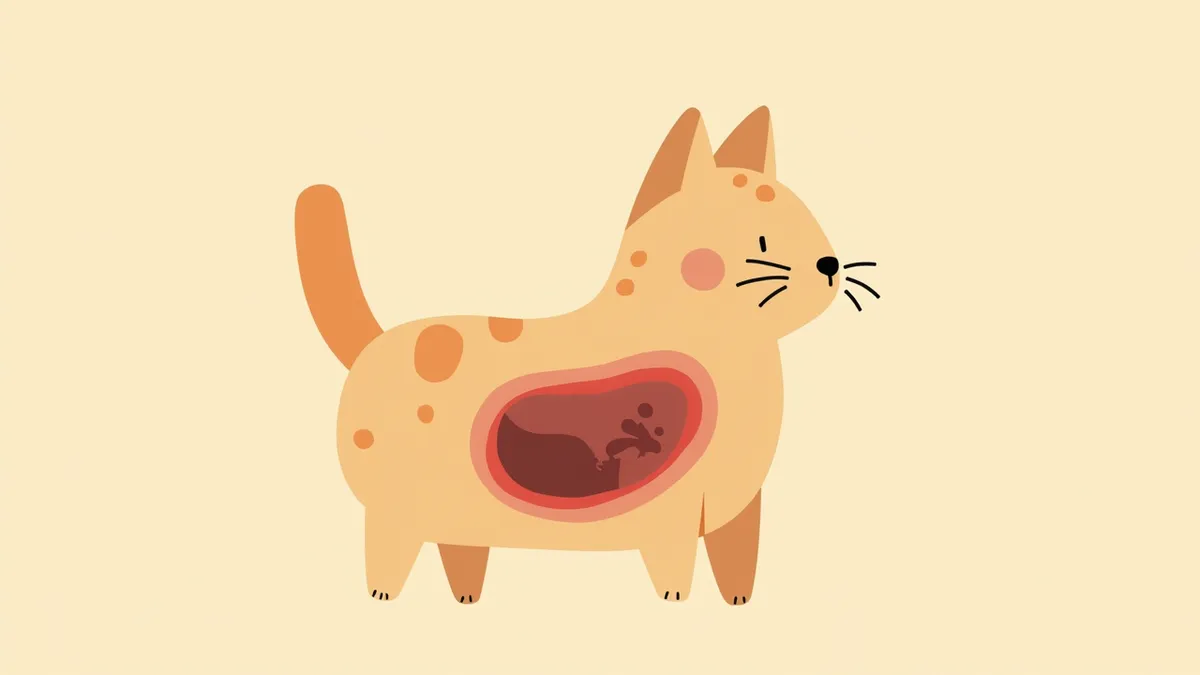
An anatomical illustration showing fluid accumulation in a cat’s liver and abdominal cavity.
Feline ascites and liver disease refer to the abnormal accumulation of fluid in the abdominal cavity and the underlying liver abnormalities that can cause it. However, it is important to first understand that the most common cause of ascites in cats is not liver disease, but feline infectious peritonitis (FIP), which more frequently leads to ascites than heart disease, tumors, or liver and kidney diseases. - Impaired liver function: Damage to liver cells can reduce the liver's ability to synthesize proteins and eliminate toxins. - Ascites formation: The causes of fluid accumulation in the abdominal cavity vary, and the underlying cause differs depending on the nature of the fluid, such as whether it is a transudate or an exudate. - Liver disease and ascites: Liver diseases such as hepatitis, cholangiohepatitis complex, and fatty liver can also cause ascites. - FIP and heart disease: In particular, FIP can cause ascites in young cats, while heart disease can be the cause in some cases. Accurate differential diagnosis and treatment of the underlying cause are key to managing ascites.

What Are the Main Causes?

There are many possible causes for ascites in cats. The most common is feline infectious peritonitis (FIP), but other potential causes include hepatobiliary disease, hepatic lipidosis, liver tumors, heart disease, and hypoproteinemia.
FIP: A common cause of ascites, especially in young cats, characterized by the accumulation of large amounts of exudative fluid in the abdominal cavity.
Hepatitis and cholangitis: Liver cell damage occurs due to feline cholangiohepatitis or parasitic infections such as liver flukes.
Hepatic lipidosis: Fat accumulates in the liver as a result of anorexia following gastrointestinal disease, pancreatitis, or cholangitis.
Heart disease and hypoproteinemia: Fluid can leak out of blood vessels into surrounding tissues due to circulatory disturbances or decreased plasma protein levels.
A cat with ascites

What Are the Main Symptoms?

The main symptoms of feline ascites and liver disease include abdominal distension, decreased appetite, muscle loss, weakness, difficulty breathing, vomiting, and jaundice.
Abdominal distension: Fluid accumulates in the abdominal cavity, causing the belly to swell. Pet owners often mistake this for weight gain.
Decreased appetite: Liver dysfunction leads to a reduced appetite, and persistent anorexia can further worsen fatty liver disease.
Muscle loss: Although apparent weight may increase due to ascites, muscle mass is actually being lost.
Difficulty breathing: Pressure from the abdomen prevents the lungs from fully expanding.
Drooling and jaundice: Drooling (ptyalism) is common in hepatic encephalopathy, while jaundice—yellowing of the skin and eyes—can occur with liver disease.
The eyes and mouth of a cat showing symptoms of jaundice

Signs That Require Immediate Veterinary Care

If your cat suddenly has difficulty breathing, experiences rapid abdominal swelling, or becomes disoriented, seek immediate veterinary care. These are life-threatening emergencies.

Tests Needed for Accurate Diagnosis
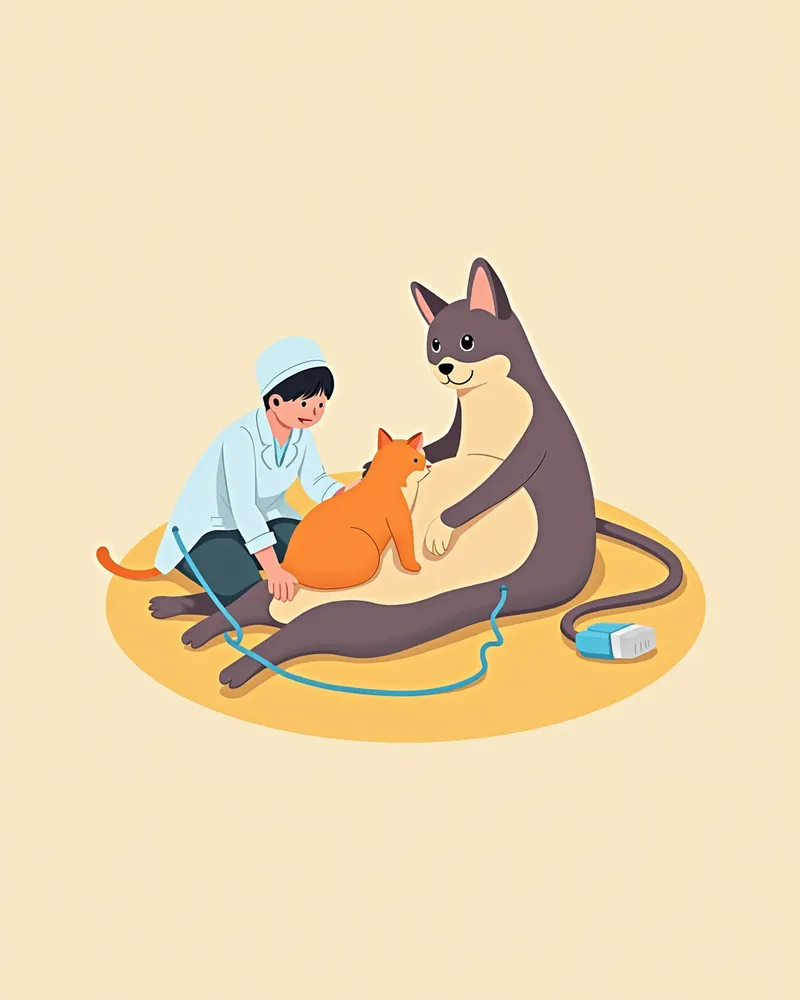
Diagnosing feline ascites and liver disease involves blood tests, analysis of the ascitic fluid (peritoneal fluid), ultrasound, and biopsy. While we evaluate liver enzymes such as ALT, ALP, AST, and GGT, as well as total protein and albumin levels, these values are nonspecific and cannot definitively confirm the cause on their own.
Blood tests: Liver enzyme and protein levels provide clues about the extent of liver damage.
Peritoneal fluid analysis: The fluid is classified as transudate, modified transudate, exudate, chylous, or hemorrhagic to narrow down the cause. Exudates associated with FIP typically have high protein levels.
Ultrasound examination: This allows for visual assessment of liver structure and the volume of ascites.
Biopsy and cytology: Hepatic lipidosis (fatty liver) is diagnosed when cytology reveals that more than 80% of hepatocytes show fatty degeneration. If other diseases are not suspected, a biopsy is not always necessary.
An image of a cat undergoing an abdominal ultrasound examination

Treatment Methods and Step-by-Step Management
Treatment varies depending on the underlying cause and may include medication, dietary and fluid management, removal of ascites, and treatment of the primary condition.
Medication: Depending on the cause, diuretics, hepatoprotectants, and other medications are used to alleviate symptoms. In cases of liver disease, coagulopathy can lead to a tendency toward bleeding, so caution is required.
Ascites removal: Draining fluid from the abdominal cavity helps reduce respiratory burden.
Dietary and fluid management: For fatty liver disease, the key is to correct dehydration, restore electrolyte balance, and provide adequate nutrition to reverse negative energy balance.
Treatment of the underlying cause: In feline infectious peritonitis (FIP), antiviral treatments such as remdesivir can improve ascites, while conditions like cholangitis or tumors are treated according to their specific causes.
Cats eating special food for liver health

Key Points for Home Care

Feline ascites and liver disease require long-term management. With proper care at home, you can significantly improve your cat’s quality of life.
Dietary Management: Consistently provide a high-protein, low-sodium diet.
Medication Administration: Administer medications at the correct times and in the prescribed dosages.
Weight Monitoring: Weigh your cat daily to track any changes.
Activity Regulation: Avoid excessive exercise and maintain a comfortable environment.
Regular Check-ups: Visit the clinic every 1–2 months to monitor your cat’s condition.
A cat resting comfortably in a cozy environment

Breed-Specific Precautions and Preventing Recurrence

FIP, the most common cause of feline ascites, is often seen in young cats and purebreds (e.g., British Shorthairs). Since management strategies vary depending on the underlying cause, regular check-ups and accurate diagnosis are essential to prevent recurrence and disease progression.

Reviewed by a veterinarian

Dr. Tony — Punnawat Phongkittirak

Dr. Tony — Punnawat Phongkittirak

Veterinarian

A veterinarian who majored in veterinary medicine at Khon Kaen University, Thailand, and completed the IVSA program at North Carolina State University in the United States. Drawing on clinical experience at animal hospitals, he works in the pet healthcare field and is dedicated to building a digital care environment that connects pet parents with veterinarians.

Frequently Asked Questions

If my cat develops ascites, do I absolutely need to take them to the vet?
Yes, if ascites develops, immediate veterinary care is necessary. However, feline ascites is not always due to liver dysfunction; it can result from various causes such as FIP, heart disease, or tumors, making an accurate diagnosis essential.
Is ascites related to a cat's age?
While age and underlying causes are related, the relationship isn't straightforward. Feline infectious peritonitis (FIP), one of the most common causes of ascites, tends to occur more frequently in young cats, whereas certain liver and heart diseases become more prevalent in older cats. Regular veterinary check-ups are essential regardless of your cat's age.
Can dietary management alone help alleviate ascites?
Dietary management can help, but if the underlying cause of ascites is liver dysfunction, it’s difficult to resolve with diet alone. Concurrent treatment under veterinary guidance is necessary.
How often can ascites be drained?
While fluid drainage can be performed whenever symptoms become severe, excessive repetition places a significant burden on your cat. Your veterinarian will determine the appropriate course of action based on your cat's specific condition.
Can liver disease be cured?
It depends on the underlying cause. While some cases can be managed with medication, chronic liver cirrhosis is difficult to cure and requires long-term management.

Comparison of Characteristics and Causes by Ascites Type

ItemTypeCauseMain CharacteristicsTreatment Direction
Inflammatory (Exudative) AscitesFIP, peritonitis, tumorInflammation/infection forms high-protein exudateAbdominal distension, common in young catsDifferentiate cause; for FIP, antiviral (remdesivir)
Hepatic AscitesHepatitis/cholangitis, fatty liver, liver tumorReduced protein synthesis due to declining liver functionAbdominal distension, jaundice, muscle lossHepatoprotectants, diuretics, dietary/fluid management
Cardiogenic AscitesHeart failure, heart diseaseCirculatory impairment due to declining heart functionDifficulty breathing, fatigue, abdominal distensionCardiac medication, diuretics, oxygen supply
Hypoproteinemic AscitesMalnutrition, malabsorption, kidney diseaseDecreased plasma protein lowers vascular pressureGeneralized edema, ascites, fatigueProtein supplementation, treating the underlying cause

The most common cause of ascites in cats is FIP, and since the cause must be narrowed down through fluid analysis (distinguishing transudate from exudate), an accurate diagnosis is essential.

Share

Related Guides
References

[1] Notes on Canine Internal Medicine, 4th Ed. (2020). Chapter on Hepatic Disease in Cats.

[2] Fundamentals of Veterinary Clinical Pathology, 3rd Edition. (2018). Liver Enzyme Interpretation in Feline Patients.

[3] BSAVA Manual of Feline Medicine. (2021). Ascites and Hepatopathy in Cats: Diagnosis and Management.

This information is based on veterinary literature and does not replace diagnosis or treatment. Please consult a veterinarian for specific health concerns.

Metapet Co., Ltd. | CEO: Park Sung-yong | Business Reg. No. 417-88-02562 | Seoul, South Korea | Customer Center

Cat's Belly Suddenly Bloated? Ascites & Liver Disease Causes | Meongsiljang