Like
Share
멍실장
고양이 노령묘 건강검진 항목 증상과 원인, 진단·치료와 관리 포인트 총정리

Senior Cat Health Checkups: Symptoms, Causes, Diagnosis, Treatment, and Care Essentials

Lifestyle & Age CareDiseasesMeongsiljang Veterinary Advisory Board

Health screenings for senior cats are essential for early detection of chronic diseases and improving their quality of life. Regular check-ups allow you to identify potential risks before they become serious issues.

Senior Cat Health Checkups Are Key to Early Detection of Chronic Diseases
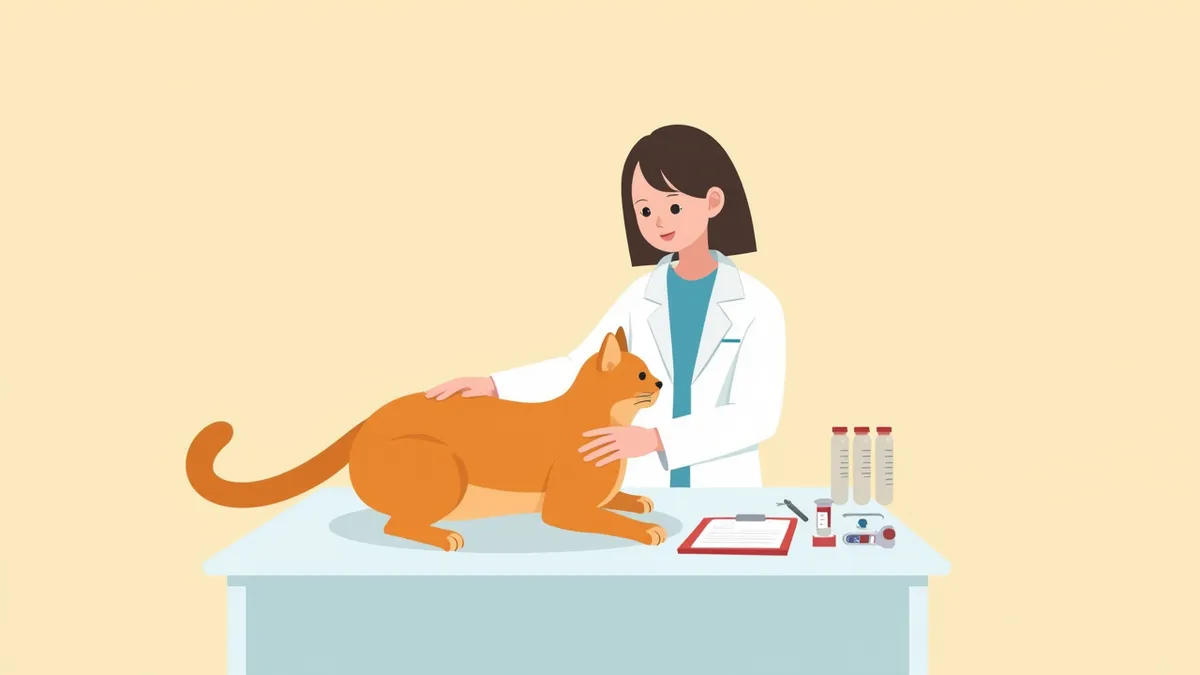
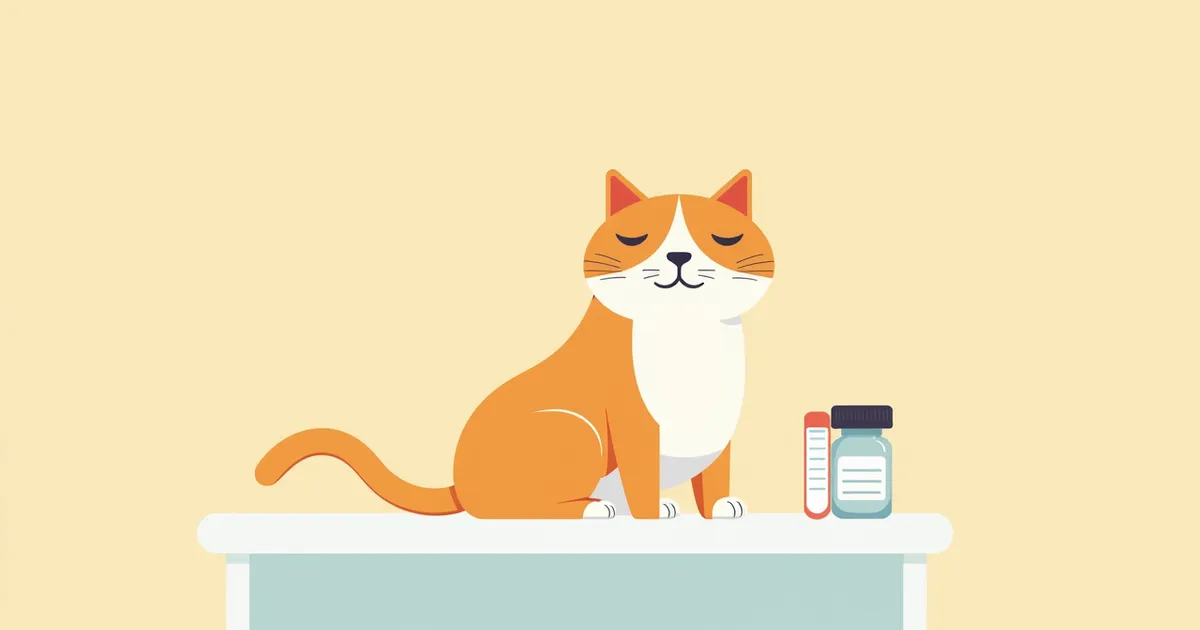
A scene of a veterinarian conducting a health check-up for a senior cat.
Regular health checkups are highly recommended for cats aged seven and older, as they play a crucial role in the early detection of chronic diseases. As cats age, their risk of developing chronic conditions increases, so routine veterinary exams allow for the early identification and management of declining organ function. - Kidney function decline: Aging reduces the kidneys’ filtering capacity, which can lead to the buildup of toxins in the body. - Diabetes risk: Abnormal insulin secretion makes it difficult to regulate blood sugar levels. - Hyperthyroidism: This condition accelerates metabolism and often results in weight loss. - High blood pressure: Hypertension can damage blood vessels and contribute to heart disease, making early detection essential. - Liver dysfunction: Impaired toxin removal can cause fatigue and a decreased appetite. Regular checkups help identify and manage these issues before they become serious.

The Main Reason for Senior Cat Health Checkups Is the Progression of Chronic Diseases
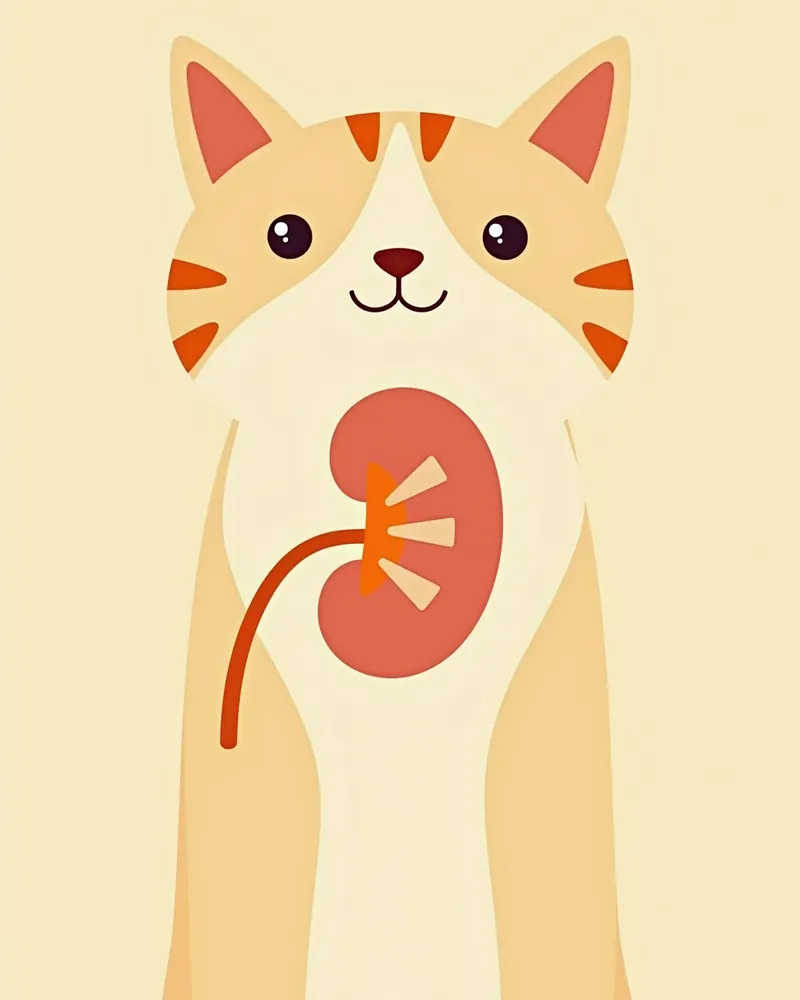
Health screenings for senior cats are essential to prepare for the increased risk of chronic diseases that come with age. As cats grow older, they experience cellular aging, metabolic abnormalities, weakened immunity, hormonal imbalances, and declining organ function. These changes often progress silently without obvious symptoms, making early detection crucial. - Cellular aging: Reduced cellular repair capacity leads to declining organ function. - Metabolic abnormalities: Disrupted energy metabolism can trigger diabetes or obesity. - Weakened immunity: Cats become more susceptible to infections and recover more slowly from illness. - Hormonal imbalances: Endocrine system functions, such as those of the thyroid and pancreas, decline. - Declining organ function: Vital organs like the kidneys, liver, and heart gradually lose efficiency. Because these changes occur before symptoms appear, early screening is vital.
Explanation of Major Organ Lesions in Senior Cats

5 Key Symptoms to Watch for in Senior Cat Health Checkups
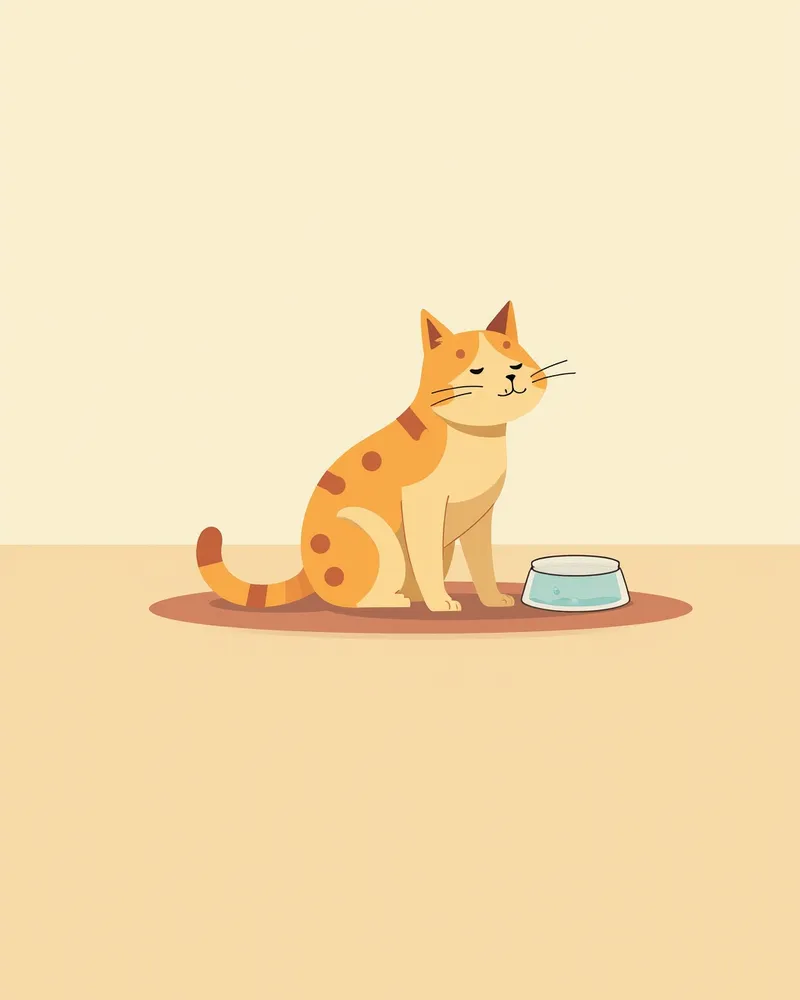
When conducting a health checkup for a senior cat, pay attention to the following symptoms:
Decreased appetite: The cat suddenly stops eating or consumes only small amounts of food.
Weight loss: Muscle mass decreases, making the bones more prominent. If weight continues to drop despite normal or even increased appetite, conditions such as hyperthyroidism should be considered.
Frequent urination and increased thirst: The cat drinks water more often and uses the litter box more frequently.
Recurring vomiting and diarrhea: Digestive issues arise due to weakened gastrointestinal function.
Reduced activity level: The cat stays in one place all day and shows little interest in play.
These symptoms may be early signs of various diseases, so it's best to consult with a veterinarian for a thorough examination.
Common symptoms in senior cats

Emergency Signs Requiring Immediate Veterinary Visit

If your cat completely loses its appetite, drinks very little water, experiences repeated vomiting, breathes with difficulty while panting with an open mouth (respiratory distress), strains to urinate but produces no urine, has severe bleeding, or becomes disoriented, seek veterinary care immediately. These signs may indicate an emergency. Early intervention is especially important for older cats, who are at higher risk for chronic conditions and comorbidities.

Main Diagnostic Methods for Senior Cat Health Checkups
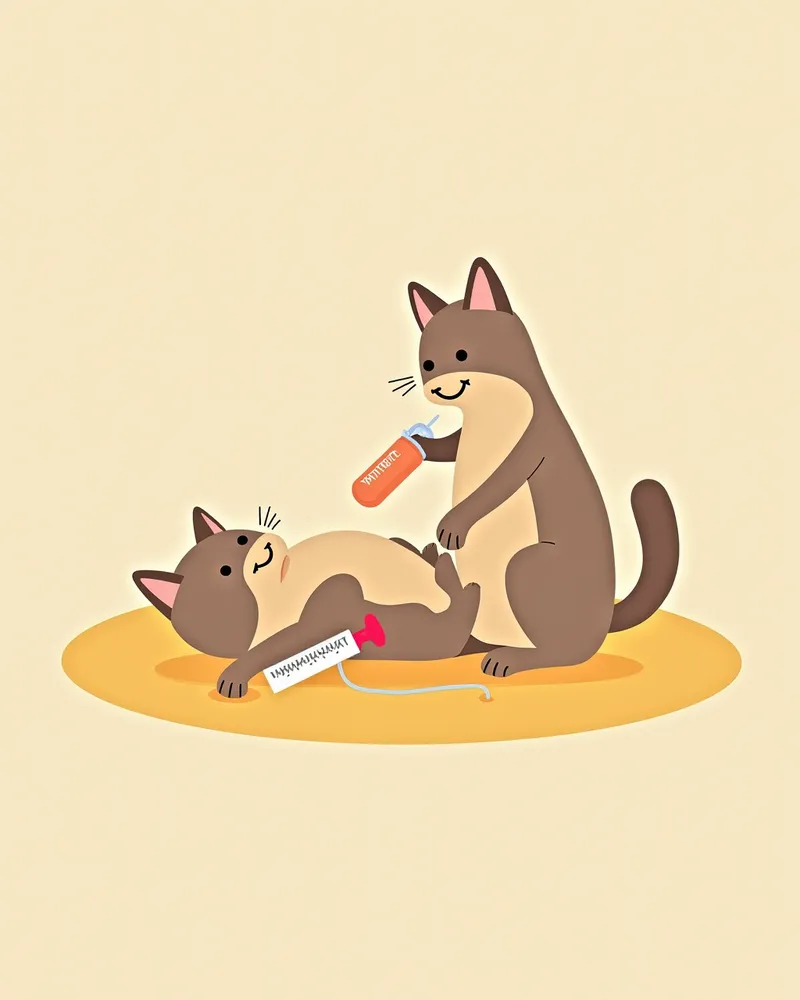
Senior cat health checkups involve a comprehensive evaluation of overall health through various tests. - Blood tests: Measure BUN, creatinine, blood glucose, and liver enzyme levels to assess organ function. - Urinalysis: Detect proteinuria, diabetes, and infections to enable early identification of kidney disease. - Blood pressure measurement: Identify hypertension early to prevent heart and kidney damage. - Ultrasound examination: Visually inspect structural abnormalities in internal organs such as the liver, kidneys, and spleen. - Weight and body condition assessment: Evaluate muscle loss and obesity to provide a comprehensive analysis of nutritional status. These tests are used in combination to ensure accurate diagnosis.
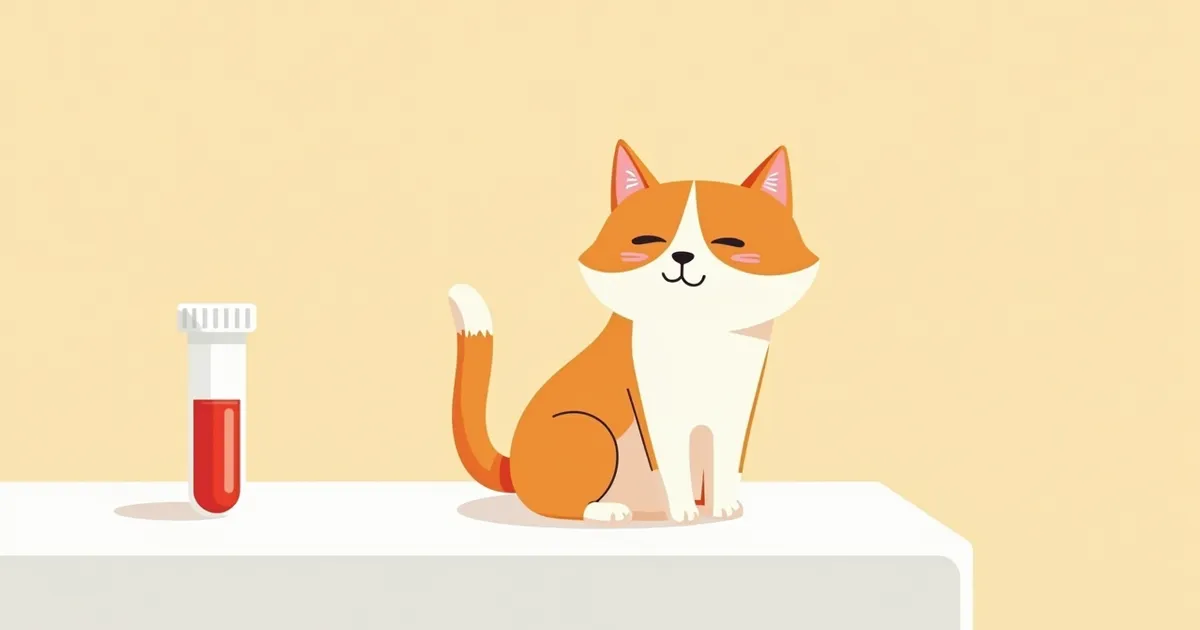
Blood test procedure for senior cats

Treatment and Management After Senior Cat Health Checkups

Based on the health check-up results, your veterinarian will create a personalized treatment plan. - Kidney disease: A low-protein diet and medication help slow the decline in kidney function, while encouraging increased water intake. - Diabetes: Insulin injections and regular meals help stabilize blood sugar levels. - Hyperthyroidism: Medication, radioactive iodine therapy, or surgery can regulate hormone levels. - High blood pressure: Blood pressure medications and lifestyle adjustments help reduce the strain on the heart. - Nutritional management: Using veterinarian-recommended prescription diets or supplements appropriately can help slow disease progression. Consistent care significantly improves your pet’s quality of life.
Tailored therapeutic diets and supplements for senior cats

Daily Care and Prevention Tips for Senior Cats

Daily care is essential for maintaining the health of senior cats.
Regular check-ups: Cats aged 7 and older should have at least one check-up per year, while those aged 10 to 15 or older should be considered for semi-annual check-ups.
Appropriate diet: Choose cat food suitable for their age.
Encourage water intake: Place multiple water bowls around the home and ensure the water is always fresh.
Environmental stability: Minimize noise and changes, and provide a stable, secure space.
Encourage exercise: Maintain activity levels through simple play.
These care practices greatly help prevent diseases and improve quality of life.
A Stable Daily Environment for Senior Cats

Certain Breeds Have a Higher Risk of Chronic Diseases

Certain cat breeds may be more susceptible to specific diseases. In preventive healthcare, it is recommended to consider breed-specific health predispositions along with congenital and genetic conditions. However, the risk of disease due to genetic predisposition can vary by breed, and it is difficult to make definitive breed-specific examples based solely on the provided evidence. Therefore, if symptoms appear, it is important to consult with a veterinarian for diagnosis.

Reviewed by a veterinarian

Dr. Tony — Punnawat Phongkittirak

Dr. Tony — Punnawat Phongkittirak

Veterinarian

A veterinarian who majored in veterinary medicine at Khon Kaen University, Thailand, and completed the IVSA program at North Carolina State University in the United States. Drawing on clinical experience at animal hospitals, he works in the pet healthcare field and is dedicated to building a digital care environment that connects pet parents with veterinarians.

Frequently Asked Questions

How often should senior cats have a health checkup?
For cats aged 7 and older, we recommend at least one checkup per year, and for those 10 and older, checkups every six months. If you suspect any health issues, more frequent checkups are advisable.
What should I do if my senior cat’s blood test results come back abnormal?
The veterinarian will recommend additional tests. Rather than starting treatment right away, the priority is to accurately identify the underlying cause.
Is it safe to feed senior cats a specialized diet?
Yes, prescription diets recommended by veterinarians can help manage your pet’s condition. However, don’t switch to them abruptly—transition gradually.
My senior cat hates check-ups. What should I do?
Create a calm environment before the checkup and offer small treats to help build a positive experience. Your veterinarian also knows how to care for senior cats with extra consideration.
How much does a senior cat health check-up cost?
A basic check-up costs around $40, and if additional tests are needed, it may cost an additional $70 to $100. Investing in preventive care saves money in the long run.

Comparison Table of Senior Cat Health Checkup Items

ItemBasic CheckupAdvanced CheckupAdvanced + Imaging Checkup
Test TypeBlood test, urine test, weight, blood pressureBasic items + thyroid hormone, liver enzymes, electrolytesAdvanced items + ultrasound, electrocardiogram, X-ray
Cost (KRW)5000080000150000
Time Required30 minutes60 minutes90 minutes or more
Recommended ForCats aged 7 years or olderCats with underlying diseasesCats with abnormalities found in previous checkups

Advanced checkups are recommended when disease is suspected, and advanced + imaging checkups are recommended when accurate diagnosis is needed.

Share

Related Guides
References

This information is based on veterinary literature and does not replace diagnosis or treatment. Please consult a veterinarian for specific health concerns.

Metapet Co., Ltd. | CEO: Park Sung-yong | Business Reg. No. 417-88-02562 | Seoul, South Korea | Customer Center

Senior Cat Health Checkups: Symptoms, Causes & Care | Meongsiljang