Like
Share
멍실장
고양이 겨울 한파 관리·저체온 예방 증상과 원인, 진단·치료와 관리 포인트 총정리

Comprehensive Guide to Managing Cats During Winter Cold Snaps: Hypothermia Prevention, Symptoms, Causes, Diagnosis, Treatment, and Care Points

Lifestyle & Age CareDiseasesMeongsiljang Veterinary Advisory Board

Managing cats during winter cold snaps is a crucial preventive measure, especially for those with limited ability to regulate their body temperature. Regular observation is essential to catch the early signs of hypothermia.

Managing Winter Cold Snaps Is Key to Preventing Hypothermia in Cats
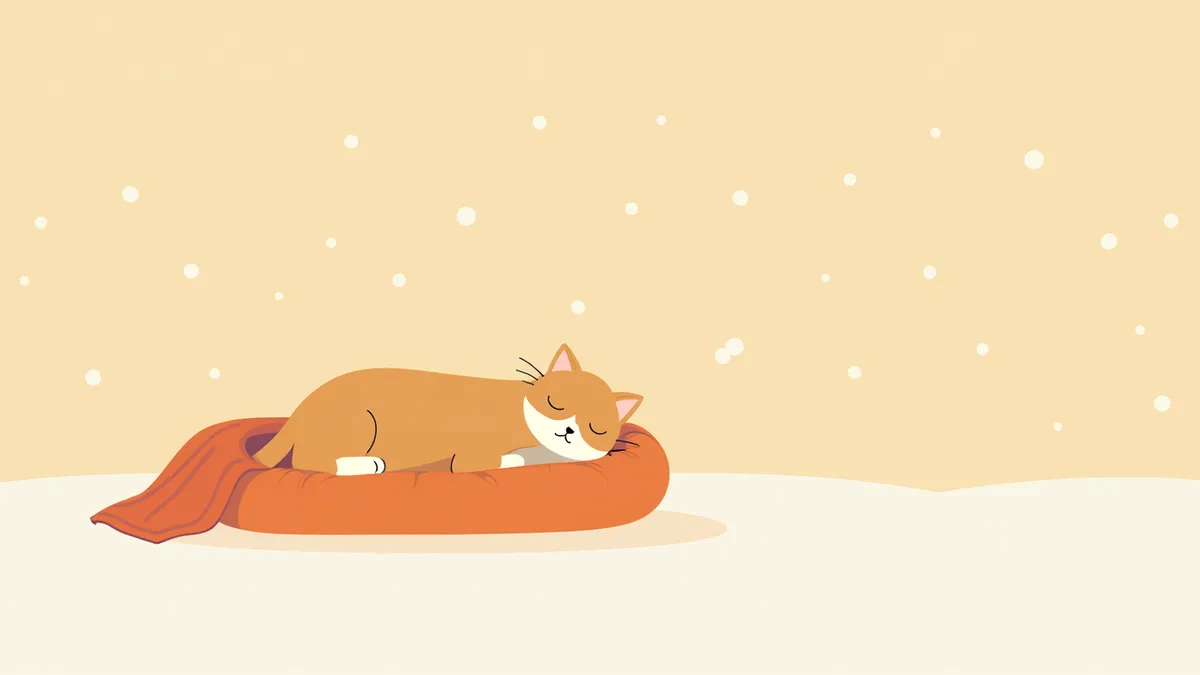
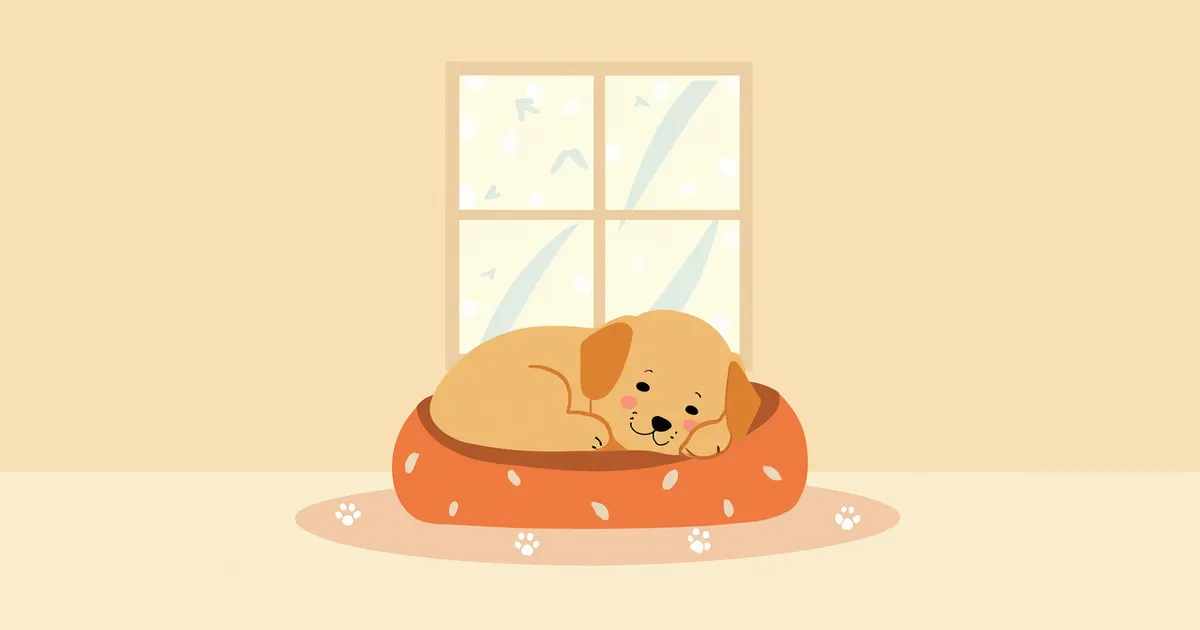
A cat sleeping comfortably on a warm heating pad
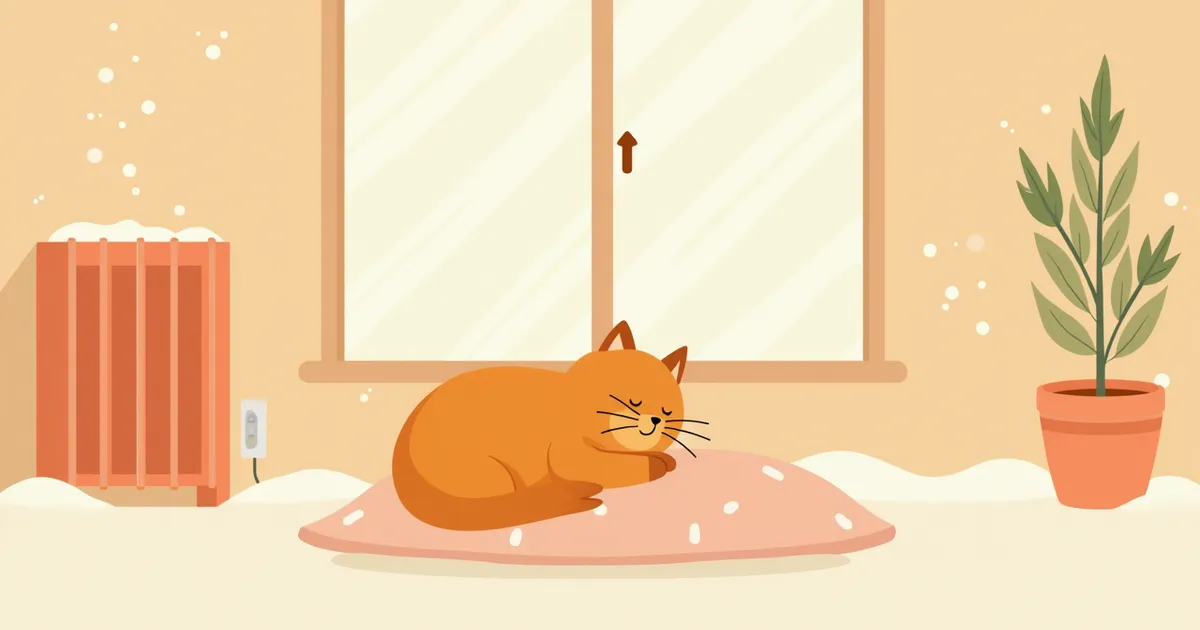
Managing cold snaps in winter is a crucial preventive measure for cats, whose ability to regulate body temperature is limited. Senior cats and short-haired breeds are especially sensitive to changes in outdoor temperatures, so it’s important to keep indoor temperatures at 22°C or higher and always provide a warm resting spot. - Maintain indoor temperature: Keep the room between 20–24°C, and avoid placing your cat near windows or doors where cold air may enter. - Provide a warm resting area: Prepare a cat-specific heated bed or thermal blanket. - Regular monitoring: Check your cat’s activity level, appetite, and breathing daily. If you notice any unusual signs, consider visiting the vet right away. - Recognize early warning signs: Shivering, lethargy, and reduced movement can be early indicators of hypothermia. All of these steps are essential to safeguarding your cat’s life.

The Main Causes of Hypothermia Are Environmental Temperature and Declining Physical Condition
Hypothermia can occur when a cat stays in a cold environment for an extended period, such as in a room with insufficient heating, near an open window or door, or close to a refrigerator. Additionally, older cats, as well as those weakened by illness, weight loss, or nutritional imbalances, have a significantly reduced ability to maintain their body temperature. - Environmental factors: Temperatures dropping below 18°C (64.4°F) pose a risk. - Physiological factors: Advanced age and chronic diseases weaken the body’s ability to regulate temperature. - Preventive care: Maintaining a warm environment and ensuring adequate nutrition are essential. - Checking for underlying conditions: If hypothermia recurs, consult your veterinarian to check for any underlying health issues. - Reduced temperature regulation: Cats with weakened constitutions are more susceptible to hypothermia. > ✅ Correction basis: Textbooks explicitly list age-related decline, weight loss, and nutritional imbalances as risk factors for hypothermia (E19, E16, E3). In particular, older cats are clearly noted to have diminished temperature regulation capabilities.
A shivering cat by the cool window

Quickly Check for the Main Symptoms and Signs of Hypothermia
The early signs of hypothermia include shivering, reduced movement, lethargy, and muscle stiffness. As the condition progresses, breathing slows, heart rate drops, vision becomes cloudy, and consciousness fades. - Early signs: Shivering or a noticeable quietness in behavior warrants attention. - Moderate symptoms: Decreased activity, loss of appetite, and difficulty breathing may appear. - Severe symptoms: Loss of consciousness, irregular heartbeat, and low blood pressure can occur. - Caregiver alert: Changes like "just sleeping more" or "becoming unusually quiet" may be warning signs of hypothermia. - Immediate action: If you notice any abnormal signs, consider visiting the vet immediately.
A cat that is barely moving due to hypothermia

Emergency Signs Requiring Immediate Veterinary Visit

Hypothermia can only be diagnosed through accurate measurement with a thermometer. A rectal temperature reading is taken to confirm if it is below normal, and the severity is assessed alongside clinical signs such as shivering, lethargy, and changes in consciousness. - Accurate Measurement: A veterinarian checks the rectal temperature using a dedicated thermometer. Note that readings from the ear or armpit may be lower than the actual rectal temperature. - Vital Signs Assessment: Heart rate, respiratory rate, and blood pressure are measured to provide a comprehensive evaluation of the patient’s condition. - Blood Tests: Additional blood work may be required to identify the underlying cause and check for complications. - Severity Classification: Shivering and piloerection (raised fur) indicate mild hypothermia; changes in consciousness or responsiveness suggest moderate severity; while the cessation of shivering and severe central nervous system depression are signs of severe hypothermia. - Checking for Underlying Conditions: In senior cats, it is essential to screen for underlying diseases such as diabetes or kidney disease. - Importance of Early Diagnosis: Early diagnosis is key to improving treatment success rates. > ✅ Correction Basis: Rectal temperature measurement is the standard, while ear and armpit readings may be lower (E7). Hypothermia severity is classified by clinical signs: shivering and piloerection (mild) → changes in consciousness (moderate) → cessation of shivering and central nervous system depression (severe) (E5). Since the evidence does not specify definitive diagnostic thresholds like "below 35°C," the description of criteria has been revised conservatively. Checking for underlying conditions in senior cats is important for thermal management (E20).

Hypothermia Is Diagnosed Through Temperature Measurement and Assessment of Vital Signs
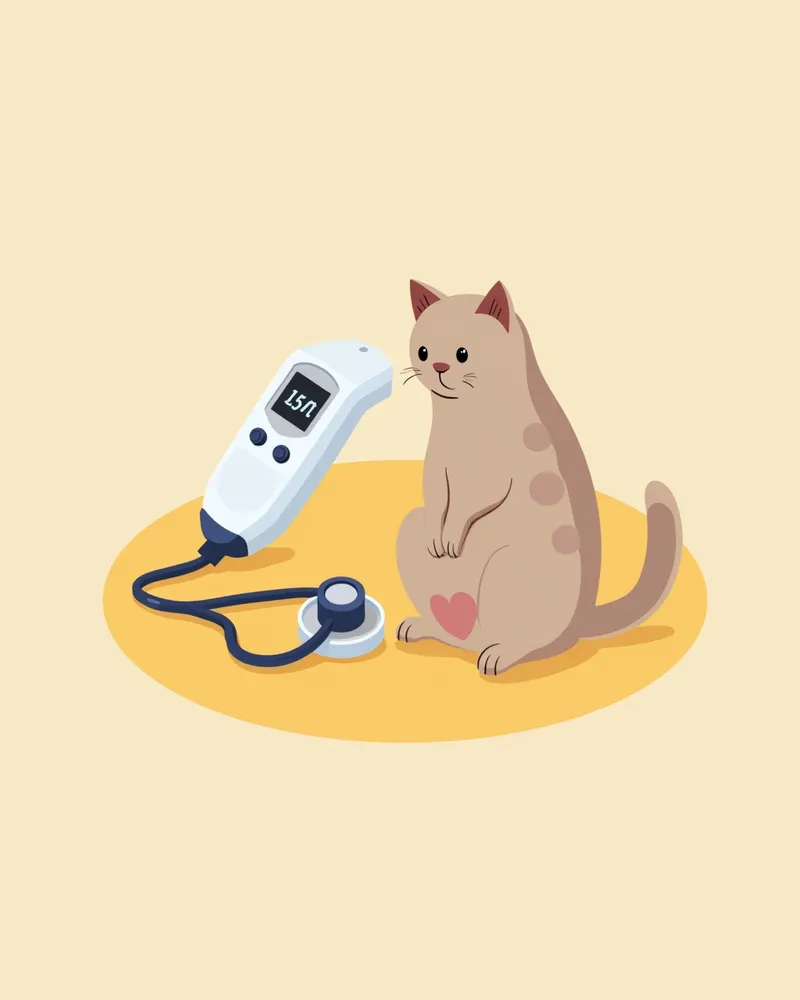
Hypothermia can only be diagnosed through accurate measurement with a thermometer. A rectal temperature reading is taken to determine if it is below the normal range, and the severity is assessed alongside clinical signs such as shivering, lethargy, and altered consciousness. - Accurate measurement: A veterinarian checks the rectal temperature using a dedicated thermometer. Readings taken from the ear or armpit may be lower than the actual rectal temperature. - Vital sign assessment: Heart rate, respiratory rate, and blood pressure are measured to provide a comprehensive evaluation of the animal’s condition. - Blood tests: Additional blood work may be necessary to identify the underlying cause and check for complications. - Severity classification: Shivering and piloerection (raised fur) indicate mild hypothermia; altered consciousness and responsiveness suggest moderate severity; while the cessation of shivering and severe central nervous system depression are signs of severe hypothermia. - Checking for underlying conditions: In senior cats, it is essential to check for underlying diseases such as diabetes or kidney disease. - Importance of early diagnosis: Early diagnosis is key to improving treatment success rates.
A veterinarian measuring a cat's body temperature

Gradual Rewarming Is the Core of Hypothermia Treatment
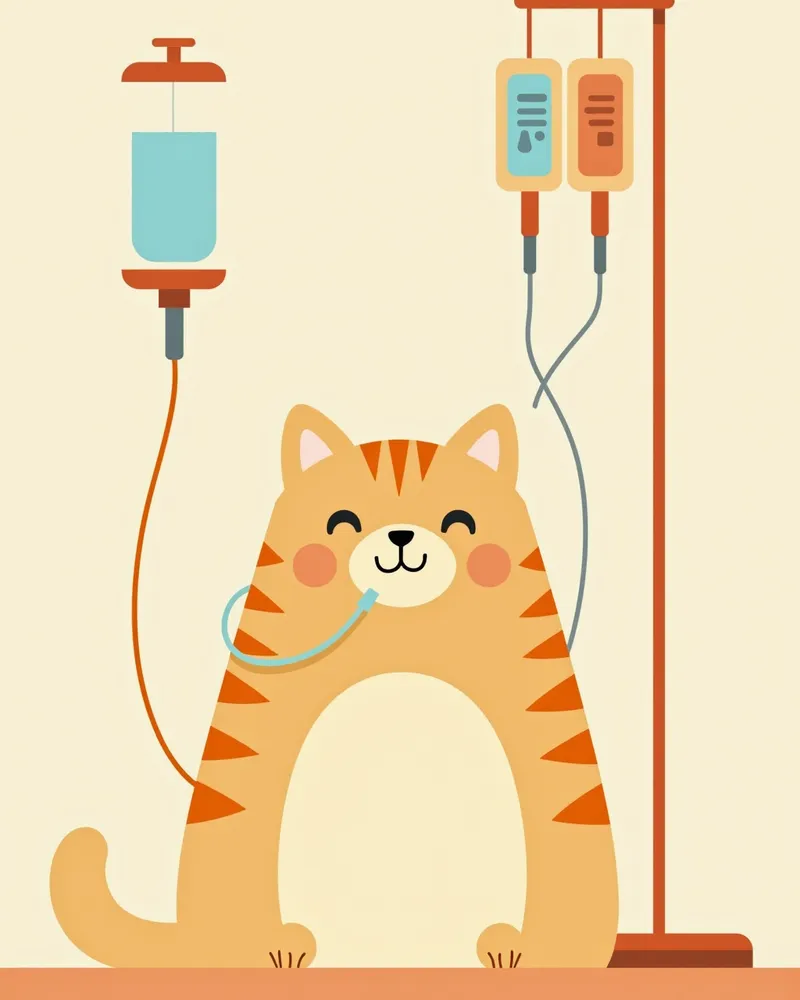
In hypothermia treatment, it is more important to gradually restore body temperature than to rewarm quickly. A rapid rise in temperature can increase metabolic demands, leading to dehydration, hypoxia, and impaired cardiovascular function. Therefore, veterinarians use rewarming methods such as warming blankets or warm-air and warm-water circulation equipment to slowly raise rectal temperature to a maximum of 38.3°C (101°F) over approximately 2–3 hours. At the same time, fluids and electrolytes are replenished via intravenous injection, and oxygen therapy is administered if necessary. During the rewarming process, complications such as afterdrop or rewarming acidosis can occur, so the patient’s condition must be closely monitored.
A veterinarian administering intravenous fluids and oxygen therapy to a cat.

Home Care Centers on Creating a Warm Environment and Regular Monitoring
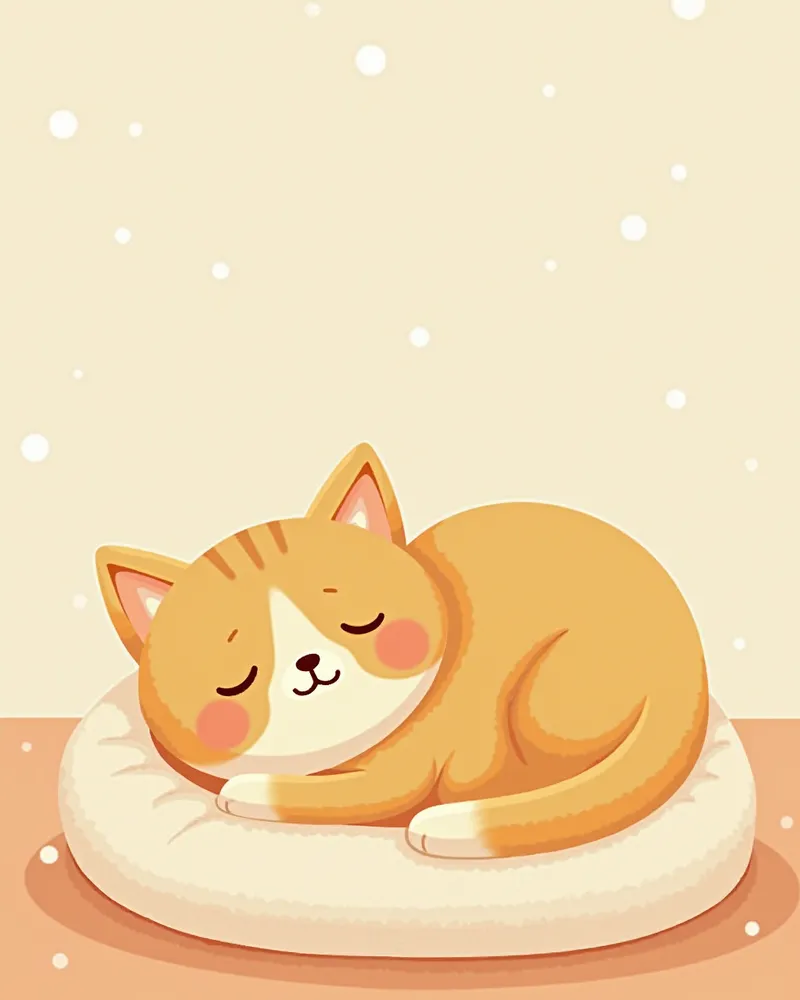
Preventing hypothermia at home centers on maintaining a warm indoor environment and regularly monitoring your cat’s condition. Keep the room temperature between 20–24°C and provide a cat-specific heated bed or warm blankets. - Indoor temperature control: Maintain temperatures above 22°C and avoid exposure to cold drafts. - Provide a warm resting area: Ensure your cat has a cozy, insulated space to rest comfortably. - Regular monitoring: Observe daily activity levels, appetite, and breathing patterns. If you notice any abnormalities, consult a veterinarian promptly. - Environmental checks: Keep your cat away from cold spots near windows or doors. - Proactive approach: Early detection and timely intervention are critical in saving lives.
A cat sleeping comfortably on a warm heated bed

Senior Cats and Short-Haired Breeds Require Special Care

Senior cats and small-breed cats have a reduced ability to regulate their body temperature, putting them at higher risk of hypothermia during winter. Due to their small size, cats are more susceptible to severe hypothermia and frostbite, but they typically reduce prolonged exposure by instinctively seeking warmth. Still, for elderly or weakened cats, it’s important to maintain indoor temperatures at 22°C or above and always provide a warm resting area. Consult with your veterinarian to regularly monitor your cat’s weight, appetite, and activity level, and safely use supplemental heat sources if needed.

Reviewed by a veterinarian

Dr. Tony — Punnawat Phongkittirak

Dr. Tony — Punnawat Phongkittirak

Veterinarian

A veterinarian who majored in veterinary medicine at Khon Kaen University, Thailand, and completed the IVSA program at North Carolina State University in the United States. Drawing on clinical experience at animal hospitals, he works in the pet healthcare field and is dedicated to building a digital care environment that connects pet parents with veterinarians.

Frequently Asked Questions

Is it normal for a cat to shiver in the winter?
Occasional shivering may simply be a response to a cold environment, but if it persists or is accompanied by other symptoms, it could indicate hypothermia. Shivering and piloerection (raised fur) can be signs of a relatively mild stage, so move your pet to a warm environment right away and monitor them closely.
What temperature should I keep the room at?
A room temperature of 20–24°C is ideal for helping cats maintain their body heat, and it is especially recommended to keep the environment at 22°C or higher for senior cats or those sensitive to the cold. Proper indoor temperature control is key to preventing hypothermia.
What should I do at home if I suspect my pet is suffering from hypothermia?
Move your pet to a warm environment immediately and wrap them in a warm blanket. Do not apply hot water or heating devices directly to their body, as rapid rewarming can be dangerous. Transport your pet to a veterinary clinic as soon as possible for professional rewarming treatment.
Is it a problem if my cat gets sleepy in winter?
Drowsiness or changes in consciousness and responsiveness can be signs that hypothermia is progressing. If these symptoms appear alongside decreased activity and reduced responsiveness, immediately measure your pet’s body temperature and consider visiting a veterinary clinic. Early diagnosis is crucial for effective treatment.
Are heated beds safe?
Dedicated heater beds are safe to use, but since cats cannot regulate the temperature themselves, be careful to prevent overheating. It is best to choose a veterinarian-recommended product, and because prolonged exposure to high temperatures can risk skin damage, proper usage is essential.

Share

Related Guides

References

[1] The Cat, Clinical Medicine and Management, 2nd Edition, 2021

[2] Small Animal Anesthesia and Pain Management A Color Handbook, 3rd Edition, 2020

[3] Feline Emergency and Critical Care Medicine, 2nd Ed, 2019

This information is based on veterinary literature and does not replace diagnosis or treatment. Please consult a veterinarian for specific health concerns.

Metapet Co., Ltd. | CEO: Park Sung-yong | Business Reg. No. 417-88-02562 | Seoul, South Korea | Customer Center

Cat Winter Cold Care & Hypothermia Prevention Guide | Meongsiljang