Like
Share
멍실장
고양이 담즙산 검사 증상과 원인, 진단·치료와 관리 포인트 총정리

Complete Guide to Feline Bile Acid Testing: Why It’s Necessary and How to Interpret Results

Liver HealthDiseasesMeongsiljang Veterinary Advisory Board

Feline bile acid testing is a key diagnostic tool for early detection of liver dysfunction. It is an essential, precise diagnostic method that should always be performed when liver disease is suspected.

What Is Feline Bile Acid Testing?
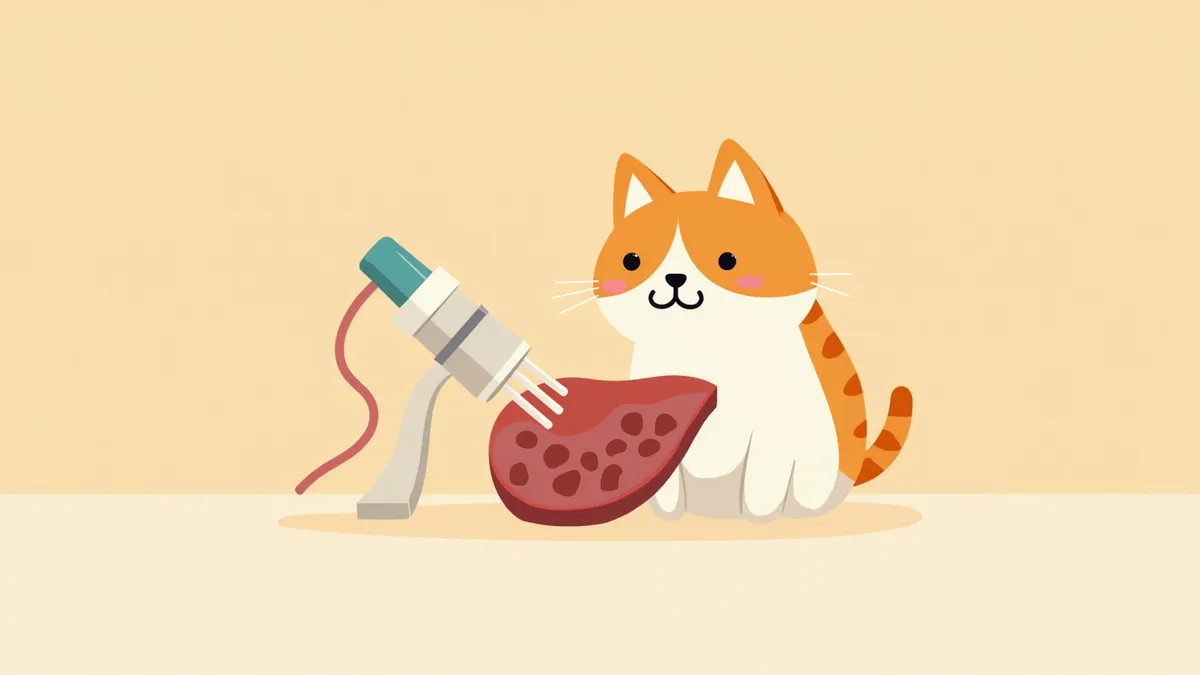
Microscopic image of feline liver tissue, showing both healthy and damaged cells.
Bile acid testing is a key diagnostic tool for assessing liver function in cats. Bile acids are produced by the liver, secreted into the bile, and then reabsorbed in the intestines before returning to the liver via the portal vein—a process known as enterohepatic circulation. When the liver fails to adequately clear these bile acids, their concentration in peripheral blood rises, which may indicate impaired liver function or portosystemic shunts (vascular anomalies that bypass the liver). As a result, bile acid testing serves as a relatively sensitive indicator of the liver’s functional status. However, rather than relying on this single test for a definitive diagnosis, veterinarians use it in conjunction with other diagnostic findings to make a comprehensive assessment. It is regarded as a useful and relatively straightforward diagnostic tool for evaluating feline liver health.

Main Causes of Elevated Bile Acids

Elevated bile acids in cats are primarily linked to liver dysfunction or issues with bile flow. - Hepatocellular injury or dysfunction: Damage to liver cells from toxins, medications, or hepatic lipidosis (fatty liver disease) impairs the liver’s ability to filter bile acids, leading to increased levels in the blood. - Cholestasis (bile duct obstruction): When bile cannot drain properly, bile acid concentrations in the blood rise. - Portosystemic shunts (vascular anomalies): If blood bypasses the liver, bile acids are not adequately removed and accumulate in the peripheral circulation. This is one of the key causes of elevated bile acids in cats. These factors may act alone or in combination. Regular testing aids in early detection.
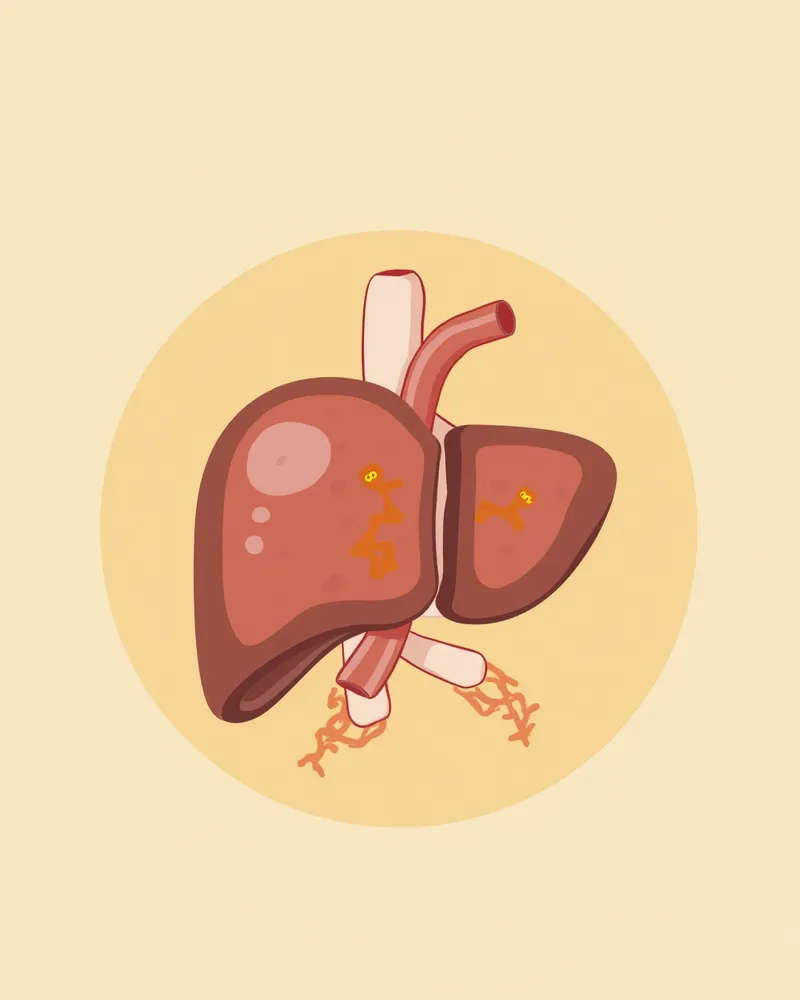
An anatomical diagram of a cat's liver, with the bile ducts and blood vessels highlighted and the obstructed area indicated.

Key Symptom Checklist

When a cat’s bile acid test shows abnormalities, the following key symptoms may also be present. If these signs persist, please consult your veterinarian promptly.
Loss of appetite: Reduced liver function can cause your cat to refuse food or experience a sudden drop in appetite.
Repetitive vomiting: Impaired digestive function often leads to frequent vomiting.
Jaundice: The gums, whites of the eyes, and skin may turn yellow.
Neurological signs: Hepatic encephalopathy can cause lethargy, behavioral changes, drooling, head pressing, and seizures.
Weight loss: Decreased appetite can lead to gradual weight loss.
Abdominal distension: The abdomen may swell due to liver enlargement or the accumulation of fluid (ascites).
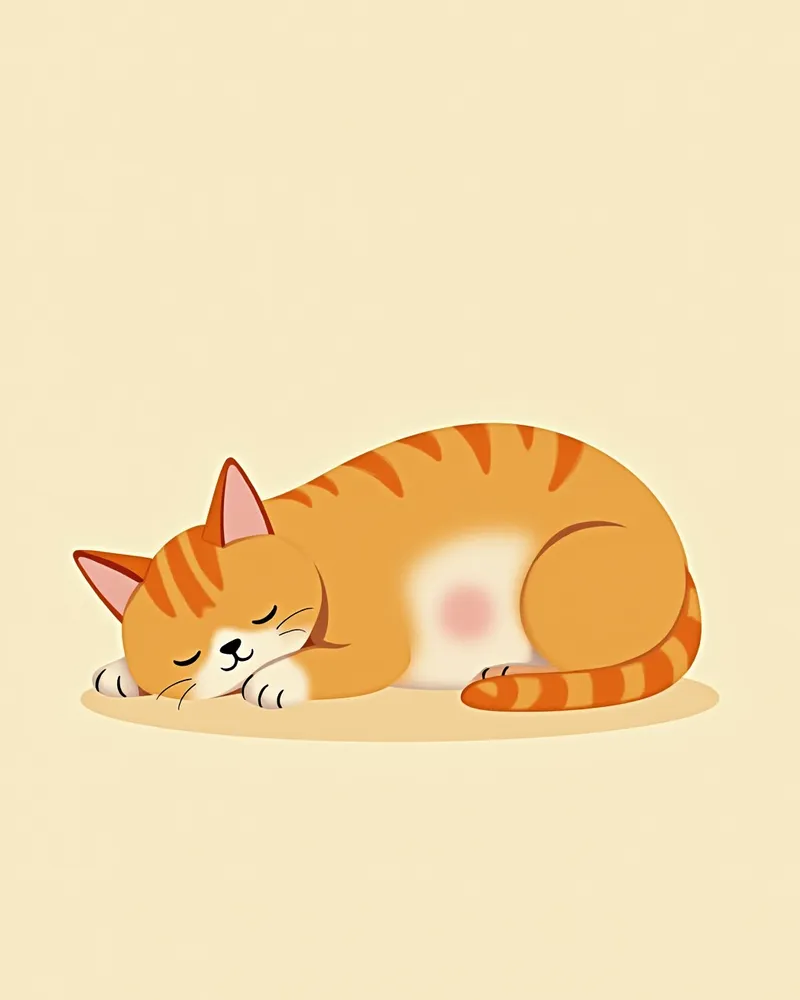
A cat lying on its side with a distended abdomen

Criteria for Immediate Veterinary Visit

If your cat shows jaundice, severe vomiting, lethargy, or abdominal distension, immediate veterinary care is essential. These signs may indicate serious liver damage, so prompt examination and treatment are crucial.

How to Interpret Your Cat's Bile Acid Test Results
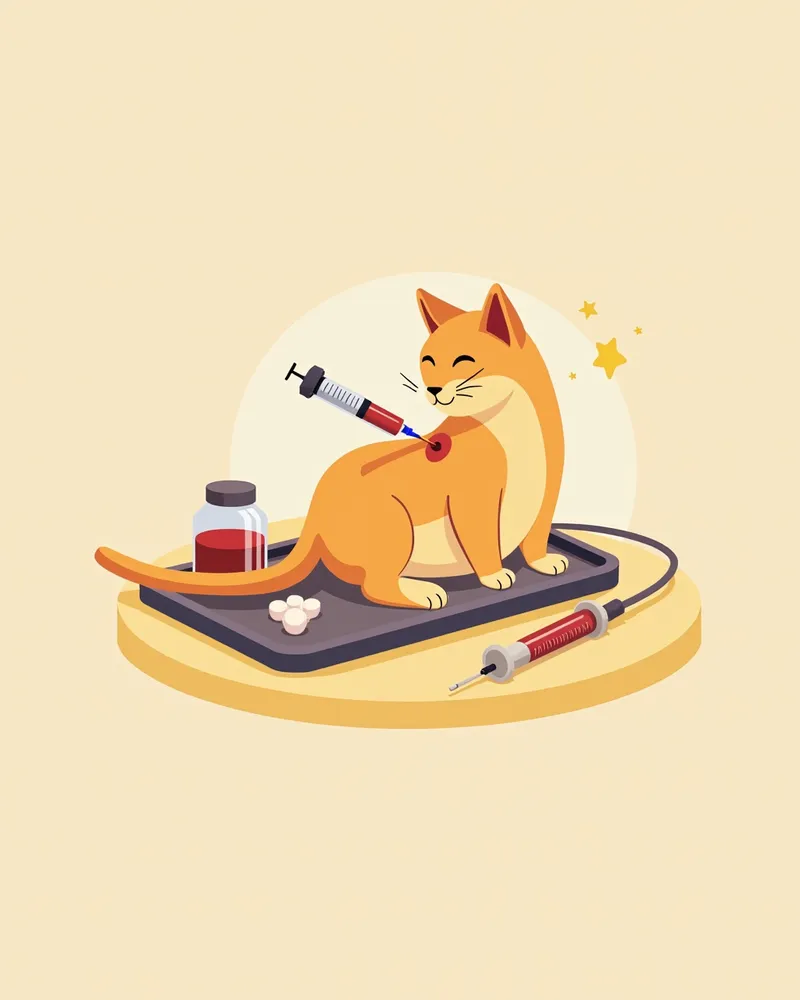
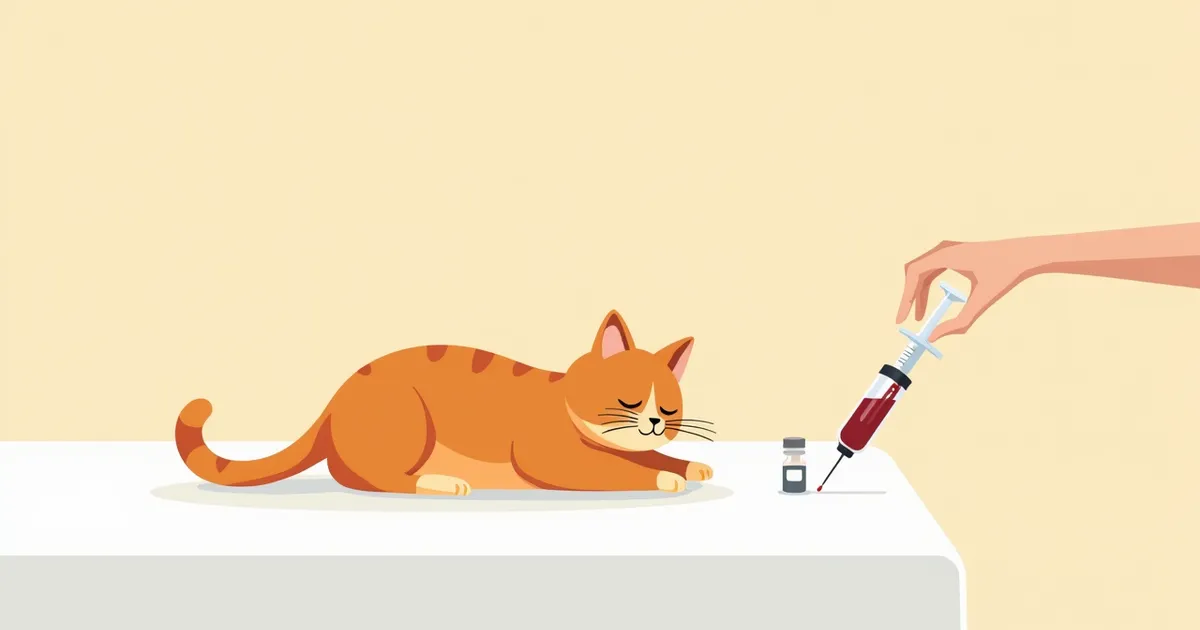
The feline bile acid test is done using a blood sample. Typically, your cat fasts for about 12 hours, then a fasting blood sample is drawn first. A small, measured meal is given, and a second blood sample is drawn 2 hours later, so that a paired "fasting and post-meal" set of samples is measured. Because eating triggers the gallbladder to contract and release bile acids into the intestine, looking at the post-meal sample as well allows a reduced ability of the liver to process bile acids to be detected more effectively than a fasting test alone would reveal. In some cases, an ultrasound exam or a liver biopsy may also be performed to evaluate liver function comprehensively. If bile acid levels are high, additional testing is needed to identify the cause. However, when jaundice (hyperbilirubinemia) is already present, the bile acid test has limited diagnostic value, so it's important to review the pre-test preparation and indications together with your veterinarian.
수의사가 고양이의 정맥에서 혈액을 채취하는 모습

Criteria for Interpreting Feline Bile Acid Test Results

ItemResult ValueNormal RangeSuspected ConditionFurther Action
Fasting bile acids< 2 µmol/LNormal (cat reference)If elevated, suspect liver dysfunctionPostprandial 2-hour test recommended
2 hours postprandial< 10 µmol/LNormal (cat reference)If over 10, possible liver dysfunction or shuntVeterinary consultation essential
Dog vs. cat reference differenceCats are lowerReference differs from dogsCat: fasting <2, postprandial <10 µmol/LEvaluate with species-specific references

A cat's bile acid reference values are lower than a dog's (fasting <10, postprandial <15.5). Results require the veterinarian's comprehensive judgment, and if jaundice is already present the test has limited value, so do not diagnose based on it alone.

Step-by-Step Treatment Guide
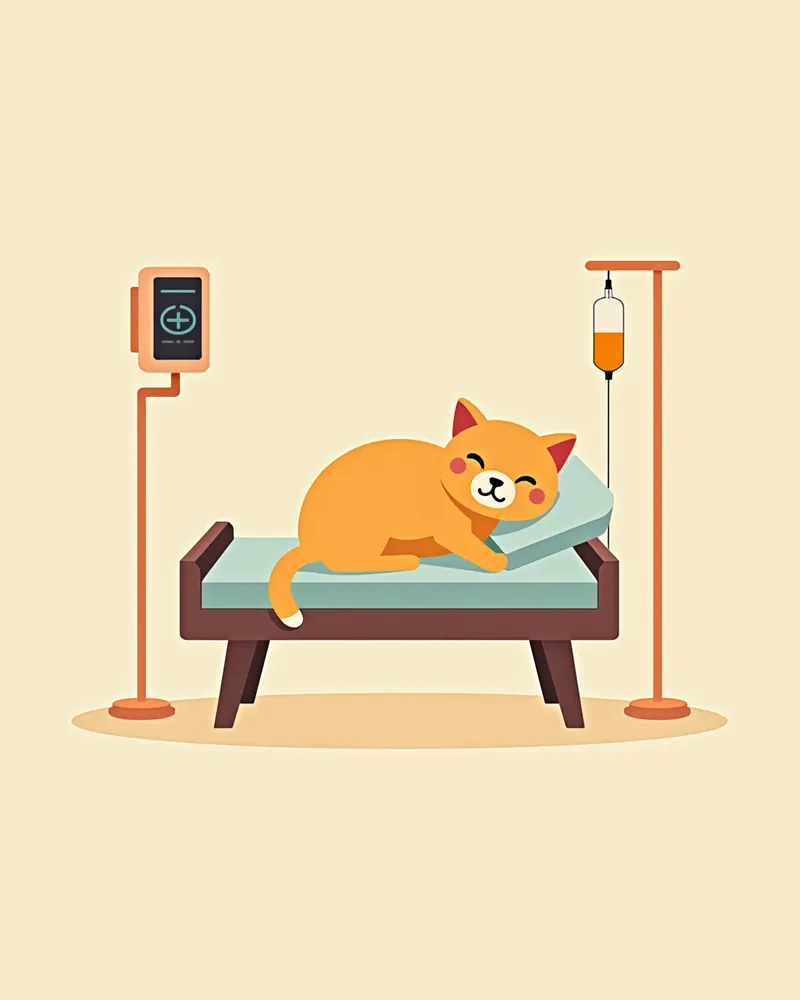
If abnormalities are found in a cat’s bile acid test, it is important to first accurately identify the underlying cause. - Treating the underlying cause: If liver cell damage is caused by medications or toxins, those factors are removed. - Medication: Depending on the cause and condition, hepatoprotective agents may be prescribed. If hepatic encephalopathy is present, lactulose or antibiotics may also be used. - Dietary management: The diet is adjusted according to the cat’s diagnosis and condition. Protein intake may be restricted if hepatic encephalopathy is present. - Fluid therapy and hospitalization: In severe cases, hospitalization may be necessary for fluid therapy and nutritional support. - Regular monitoring: Bile acid levels are continuously monitored during treatment. The treatment plan is flexibly adjusted based on the cat’s condition.
A cat lying on a hospital bed with an IV line connected.

Home Care and Management Points

Even if your cat’s bile acid test shows abnormalities, you can stabilize their condition with consistent care. - Regular meals: Feed your cat 2–3 times daily to reduce gastrointestinal strain and avoid overburdening the liver. - Medication management: Administer medications exactly as prescribed by your veterinarian, adhering strictly to the correct timing and dosage. Consistent administration is key to maximizing treatment efficacy. - Minimize stress: Reduce environmental changes, noise, and external stimuli for your cat, and provide a calm, secure space. - Regular check-ups: Repeat liver function tests every 3–6 months to detect any abnormal signs early. - Ensure adequate water intake: Always provide fresh, clean water and encourage your cat to drink frequently. Proper hydration supports liver recovery.
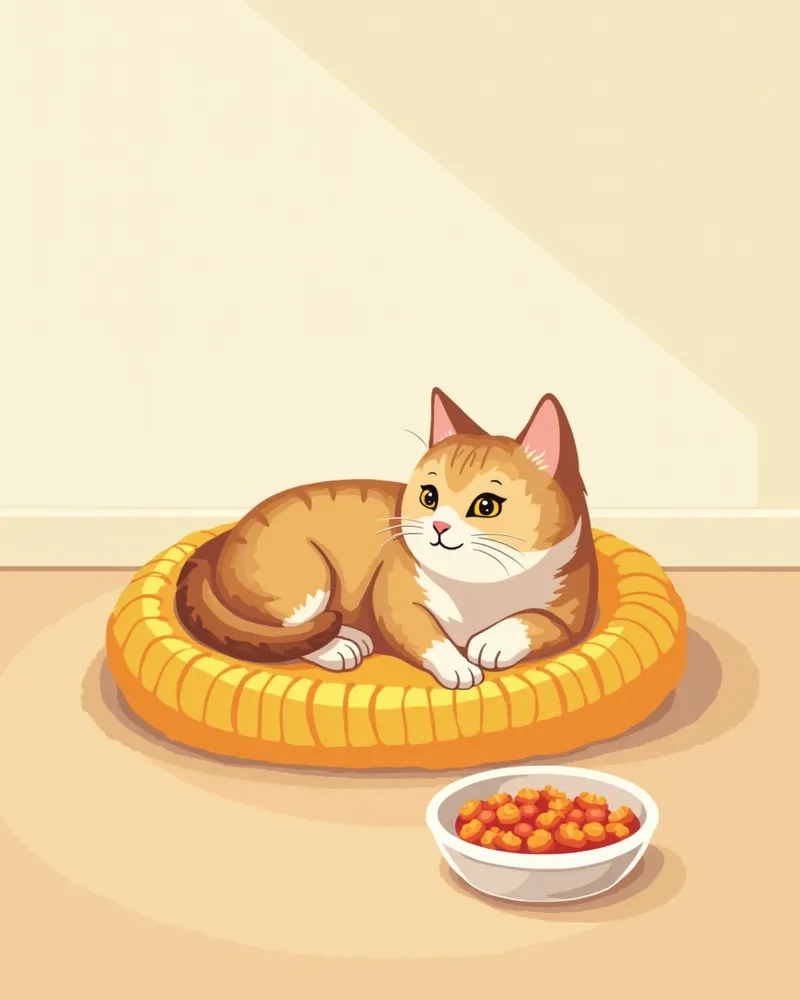
A cat resting comfortably on its bed, with food and water nearby.

Breed-Specific Considerations and Recurrence Prevention

Liver disease can affect any cat, regardless of breed. Therefore, the key to preventing recurrence is maintaining regular check-ups and healthy habits, no matter the breed. Even if there are no obvious symptoms, it’s important to periodically monitor liver function and work with your veterinarian to create a management plan tailored to your cat’s individual condition.

Reviewed by a veterinarian

Dr. Tony — Punnawat Phongkittirak

Dr. Tony — Punnawat Phongkittirak

Veterinarian

A veterinarian who majored in veterinary medicine at Khon Kaen University, Thailand, and completed the IVSA program at North Carolina State University in the United States. Drawing on clinical experience at animal hospitals, he works in the pet healthcare field and is dedicated to building a digital care environment that connects pet parents with veterinarians.

Frequently Asked Questions

When should a bile acids test be performed in cats?
This test is performed when symptoms such as loss of appetite, vomiting, or jaundice persist, when liver enzyme levels remain elevated, or when it is necessary to assess liver function.
Should my pet avoid eating before the test?
Bile acid tests typically involve paired measurements of fasting blood and blood drawn two hours after a meal. Therefore, your pet needs to fast for about 12 hours before the first blood draw, though water is allowed. After administering a small, measured meal, a second blood sample is collected two hours later.
Does a high test result always mean I need to visit the clinic?
Yes, elevated bile acid levels strongly suggest liver dysfunction or a portosystemic shunt. You should consult your veterinarian immediately to determine the underlying cause.
What should I do if my cat is afraid of exams?
Bile acid testing is performed via blood draw, so anesthesia is generally not required. The veterinarian can calmly approach your pet and, if needed, administer mild sedation to ensure the test proceeds safely and comfortably.
Is there anything special I should keep in mind after the examination?
After the examination, encourage your pet to resume normal eating and drinking, and keep their activity level moderate. Please contact us right away if you notice any unusual symptoms.

Share

Related Guides

References

[1] Center SA, Erb HN, Joseph SA. Measurement of serum bile acids concentrations for diagnosis of hepatobiliary disease in cats. J Vet Intern Med. 2006;20(5):1097-1103.

[2] Bayton WA, Westgarth C, Scase T, et al. Histopathological frequency of feline hepatobiliary disease in the UK. J Small Anim Pract. 2018;59(7):404-410.

[3] Feline Emergency and Critical Care Medicine, 2nd Ed. Wiley-Blackwell, 2013. Chapter 7: Hepatic Dysfunction in Cats.

This information is based on veterinary literature and does not replace diagnosis or treatment. Please consult a veterinarian for specific health concerns.

Metapet Co., Ltd. | CEO: Park Sung-yong | Business Reg. No. 417-88-02562 | Seoul, South Korea | Customer Center

Feline Bile Acid Testing: Why It's Needed & How to Read Results | Meongsiljang