Like
Share
멍실장
옴 사람 감염 가능성

Risk of Human Infection from Mange

Skin & CoatDiseasesMeongsiljang Veterinary Advisory Board

Mange in dogs and cats is a zoonotic disease that can be transmitted to humans. Here’s a summary of the infection routes, symptoms, treatment methods, and management practices to prevent transmission to people.

Mange in Dogs and Cats Can Be Transmitted to Humans

A dog scratching its skin due to itching, with a worried owner watching on.
Mange in dogs and cats is a skin disease caused by the Sarcoptes scabiei mite burrowing into the stratum corneum, resulting in intense itching. It is a zoonotic disease that can be transmitted to humans. The key is to prevent transmission within the household. If your pet is scratching excessively and you develop red rashes and itching on your arms or waist, you and your pet should seek immediate veterinary and dermatological care, respectively. Although Sarcoptes scabiei mites do not survive long on human skin, continued contact can lead to repeated reinfection.

Human Infectivity Varies by Mite Species

There are three main types of mites to be aware of regarding pet mange. - Sarcoptes scabiei var. canis: This is the most common mite causing mange in dogs. While cross-infection between animals and humans is possible, the infestation in humans typically resolves on its own once the animal receives proper treatment. - Feline scabies mite: Cats can also become infected with Sarcoptes scabiei. The infestation often starts on the head and ears but can spread to the body and tail over time. - Demodex mites: These mites live within hair follicles and are associated with blackheads and hair loss. Their diagnosis and management differ from those of Sarcoptes mites. If your pet has been diagnosed with mange, it is essential to confirm the specific type of mite involved to accurately assess the risk of transmission to family members.

Checklist of Main Symptoms of Mange Infection

If multiple symptoms appear simultaneously, suspect a mite infestation. - Severe itching: Worsens at night and can lead to self-trauma from excessive scratching. - Scaling and dandruff: Thick, white scales accumulate on the ear tips, elbows, and around the belly. - Red rashes and scabs: Indicative of secondary bacterial infections caused by scratching. - Hair loss: Typically begins on the edges of the ears, abdomen, and elbows. - Skin thickening: In chronic cases, the skin becomes thick, dark, and resembles elephant skin. In humans, a line of red spots appearing on the wrists or waist is also a warning sign.
Scaly skin and hair loss on a dog’s ear tips and elbows

Go to the Vet Within 24 Hours in These Situations

If any of the following apply, your pet needs to see a veterinarian within 24 hours: 1) Your pet is scratching so intensely that it’s bleeding and unable to sleep. 2) The scratched areas are oozing or have a pus-like odor, indicating a secondary bacterial infection. 3) You or other family members have started experiencing itching or developing a rash. 4) You have other pets in the household, raising the risk of group infection. Scabies is highly contagious, and even a one-day delay in treatment can lead to the entire household being affected.

Transmission Routes and Risk to Humans

Mites can be transmitted through both direct and indirect contact. Most often, mites move from an infected pet to human skin through direct contact, such as hugging or petting the animal. However, indirect transmission via contaminated items like bedding or combs has also been reported. Mites can survive off their host for up to three weeks, depending on environmental conditions. Fortunately, these mites typically resolve on their own in humans, so symptoms usually subside once the pet receives proper treatment. That said, if the pet is not treated, reinfection can occur. Therefore, it’s best to treat both the pet and the owner simultaneously, and if itching is severe, consult a dermatologist as well.

Diagnosis and Treatment Are Led by the Veterinarian
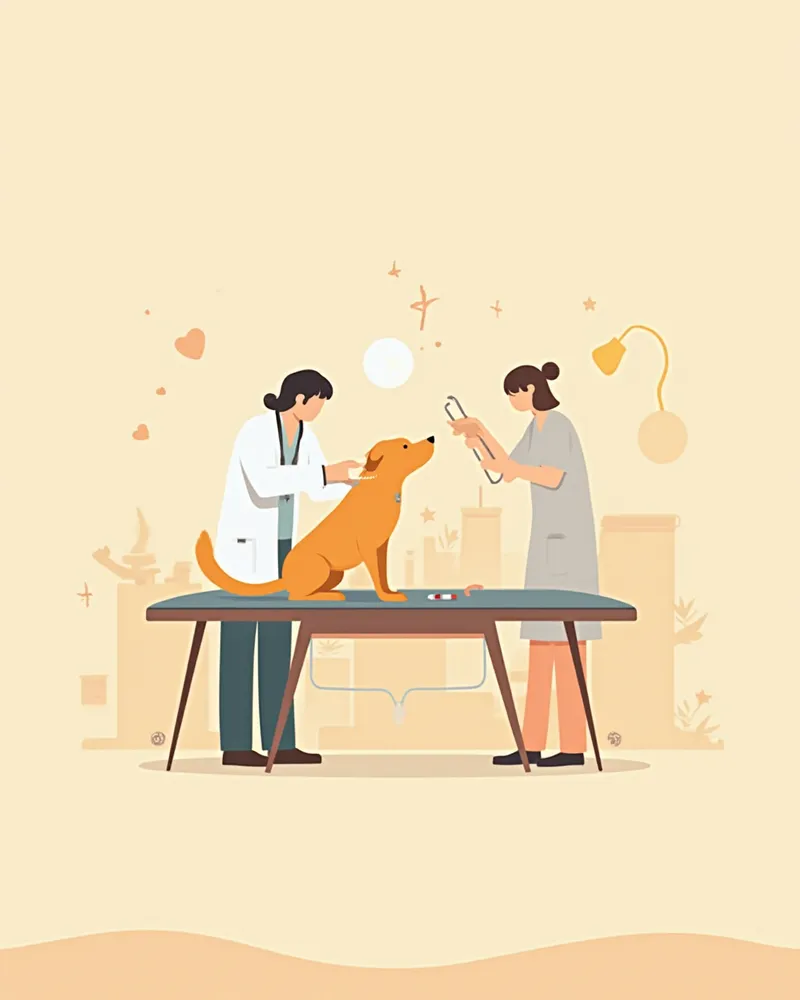
Diagnosis of sarcoptic mange is made by skin scraping, in which the affected skin is scraped and examined under a microscope for mites, eggs, and fecal matter. Because mites may not be detected on the first attempt, veterinarians may also use skin biopsies, fecal tests, or observation of response to treatment when suspicion remains. Treatment involves prescription antiparasitic medications such as selamectin, moxidectin, or isoxazoline-class drugs (sarolaner, fluralaner), which your veterinarian will select based on your pet’s weight and condition. It is common to combine oral isoxazolines with spot-on formulations containing selamectin or moxidectin. If itching is severe, an oral antipruritic may be added, and if a secondary bacterial infection is present, antibiotics and medicated baths are used concurrently. If household members are also experiencing itching, please visit a dermatologist on the same day.
A veterinarian collecting a sample of a puppy's skin for microscopic examination

Essential Home Management

Environmental management is just as important as medical treatment. - Washing bedding and mats: Wash frequently in hot water and dry thoroughly in direct sunlight. Sarcoptic mites can survive in the environment for up to three weeks. - Vacuuming and disinfecting: Thoroughly clean every nook and cranny, including sofas, carpets, and car seats. Also, keep grooming tools like combs and brushes clean. - Treating all pets simultaneously: Even if other pets show no symptoms or test negative on skin scrapings, all animals living in the same household must be treated together according to your veterinarian’s prescription to prevent cross-infection and reinfection. - Limiting contact: Because sarcoptic mange is highly contagious, infected pets should avoid contact with other animals for the first two weeks after starting treatment. Wear gloves and long sleeves when handling them. Confirm complete recovery with a follow-up examination after treatment is finished.
A pet owner’s hands placing their dog’s bedding and cushions into the washing machine.

Basics of Recurrence Prevention and Prophylaxis

Mange can recur if mites remain in the environment even after treatment. Consistently administer a monthly broad-spectrum external parasite preventive that covers mange mites, following consultation with your veterinarian. After visiting animal shelters, dog cafés, or pet hotels, comb your pet and check their skin. Extra caution is needed for pets that frequently interact with outdoor cats. If there are immunocompromised individuals in the household—such as those undergoing cancer treatment, the elderly, or infants—it is safer to keep the infected pet out of the bedroom for a period of time.

Reviewed by a veterinarian

Dr. Tony — Punnawat Phongkittirak

Dr. Tony — Punnawat Phongkittirak

Veterinarian

A veterinarian who majored in veterinary medicine at Khon Kaen University, Thailand, and completed the IVSA program at North Carolina State University in the United States. Drawing on clinical experience at animal hospitals, he works in the pet healthcare field and is dedicated to building a digital care environment that connects pet parents with veterinarians.

Frequently Asked Questions

How long does it take for a person to recover from a dog scabies infection?
Hookworms tend to resolve on their own in humans, so with proper treatment of your pet, human symptoms usually subside gradually. However, if itching is severe, it's best to consult a dermatologist for symptomatic treatment, such as antihistamines or topical medications.
Can pets get ringworm again after recovering from it?
If mites remain in the environment or on other animals living in the same household, reinfection can occur. Thoroughly disinfect bedding and the living area after treatment, and treat all cohabiting pets simultaneously—this is key to preventing reinfection.
Can cat scabies be transmitted to humans?
Cats can also become infected with Sarcoptes scabiei mites, and cross-infection between humans and animals has been reported. However, once the animal is properly treated, the infestation in humans typically resolves on its own, so it’s important to treat your cat promptly.
Can I bathe my child while they are being treated for scabies?
If your vet has prescribed a medicated shampoo, bathing on the recommended schedule is actually beneficial. However, washing too frequently with regular shampoo can weaken the skin barrier and increase the risk of secondary infections, so please be sure to follow your veterinarian’s instructions.
How many months does it take to fully recover from ringworm?
The life cycle of mites typically lasts 14 to 21 days, so treatment isn't a one-time fix—it needs to be repeated over a set period. Continue treatment as directed by your veterinarian until follow-up exams confirm no more mites are present. If there's a severe secondary bacterial infection, it may take even longer.

Share

Related Guides

References

[1] Miller WH, Griffin CE, Campbell KL. Muller and Kirk's Small Animal Dermatology, 7th Edition, Chapter 6 Parasitic Skin Disease

[2] Ettinger SJ, Feldman EC. Textbook of Veterinary Internal Medicine, 8th Edition, Zoonotic Parasitic Diseases

[3] Greene CE. Infectious Diseases of the Dog and Cat, 4th Edition, Sarcoptic Mange Section

This information is based on veterinary literature and does not replace diagnosis or treatment. Please consult a veterinarian for specific health concerns.

Metapet Co., Ltd. | CEO: Park Sung-yong | Business Reg. No. 417-88-02562 | Seoul, South Korea | Customer Center

Dog and Cat Scabies: Zoonotic Transmission Risks and Prevention | Meongsiljang