Like
Share
멍실장
강아지 혀·입술 병변 증상과 원인, 진단·치료와 관리 포인트 총정리

Dog Tongue and Lip Lesions: Symptoms, Causes, Diagnosis, Treatment, and Care Essentials

Oral HealthDiseasesMeongsiljang Veterinary Advisory Board

Lesions on a dog’s tongue or lips can arise from a variety of causes, including inflammation, infection, tumors, and genetic disorders, making early detection and appropriate treatment essential.

What Are Lesions on a Dog’s Tongue or Lips?

Appearance of lesions on a puppy’s tongue and lips
Lesions on a dog’s tongue or lips refer to various abnormalities such as inflammation, wounds, or tumors that develop on the tongue or lips inside the mouth. Early detection is crucial because these lesions can cause pain and make eating difficult. - Inflammatory lesions: Inflammation of the tongue or lips can occur due to bacterial or viral infections, or immune responses. Severe inflammation may lead to ulcers or blood-tinged saliva. - Traumatic lesions: Wounds or ulcers can form from hitting bones or objects, or from the lips or tongue being rubbed against teeth. The inner and outer surfaces of the lips are particularly prone to erosion from the lower canine teeth. - Tumorous lesions: Both malignant and benign tumors can develop, requiring special attention in senior dogs. - Breed predisposition: Certain purebred dogs are reported to have oral inflammatory conditions like chronic ulcerative stomatitis more frequently, although the exact genetic mechanisms remain unknown. Therefore, it is advisable to check the mouths of dogs from these breeds more often. Accurately identifying the cause of the lesion is the first step toward effective treatment.

What Are the Main Causes?

There are many possible causes for lesions on a dog’s tongue or lips, including infections, trauma, immune-mediated diseases, and tumors. Identifying the exact cause is key to effective treatment.
Bacterial Stomatitis: Infections around the teeth and overgrowth of periodontal bacteria can spread to the mucous membranes of the lips and tongue, causing inflammation. Periodontal disease-related oral bacteria are a primary culprit.
Viral Infections: Viral infections can cause nodules or ulcerative lesions on the tongue or lips. Diagnosis involves detecting viral inclusion bodies in tissue samples or through specific tests. Depending on the virus, antiviral medication may not always be necessary.
Immune-Mediated Diseases: Conditions such as chronic ulcerative stomatitis, driven by autoimmune or immune-mediated responses, can cause persistent inflammation on the tongue or lips.
Tumors: Both benign and malignant tumors can develop on the tongue or lips. These are more commonly seen in older dogs, and treatment aims for either a cure or disease control.
Breed Predisposition: While the exact cause remains unclear, chronic stomatitis is reported more frequently in certain purebred dogs. However, belonging to a specific breed does not guarantee that a dog will develop the condition.
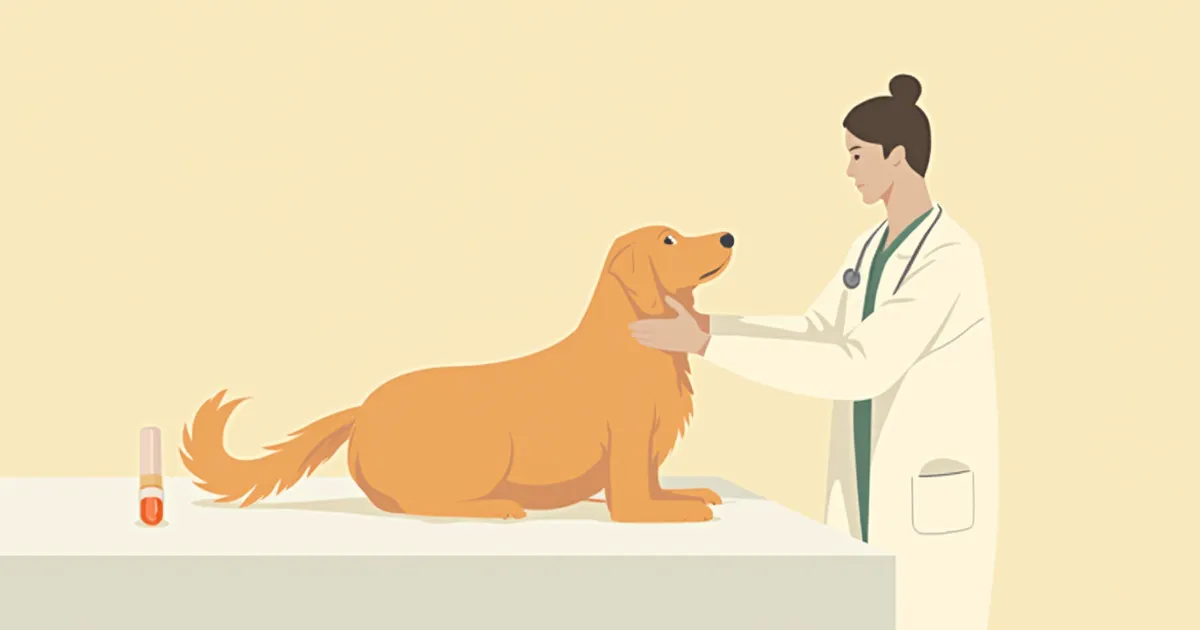
An illustration explaining the main causes of lesions on a dog's tongue and lips.

Main Symptoms and Signs

When your dog develops lesions on the tongue or lips, you may notice the following behavioral changes. It’s important for pet owners to observe these signs closely.
Bad breath: A strong odor may develop, noticeable even when your dog is breathing normally. This could be related to oral inflammation, tissue necrosis, or bleeding.
Food refusal: Your dog may show reluctance to eat, have difficulty swallowing, or take longer than usual to finish meals. These behaviors may indicate pain or discomfort while eating.
Reluctance to open the mouth: Your dog may avoid opening its mouth or chewing. If opening the mouth causes pain, your dog may hesitate to do so.
Peeling lips: The lips may become dry, flaky, or even bleed. This can be a sign of inflammatory or traumatic injury.
White spots or ulcers on the tongue: White patches, ulcers, or bleeding may appear on the tongue. These could indicate inflammation, infection, or tumor-related lesions. If you notice any changes in color or shape, it’s best to have your veterinarian evaluate them.
Increased drooling or licking: Your dog may drool more than usual or frequently lick around the mouth. These behaviors may be a response to pain or oral discomfort.
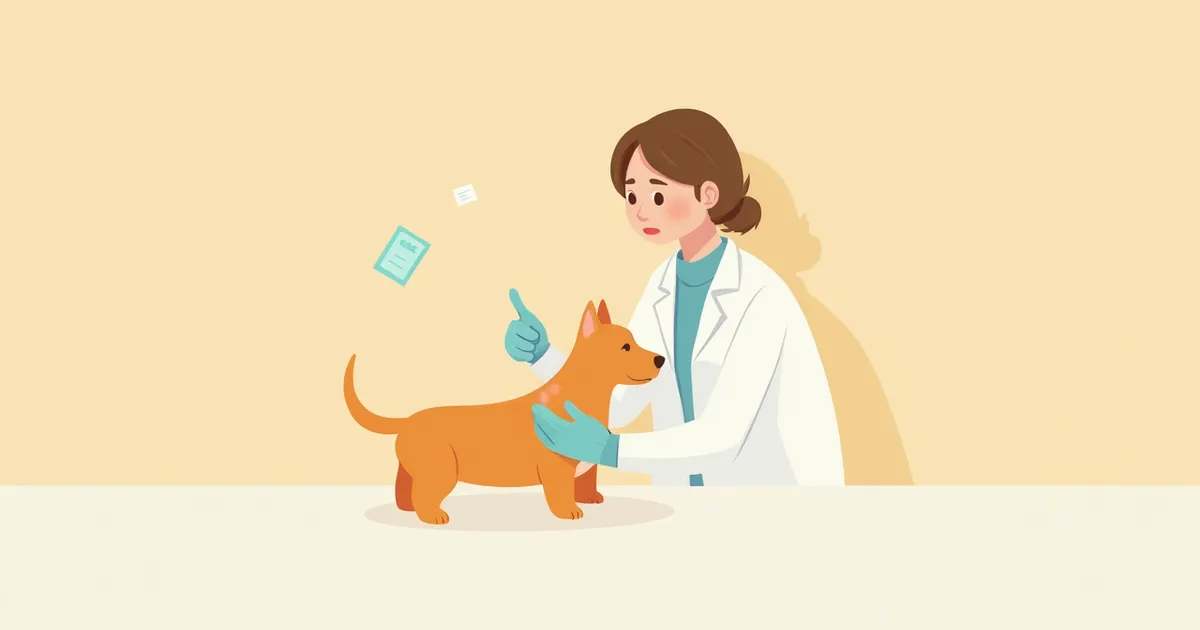
A photo showing the main symptoms of lesions on a dog’s tongue and lips.

When to Visit the Vet Immediately

If your dog shows severe pain, bleeds from the mouth, or refuses to eat, consult a veterinarian immediately. These could be signs of a malignant tumor or a serious infection.

Tests Needed for an Accurate Diagnosis
Diagnosing lesions on a dog’s tongue or lips requires several tests. Identifying the exact cause is the first step toward effective treatment.
Oral Examination: The veterinarian will directly inspect the mouth to assess the characteristics of the lesions. In some cases, a comprehensive examination under anesthesia may be necessary.
Blood Tests: These help evaluate overall health, check for inflammation, and identify any underlying conditions (such as kidney failure or metabolic disorders).
Biopsy: A sample of the lesion tissue is collected for cytological or histological analysis to determine whether it is malignant and to identify the type of lesion.
Imaging Studies: X-rays or CT scans are used to check if the bones or deeper tissues are affected. This is especially important for evaluating tumors or the extent of lesion invasion.
Viral Testing: Tests may be needed to check for infection with the oral papillomavirus.
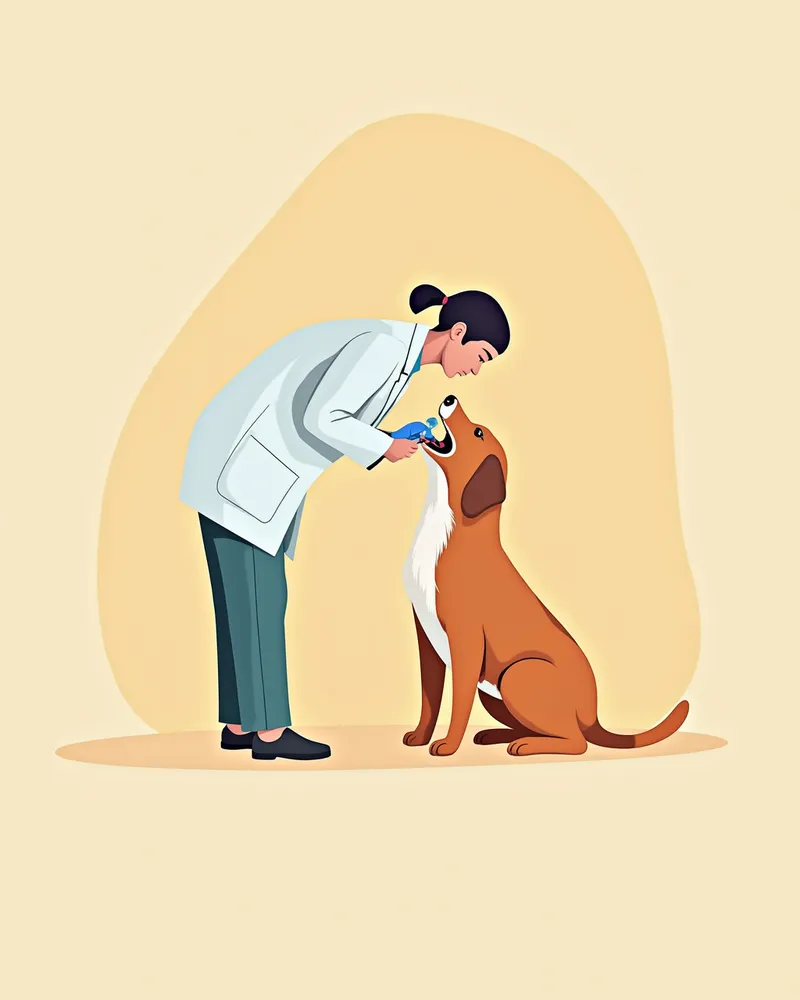
A scene of a veterinarian examining a puppy's mouth.

Treatment Methods and Step-by-Step Approach

Treatment approaches vary depending on the underlying cause of the lesion. Your veterinarian will first determine the nature of the lesion and then proceed with a tailored treatment plan.
Infection treatment: Antibiotics are used for bacterial infections, while antiviral medications are not always necessary for certain viral infections. Alongside addressing the root cause, maintaining oral hygiene is essential.
Treatment of inflammatory and immune-mediated lesions: Prolonged use of steroids or non-steroidal anti-inflammatory drugs (NSAIDs) for immune-mediated lesions can actually worsen long-term prognosis. Therefore, in conditions such as chronic ulcerative stomatitis, thorough plaque control combined with aggressive early interventions like tooth extraction when necessary can lead to better outcomes.
Surgical removal: Tumors, large lesions, or lesions that fail to heal may be surgically removed. Procedures such as tooth extraction or maxillectomy may be considered.
Pain management: Pain medications are prescribed if pain is severe. Proper pain management aids in recovery.
Oral care: Regular tooth brushing and consistent oral hygiene are important. Following the care guidelines provided by your veterinarian ensures safe and effective management.
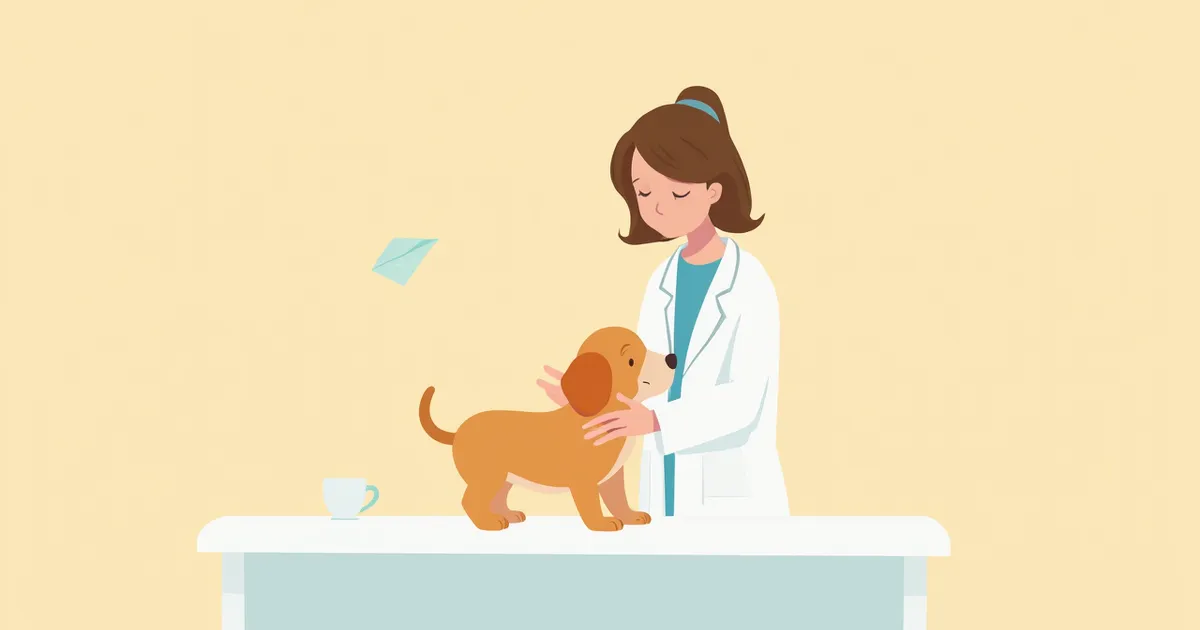
A veterinarian prescribing oral medication for a puppy.

Home Care and Management Points

Even after hospital treatment, home care is crucial to support healing and prevent recurrence.
Provide soft food: Hard kibble can cause pain, so switch to a softer diet. Wet food or canned food that is easy to swallow is recommended.
Maintain oral hygiene: Use an oral rinse or gently wipe the mouth as directed by your veterinarian. However, do not attempt to clean or disinfect the mouth on your own; always seek veterinary approval before doing so.
Control food temperature: Avoid food that is too hot or too cold. Serve it lukewarm to minimize irritation.
Monitor regularly: Check the mouth daily to track changes in the lesions. Keeping a record will help facilitate communication with your veterinarian.
Reduce stress: Avoid environmental changes and excessive stimulation by providing a stable, calm environment, which aids in recovery and consistent care.
A puppy eating soft food and a scene of oral care

Certain Breeds Require Extra Attention

Certain purebred dogs are more frequently reported to suffer from oral inflammatory conditions such as chronic ulcerative stomatitis, although the exact genetic causes remain unknown. Regardless of breed, if you suspect oral lesions, regular dental check-ups and consistent oral care are essential.

Reviewed by a veterinarian

Dr. Tony — Punnawat Phongkittirak

Dr. Tony — Punnawat Phongkittirak

Veterinarian

A veterinarian who majored in veterinary medicine at Khon Kaen University, Thailand, and completed the IVSA program at North Carolina State University in the United States. Drawing on clinical experience at animal hospitals, he works in the pet healthcare field and is dedicated to building a digital care environment that connects pet parents with veterinarians.

Frequently Asked Questions

Are white spots on a dog’s tongue something to worry about?
White spots can be signs of inflammation, infection, or tumors, but they are not necessarily malignant. Because the characteristics of oral lesions result from a complex interplay of various factors, a professional evaluation by a veterinarian is essential.
My pet’s lips are peeling and bleeding. What should I do?
If your pet’s lips are peeling and bleeding, it could indicate trauma, inflammation, or an immune-mediated condition. For safety, please consult a veterinarian for an examination as soon as possible.
My dog won’t open its mouth. What could be the cause?
A dog’s reluctance to open its mouth may be a behavioral change caused by pain, oral lesions, or restricted jaw movement. A thorough oral examination, along with imaging studies if needed, is essential to identify the underlying cause.
Can oral lesions recur even after treatment?
Some immune-mediated diseases and genetic conditions can recur. Regular check-ups and ongoing care remain important even after treatment. However, whether a recurrence occurs depends on the type of condition and the success of the treatment.
How can I care for my pet’s mouth at home?
Offer soft food, use a veterinarian-recommended oral rinse, adjust food temperature, and conduct regular monitoring. It is safest to avoid using sterile saline at home without veterinary guidance.

Share

Related Guides

References

[1] Notes on Canine Internal Medicine, 4th Ed. (2023). Chapter 5: Oral and Maxillofacial Diseases.

[2] Clinical Medicine of the Dog and Cat, 4th Ed. (2022). Section 5.3: Stomatitis and Oral Lesions.

[3] American Veterinary Dental College. (2021). Guidelines for Diagnosis and Management of Canine Oral Diseases.

This information is based on veterinary literature and does not replace diagnosis or treatment. Please consult a veterinarian for specific health concerns.

Metapet Co., Ltd. | CEO: Park Sung-yong | Business Reg. No. 417-88-02562 | Seoul, South Korea | Customer Center

Dog Tongue & Lip Lesions: Causes, Symptoms & Diagnosis | Meongsiljang