Like
Share
멍실장
강아지 발치 후 관리 증상과 원인, 진단·치료와 관리 포인트 총정리

Dog Tooth Extraction Aftercare: Symptoms, Causes, Diagnosis, Treatment, and Care Points Summary

Oral HealthDiseasesMeongsiljang Veterinary Advisory Board

Proper care after your dog’s tooth extraction is key to preventing complications such as pain, bleeding, and infection. With the right post-operative care, you can speed up recovery and reduce the risk of recurrence.

Post-Tooth-Extraction Care for Dogs is Key to Preventing Complications

A puppy recovering after tooth extraction, lying quietly.
Post-tooth-extraction care for dogs is a crucial process for early detection and prevention of complications such as pain, bleeding, and infection. After surgery, it’s important to regularly monitor your dog’s condition and check for signs of pain or changes in the surgical site. Especially within the first 24 hours after the procedure, changes can occur quickly, so close observation by the caregiver is essential.

The Main Causes of Post-Extraction Complications are Infection and Trauma

Complications after a dog’s tooth extraction can commonly occur due to bacterial invasion, trauma during the procedure, or inadequate post-operative care. After surgery, it’s important to regularly monitor the area for signs of inflammation, bleeding, and pain levels, and follow your veterinarian’s instructions for proper care. While swelling is a common occurrence after surgery, early veterinary evaluation is necessary if persistent pain or fever develops.
The appearance of a blood clot forming at the wound site after a dog’s tooth extraction.

Checklist of Major Symptoms That May Occur After Tooth Extraction

After your dog’s tooth extraction, several symptoms may appear. By recognizing these signs promptly, you can take early action. Persistent bleeding: Some bleeding from the surgical site is normal, but it should stop within a few hours. If bleeding continues or restarts, contact your veterinarian. Loss of appetite: If your dog refuses to eat or won’t open its mouth, it may be due to pain or swelling. Worsening bad breath: A stronger odor or a distinct smell of blood could indicate inflammation or infection. Fever: A body temperature that remains higher than normal may suggest an infection. Swelling around the mouth: Swelling of the lips or jaw is common and usually subsides within a few days, but if it persists or worsens, a veterinary visit is necessary. If you notice any of these symptoms, consult your veterinarian immediately. Early detection plays a key role in a smooth recovery.
A puppy with swelling around its mouth after tooth extraction, drooling saliva.

Emergency Signs Requiring Immediate Veterinary Visit

If bleeding persists for more than 24 hours after tooth extraction, or if your pet’s body temperature rises above 39.5°C (103.1°F), a veterinary evaluation may be necessary. These symptoms could indicate infection, recurrent bleeding, or an inflammatory response, so we recommend visiting the clinic immediately. Additionally, failing to follow prescribed medications or fasting instructions after surgery can increase the risk of complications.

Veterinarians Directly Examine the Wound for Accurate Diagnosis
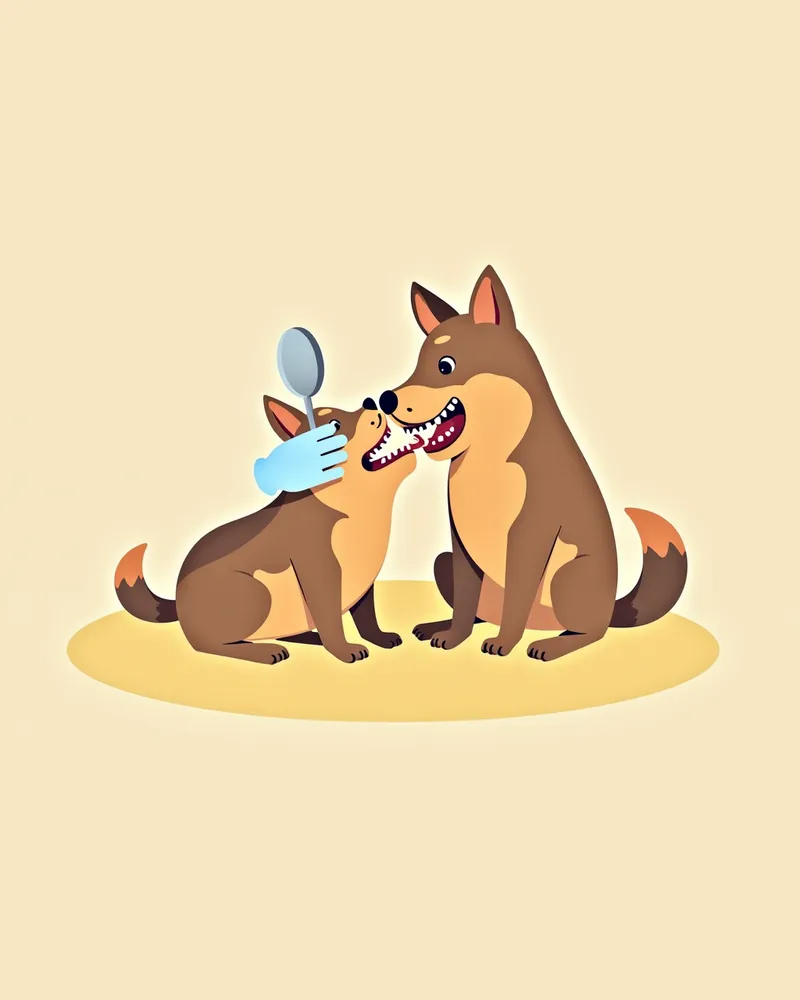
After a dog’s tooth extraction, the veterinarian will directly examine the wound to assess bleeding, signs of infection, and the status of the blood clot. Additional tests, such as blood work or X-rays, may be used to check for deeper tissue damage.
Blood clot check: It’s important to confirm that a proper blood clot has formed. If it hasn’t, there’s a higher risk of rebleeding.
Inflammation assessment: The degree of inflammation is judged based on swelling, redness, and pain response.
X-ray imaging: This may be necessary to check for any remaining tooth fragments or bone debris.
An accurate diagnosis is the first step toward appropriate treatment. It’s important to follow your veterinarian’s instructions for testing.
A veterinarian examining a puppy's mouth.

Stage-by-Stage Care Methods: Key Points for the First Week After Surgery
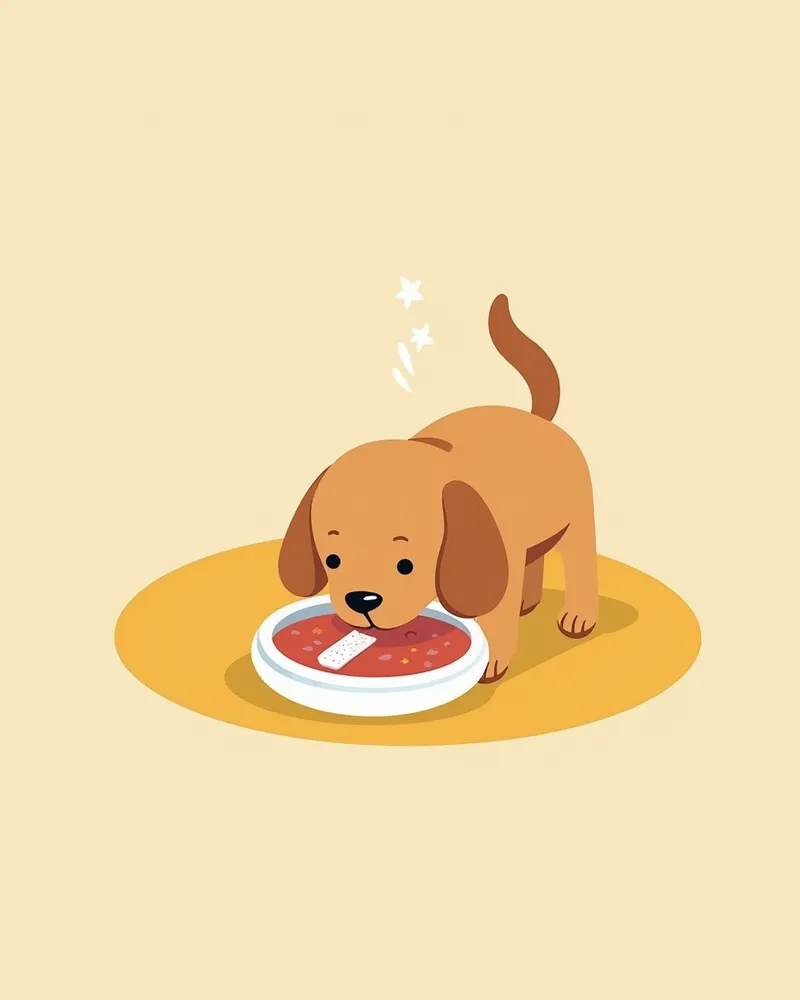
Post-extraction care for dogs is carried out in stages, with each phase requiring specific management. The first week after surgery is the most critical period for recovery. Immediately after surgery (0–2 hours): Withhold food and water, and allow your dog to rest in a quiet environment. 2–24 hours post-surgery: Closely monitor for bleeding and swelling, and ensure pain medication is administered as prescribed. Continue offering soft liquid diets or jelly-style food. Days 1–3 post-surgery: Continue administering pain medication and avoid touching the inside of the mouth. Strictly follow your veterinarian’s instructions for medication. Days 4–7 post-surgery: Gradually transition to solid food and have your veterinarian check the healing progress. Following your veterinarian’s guidance precisely at each stage ensures a stable and smooth recovery.
A puppy eating soft food after a tooth extraction

Home Care Points: Pain Relief and Promoting Recovery

Proper home care after your dog’s tooth extraction is essential for pain relief and promoting recovery. Your attentive care can significantly impact how quickly your dog heals. Administer pain medication: Give the veterinarian-prescribed medication at the exact times indicated. The medication helps alleviate pain and supports the healing process. Provide appropriate food: Offer soft, liquid-based foods or jelly-type pet food. Avoid solid foods for a specified period after surgery. Ensure rest: Restrict physical activity and allow your dog to rest in a quiet, calm environment. Maintain oral hygiene: Starting 24 hours after surgery, gently wipe the mouth area with a soft cloth. Be careful not to rub too hard. Monitor closely: Check for bleeding, signs of pain, or fever at least two to three times a day. Consistent adherence to these care steps is crucial for a stable and smooth recovery.
A puppy resting quietly after tooth extraction

Preventing Recurrence and Breed-Specific Precautions

Postoperative recovery depends more on the extent of the surgery, the patient’s overall health, and the appropriateness of treatment than on breed. There is no evidence that certain breeds have a higher rate of postoperative complications, and all dogs require proper postoperative care. Recovery may take longer when the surgical site is complex or the dog’s general health is poor. Therefore, postoperative care must be carried out thoroughly according to the veterinarian’s instructions.

Reviewed by a veterinarian

Dr. Tony — Punnawat Phongkittirak

Dr. Tony — Punnawat Phongkittirak

Veterinarian

A veterinarian who majored in veterinary medicine at Khon Kaen University, Thailand, and completed the IVSA program at North Carolina State University in the United States. Drawing on clinical experience at animal hospitals, he works in the pet healthcare field and is dedicated to building a digital care environment that connects pet parents with veterinarians.

Frequently Asked Questions

The bleeding hasn’t stopped even after 24 hours since the tooth extraction. Is this normal?
If bleeding persists or starts again, there may be an issue with the surgical site, so please consult your veterinarian immediately. While bleeding typically stops within a few hours, ongoing bleeding requires prompt evaluation.
Can I skip giving pain medication after a tooth extraction?
Pain medication should be given exactly as prescribed by your veterinarian. If pain persists, it can delay recovery and increase discomfort. Make sure to administer the medication on schedule and never miss a dose.
When can I start feeding my pet after a tooth extraction?
Withhold food and water for two hours after surgery, then offer a soft liquid diet or jelly-style food. Gradually transition back to solid food as tolerated, following your veterinarian’s instructions.
Can I wipe my pet’s mouth after a tooth extraction?
Please avoid cleaning your pet’s mouth for the first 24 hours after surgery. After that, gently wipe the area with a soft cloth, being careful not to scrub too hard.
My pet’s temperature rose above 39°C after the tooth extraction. Is this dangerous?
A body temperature of 39.5°C or higher strongly suggests an infection or inflammation. Please consult your veterinarian immediately. This is especially important if the fever is accompanied by signs of pain or refusal to eat.

Share

Related Guides

References

[1] The Dog Care Handbook, Things I Wish My Vet Had Told Me, 2024

[2] BSAVA Manual of Canine and Feline Dermatology, 4th Edition, 2023

[3] Plumb's Veterinary Drug Handbook, 9th Edition, 2022

This information is based on veterinary literature and does not replace diagnosis or treatment. Please consult a veterinarian for specific health concerns.

Metapet Co., Ltd. | CEO: Park Sung-yong | Business Reg. No. 417-88-02562 | Seoul, South Korea | Customer Center

Dog Tooth Extraction Aftercare: Symptoms & Recovery Tips | Meongsiljang