Like
Share
멍실장
고양이 이갈기(이악물기) 증상과 원인, 진단·치료와 관리 포인트 총정리

If Your Cat Keeps Grinding Its Teeth — Causes of Bruxism and When to Visit the Vet

Oral HealthDiseasesMeongsiljang Veterinary Advisory Board

Feline bruxism, or teeth grinding, is a behavior where the teeth rub together rapidly, producing an audible sound. It can be caused by pain, stress, or neurological disorders. Early detection and accurate diagnosis are key to effective treatment.

What Is Feline Bruxism (Teeth Grinding)?
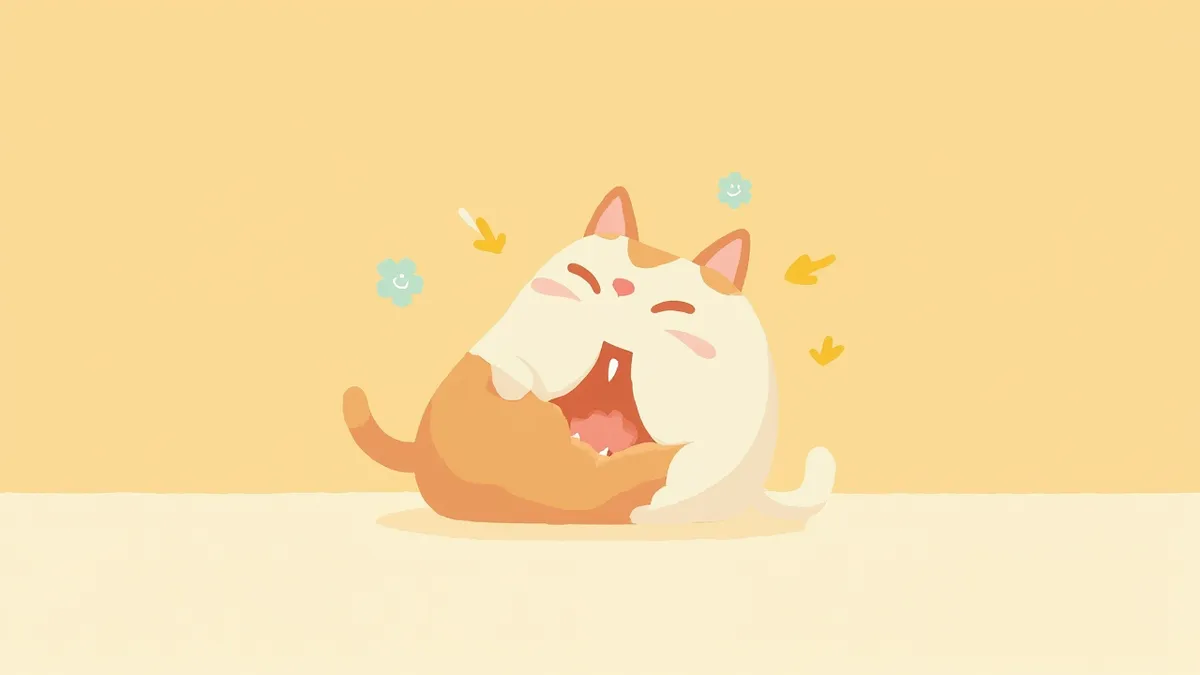
A realistic image of a cat grinding its teeth
Teeth grinding in cats is a behavior where the teeth are clenched together or rubbed against each other. It’s not just a simple habit—it can be a sign of pain or discomfort in the mouth. - Symptoms of teeth grinding: This involves the teeth touching or rubbing together, often accompanied by audible sounds. It may also occur alongside signs of oral disease, such as decreased appetite or chewing on only one side. - Various causes: Pain, stress, neurological issues, and dental or gum diseases can all contribute to this behavior. It’s especially common when there’s pain inside the mouth. - Importance of diagnosis: Since teeth grinding can indicate an oral health issue, a veterinary oral examination is essential. - Prerequisite for treatment: Effective treatment is difficult without first identifying the exact cause. - Key management points: Adjusting the environment, managing pain, and providing emotional stability are crucial.

Main Causes of Bruxism

There are many possible causes of teeth grinding in cats. Pain, stress, neurological issues, and dental or gum diseases are among them, and this behavior often appears when there is pain inside the mouth. A veterinarian needs to identify the exact cause.
Dental and gum problems: Pain from cavities (tooth decay), gingivitis, or tooth resorption lesions can be the cause.
Neurological issues: Neurological abnormalities, such as intracranial diseases, may be involved, so a neurological evaluation, including cranial nerve examinations, may be necessary.
Stress response: This can occur due to environmental changes, conflicts with other animals, or isolation.
Oral pain-related conditions: Conditions that cause pain inside the mouth, such as stomatitis, periodontal disease, or oral ulcers, may be related.
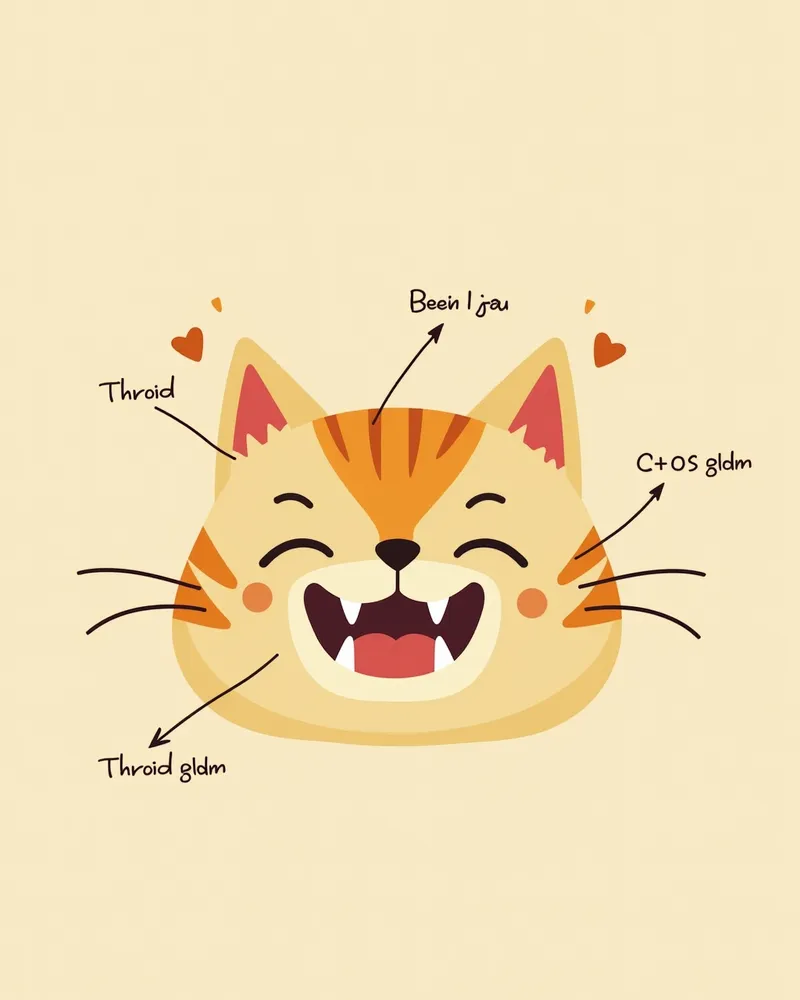
An anatomical illustration explaining the causes of teeth grinding in cats.

Key Symptoms and Signs

Bruxism in cats isn’t just about the sound; it often comes with several accompanying signs, making early detection and treatment essential.
Grinding noises: You may hear your cat’s teeth clenching or rubbing together, especially during quiet hours.
Abnormalities around the mouth and jaw: If there’s an issue with the temporomandibular joint, your cat might struggle to open or close its mouth.
Food refusal: Dental pain can cause your cat to refuse food, chew on only one side, or drop kibble while eating.
Changes in breath odor: Severe bad breath may indicate dental disease, gum problems, or infection.
Behavioral changes: Your cat may show signs of anxiety, increased aggression, hiding, or lethargy.
A cat showing tension around its mouth due to bruxism (teeth grinding).

When Immediate Veterinary Visit Is Necessary

If your cat is grinding its teeth and also showing signs of refusing food, lethargy, severe bad breath, or a stiff jaw, you should visit a vet immediately. These could be signs of a serious dental issue or a neurological condition.

Diagnostic Methods
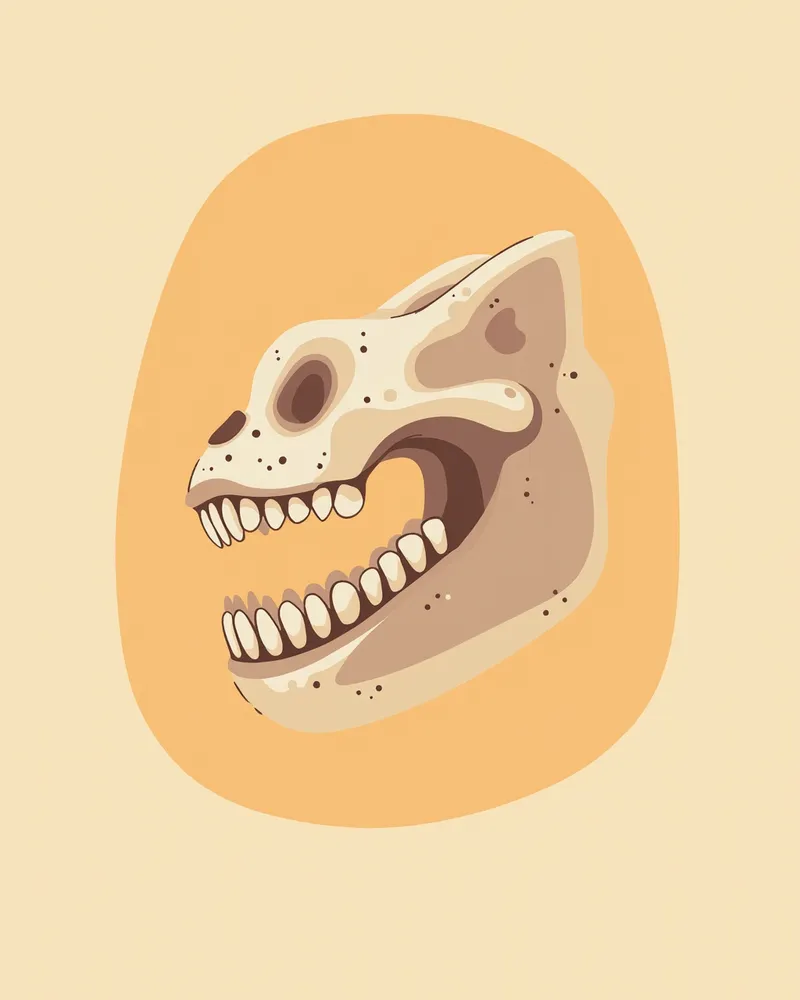
Diagnosing bruxism in cats involves several tests, as identifying the exact cause is the first step toward effective treatment.
Oral examination: We check the condition of the teeth, gum inflammation, cavities, and resorptive lesions. Sedation or anesthesia may be required for a thorough evaluation.
Blood tests: A complete blood count, blood chemistry, and urinalysis help screen for underlying diseases and assess overall health.
Imaging: X-rays or CT scans are used to examine the tooth roots, jawbones, and temporomandibular joints for any damage.
Neurological assessment: If an intracranial condition is suspected, cranial nerve examinations are necessary.
X-ray image of a cat's jaw

Treatment Methods and Step-by-Step Management

Treatment for feline bruxism varies depending on the underlying cause, so a step-by-step approach is essential.
Pain relief: If the bruxism is caused by dental issues or inflammation, your veterinarian will prescribe pain management medications, such as analgesics.
Addressing the root cause: This may involve dental treatments (such as scaling or extractions), managing underlying medical conditions, and improving the environment to reduce stress.
Multimodal pain management: This includes providing emotional stability, reducing stress, and offering attentive nursing care.
Adjunctive therapies: Integrative treatments such as physical therapy, acupuncture, and photobiomodulation may be used in conjunction with conventional care. If the problem persists, a referral to a pain specialist may be necessary.
A veterinarian examining a cat's jaw.

Home Care Points

Managing your cat’s teeth grinding requires adjusting their home environment and daily habits, and it calls for consistent, ongoing care. Maintain a stable environment: Frequent changes can trigger stress, so keep a consistent routine. Offer appropriate food: Soft kibble or jelly-style food can reduce strain on the mouth. Practice regular oral care: Use toothbrushing or pet-safe toothpaste to maintain dental health. Utilize stress-relief tools: Provide a comfortable space, consider aromatherapy, and ensure dedicated playtime. Keep a behavior log: Recording when, how often, and under what circumstances the teeth grinding occurs will help during consultations with your veterinarian.
A cat resting comfortably in a peaceful environment.

Breed-Specific Precautions and Recurrence Prevention

Signs such as teeth grinding are prone to recurrence, so consistent care is essential. Combining regular at-home oral hygiene, like brushing your pet’s teeth, with routine veterinary check-ups can help prevent or improve dental and gum issues such as gingivitis.

Reviewed by a veterinarian

Dr. Tony — Punnawat Phongkittirak

Dr. Tony — Punnawat Phongkittirak

Veterinarian

A veterinarian who majored in veterinary medicine at Khon Kaen University, Thailand, and completed the IVSA program at North Carolina State University in the United States. Drawing on clinical experience at animal hospitals, he works in the pet healthcare field and is dedicated to building a digital care environment that connects pet parents with veterinarians.

Frequently Asked Questions

Is teeth grinding a common symptom in cats?
The exact frequency of teeth grinding is not clearly known, but oral diseases are common in cats. Since related behaviors can appear when there is pain or stress, it is important to be vigilant.
Can teeth grinding damage your pet's teeth?
When the surface of the teeth becomes rough, worn, or cracked, plaque can accumulate more easily, potentially leading to periodontal disease. It's a good idea to have the condition checked through an oral examination.
How long does it take to treat bruxism?
It depends on the underlying cause. Pain management can usually be started relatively quickly, but addressing the root cause and maintaining oral health may take longer.
What can I do at home to prevent my pet from grinding its teeth?
Creating a stress-reducing environment, regular oral care such as brushing teeth, and maintaining a stable routine can be helpful. However, identifying the underlying cause requires a veterinarian.
How can you tell the difference between bruxism (teeth grinding) and dental problems?
Dental and gum issues can cause pain, bad breath, refusal to eat, and chewing on one side, and can be confirmed through an oral examination. A veterinarian’s evaluation is necessary for an accurate diagnosis.

Share

Related Guides

References

[1] AAFP (2024) '2024 AAFP indoor/outdoor lifestyle position statement'. Journal of Feline Medicine and Surgery, 26(2). doi:10.1177/1098612x241227827.

[2] Buffington, C.A.T. (2023) Feline medicine pandora syndrome in cats: Diagnosis and treatment. Today’s Veterinary Practice. Available at: https://todaysveterinarypractice.com/urology-renal-medicine/pandora-syndrome-in-cats/

[3] The Cat, Clinical Medicine and Management, 2nd Edition. Elsevier, 2023. Chapter 8: Oral and Dental Diseases.

This information is based on veterinary literature and does not replace diagnosis or treatment. Please consult a veterinarian for specific health concerns.

Metapet Co., Ltd. | CEO: Park Sung-yong | Business Reg. No. 417-88-02562 | Seoul, South Korea | Customer Center

Why Is Your Cat Grinding Its Teeth? Causes and When to See a Vet | Meongsiljang