Like
Share
멍실장
강아지 발치 적응증과 방법 증상과 원인, 진단·치료와 관리 포인트 총정리

Dog Tooth Extraction: Indications, Methods, Symptoms, Causes, Diagnosis, Treatment, and Care Essentials

Oral HealthDiseasesMeongsiljang Veterinary Advisory Board

Dog tooth extraction is a necessary procedure when dental issues such as tooth damage, periodontal disease, or cavities become severe. Accurate diagnosis and proper care are essential.

Dog Tooth Extraction Indications and Methods Are Essential Surgeries for Maintaining Dental Health
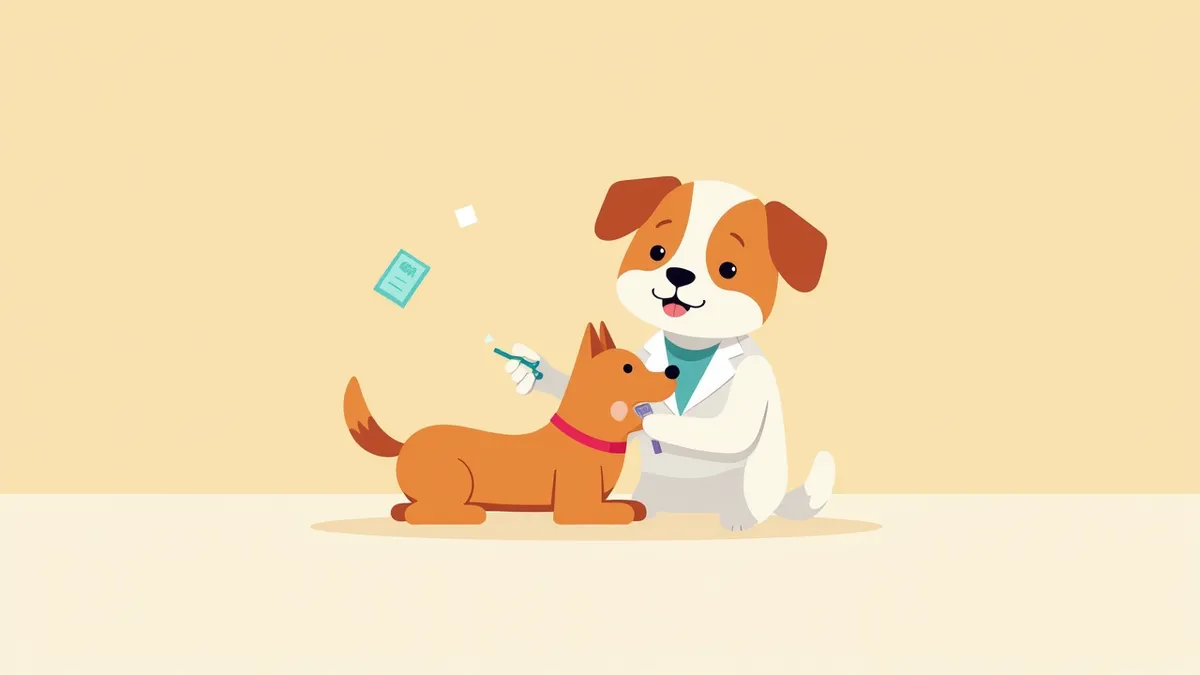
A veterinarian examining a puppy's mouth
Dog tooth extraction is a surgical treatment considered when conditions such as tooth damage, severe periodontal disease, dental caries, or dental malformations progress. - Tooth Damage: If a tooth is fractured or lost due to trauma, it can cause pain and difficulty eating, so early extraction should be considered. It is particularly difficult to retain the tooth if root damage is suspected. - Severe Periodontal Disease: When the gums are swollen and the bone is deteriorating, retaining the tooth becomes difficult, making extraction necessary. The extent of damage to the root and surrounding bone must be precisely evaluated using X-rays. - Progression of Dental Caries: If the infection spreads to the root, conservative treatment becomes difficult, and extraction may be required. X-rays are needed to examine the tooth root structure and the extent of the infection. - Dental Malformations and Crowding: If teeth are overlapping, making cleaning difficult, plaque can accumulate, increasing the risk of infection, so extraction should be considered. This decision depends on the condition of the surrounding bone and gums and requires professional diagnosis. Early diagnosis and appropriate treatment greatly aid recovery.

The Main Reasons for Extraction Are Tooth Damage and Infection
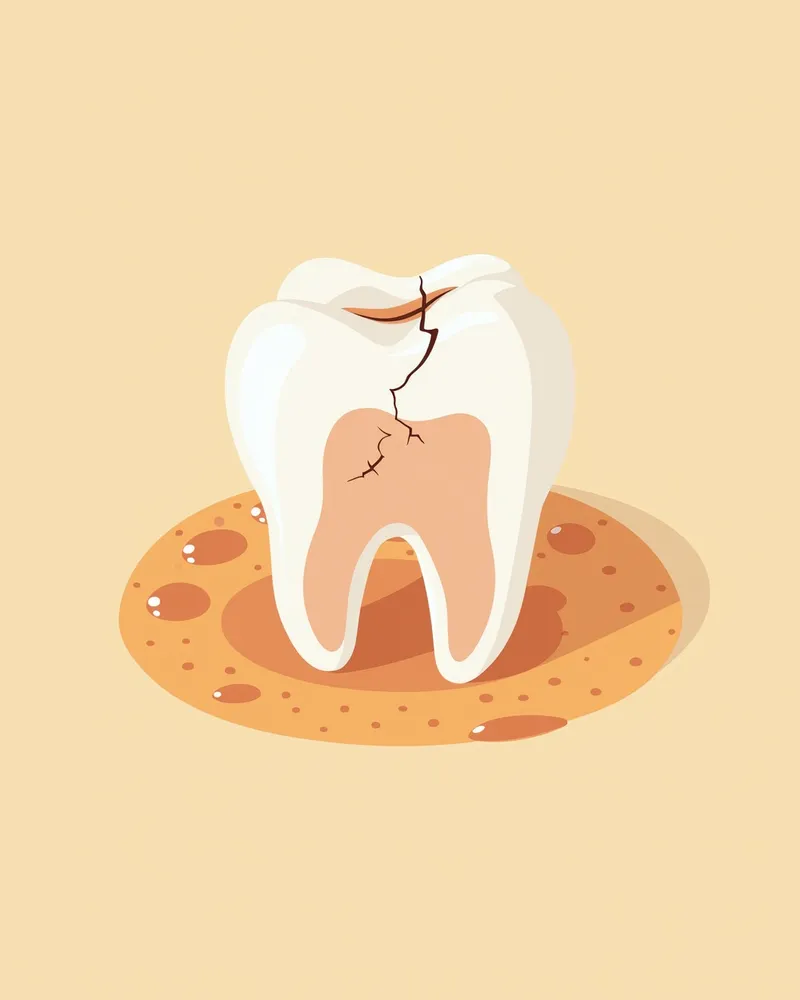
The main reasons for extracting a dog’s teeth include periodontal disease, root infections, tooth damage from trauma, and dental abnormalities. - Periodontal disease: When the gums are inflamed and the underlying bone is deteriorating, it becomes impossible to keep the tooth. An X-ray is necessary to assess the extent of bone loss and determine whether extraction is required. - Root infections and inflammation: If there is damage to the root or inflammation inside the root (endodontic disease), extraction may be necessary due to severe pain or recurring issues. - Dental trauma: Falling during walks or hitting objects can cause root damage, leading to pain and infection. Once root damage is confirmed, saving the tooth may not be feasible. - Dental abnormalities: If teeth grow abnormally or are crowded, making them difficult to clean, extraction should be considered. The position and condition of the roots must always be evaluated via X-ray. All of these factors pose serious threats to dental health, so early professional diagnosis and treatment are essential.
A close-up photo of a puppy’s cracked tooth and swollen gums.

Main Symptoms Requiring Extraction Include Pain, Bad Breath, and Food Refusal

Common signs of dental issues in dogs include struggling to open their mouth, twisting the jaw or quickly pulling away while eating. - Bad breath: A foul odor may develop due to gum infections or tooth decay. - Swollen and bleeding gums: The gums often appear red, swollen, and may bleed. - Loose or missing teeth: If you notice loose teeth or empty spaces where teeth have fallen out, a vet visit is necessary immediately. - Loss of appetite and lethargy: Severe pain can cause dogs to refuse walks and show a sudden drop in activity levels. If these symptoms persist, it's best to consult with a veterinarian early on.
A dog showing signs of discomfort while eating

Emergency Situations Requiring Immediate Veterinary Visit

If your dog shows severe pain when opening its mouth, refuses to eat entirely, or has no appetite for more than 24 hours, you should visit the vet immediately. If teeth have fallen out exposing bone, or if there is continuous bleeding from the gums, the risk of infection increases significantly. This can be life-threatening, so prompt action is essential.

Veterinarians Take Dental X-rays for Accurate Diagnosis
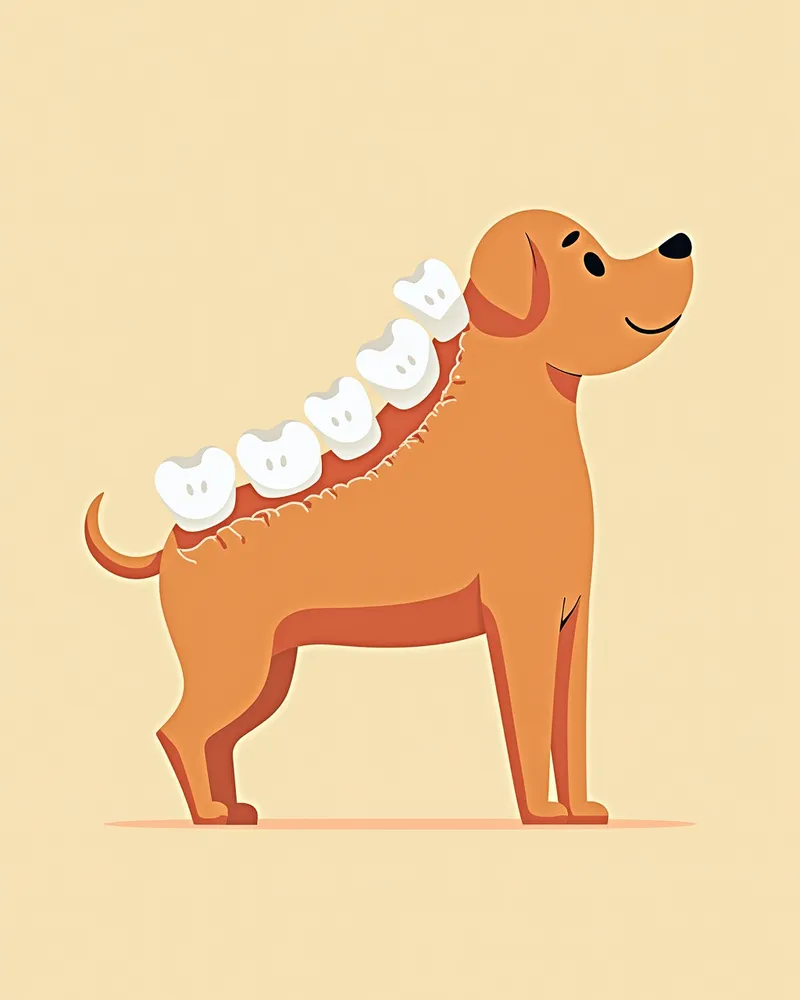
Before extracting your dog’s teeth, a dental X-ray is essential to accurately assess the condition of the teeth. - Importance of X-rays: Visual examination alone while the dog is conscious cannot reveal root damage or bone erosion. X-rays must be taken in conjunction with the visual exam. - Assessing root condition: X-rays allow for precise evaluation of root length, the extent of damage, and the scope of infection. They are particularly important for assessing root infections or trauma. - Evaluating surrounding bone: The degree of bone resorption is assessed to determine the surgical scope. The extent of bone damage is critical in deciding the treatment strategy. - Surgical planning: X-rays taken before and after extraction provide key information for surgical planning and preventing complications. If the root structure is abnormal or fused to the bone, the surgical approach may need to be adjusted. Accurate diagnosis ensures a safe and effective procedure.
Dental X-ray of a dog's jaw, showing root damage and bone loss

Extraction Surgery Is Performed Under Anesthesia, and Post-operative Care Is Important

Dog tooth extractions are performed safely under general anesthesia. - Anesthetic safety: Your veterinarian will carefully adjust the anesthetic to your dog’s condition, ensuring a pain-free procedure. Pre-anesthetic health checks are essential. - Post-operative pain management: Administer prescribed pain relievers as directed. If pain persists after surgery, schedule a follow-up exam immediately. - Dietary adjustments: For the first 24 hours after surgery, offer soft food and ensure adequate hydration. Offer water in small amounts, but do not restrict it. - Activity restriction: Temporarily limit walks and keep the surgical site clean. Rest is crucial for recovery. - What to monitor: Contact your clinic immediately if you notice swelling, bleeding, a strong odor, or loss of appetite. Proper care speeds up recovery.
A puppy recovering after surgery rests at the hospital.

Home Care Focuses on Pain Management and Hygiene Maintenance

After your dog’s tooth extraction, proper care focuses on pain relief, infection prevention, and dietary management. - Medication: Administer any prescribed medications exactly as directed by your veterinarian. Pain relief is essential for a smooth recovery. - Oral Care: Once the surgical site has healed sufficiently, gently clean the area with a soft brush. Avoid excessive irritation. Establishing a long-term brushing routine will greatly support ongoing oral health. - Diet: Offer soft foods and provide water in small amounts. Chilled broths or jelly-based diets are recommended. - Monitoring for Swelling: Contact your clinic immediately if you notice swelling or an unusual odor at the surgical site. - Activity Restriction: Temporarily limit walks and ensure your dog rests in a quiet environment. Consistent care is key to preventing recurrence.
A hand gently wiping a dog's mouth with a soft cloth

Prevention of Recurrence and Breed-specific Precautions Are Necessary

Small-breed dogs are at higher risk for periodontal disease because their teeth are crowded together. Regular dental care remains essential even after extractions. It’s important to begin tooth-brushing training under your veterinarian’s guidance and choose a diet formulated for dental health. Prevention is far more effective than treatment.

Reviewed by a veterinarian

Dr. Tony — Punnawat Phongkittirak

Dr. Tony — Punnawat Phongkittirak

Veterinarian

A veterinarian who majored in veterinary medicine at Khon Kaen University, Thailand, and completed the IVSA program at North Carolina State University in the United States. Drawing on clinical experience at animal hospitals, he works in the pet healthcare field and is dedicated to building a digital care environment that connects pet parents with veterinarians.

Frequently Asked Questions

How long does it take to recover after a tooth extraction?
The surgical site typically heals within one to two weeks, but the full recovery period may vary depending on the extent of the tooth extraction and your dog’s overall condition. Please follow your veterinarian’s instructions and provide consistent care.
What should I do if my pet continues to experience pain after a tooth extraction?
If the pain persists, contact your veterinarian immediately. Your pet may need medication adjustments or an evaluation to check for infection.
How should I feed my pet after a tooth extraction?
Once your pet has fully recovered from anesthesia, offer small amounts of soft food at frequent intervals. Instead of withholding water for 24 hours, provide small amounts frequently. Refrigerated broths or jelly-based diets are recommended.
Does your pet still have bad breath after a tooth extraction?
If bad breath persists, it may indicate an infection, so it’s important to have your pet examined by a veterinarian. There could be lingering infections in the tooth roots or bones.
Will teeth grow back after extraction?
A dog’s permanent teeth do not grow back once they are lost. Therefore, tooth extraction should be decided upon carefully, and you should discuss it thoroughly with your veterinarian.

Share

Related Guides

References

[1] BSAVA Manual of Canine and Feline Dermatology, 4th Ed, 2023

[2] The Dog Care Handbook, Things I Wish My Vet Had Told Me, Hutchinson, T. (2019)

[3] Applied Veterinary Clinical Nutrition, 2nd Ed, 2021

This information is based on veterinary literature and does not replace diagnosis or treatment. Please consult a veterinarian for specific health concerns.

Metapet Co., Ltd. | CEO: Park Sung-yong | Business Reg. No. 417-88-02562 | Seoul, South Korea | Customer Center

Dog Tooth Extraction: Indications, Methods & Care | Meongsiljang