
Like
Share
멍실장
고양이 뇌종양 증상과 원인, 진단·치료와 관리 포인트 총정리

If Your Cat Suddenly Shows Seizures or Abnormal Behavior — Causes, Diagnosis, and Treatment Timing for Brain Tumors

Oncology/CancerDiseasesMeongsiljang Veterinary Advisory Board

Feline brain tumors are malignant or benign growths that develop in the brain and can cause a variety of symptoms, including behavioral changes, seizures, and vision loss. Early diagnosis and appropriate treatment are essential.

Feline Brain Tumors Are Abnormal Cell Growth Within the Brain

Brain scan images for diagnosing brain tumors in cats
Feline brain tumors are conditions characterized by the abnormal proliferation of cells within brain tissue, ranging from benign tumors with relatively slow growth, such as meningiomas, to malignant ones. Although they are more commonly found in older cats, many aspects of their causes and typical age of onset remain unclear. When a tumor develops in a specific area of the brain, it can impair the neurological functions controlled by that region, leading to behavioral changes, motor control issues, or seizures. Because symptoms often progress gradually, careful observation by pet owners is essential. If acute neurological signs such as decreased consciousness or recurrent seizures appear, it is important to seek veterinary care immediately.

The Exact Cause of Brain Tumors Remains Unclear

The exact cause of brain tumors in cats remains unclear. While it is believed that multiple factors, including age-related changes, interact to contribute to their development, it is difficult to pinpoint specific causes, genetic predispositions, or breed susceptibilities. However, brain tumors and other types of tumors are more commonly reported in older cats, so it is important not to overlook even subtle changes in senior cats. Given the brain’s complex structure and function, symptoms can vary widely depending on the tumor’s location. To detect abnormalities early, consistently monitor your cat’s behavior and overall condition, and schedule regular health check-ups.
A scientific illustration showing the cellular structure of a feline brain tumor

Main Symptoms Include Behavioral Changes and Neurological Abnormalities

Common signs of brain tumors in cats include behavioral changes, seizures, loss of balance, vision impairment, and lethargy. These symptoms occur because a tumor developing in a specific area of the brain impairs its function. Since these signs often develop gradually, they can be easily overlooked by pet owners, so it’s important to carefully monitor any changes.
Behavioral changes: Cats may suddenly become aggressive or unusually lethargic.
Seizures: Sudden trembling or loss of consciousness may occur.
Loss of balance: Gait may become unsteady, or the cat may fall frequently.
Vision impairment: The cat may bump into objects or struggle to navigate in low light.
Lethargy: The cat may remain inactive in the same spot for long periods throughout the day.
Symptoms of loss of balance in cats due to brain tumors

Symptoms Requiring Immediate Veterinary Visit

If your cat suddenly loses consciousness or experiences repeated seizures, seek veterinary care immediately. This could indicate an acute condition caused by increased intracranial pressure, which can be life-threatening. Additionally, if your cat hasn’t eaten or drunk water for more than 24 hours, this should also be considered an emergency.

MRI or CT Scans Are Essential for Accurate Diagnosis
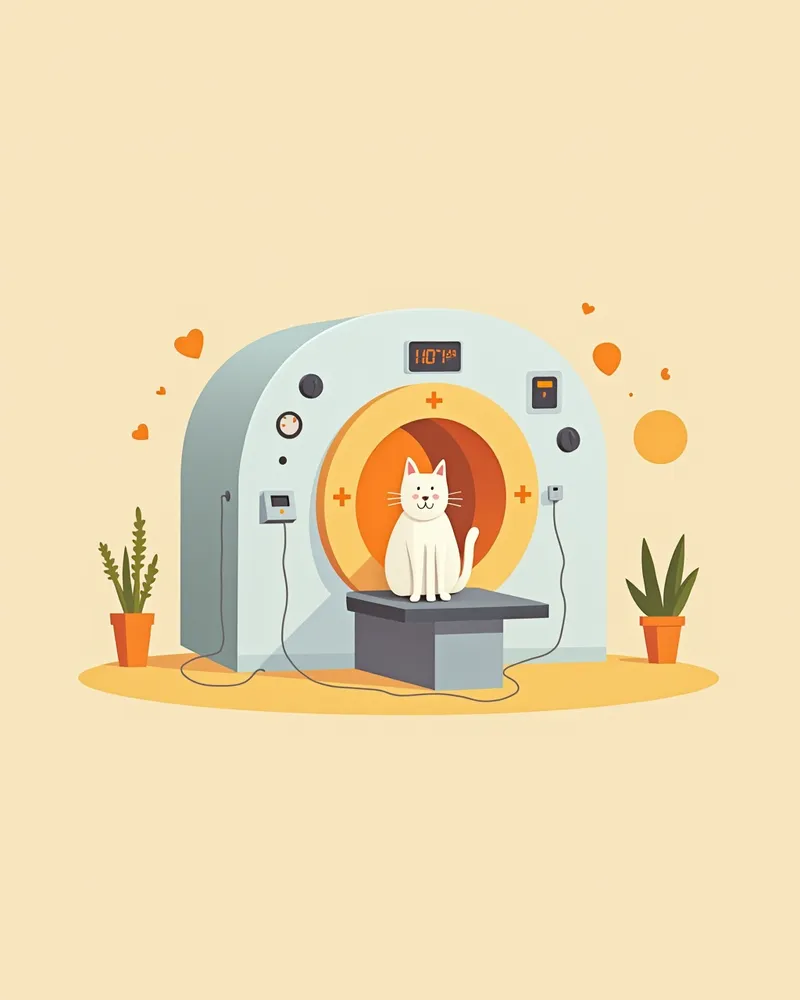
To accurately diagnose a brain tumor in cats, advanced imaging tests such as MRI or CT play a crucial role. These imaging studies help determine the tumor’s location, size, shape, and its impact on surrounding brain tissue, and are widely used in evaluating intracranial tumors in cats. When combined with a neurological examination, they provide a foundation for estimating the lesion’s location and developing a treatment plan. However, to definitively confirm whether the tumor is benign or malignant and to identify its specific type, a tissue biopsy (pathological examination) is required. In some cases, cerebrospinal fluid analysis may also be considered. It is best to discuss and proceed with these advanced diagnostic tests, including imaging, in consultation with your veterinarian at an animal hospital.
An MRI scan being performed to diagnose a brain tumor in a cat

Treatment Is Tailored Based on Tumor Characteristics and Location
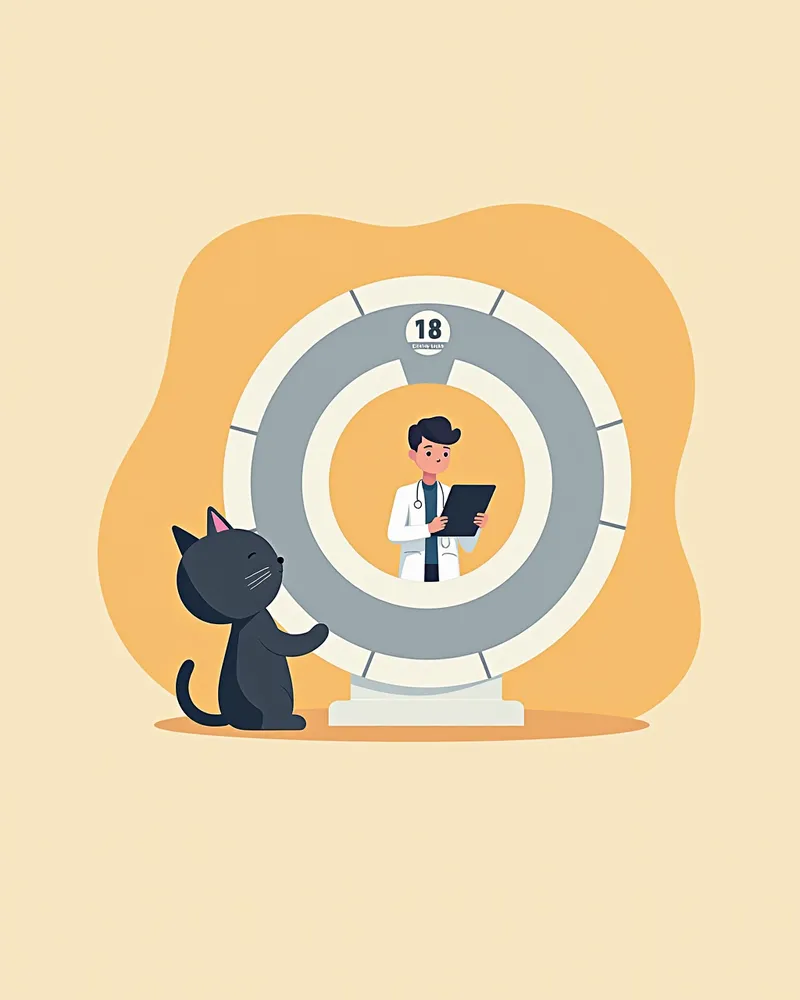
Treatment for feline brain tumors varies depending on the tumor type, location, size, and the patient’s overall health. When feasible, surgical removal is the primary consideration. If surgery is not an option, radiation therapy becomes the main treatment, and chemotherapy may be combined with it for malignant tumors. The goals of treatment are to alleviate symptoms, extend survival time, and improve quality of life. A tailored treatment plan is developed through ongoing consultation with your veterinarian, and regular follow-up examinations are essential throughout the course of treatment.
A veterinarian analyzing an MRI of a cat's brain tumor.

Home Care Focuses on Environmental Stability and Medication Management

Cats with brain tumors need to live in a stable environment with minimal stress. Medication must be administered at the correct times and doses, adjusted according to your veterinarian’s instructions. Consistently monitor food and water intake, and consider using assistive devices if mobility becomes difficult.
Environmental stability: Provide a quiet space where your cat can rest comfortably.
Medication management: Ensure medication is given exactly at the scheduled times.
Diet management: Offer small, frequent meals and keep water readily accessible at all times.
Mobility assistance: Limit access to stairs and elevated areas, and use non-slip rugs for support.
Creating a Stable Environment for Managing Feline Brain Tumors

Feline Brain Tumors Have a High Risk of Recurrence

Feline brain tumors can recur even after treatment, especially if the tumor wasn’t completely removed, in which case it may regrow in the same area. For this reason, radiation therapy is sometimes considered alongside surgery. It’s important to monitor your cat’s progress with regular imaging and neurological evaluations on the schedule recommended by your veterinarian. If similar neurological symptoms reappear, contact your vet right away.

Reviewed by a veterinarian

Dr. Tony — Punnawat Phongkittirak

Dr. Tony — Punnawat Phongkittirak

Veterinarian

A veterinarian who majored in veterinary medicine at Khon Kaen University, Thailand, and completed the IVSA program at North Carolina State University in the United States. Drawing on clinical experience at animal hospitals, he works in the pet healthcare field and is dedicated to building a digital care environment that connects pet parents with veterinarians.

Frequently Asked Questions

Can feline brain tumors be treated?
The likelihood of successful treatment varies depending on the type and location of the tumor. Some tumors can be managed with surgery or radiation therapy, which may help extend your pet’s lifespan.
Are brain tumors common in cats?
Brain tumors are more commonly reported in older cats. While it’s difficult to determine the exact incidence rate, it’s a good idea to keep a close eye on senior cats.
How do the symptoms of brain tumors manifest?
Typical signs include behavioral changes, seizures, loss of balance, vision impairment, and lethargy. Because symptoms tend to develop gradually, careful observation is essential.
Are there genetic factors involved in feline brain tumors?
The exact cause or genetic predisposition has not yet been clearly identified. At present, it is difficult to definitively attribute the condition to specific breeds or genetic factors, so regular check-ups are recommended for older pets to ensure proper management.
If a brain tumor is suspected, what tests should be performed?
Advanced imaging tests like MRI or CT scans play a crucial role in diagnosis. These are performed at the veterinary clinic alongside neurological examinations, and the type of tumor is ultimately confirmed through a tissue biopsy.

Share

Related Guides

References

[1] Mariani, C.L. et al. (2015). Histiocytic sarcoma with central nervous system involvement in dogs: 19 Cases (2006–2012). J Vet Intern Med, 29(2):607–613.

[2] Clinical Medicine of the Dog and Cat, 4th Ed. (2020). Chapter 14: Neurological Disorders in Cats. Elsevier.

[3] The Cat, Clinical Medicine and Management, 2nd Edition. (2018). Section 5: Neoplastic Diseases of the Central Nervous System. Wiley-Blackwell.

This information is based on veterinary literature and does not replace diagnosis or treatment. Please consult a veterinarian for specific health concerns.

Metapet Co., Ltd. | CEO: Park Sung-yong | Business Reg. No. 417-88-02562 | Seoul, South Korea | Customer Center

Cat Seizures or Odd Behavior? Brain Tumor Causes & Treatment | Meongsiljang