Like
Share
멍실장
강아지 간 질환 단백질 제한 증상과 원인, 진단·치료와 관리 포인트 총정리

Should You Restrict Protein for Dogs with Liver Disease? — Principles and Precautions of a Restricted Diet

Liver HealthDiseasesMeongsiljang Veterinary Advisory Board

In dogs with liver disease, restricting protein is an essential management strategy when liver function declines. We’ll provide comprehensive guidance covering symptoms, causes, diagnosis, treatment, and daily care.

What Is Protein Restriction for Dogs with Liver Disease?

An image showing damaged liver cells in a dog and signs of protein restriction.
In dogs with liver disease, protein restriction is a therapeutic approach that involves carefully managing protein intake to prevent the buildup of nitrogenous toxins, such as ammonia in the blood, when impaired liver function hinders proper protein metabolism. When liver function significantly declines or portal blood flow decreases, toxic substances produced in the intestines, diet, and body metabolism can circulate throughout the body and even reach the brain. - Protein-Restricted Diet: If the liver cannot properly process protein, toxins like ammonia can accumulate, potentially triggering symptoms of hepatic encephalopathy, such as confusion or seizures. In these cases, mildly restricting protein can help reduce the burden on the liver. However, if there are no signs of hepatic encephalopathy, it is important not to restrict protein excessively. - Individualized Plan: Your veterinarian will determine the appropriate protein intake by comprehensively considering your dog’s weight, disease severity, and blood test results. - Balanced Nutrition: Excessive protein restriction can lead to muscle loss or nutritional imbalances. Therefore, it is crucial to provide sufficient high-quality protein, such as plant-based or hydrolyzed protein. - A Key Element of Treatment: Protein restriction is not merely a dietary adjustment; it is a strategic approach designed to reduce the workload on the liver.

Why Protein Restriction Is Necessary in Liver Disease

When liver function declines, especially if the amount of functional liver tissue is significantly reduced, protein metabolism can become impaired, leading to the accumulation of toxic substances like ammonia in the bloodstream. - Risk of ammonia buildup: These toxins can affect the brain, potentially causing confusion, lethargy, seizures, and other neurological signs associated with hepatic encephalopathy. - Supporting liver function: Properly managing protein intake can help reduce the production of these toxins, easing the burden on the liver. - Balanced approach needed: Severely restricting protein can lead to muscle loss or nutritional imbalances, so if there are no signs of hepatic encephalopathy, avoid excessive restriction and follow the appropriate amount recommended by your veterinarian. - Key treatment strategy: Protein restriction is especially important when there’s a risk of hepatic encephalopathy, and adjustments should be made based on the severity of the condition. - Regular monitoring: Blood tests and other evaluations should be used to regularly check whether protein intake remains at an appropriate level.
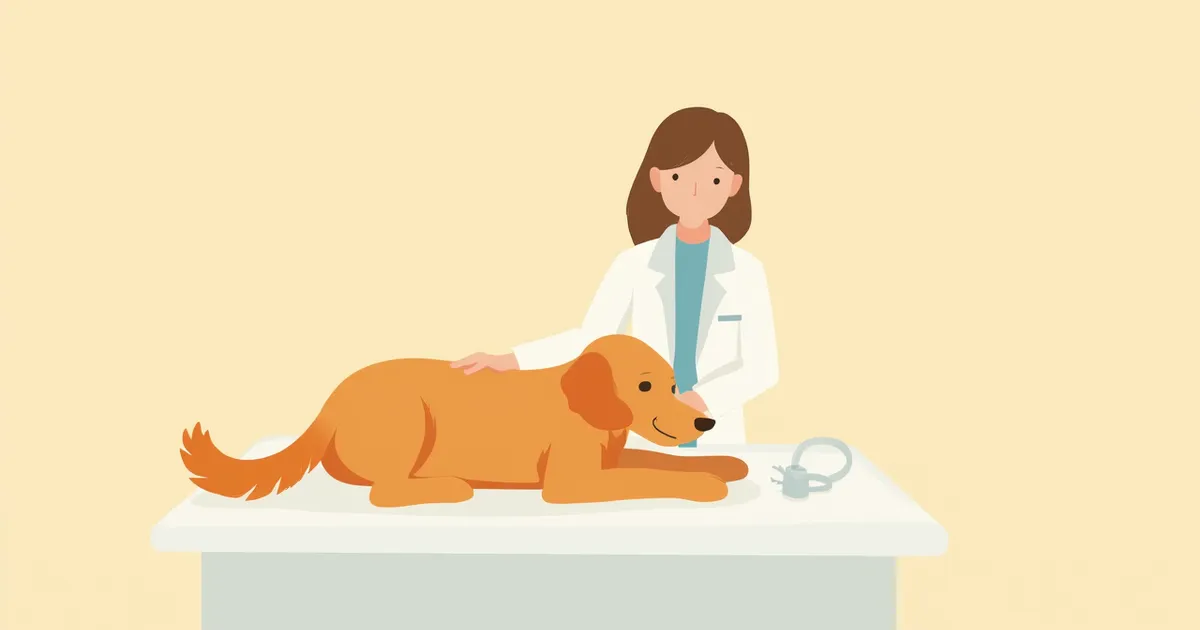
A scene where a veterinarian explains a protein-restricted diet.

Main Symptoms and Signs

As liver disease progresses in dogs, a variety of symptoms can appear. It is important to accurately recognize the signs that indicate when protein restriction is necessary.
Excessive lethargy: Your dog may seem sleepy and inactive throughout the day.
Loss of appetite: They may refuse to eat even when food is offered, or consume very little.
Repeated vomiting: Vomiting may occur multiple times a day.
Jaundice: The whites of the eyes or lips may turn yellow.
Behavioral changes: Sudden fearfulness, aggression toward their owner, or other personality changes may occur.
If you notice any of these symptoms, consult your veterinarian immediately.
Image of a puppy’s face showing symptoms of jaundice

Situations Requiring Immediate Veterinary Visit

If your dog suddenly loses consciousness, experiences seizures, or has persistent severe vomiting and diarrhea, you should take them to the vet immediately. These symptoms may indicate a rapid decline in liver function, which can be life-threatening.

Diagnostic Methods and Test Items
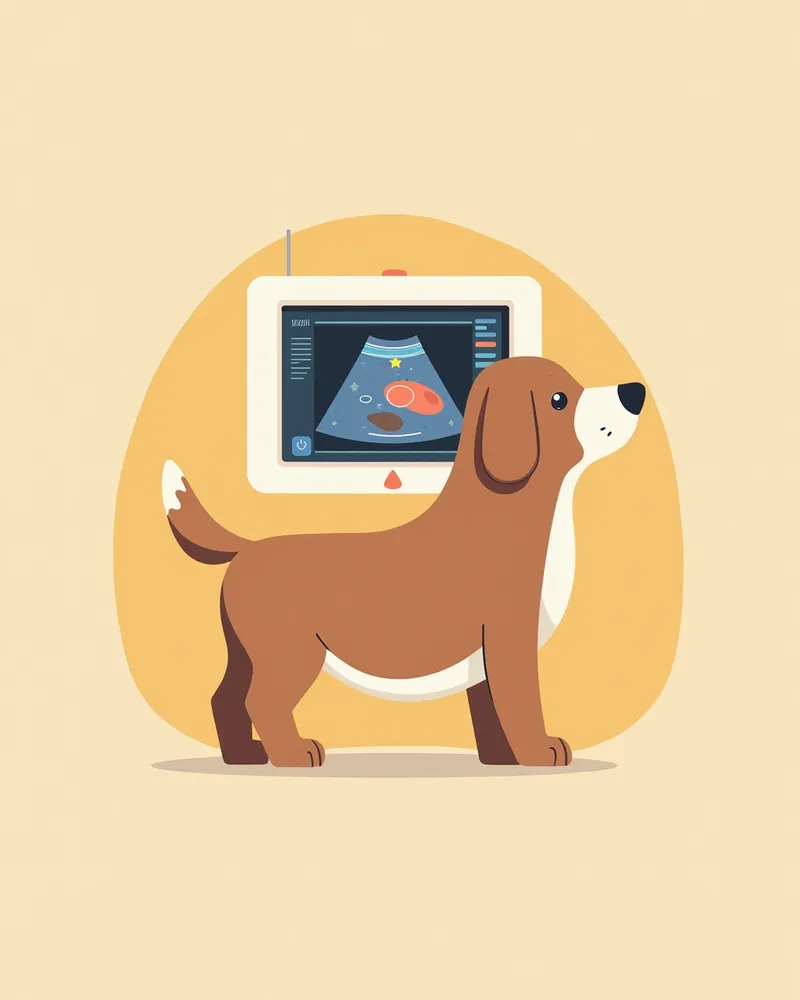
To accurately diagnose liver disease in dogs, several tests are required. - Blood tests: Measure levels of hepatocellular enzymes such as ALT and AST, as well as cholestatic enzymes like ALP, to assess the extent of liver damage and bile stasis. - Ultrasound examination: Visually evaluate the liver’s size, shape, and texture (echogenicity) to identify any abnormalities. - Biopsy: Collect a sample of liver tissue for pathological analysis to determine the exact cause. - Blood ammonia (or bile acid) measurement: A key indicator for assessing liver function and detecting the accumulation of toxic substances, especially when jaundice is not present. - Comprehensive evaluation: The veterinarian analyzes all test results together to determine the cause and severity of liver dysfunction. - Foundation for treatment: An accurate diagnosis is the first step in developing an appropriate treatment plan.
A scene of a puppy undergoing an ultrasound examination of its liver.

Treatment Methods and Step-by-Step Management

Treatment for liver disease in dogs is tailored to the underlying cause. - Treating the underlying cause: Medication is administered based on factors such as infection, drug exposure, or genetic predisposition. - Protein-restricted diet: Your veterinarian will adjust protein intake according to your dog’s weight and the severity of the disease. - Supplements: Medications such as hepatoprotectants, antioxidants, and ammonia-lowering agents may be prescribed. - Hydration: Adequate fluid intake is encouraged to prevent dehydration and help flush out toxins. - Regular monitoring: Blood tests and ultrasound imaging are used to track treatment progress. - Stage-specific management: Early-stage cases typically receive conservative treatment, while advanced cases require more intensive care.
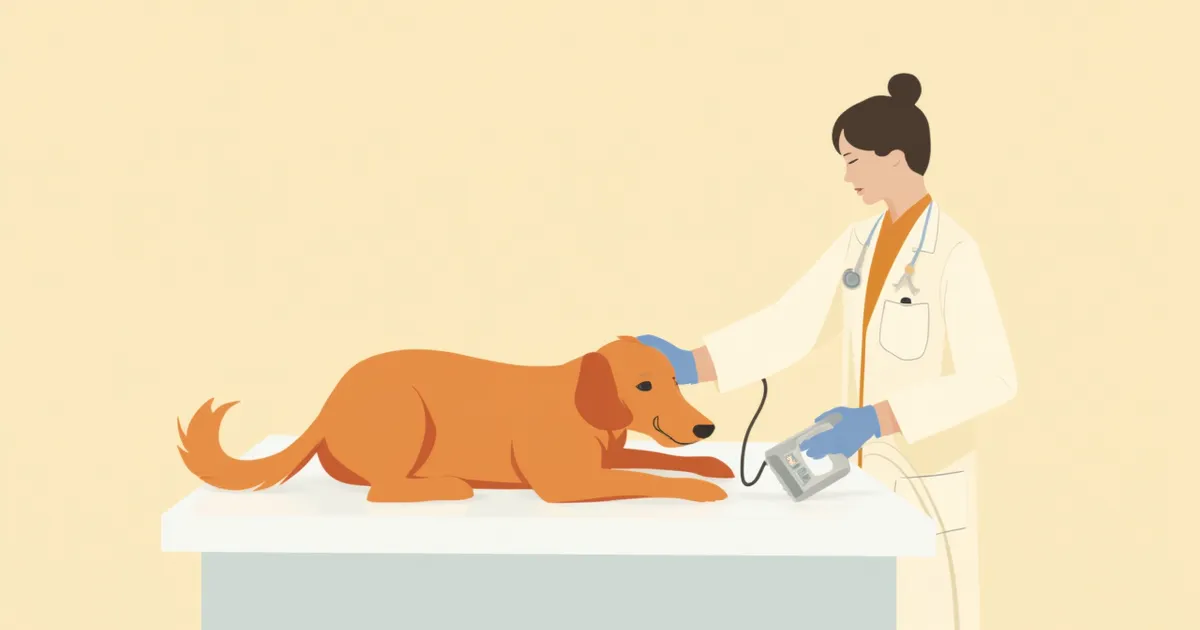
A scene of a veterinarian spending time with a puppy on a protein-restricted diet.

Daily Management Points at Home

Managing your dog’s liver condition requires consistent care at home. - Follow the prescribed diet: Strictly adhere to the protein-restricted diet recommended by your veterinarian. - Avoid foods that strain the liver: Never feed your dog foods containing fat, salt, alcohol, or artificial additives. - Moderate exercise: Excessive activity can be burdensome, so balance appropriate walks with adequate rest. - Minimize stress: Maintain a quiet environment and a consistent daily routine. - Regular check-ups: Consult with your veterinarian every 1 to 3 months to monitor your dog’s condition. - Family cooperation: Effective management depends on all family members understanding and participating in the care plan.
A calm environment for managing your dog’s liver disease

Breed-Specific Precautions and Prevention of Recurrence

Certain breeds, such as Cocker Spaniels, English Springer Spaniels, and Doberman Pinschers (especially females), are predisposed to chronic hepatitis, while Bedlington Terriers, Labrador Retrievers, and West Highland White Terriers are prone to copper-associated liver disease. In cases of liver disease, hepatocellular enzymes like ALT and AST rise, and cholestatic enzymes such as ALP may also increase. It is important for these predisposed breeds to undergo regular liver function tests. To prevent recurrence, consistently adhere to the prescribed diet and medication regimen.

Reviewed by a veterinarian

Dr. Tony — Punnawat Phongkittirak

Dr. Tony — Punnawat Phongkittirak

Veterinarian

A veterinarian who majored in veterinary medicine at Khon Kaen University, Thailand, and completed the IVSA program at North Carolina State University in the United States. Drawing on clinical experience at animal hospitals, he works in the pet healthcare field and is dedicated to building a digital care environment that connects pet parents with veterinarians.

Frequently Asked Questions

Will reducing protein intake weaken muscles?
Protein restriction doesn’t mean weakening muscles—it simply means reducing excessive intake. Your veterinarian will calculate the appropriate amount, so there’s no need to worry.
How long should I feed a protein-restricted diet?
Once liver function stabilizes, your veterinarian will gradually increase your pet’s protein intake. Ongoing management is necessary until full recovery is achieved.
Can I give my pet a liver supplement at home?
Never give supplements to your pet without a veterinarian’s guidance. Some supplements can put a strain on the liver, so always consult with a professional first.
Can liver disease be cured?
If the underlying cause is removed and treatment is effective, liver function can recover. However, in some cases the condition may become chronic, so consistent, ongoing care is essential.
My pet vomits frequently after eating. Why does this happen?
When liver function declines, digestion becomes more difficult, which can lead to vomiting after meals. Try feeding smaller, more frequent meals or using a special diet recommended by your veterinarian.

Comparison of Management Points by Stage of Liver Disease

ItemMain SymptomsLevel of Protein RestrictionKey Management Points
MildSlightly decreased appetite, drowsinessModerateMaintain dietary therapy, regular check-ups
ModerateVomiting, jaundice, behavioral changesIncreasedSpecialized diet, take supplements
SevereDecreased consciousness, seizures, persistent vomitingStrictHospitalization, intravenous nutrition

Stage-by-stage management is determined by the veterinarian's diagnosis. Never make your own judgment.

Share

Related Guides

References

[1] Notes on Canine Internal Medicine, 4th Ed. (2023). Chapter on Hepatic Disease and Nutritional Management.

[2] Fundamentals of Veterinary Clinical Pathology, 3rd Edition. (2022). Liver Enzyme Interpretation and Hepatopathy Diagnosis.

[3] BSAVA Manual of Canine and Feline Dermatology, 4th Ed. (2021). Hepatotoxicity and Drug-Induced Liver Injury in Dogs.

This information is based on veterinary literature and does not replace diagnosis or treatment. Please consult a veterinarian for specific health concerns.

Metapet Co., Ltd. | CEO: Park Sung-yong | Business Reg. No. 417-88-02562 | Seoul, South Korea | Customer Center

Should Dogs with Liver Disease Eat Less Protein? Diet Guide | Meongsiljang