

If Your Dog Suddenly Collapses — Warning Signs of Dilated Cardiomyopathy (DCM)
Dilated cardiomyopathy (DCM) in dogs is a condition where the heart muscle weakens, causing the heart to enlarge and its pumping ability to decline. It primarily affects large-breed dogs. Early detection and proper management can significantly improve your dog’s quality of life.
What Is Dilated Cardiomyopathy (DCM) in Dogs?

What Are the Main Causes of DCM?
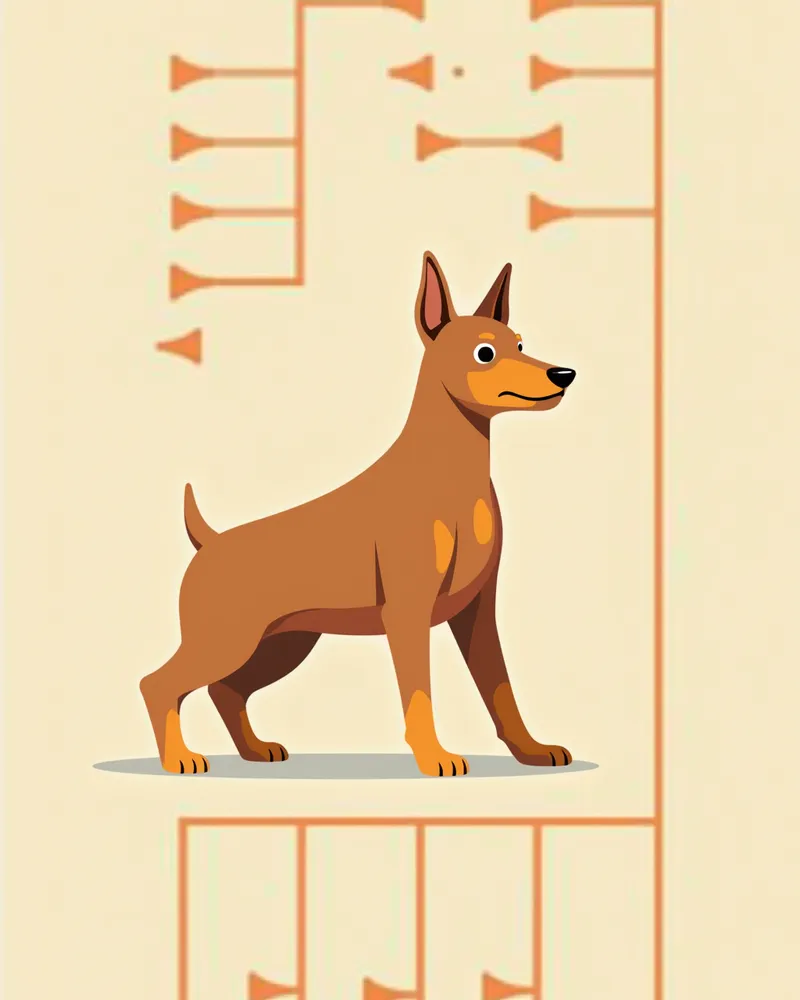
Check for Key Symptoms and Signs
Signs Requiring Immediate Veterinary Visit
If your dog suddenly starts breathing heavily, has a bluish tint to its mouth, or collapses, these could be signs of a heart attack or acute heart failure. In such cases, it’s crucial to get them to a vet immediately. For large breed dogs in particular, regular heart check-ups can help catch issues early. Quick action can save their life.
Diagnostic Tests for Accurate Diagnosis
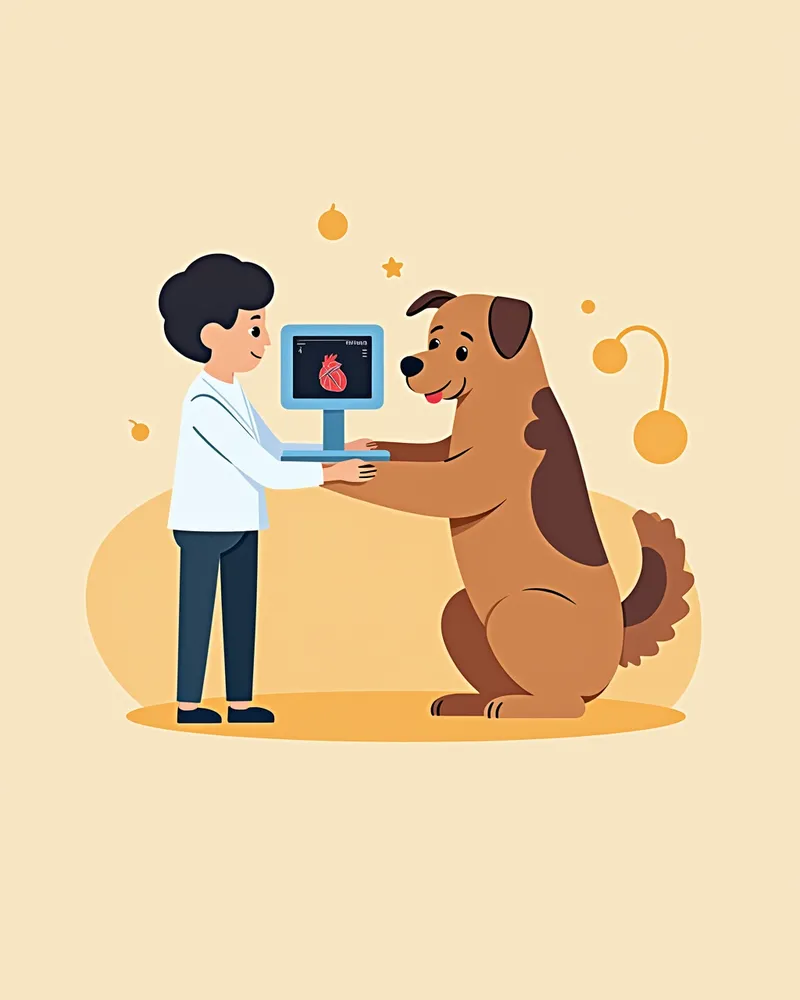
Treatment Methods and Step-by-Step Management

Management Points at Home
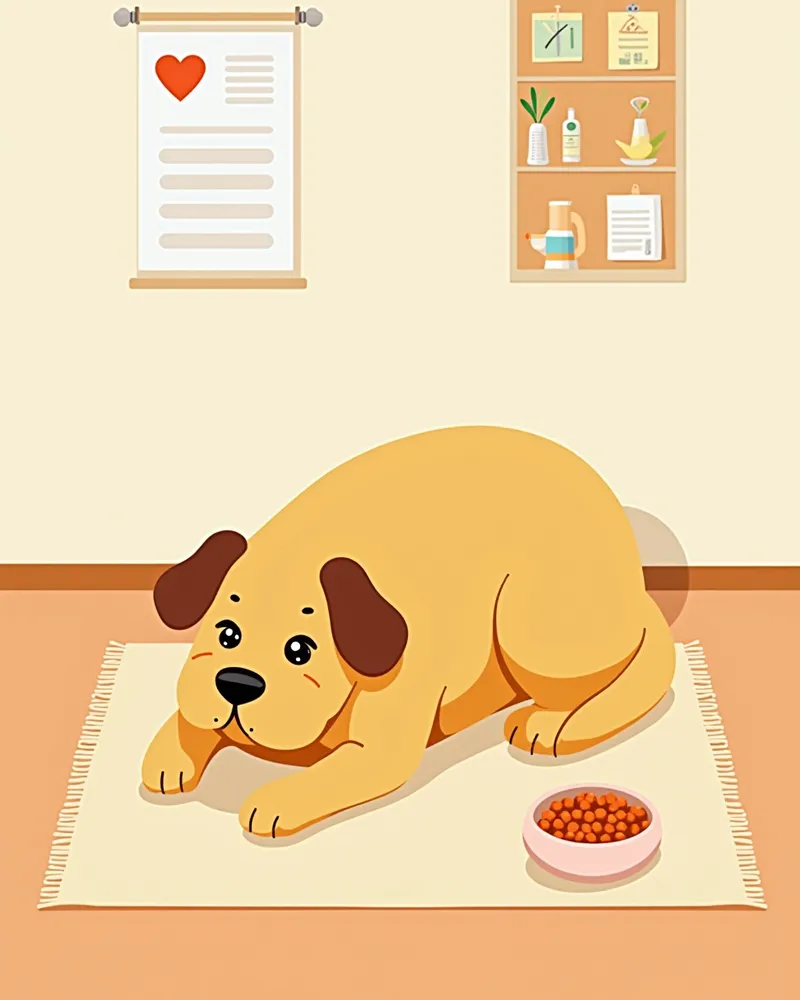
Breed-Specific Precautions and Prevention of Recurrence
Large-breed dogs such as Doberman Pinschers, Great Danes, and Irish Wolfhounds are highly susceptible to dilated cardiomyopathy (DCM). When adopting a puppy from one of these breeds, be sure to review the parents’ cardiac screening records. If heart disease is suspected, early screening can help assess genetic risk. Ongoing medication and lifestyle management are essential to slow disease progression.
Reviewed by a veterinarian

Dr. Tony — Punnawat Phongkittirak
VeterinarianA veterinarian who majored in veterinary medicine at Khon Kaen University, Thailand, and completed the IVSA program at North Carolina State University in the United States. Drawing on clinical experience at animal hospitals, he works in the pet healthcare field and is dedicated to building a digital care environment that connects pet parents with veterinarians.
Reviewed 2026-06-03
Frequently Asked Questions
Is DCM curable?
Do taurine supplements really work?
When should regular heart check-ups begin?
Does this mean my pet can’t exercise at all?
How should I transition my pet’s diet?
Comparison of Response Methods by DCM Symptom Stage
| Item | Main Symptoms | Recommended Action | When to Consult a Veterinarian |
|---|---|---|---|
| Early (Asymptomatic) | No symptoms; abnormality found during a routine checkup | Regular heart checkups, check taurine levels | Consult immediately |
| Intermediate (Mild) | Decreased activity, mild respiratory distress | Start medication, adjust exercise, adjust diet | Consult within 3 months |
| Late (Severe) | Severe respiratory distress, coughing, abdominal distension | Inpatient treatment, intensive drug therapy such as diuretics and cardiotonics | Consult immediately |
If symptoms worsen, do not delay visiting the hospital. Early intervention increases the survival rate.
Share
Related Guides

Coenzyme Q10 Benefits and Administration Guide
Dog Pulmonary Edema Warning — 7 Best Diuretics (Furosemide) for Heart Management

7 Best Prescription Diets for Feline Heart Disease Recommended by Veterinarians — Criteria for Choosing Low-Sodium Food

My Cat Keeps Drinking Water — Causes of Polyuria/Polydipsia (PU/PD) and When to Visit the Vet

My Cat Is Losing Weight and Only Drinking Water — Causes and Diagnostic Timing for Chronic Kidney Disease (CKD)

If Your Cat Suddenly Stops Urinating — Emergency Signs of Acute Kidney Failure and Treatment Timing
Complete Guide to Pimobendan for Dogs: Efficacy, Administration, Side Effects, and Warning Signs
Complete Guide to Canine Cardiac Blood Tests: NT-proBNP and Troponin — From Meaning to Management

A Comprehensive Guide to Mitral Valve Disease (MVD) in Dogs: Symptoms, Causes, Diagnosis, Treatment, and Management
When Your Dog Suddenly Can’t Breathe — Emergency Golden Hour and Response for Heart Failure
References
[1] Textbook of Cardiovascular Medicine in Dogs and Cats, 2022, Elsevier
[2] Clinical Medicine of the Dog and Cat, 4th Edition, 2020, Elsevier
[3] The Dog Care Handbook, Things I Wish My Vet Had Told Me, 2021, Penguin Random House