
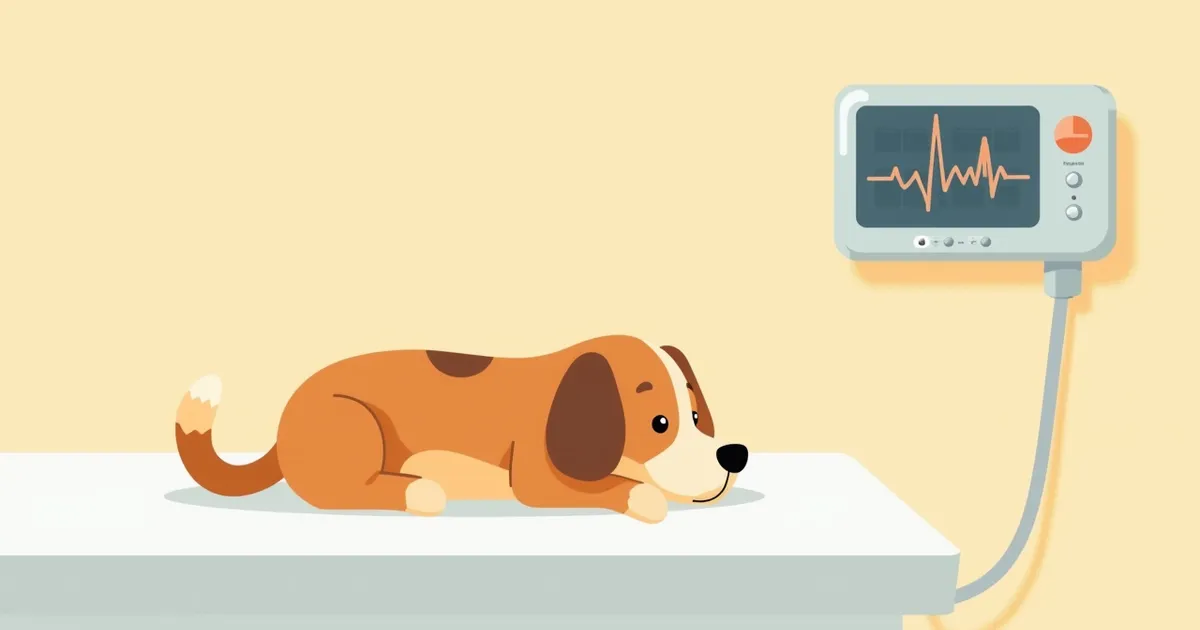
Dog ECG — Complete Guide from Arrhythmia Diagnosis to Test Preparation
An electrocardiogram (ECG) is a key test for early detection of abnormal heart rhythms in dogs. Be sure to understand this important diagnostic tool for accurate diagnosis and treatment.
An electrocardiogram (ECG) is a key test for the early detection of heart rhythm abnormalities in dogs.

What are the main causes of abnormal ECG findings?
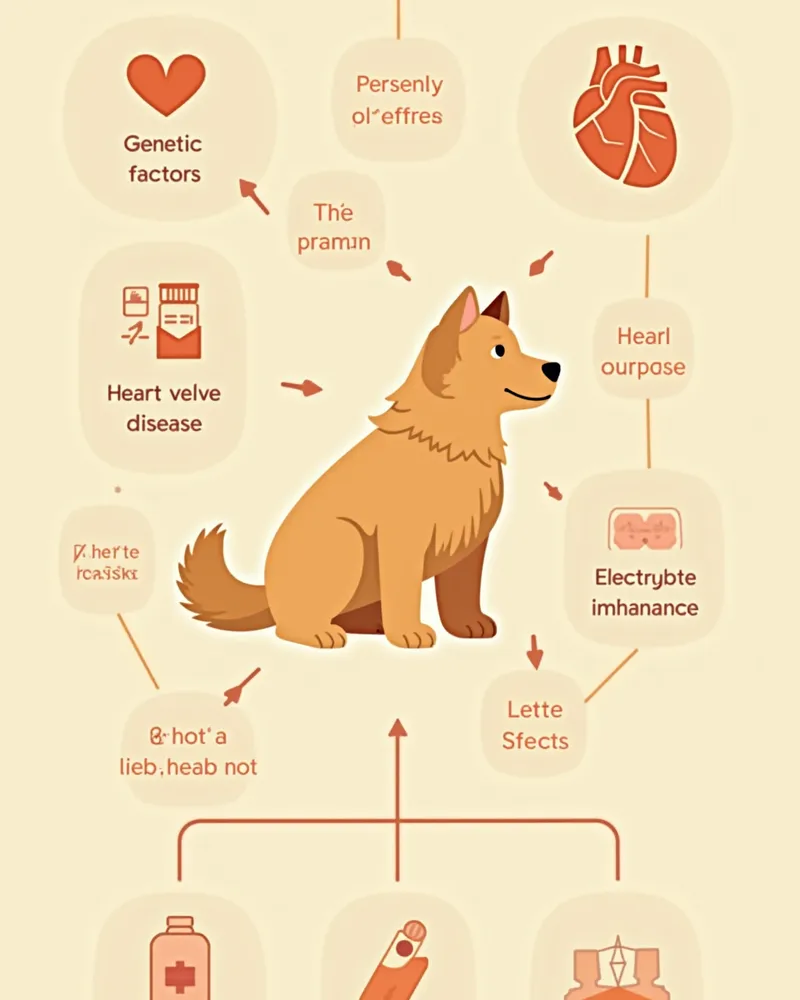
Key signs that may appear on an ECG

Emergency signs requiring immediate veterinary care
If an ECG reveals serious arrhythmia, or if your dog suddenly collapses, has difficulty breathing, develops a bluish tint to its mouth, or appears to have stopped its heart, seek veterinary care immediately. These are emergency signs of potential cardiac arrest, so prompt emergency treatment is essential.
Diagnostic procedures for accurate diagnosis
Treatment methods vary depending on the underlying cause.
Home care and precautions

Certain breeds are at higher risk for heart conditions
Certain breeds, such as Doberman Pinschers, Great Danes, Irish Wolfhounds, Boxers, English Bulldogs, and Weimaraners, are predisposed to hereditary heart conditions like dilated cardiomyopathy and arrhythmogenic right ventricular cardiomyopathy. For these breeds, it is advisable to begin regular electrocardiogram and echocardiogram screenings early in life, and it is important to verify the cardiac health history of the parent dogs before adoption.
Reviewed by a veterinarian

Dr. Tony — Punnawat Phongkittirak
VeterinarianA veterinarian who majored in veterinary medicine at Khon Kaen University, Thailand, and completed the IVSA program at North Carolina State University in the United States. Drawing on clinical experience at animal hospitals, he works in the pet healthcare field and is dedicated to building a digital care environment that connects pet parents with veterinarians.
Reviewed 2026-06-03
Frequently Asked Questions
Does an ECG test cause any pain?
Does an abnormal ECG result always mean surgery is necessary?
When is the best time to have an electrocardiogram (ECG) test?
Is there anything special I need to do at home after the ECG test?
If the electrocardiogram (ECG) results are normal, can I be reassured?
Share
Related Guides

Coenzyme Q10 Benefits and Administration Guide

Dog Pulmonary Edema Warning — 7 Best Diuretics (Furosemide) for Heart Management

7 Best Prescription Diets for Feline Heart Disease Recommended by Veterinarians — Criteria for Choosing Low-Sodium Food

Measuring Intraocular Pressure in Cats (Tonometry) — Timing for Glaucoma Detection and Interpreting Results

How to Clean Your Cat’s Eye Discharge — Safe Eye Cleaning and Flushing Methods and Warning Signs

If Your Cat’s Tears Won’t Stop — Causes of Nasolacrimal Duct Obstruction and When to Seek Treatment

If Your Cat’s Eyes Are Constantly Dry and Sticky — Key Points on Keratoconjunctivitis Sicca and Cyclosporine Treatment

If Your Cat’s Eye Color Changes or Pupils Are Abnormal — Warning Signs of Intraocular Tumors and Treatment Timing

Cat tearing and corneal clouding: Could it be herpes keratitis? — Causes and recurrence management points

Complete Guide to Feline Fluorescein Corneal Staining — From Procedure to Result Interpretation
References
[1] Tilley, L.P. and Burtnick, N.L. (2009). How to interpret ECGs for the small animal practitioner. In: ECG for the Small Animal Practitioner, 1–8.
[2] Kittleson, M.D. and Kienle, R.D. (1998). Small Animal Cardiovascular Medicine. St. Louis, MO: Mosby.
[3] Fox, P.R. and Harpster, N.K. (1999). Diagnosis and management of feline arrhythmias. In: Textbook of Cardiovascular Medicine in Dogs and Cats, 123–145.