Like
Share
멍실장
강아지 방광 폴립·용종 증상과 원인, 진단·치료와 관리 포인트 총정리

Dog Bladder Polyps and Growths: Symptoms, Causes, Diagnosis, Treatment, and Management Essentials

UrinaryDiseasesMeongsiljang Veterinary Advisory Board

Bladder polyps or growths in dogs are abnormal tissue formations inside the bladder that can cause urinary difficulties and bleeding. Early detection and appropriate treatment are essential.

What Are Bladder Polyps and Growths in Dogs?
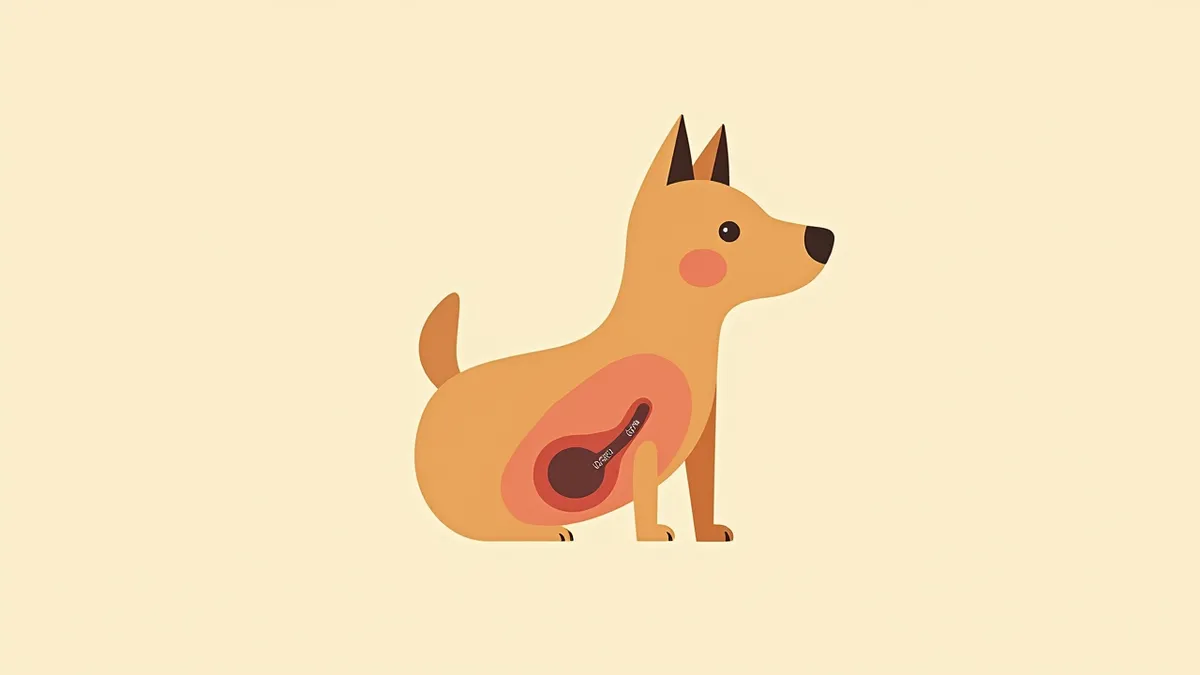
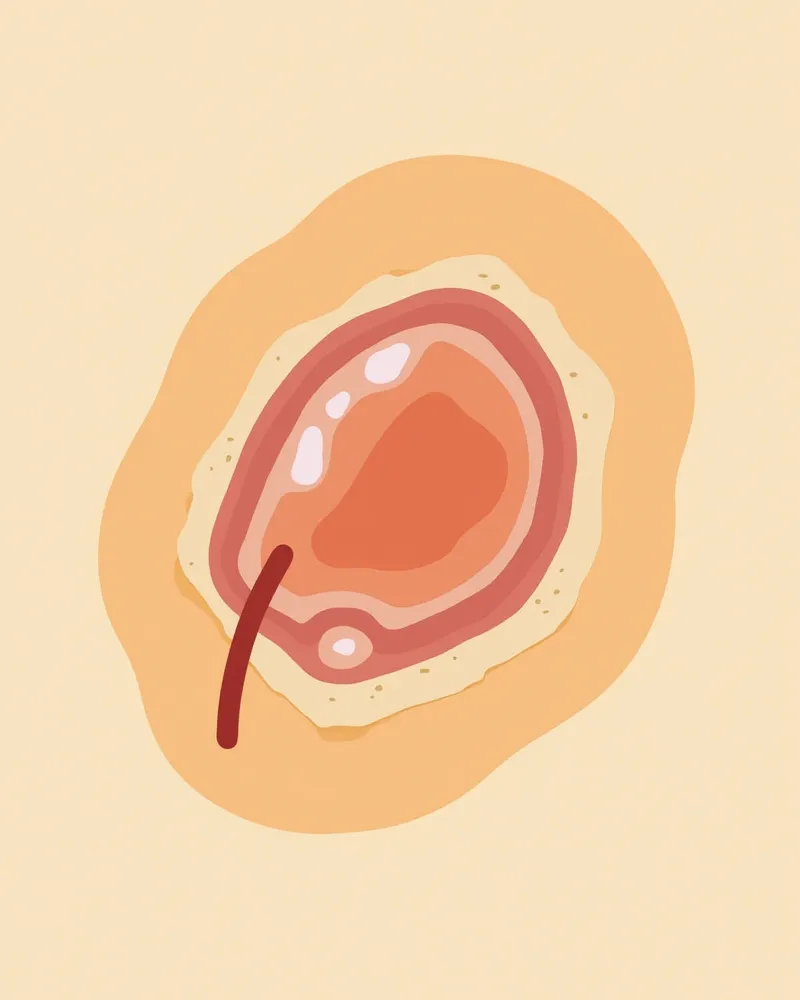
An anatomical image showing polyps and growths inside a dog's bladder
Bladder polyps and growths in dogs are abnormal cell proliferations on the bladder lining, with many being non-neoplastic (hyperplastic) lesions. In fact, bladder wall biopsies have shown benign proliferative epithelium, and they can be observed alongside urinary stones or chronic bladder inflammation (polypoid cystitis). However, it is difficult to definitively determine age-related incidence or breed predispositions based solely on the provided evidence. Early stages often lack obvious symptoms, making them easy for pet owners to overlook, so vigilance is essential. - Bladder polyps: Small protrusions from the bladder lining that can cause urinary difficulties or hematuria as they grow larger. - Growths: Abnormal cell growths from the mucosa that can interfere with bladder function as they enlarge. Cytology alone may not distinguish them from proliferative epithelium, so histological examination is necessary for accurate assessment.

Main Causes and Pathogenesis

The exact cause of bladder polyps in dogs is not yet fully understood, but chronic bladder inflammation, mucosal irritation, and urinary stones may be involved. In fact, cases have been reported in which polypoid cystitis was identified alongside urinary stones and cystitis. Recurrent bladder inflammation can continuously irritate the mucosa, potentially leading to cellular proliferation. - Chronic inflammation: Persistent irritation of the bladder mucosa may result in abnormal cell proliferation. - Mucosal damage: Damage to the mucosa caused by trauma or inflammation may be associated with polyp formation. - Urinary stones and irritants: Urinary stones within the bladder or chronic irritation are sometimes observed alongside mucosal changes. However, based on the available evidence, it is difficult to confirm a genetic predisposition in specific breeds. Rather than making definitive conclusions, regular monitoring to observe any changes is recommended.
A microscopic image of bladder tissue showing polyp-like growths

Main Symptoms and Signs

Bladder polyps in dogs typically present with urinary difficulties and bleeding. Recognizing these signs is crucial for pet owners, as they can indicate a serious issue.
Difficulty Urinating: Your dog may frequently sit down and stand up while urinating, showing signs of discomfort or pain.
Blood in Urine: The urine may appear reddish, and in severe cases, visible blood may be present.
Increased Urination Frequency: Your dog may urinate multiple times a day, but only in small amounts.
Urinary Incontinence: Due to improper bladder contraction, urine leakage may occur.
Sudden Interruption During Urination: Your dog may suddenly stop urinating mid-stream, and this behavior may repeat.
If these symptoms persist, it is essential to visit a veterinarian immediately.
A real-life image of a dog experiencing difficulty urinating

When to Visit the Vet Immediately

If your dog is unable to urinate, shows severe pain during urination, or has significant blood in the urine, you should go to the vet immediately. A blocked bladder can be life-threatening, so it should be treated as an emergency.

Diagnostic Methods

Bladder polyps in dogs are accurately diagnosed through a series of tests. First, a urinalysis checks for blood in the urine and signs of inflammation, while an ultrasound examines the bladder for any abnormal growths. If necessary, a cystoscopy allows direct visualization of the polyps, and a biopsy determines whether they are benign or malignant. - Urinalysis: Checks for blood in the urine and elevated white blood cells to assess for inflammation. - Ultrasound: Non-invasively examines the internal structure of the bladder. - Cystoscopy: Allows direct visualization of the polyps and enables histological diagnosis through biopsy. Combined testing is essential for an accurate diagnosis.
An ultrasound image showing a polyp-like lesion inside the bladder

Treatment Options and Step-by-Step Management
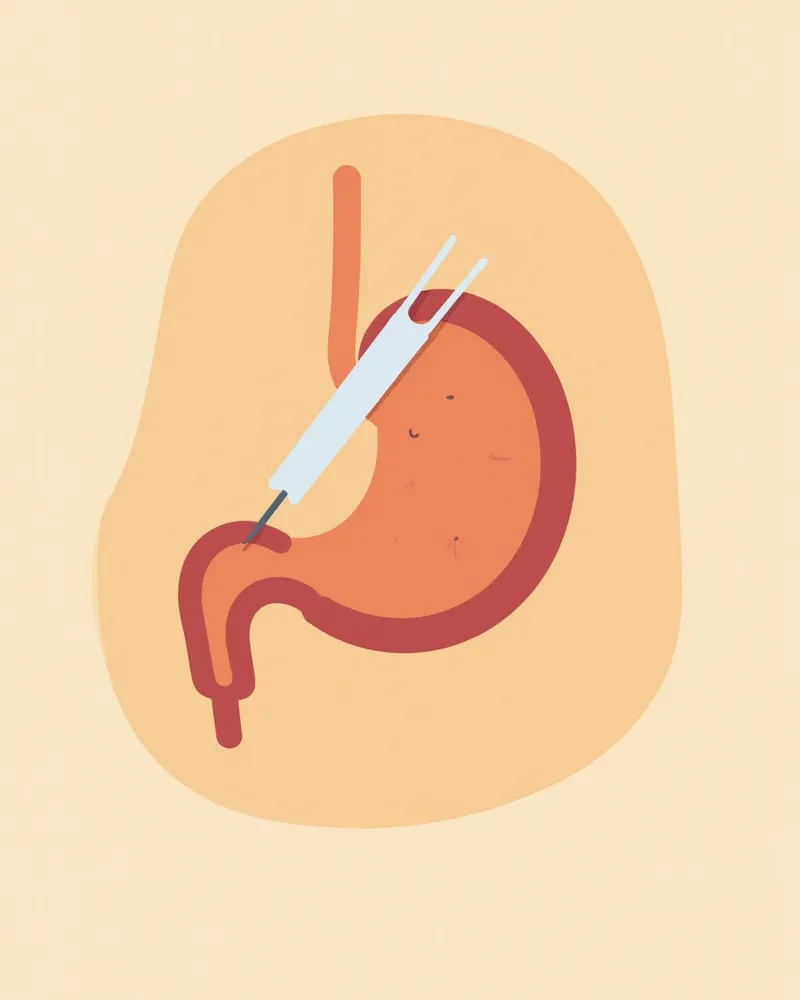
Treatment for bladder polyps and growths varies depending on their size, location, and histological characteristics. For small, non-neoplastic lesions, monitoring the condition or managing concurrent uroliths and inflammation may be sufficient. If the polyp grows or obstructs urination, surgical removal may be considered. If malignant lesions are suspected based on histological examination, surgery may be required, involving cystotomy to excise the mass or partial resection of the bladder wall containing the lesion. Postoperatively, it is essential to administer medications as directed by your veterinarian and undergo regular follow-up examinations. - Mass excision (cystotomy): The bladder is incised (cystotomy) to remove the polyp or mass, allowing for concurrent histopathological examination. - Partial cystectomy: If malignancy is suspected or the lesion has invaded the bladder wall, the affected portion of the bladder wall may be resected along with the lesion. - Postoperative care: Medication and regular veterinary check-ups are necessary, with ongoing monitoring for recurrence of the lesion.
Image of bladder polyp resection surgery using an endoscope

Home Care and Follow-Up

After surgery, it’s important to limit your dog’s activity and closely monitor their urination. Check whether there’s any blood in the urine and ensure they’re urinating normally. Administer any prescribed medications exactly as directed by your veterinarian, and schedule regular check-ups to monitor for recurrence. Additionally, encourage plenty of water intake and create a low-stress environment to minimize bladder irritation. - Hydration: Encourage frequent water consumption to help keep the bladder clean. - Stress Management: Provide a quiet, comfortable space for rest. - Regular Check-ups: Schedule veterinary exams every 1–3 months post-surgery to check for recurrence.
An image of a dog drinking water

Preventing Recurrence and Breed Considerations

It is difficult to definitively identify a breed predisposition for bladder polyps or growths based solely on the evidence presented. However, because there is a risk of recurrence even after treatment or surgery, regular check-ups are essential, and you should closely monitor for the return of symptoms such as difficulty urinating or blood in the urine. Early detection and consistent follow-up monitoring are key to managing recurrence.

Reviewed by a veterinarian

Dr. Tony — Punnawat Phongkittirak

Dr. Tony — Punnawat Phongkittirak

Veterinarian

A veterinarian who majored in veterinary medicine at Khon Kaen University, Thailand, and completed the IVSA program at North Carolina State University in the United States. Drawing on clinical experience at animal hospitals, he works in the pet healthcare field and is dedicated to building a digital care environment that connects pet parents with veterinarians.

Frequently Asked Questions

Can bladder polyps be malignant?
Bladder polyps are primarily reported as non-neoplastic (hyperplastic) lesions. However, it is difficult to definitively distinguish between hyperplastic epithelium and neoplastic lesions based on cytology alone, so whether a lesion is benign or malignant must be determined through histological examination. Therefore, even if a growth appears to be a polyp, a biopsy is necessary for an accurate diagnosis.
How long does the recovery period after surgery take?
The recovery period is typically around one to two weeks, and you should gradually increase your pet’s activity level as directed by your veterinarian.
How fast do bladder polyps grow?
There can be significant variation between individuals, and it’s difficult to predict exactly how fast a polyp will grow. Some grow slowly, while others may enlarge more quickly, making regular check-ups essential.
Can it be prevented?
While there’s no guaranteed way to prevent it, avoiding chronic bladder inflammation and catching changes early through regular check-ups are key.
Should I always take my pet to the vet if I see blood in their urine?
Yes, hematuria is one of several possible causes, but it can be an early sign of bladder disease. You should have your pet examined right away.

Share

Related Guides

References

[1] Withrow, S.J., & MacEwen, E.G. (2013). Withrow & MacEwen’s Small Animal Oncology, 5th Edition. Philadelphia: Saunders.

[2] Teshima, T., Matsumoto, H., Michishita, M., et al. (2013). Multiple inflammatory gastric polyps treated by endoscopic resection. Veterinary Radiology & Ultrasound, 54(4), 402–405.

[3] Terragni, R., Vignoil, M., Rossi, F., et al. (2012). Stomach wall evaluation using helical hydro-computed tomography. Veterinary Radiology & Ultrasound, 53(4), 402–405.

This information is based on veterinary literature and does not replace diagnosis or treatment. Please consult a veterinarian for specific health concerns.

Metapet Co., Ltd. | CEO: Park Sung-yong | Business Reg. No. 417-88-02562 | Seoul, South Korea | Customer Center

Dog Bladder Polyps: Symptoms, Causes, and Treatment Options | Meongsiljang